Acacia
Acacia is a vast genus of woody plants in the Fabaceae family, celebrated for its feathery foliage, golden blooms, and ecological importance across tropical and subtropical regions.
Acacia is a vast genus of woody plants in the Fabaceae family, celebrated for its feathery foliage, golden blooms, and ecological importance across tropical and subtropical regions.
First described by Carl Linnaeus in 1753, Acacia traces its name to the Greek 'akakia,' referencing a thorny Egyptian tree. The genus is most diverse in Australia, where it is the largest plant group, but its native range also includes Africa, the Americas, and Asia. Recent advances in molecular phylogenetics have led to the reclassification of many species into related genera such as Vachellia and Senegalia, reflecting Acacia's complex evolutionary lineage and global dispersal.
Acacia belongs to the kingdom Plantae, phylum Magnoliophyta, class Magnoliopsida, order Fabales, and family Fabaceae. Within Fabaceae, Acacia stands out as one of the largest and most diverse genera, encompassing over 1,000 species. Taxonomic revisions have split the genus, with some species now classified under Vachellia and Senegalia, but Acacia remains a cornerstone of leguminous woody plants.
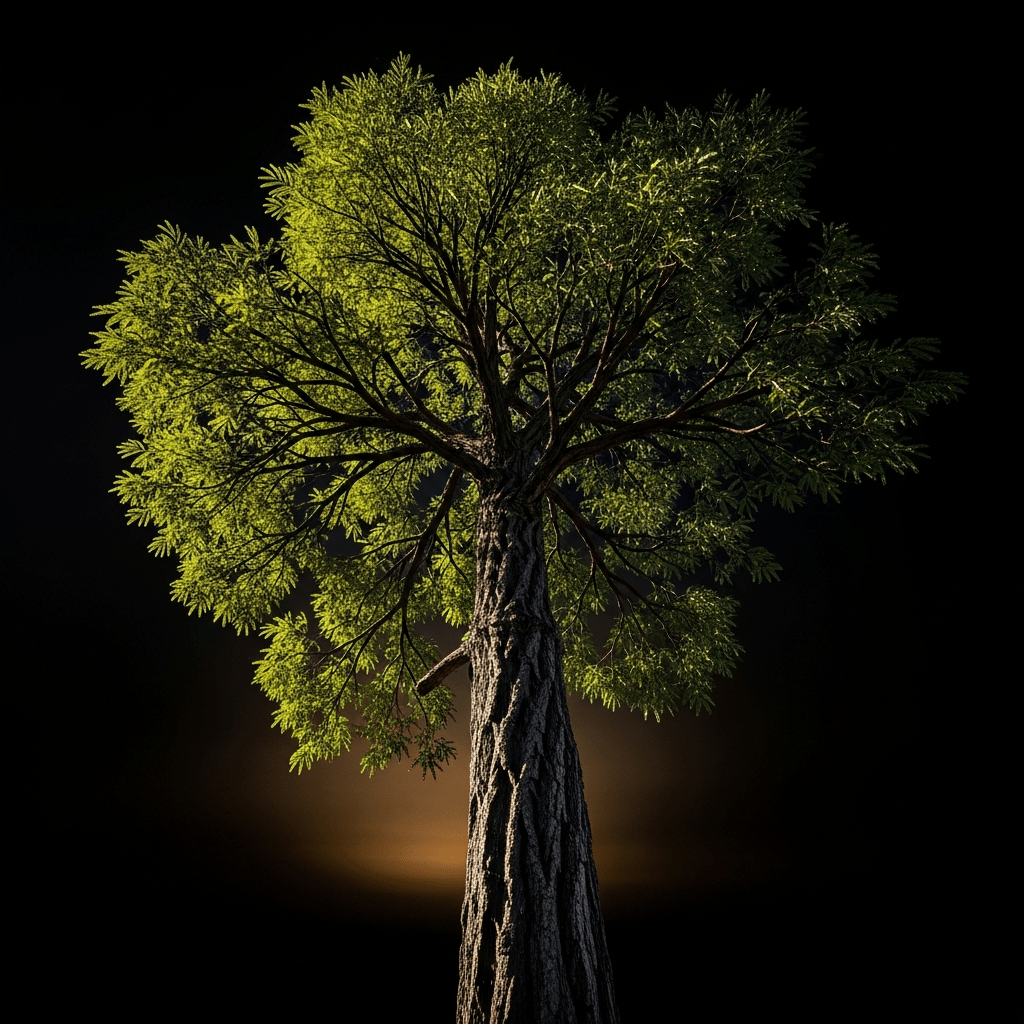
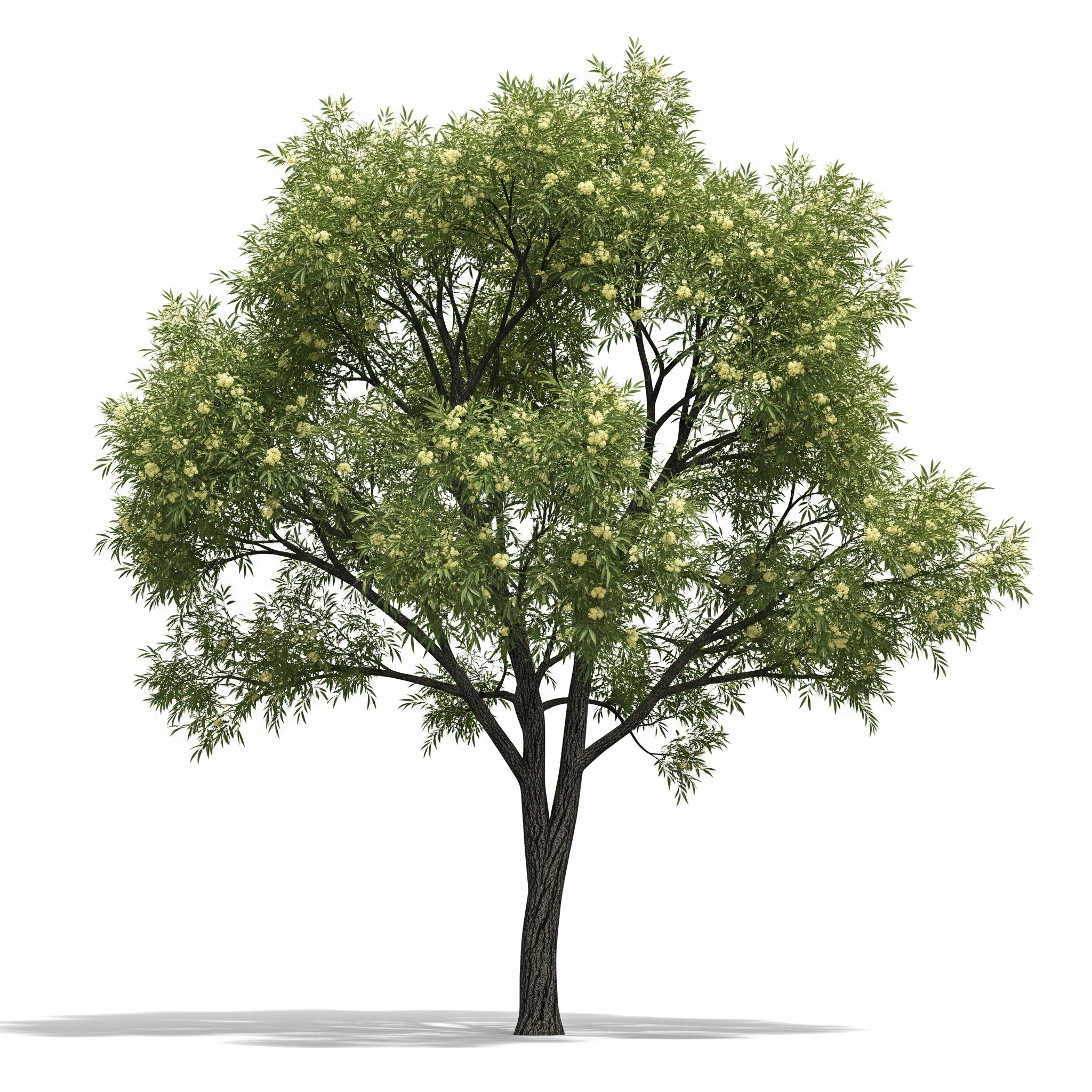
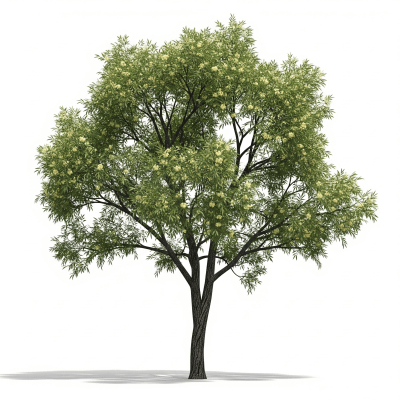
Acacia trees are distinguished by their graceful, feathery leaves—either bipinnate or transformed into phyllodes—and striking yellow or cream-colored flower clusters that can be globular or cylindrical. Heights range from modest shrubs to towering trees over 30 meters. Bark texture varies from smooth to deeply fissured, and many species bear spines or thorns. The overall form is often airy and light, with a single main trunk supporting a spreading canopy.
Acacias play a vital ecological role through rapid growth and nitrogen fixation, enriching soils and supporting diverse habitats. Many species are cultivated for timber, tannin extraction, ornamental landscaping, and shade. Some produce edible seeds and pods, while others are valued for honey production. Acacia wood is prized for its hardness and durability, making it a preferred material for furniture and construction.
Bring this kind into your world illustrated posters, mugs, and shirts.
Archival print, museum-grade paper
Buy Poster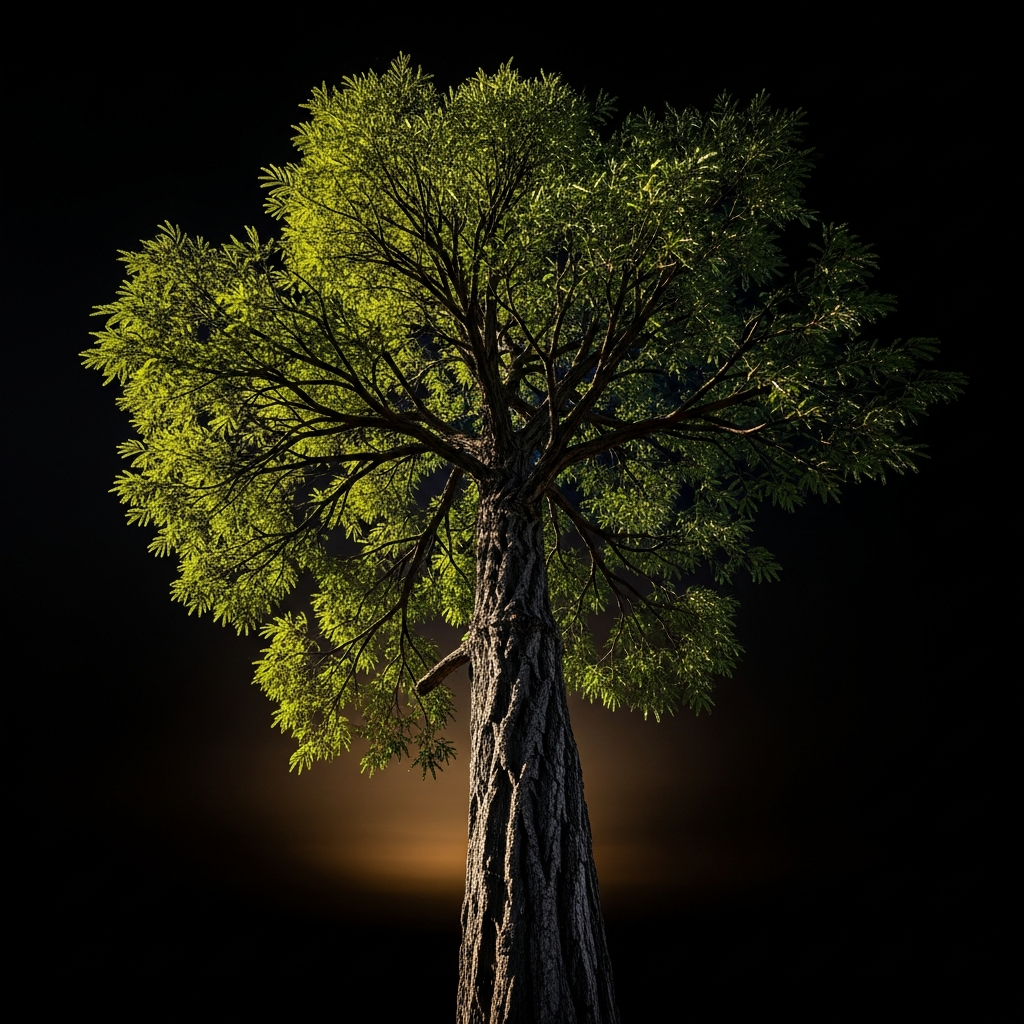
Stoneware mug, dishwasher safe
Buy Mug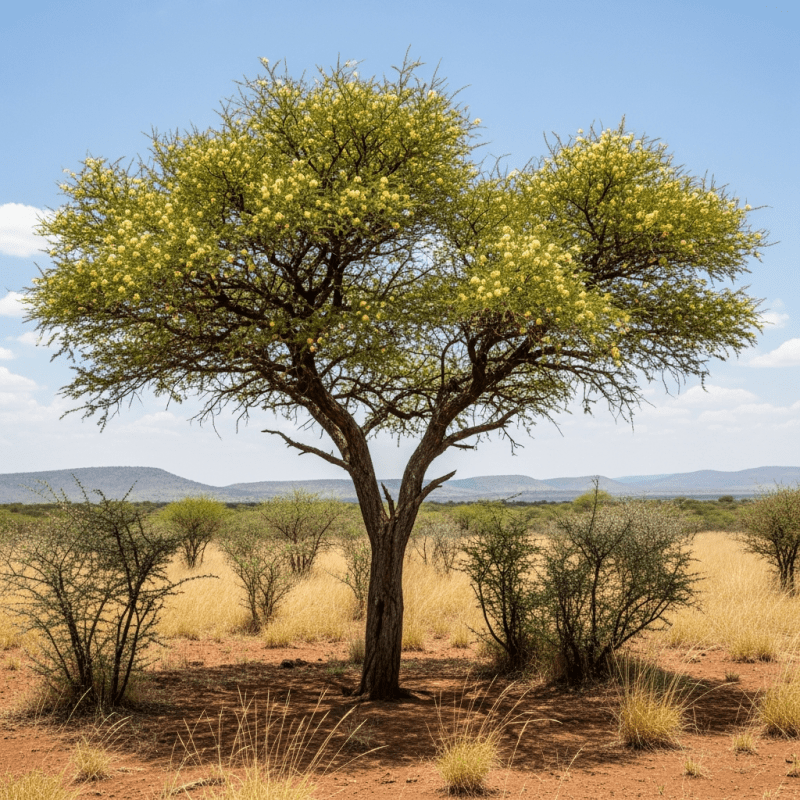
Soft cotton tee, unisex sizes
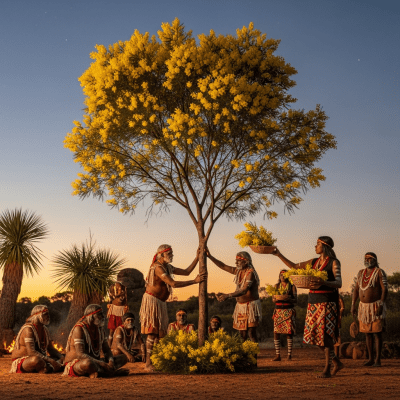
Buy ShirtAcacia holds a prominent place in various cultures. In Australia, "wattle" is a national symbol, celebrated during Wattle Day and featured on the country's coat of arms. In Africa and the Middle East, acacias are associated with ancient traditions, including uses in ritual and medicine. European references to "mimosa" often point to Acacia dealbata, admired for its fragrant blooms. Across continents, acacias evoke themes of resilience, renewal, and connection to the land.
Acacia trees are ecological keystones, enriching soils through nitrogen fixation and providing shelter and food for wildlife. Their flowers attract pollinators, while seeds and pods feed birds and mammals. In arid landscapes, acacias offer shade and stabilize soils, supporting biodiversity and ecosystem resilience. Some species also serve as pioneer plants, colonizing disturbed areas and facilitating succession.
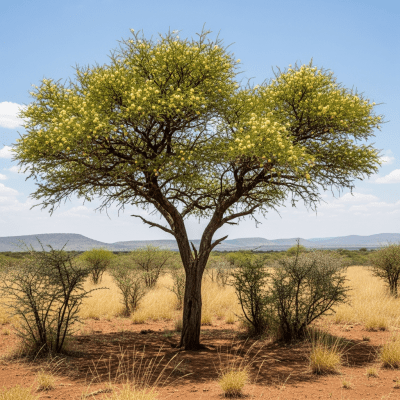
Acacia species are distributed across tropical and subtropical regions worldwide, with greatest diversity in Australia. They thrive in a range of habitats—from dry savannas and open woodlands to riverbanks and coastal areas. Some species are adapted to arid environments, while others prefer moist, well-drained soils. Acacias are also found in Africa, the Americas, and Asia, reflecting their adaptability and ecological breadth.
Acacias are generally easy to cultivate, favoring full sun and well-drained soils. They are drought-tolerant and grow rapidly, making them suitable for reforestation, landscaping, and erosion control. Propagation is typically by seed, which may require scarification to enhance germination. Regular pruning can help shape young trees, and monitoring for pests and diseases is advised, especially in non-native regions where some species can become invasive.
While many acacias are widespread and resilient, some species face threats from habitat loss, overharvesting, and invasive pests. Invasive acacias can disrupt local ecosystems outside their native range, prompting management efforts. Conservation status varies by species; ongoing taxonomic revisions complicate protection strategies. Restoration projects and seed banking help preserve genetic diversity and support threatened populations.
Acacia wood is highly valued for its strength and durability, used in furniture, flooring, and construction. Tannins extracted from bark are essential in leather production. Gum arabic, harvested from select species, is a key ingredient in food, beverages, and pharmaceuticals. Edible seeds and pods, known as "wattleseed" in Australia, are used in baking and traditional cuisine. Acacias also serve as shade trees, honey plants, and sources of medicinal compounds in various cultures.
Acacia symbolizes endurance, renewal, and spiritual connection in many traditions. In Australia, it is a national emblem, associated with unity and resilience. Ancient Egyptians revered acacia for its sacred wood, while in biblical lore, it is linked to the construction of the Ark of the Covenant. Folklore across Africa and Asia celebrates acacia as a tree of life and healing, reflecting its enduring presence in human history.