Ebony
Ebony is the name given to several tree species in the genus Diospyros, famed for their dense, jet-black heartwood that is highly prized in fine woodworking, musical instruments, and luxury ornamentation.
Ebony is the name given to several tree species in the genus Diospyros, famed for their dense, jet-black heartwood that is highly prized in fine woodworking, musical instruments, and luxury ornamentation.
Ebony trees originate from tropical regions, with their greatest diversity found in Africa, Asia, and the Indian subcontinent. The genus Diospyros was first scientifically described by Carl Linnaeus in 1753, and key species such as African ebony (Diospyros crassiflora) and Ceylon ebony (Diospyros ebenum) have been recognized in botanical literature since the 19th century. These trees are wild, not products of breeding or hybridization, and have been harvested for their wood for centuries.
Ebony belongs to the family Ebenaceae within the order Ericales. Its genus, Diospyros, includes both timber and fruit-bearing species. Ebony trees are classified as angiosperms (flowering plants) and are perennial, woody trees with a single main trunk and elevated canopy, fitting squarely within the botanical definition of trees.
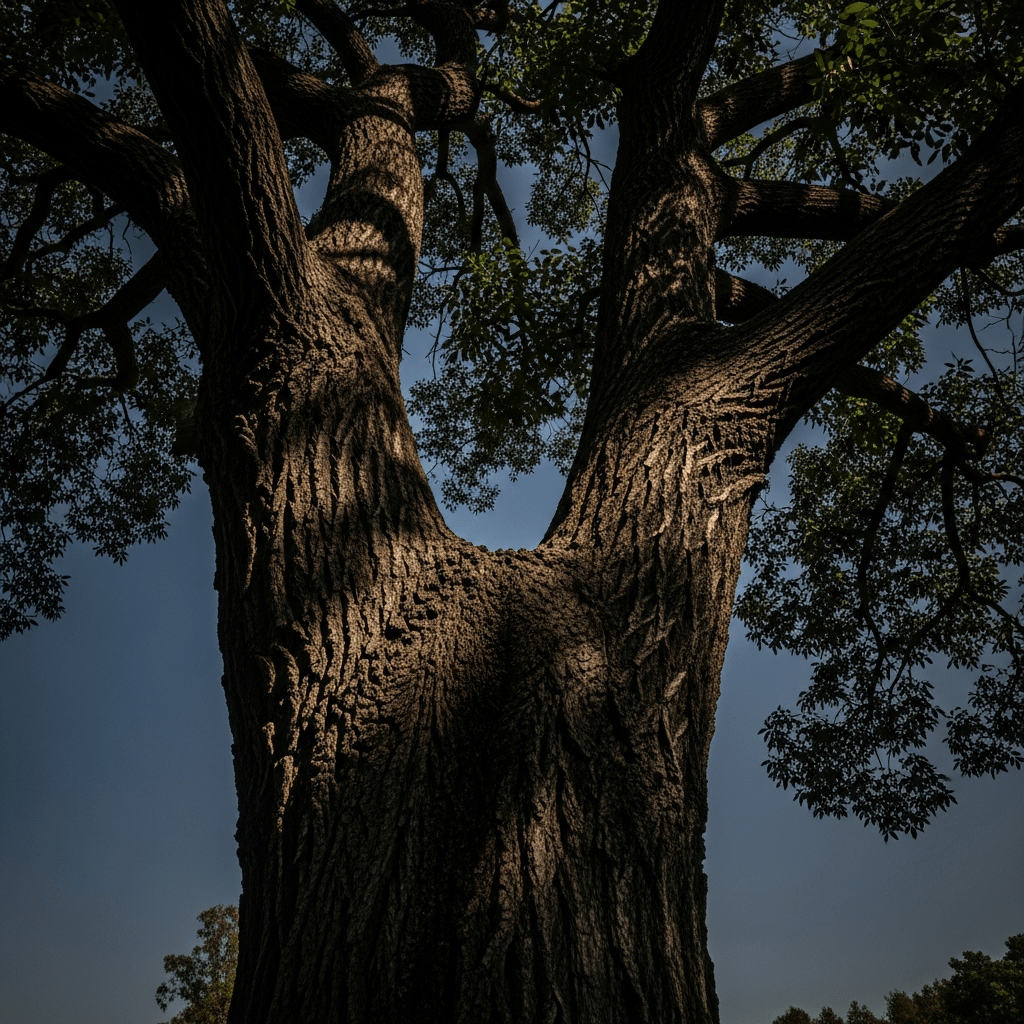
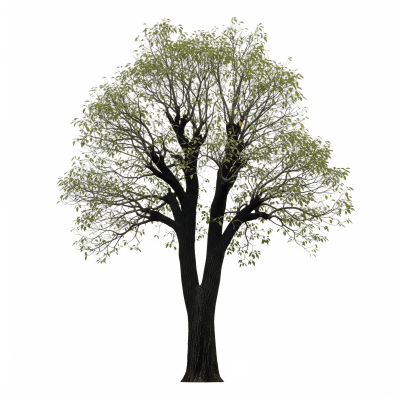
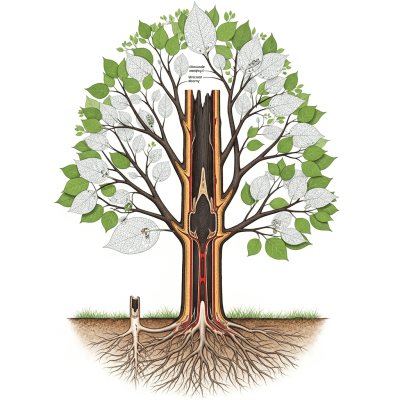
Ebony trees are medium to large evergreens, typically reaching heights of 15–30 meters. Their trunks are straight, with bark that ranges from smooth to slightly fissured. The leaves are simple, alternate, and leathery, contributing to a lush, dark green canopy. Flowers are small, white to pale yellow, and appear on separate male and female trees. The fruit is a berry, sometimes edible, but the most distinctive feature is the heartwood: jet-black or deep brown, extremely hard, heavy, and capable of taking a fine polish.
Ebony trees grow slowly and mature over decades, making their wood both rare and valuable. The heartwood is harvested for luxury goods such as piano keys, stringed instrument fingerboards, chess pieces, decorative carvings, and inlay work. Some species produce edible fruit, but the ebonies used for timber are not typically cultivated for food. Their natural durability against decay and insects makes the wood highly sought after, but slow regeneration and overharvesting have led to conservation concerns.
Bring this kind into your world illustrated posters, mugs, and shirts.

Archival print, museum-grade paper
Buy Poster
Stoneware mug, dishwasher safe
Buy Mug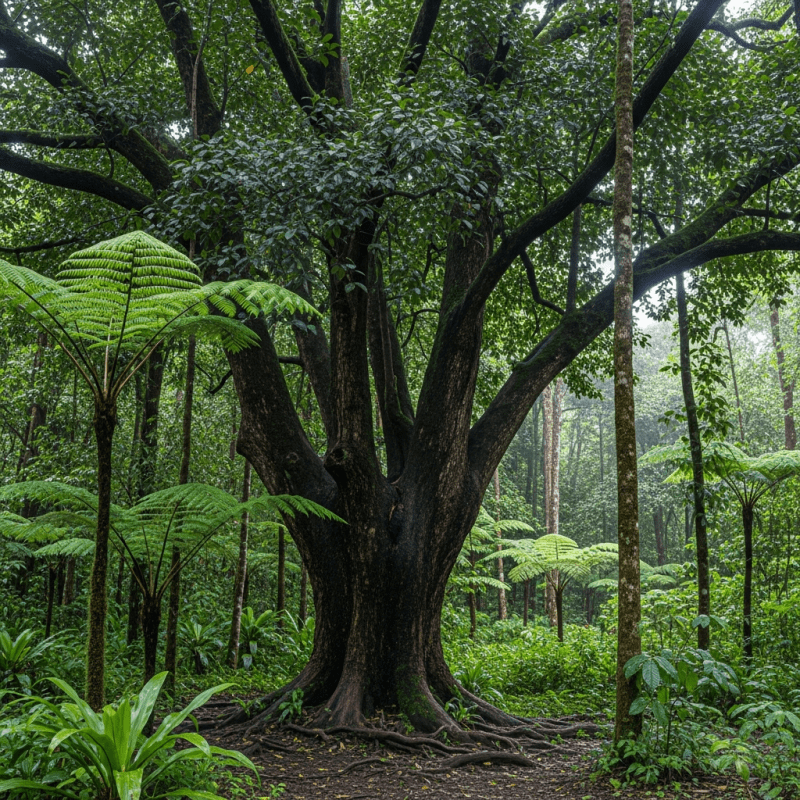
Soft cotton tee, unisex sizes
Buy ShirtEbony has long been a symbol of luxury, artistry, and status. Its deep black color and fine texture have made it a preferred material for religious artifacts, ceremonial objects, and high-end furniture across cultures. In music, ebony is essential for crafting piano keys and stringed instrument fingerboards, contributing to both the aesthetics and acoustics of these instruments. The wood’s rarity and beauty have elevated its status in art and craftsmanship worldwide.
Ebony trees play a vital role in tropical forest ecosystems. Their dense canopy provides shelter for wildlife, and their flowers and fruits support pollinators and fruit-eating animals. The slow growth and longevity of ebony contribute to forest stability, while the trees’ resistance to decay helps maintain habitat structure. However, overharvesting disrupts these ecological functions and threatens biodiversity in their native habitats.
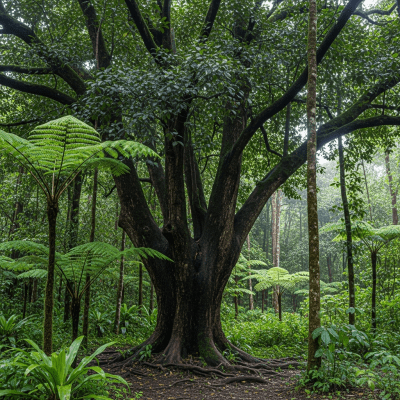

Ebony trees are distributed across tropical regions, especially in Africa, South and Southeast Asia, and the Indian subcontinent. They thrive in humid, lowland forests, often in well-drained soils. Some species are adapted to specific microhabitats, while others are more widespread, but all require stable forest environments to reach maturity.
Cultivating ebony is challenging due to its slow growth and poor seedling establishment. Successful propagation typically relies on seeds, which require moist, shaded conditions to germinate. Young trees need protection from logging and disturbance, and mature specimens may take decades to reach harvestable size. Sustainable management includes selective harvesting, enrichment planting, and habitat protection to ensure regeneration and long-term viability.
Major threats to ebony include overharvesting for timber, habitat loss due to deforestation, and low natural regeneration rates. Many species are subject to trade restrictions and conservation measures to prevent further decline. Protection efforts focus on sustainable forestry practices, legal regulation of trade, and preservation of native habitats to safeguard wild populations for future generations.
Ebony wood is synonymous with luxury and craftsmanship. It is used for piano keys, fingerboards on stringed instruments, chess pieces, decorative carvings, inlay work, and high-end furniture. Its density and polishability make it ideal for items requiring durability and aesthetic appeal. While some Diospyros species produce edible fruit, timber ebonies are rarely cultivated for food. The scarcity and high demand have led to strict market controls and conservation initiatives.
Throughout history, ebony has symbolized elegance, mystery, and power. Its deep black hue is associated with protection and prestige in many cultures. Ebony objects have adorned temples, palaces, and ceremonial spaces, and the wood is often linked to stories of royalty and artistry. In folklore, ebony is sometimes believed to ward off evil or bring good fortune, further enhancing its allure.