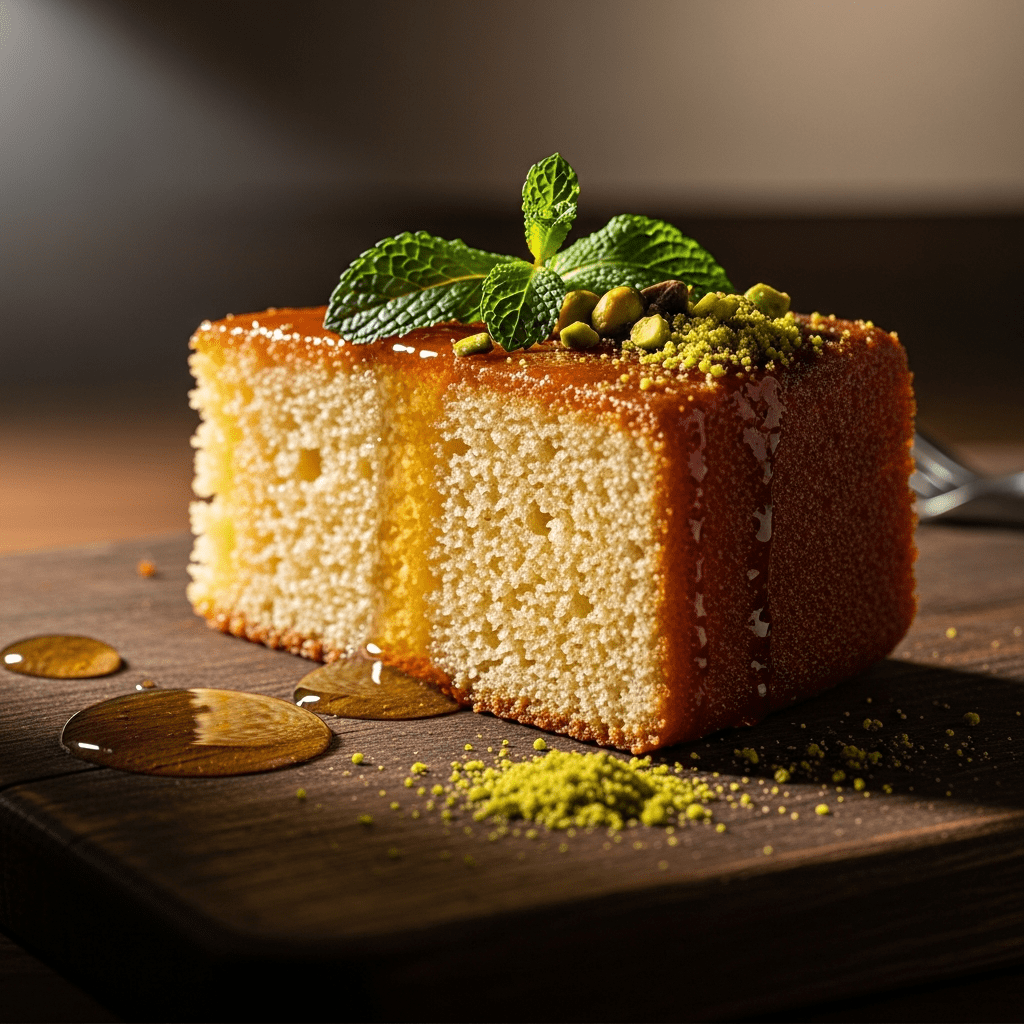
Revani
Revani is a syrup-soaked semolina cake known for its light, grainy texture and sweet citrus-infused syrup, cherished across Turkish, Greek, and Eastern Mediterranean cuisines.
Revani is a syrup-soaked semolina cake known for its light, grainy texture and sweet citrus-infused syrup, cherished across Turkish, Greek, and Eastern Mediterranean cuisines.
Originating during the Ottoman Empire era, Revani has become a traditional dessert in Turkey, Greece, and neighboring Eastern Mediterranean regions. Its name likely stems from Turkish or Persian roots, reflecting the cake's signature flowing syrup, though its precise inventor remains unknown.
Revani belongs to the semolina cake family, a subset of cakes characterized by the use of semolina flour that imparts a distinct grainy texture. It is a single-layer, syrup-soaked cake, fitting within the broader category of sweet, baked desserts typical of Mediterranean and Middle Eastern culinary traditions.
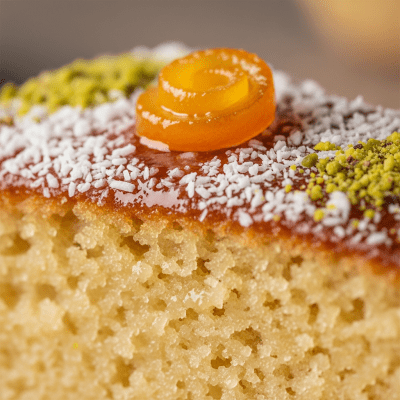
Typically baked in rectangular, diamond, or round shapes, Revani presents as a single-layer cake with a moist, slightly grainy crumb. After baking, it is soaked in a fragrant syrup that often features citrus zest and floral essences. Common decorations include grated coconut, ground pistachios, or almonds, adding visual appeal and texture contrast.
Revani is enjoyed primarily as a dessert, served after meals or during festive occasions such as Ramadan and Easter. Its syrup-soaked nature allows it to remain moist at room temperature, making it suitable for home, bakery, and restaurant settings. It is often paired with tea or coffee and garnished with nuts or coconut for added flavor and texture.
Bring this kind into your world illustrated posters, mugs, and shirts.
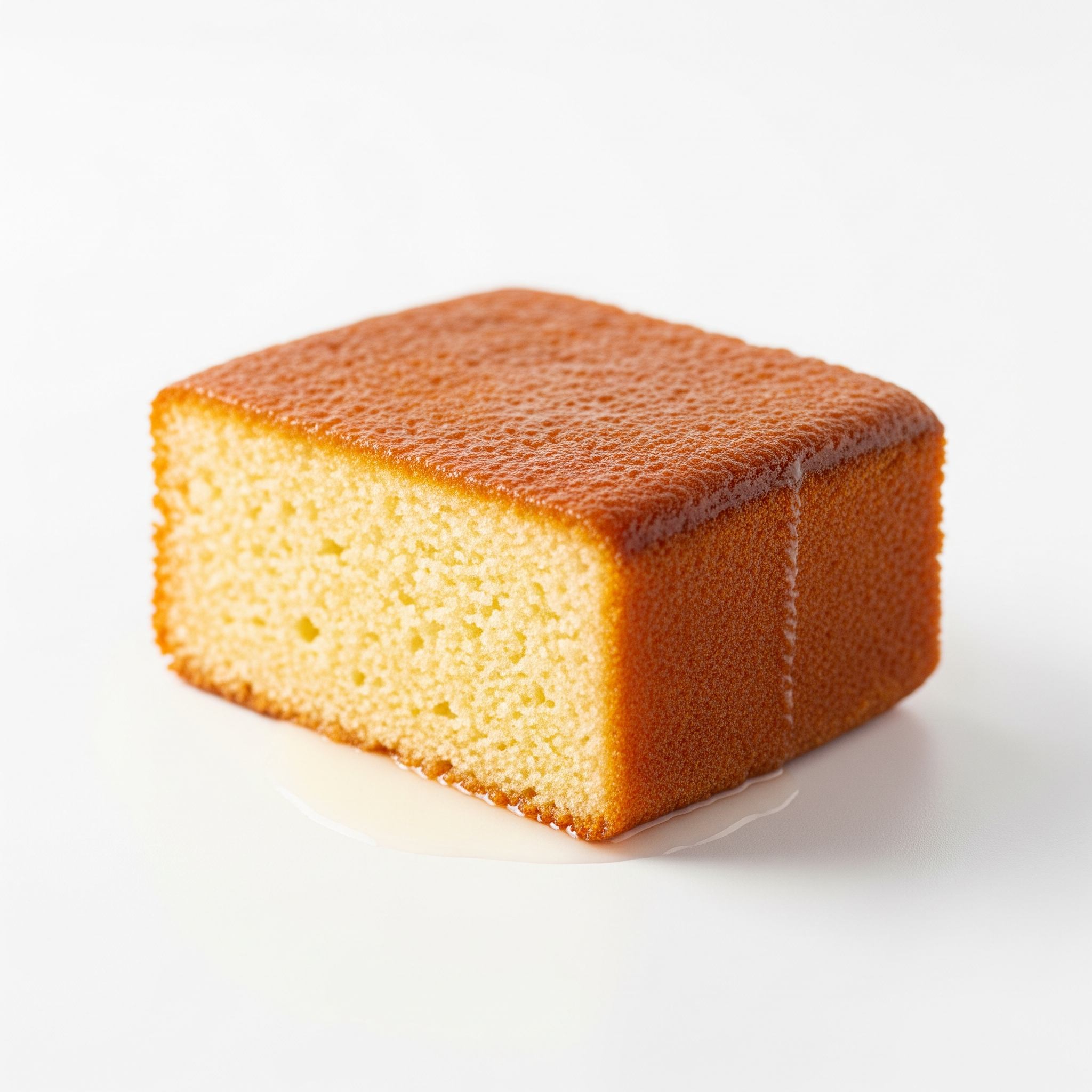
Archival print, museum-grade paper
Buy Poster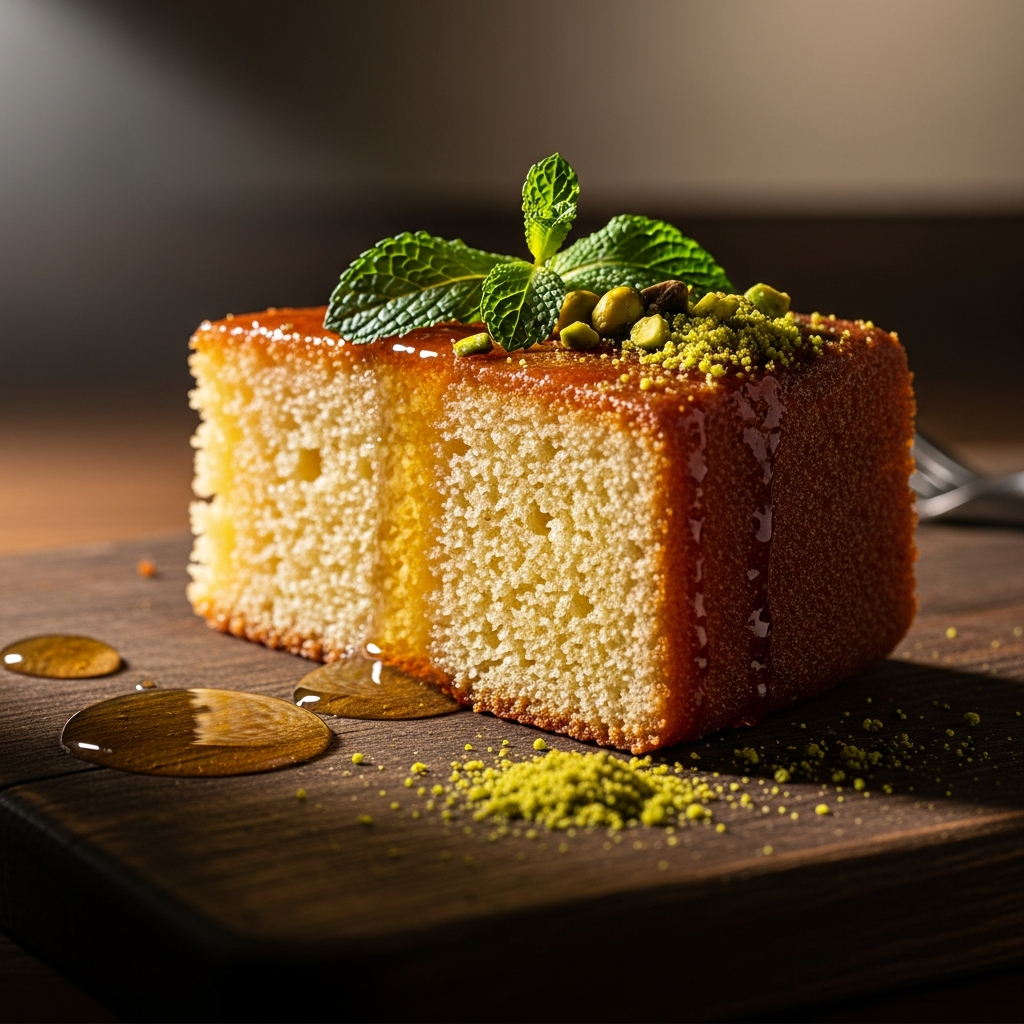
Stoneware mug, dishwasher safe
Buy Mug
Soft cotton tee, unisex sizes
Buy ShirtEmbedded in the culinary heritage of the Eastern Mediterranean, Revani is more than a dessert; it symbolizes hospitality and celebration. It features prominently in religious and cultural festivities, reflecting centuries of Ottoman influence and regional adaptation. Its enduring popularity underscores its role as a shared cultural touchstone across Turkey, Greece, and the Balkans.
Revani’s character is defined by key ingredients including semolina flour, eggs, sugar, yogurt, wheat flour, and baking powder. The syrup often incorporates lemon zest, orange zest, rose water, or orange blossom water to infuse aromatic sweetness.
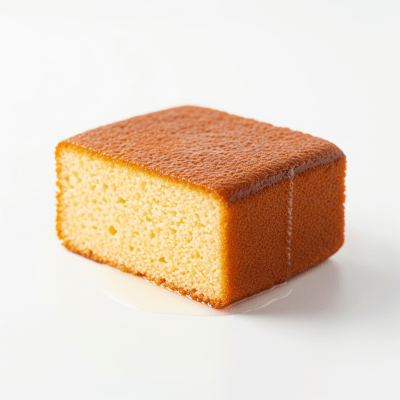

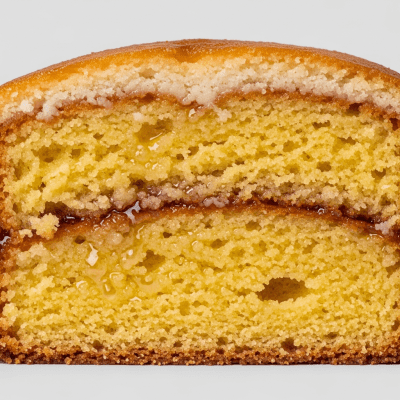


Preparation involves baking a batter made from semolina, eggs, yogurt, and leavening agents until golden and set. Once baked, the cake is immediately soaked with a hot, flavored sugar syrup, allowing it to absorb moisture and develop its signature sweet, citrusy finish.
Revani features a moist and slightly grainy texture due to semolina, balanced by the softness from yogurt and eggs. The syrup imparts sweet citrus and floral notes, creating a harmonious blend of richness and brightness in every bite.
Contains gluten: Yes, from semolina and wheat flour.
Contains dairy: Yes, primarily from yogurt.
Contains eggs: Yes.
Contains soy: No.
Dietary variants: Gluten-free and vegan adaptations exist but are not traditional.
Notable regional variants of Revani include:
Revani is commonly cut into rectangular or diamond shapes and garnished with toppings such as grated coconut, ground pistachios, or almonds. These decorations enhance both its visual appeal and texture, making it inviting for festive tables and everyday enjoyment alike.