Pound Cake
Pound cake is a classic butter cake known for its dense, rich texture and a simple, equal-weight ratio of flour, butter, sugar, and eggs.
Pound cake is a classic butter cake known for its dense, rich texture and a simple, equal-weight ratio of flour, butter, sugar, and eggs.
Originating in Northern Europe during the early 18th century, pound cake’s name reflects its original recipe calling for one pound each of flour, butter, sugar, and eggs. It emerged in England and spread across Europe and North America, evolving through communal baking traditions rather than a single inventor. Regional adaptations like the French quatre-quarts and British Madeira cake highlight its diverse heritage.
Pound cake belongs to the butter cake family, characterized by a rich batter made primarily from butter and eggs. It is distinguished from other cake types by its dense crumb and straightforward ingredient proportions, placing it firmly within classic European-style butter cakes.
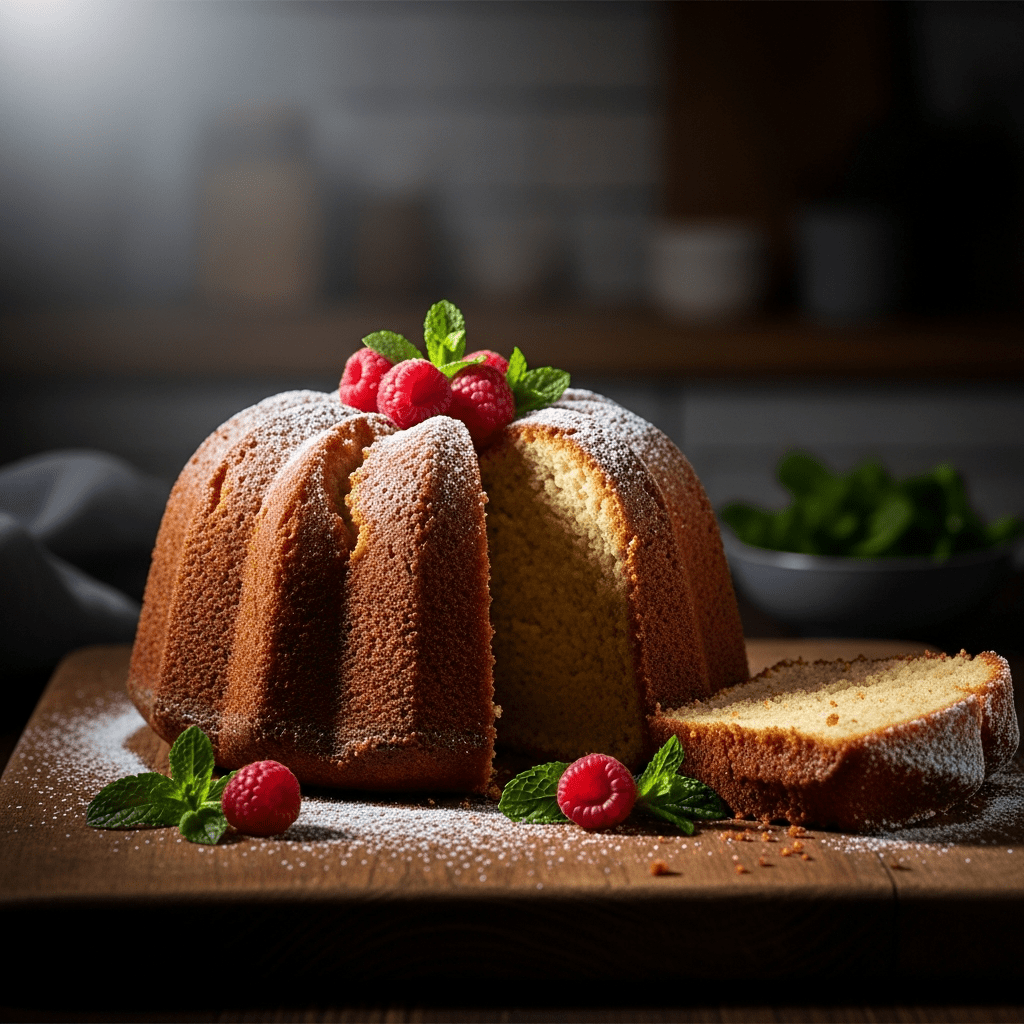
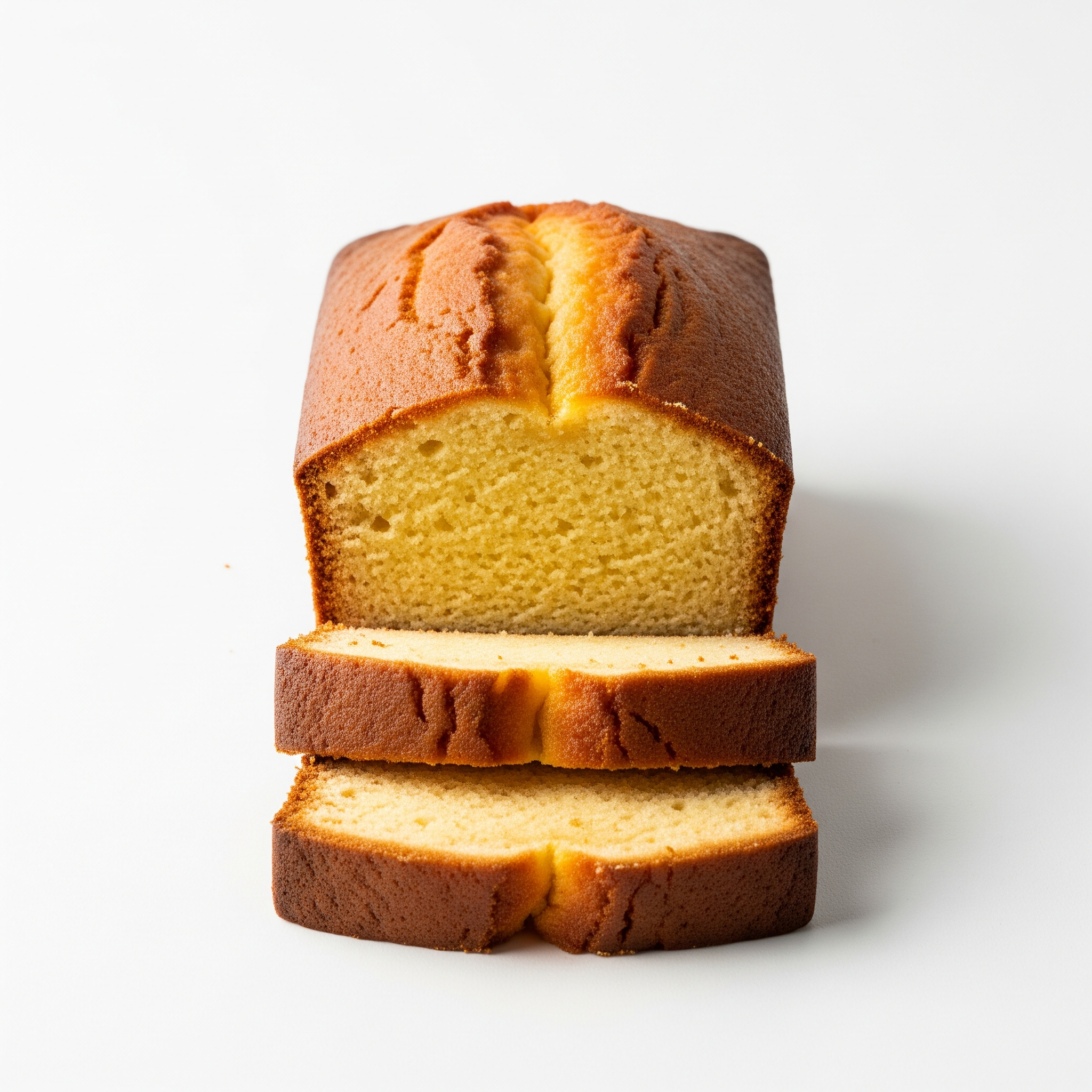
Typically baked in loaf or bundt pans, pound cake forms a single-layer cake with a golden-brown crust and pale, fine crumb inside. Its shape is usually rectangular or ring-shaped, and it often features a smooth, even surface that may be dusted or glazed.
Pound cake is versatile in use, enjoyed plain or adorned with powdered sugar, glazes, fruit, or whipped cream. It serves as a tea cake, dessert, or snack and is popular at holidays, family gatherings, and celebrations. Its sturdy texture also makes it ideal for layered desserts, trifles, or toasting and grilling.
Bring this kind into your world illustrated posters, mugs, and shirts.
Archival print, museum-grade paper
Buy Poster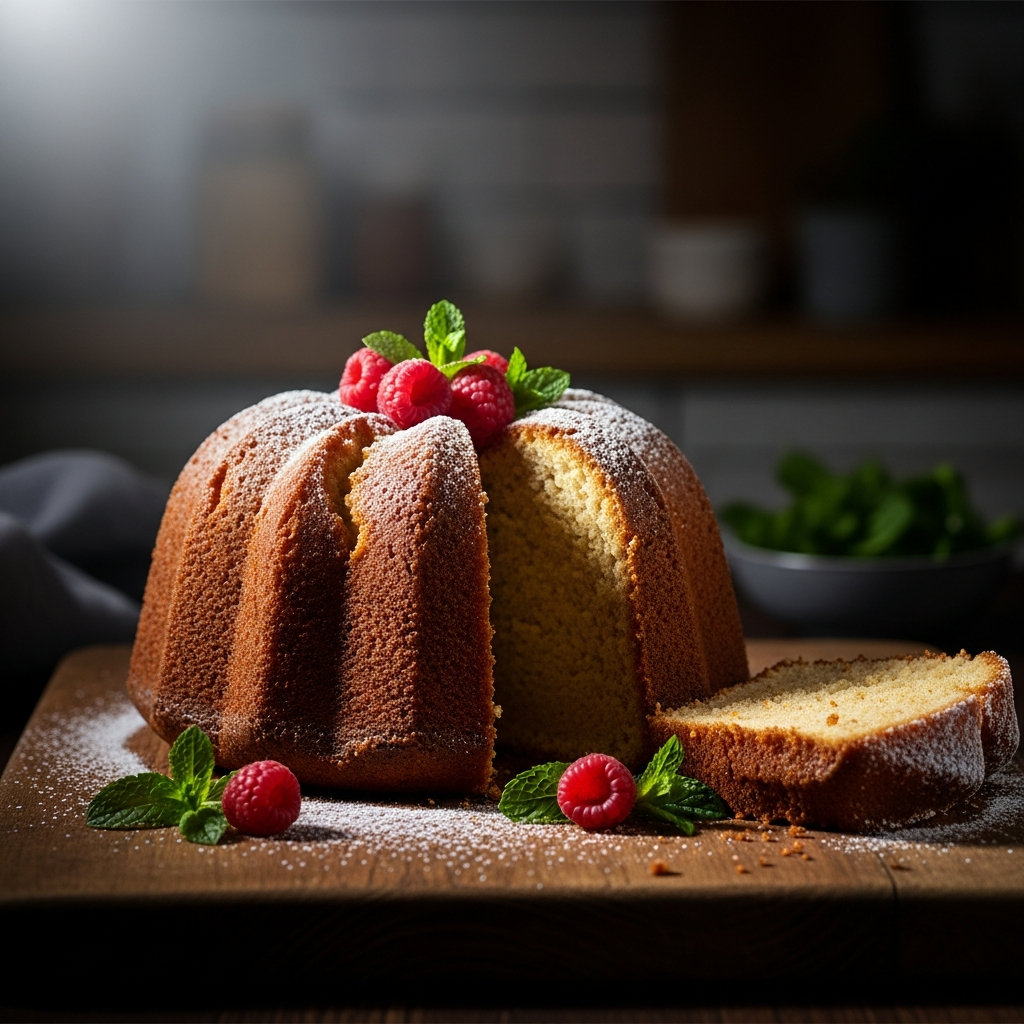
Stoneware mug, dishwasher safe
Buy Mug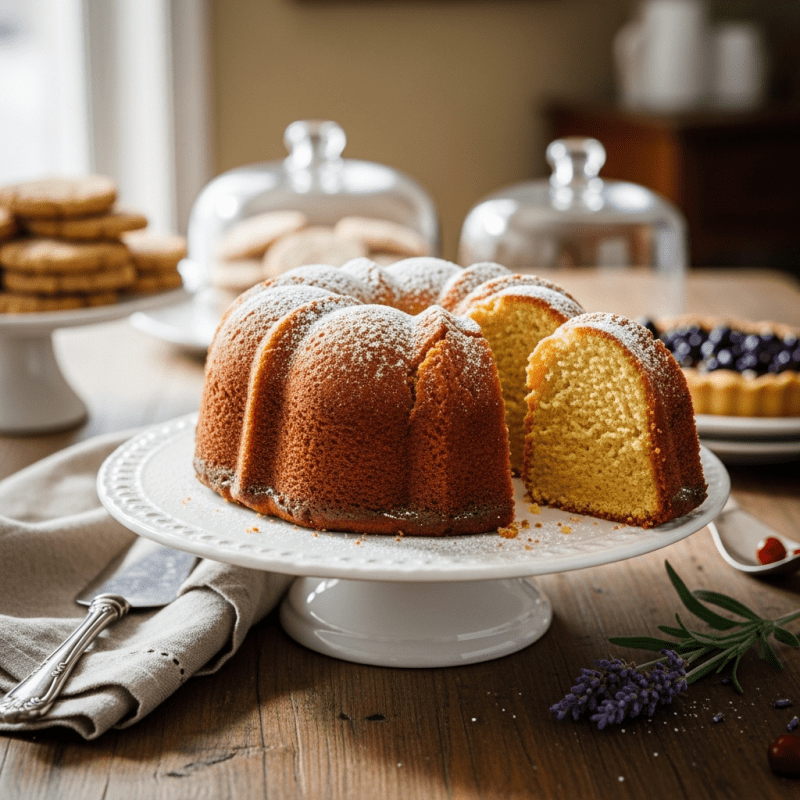
Soft cotton tee, unisex sizes
Buy ShirtDeeply rooted in culinary traditions, pound cake is a staple in many cultures, especially in the American South where it features prominently at social events and funerals. Its enduring presence in home baking and commercial markets underscores its cultural importance as a comforting, celebratory treat.
Key ingredients defining pound cake include wheat flour, unsalted butter, granulated sugar, and whole eggs, all traditionally used in equal weights.
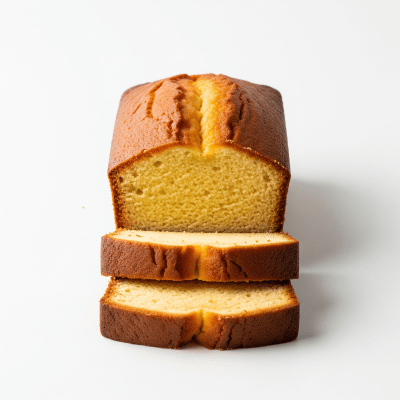
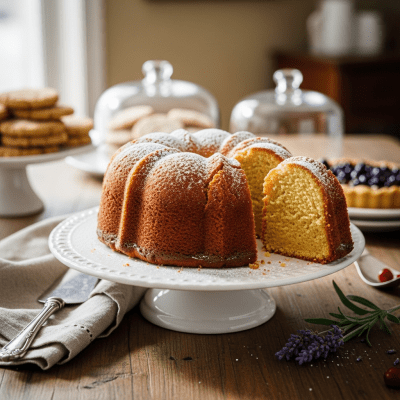
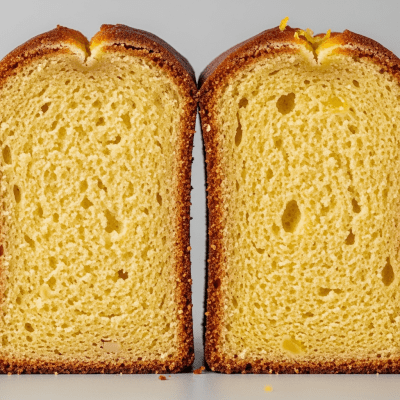



Pound cake is typically prepared by creaming butter and sugar, then incorporating eggs and flour to form a dense batter. It is baked at moderate temperatures in loaf or bundt pans until firm with a golden crust.
Pound cake features a dense, rich texture with a fine, pale crumb and a golden-brown crust. Flavor notes often include vanilla, lemon zest, or almond extract, contributing subtle aromatic complexity.
Traditional pound cake contains gluten, dairy, and eggs, making it unsuitable for those with related allergies. It typically does not contain soy. Common dietary variants include gluten-free and flourless versions to accommodate special diets.
Pound cake is commonly presented plain or dusted with powdered sugar. It may also be glazed or topped with fresh fruit and whipped cream for added elegance. Its simple, sturdy form lends itself well to slicing and serving alongside tea or coffee.