Lamington
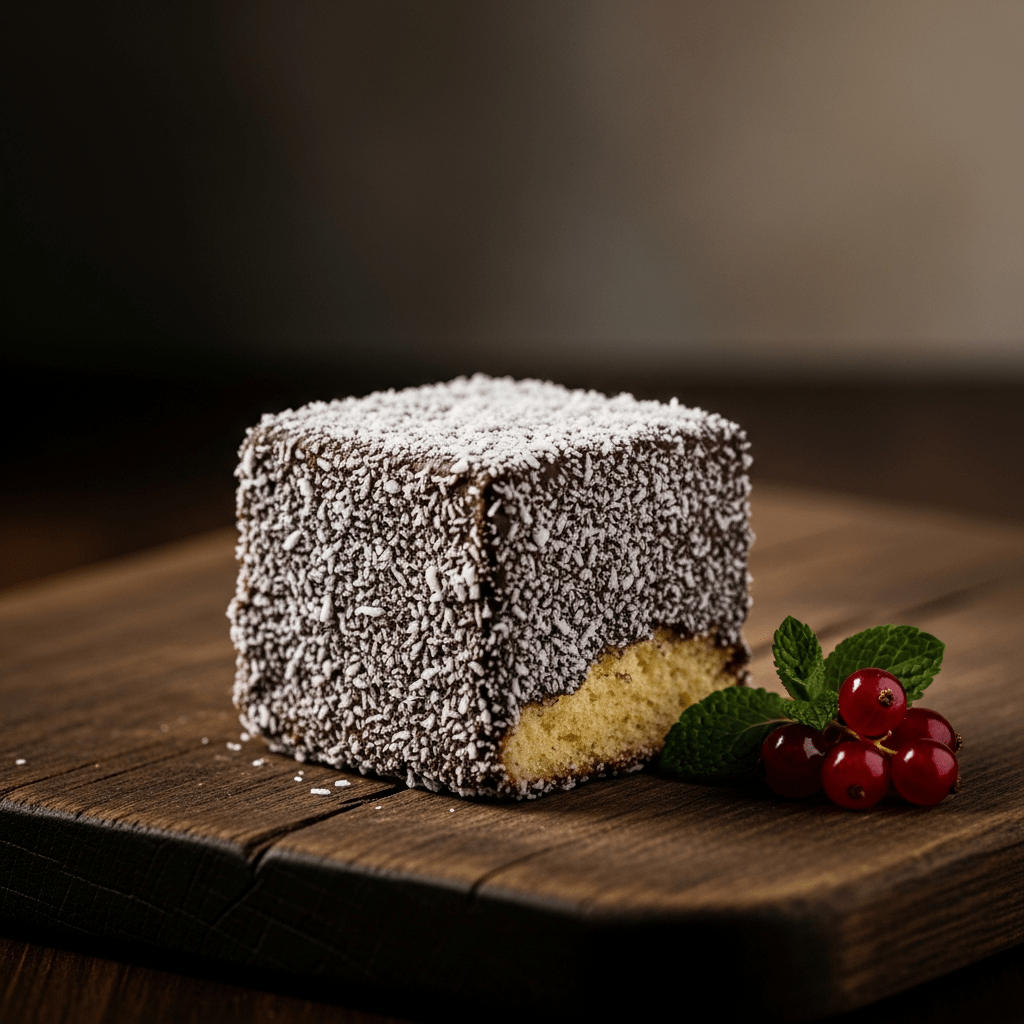
The lamington is a classic Australian sponge cake, cut into squares, coated in chocolate icing, and rolled in desiccated coconut, often enjoyed with a layer of jam or cream.
The lamington is a classic Australian sponge cake, cut into squares, coated in chocolate icing, and rolled in desiccated coconut, often enjoyed with a layer of jam or cream.
Originating in Australia around the turn of the 20th century, the lamington is closely linked to Lord Lamington, Governor of Queensland from 1896 to 1901. It is believed to have been created by his chef, Armand Galland, either as a clever way to repurpose stale sponge cake or as a convenient treat for guests. Though the exact circumstances remain somewhat unclear, its strong association with Queensland and Australian culture is well established.
Classified as a sponge cake, the lamington belongs to the family of light, airy cakes made primarily with flour, eggs, sugar, and leavening agents. Its defining feature is the chocolate and coconut coating, which sets it apart within the broader sponge cake category.
Lamingtons are typically square or rectangular pieces of sponge cake, about 4 to 5 centimeters per side. Each piece is dipped in a thin layer of chocolate icing and then rolled in desiccated coconut, giving the exterior a slightly textured, snowy appearance. Some versions feature a layer of jam or cream sandwiched between two halves, adding visual and textural contrast.
Lamingtons serve as popular snack cakes and are commonly enjoyed at afternoon teas, school fetes, and community fundraisers known as lamington drives. They are widely available in Australian bakeries and supermarkets and are often served during national celebrations such as Australia Day, reflecting their role as a beloved everyday treat and cultural icon.
Bring this kind into your world illustrated posters, mugs, and shirts.
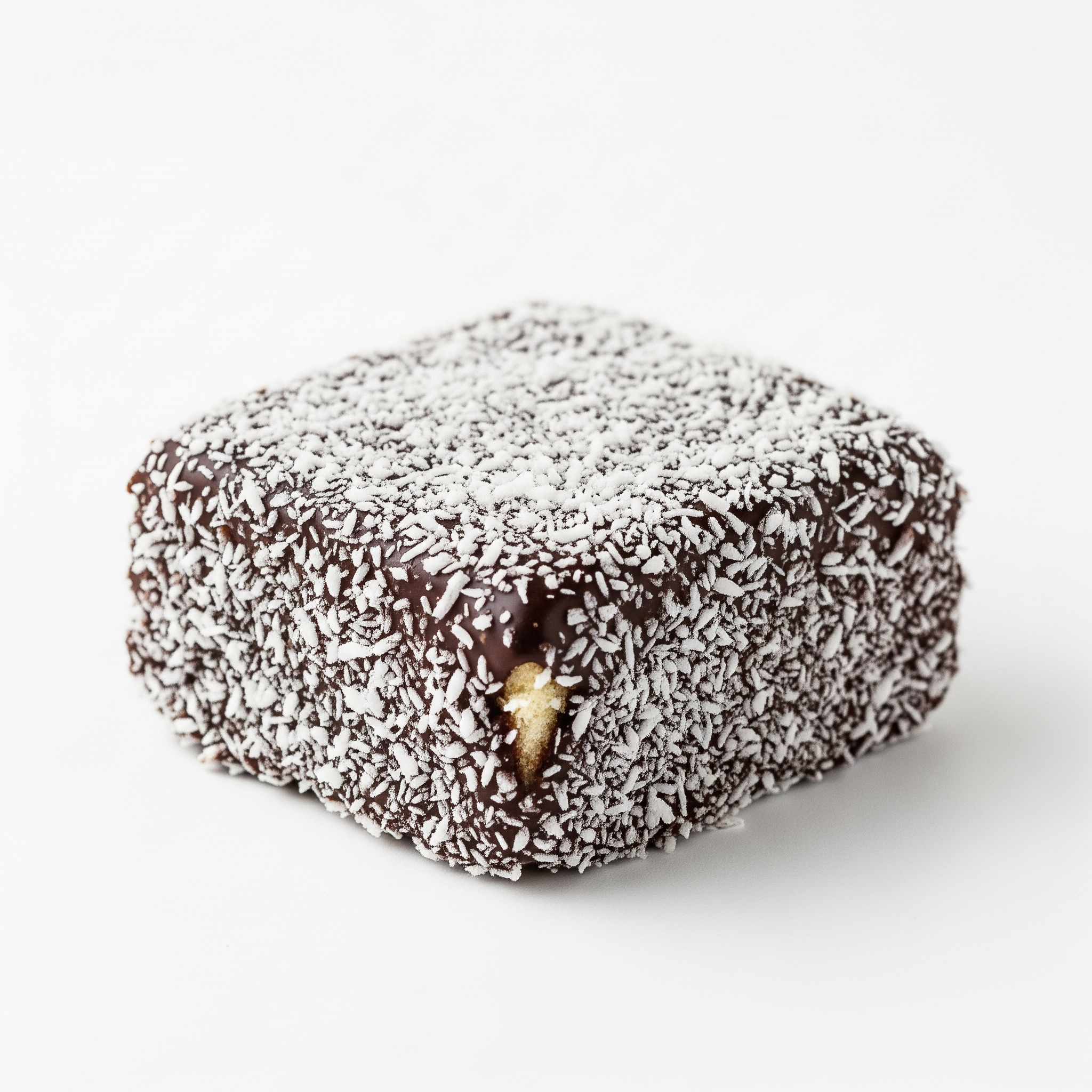
Archival print, museum-grade paper
Buy Poster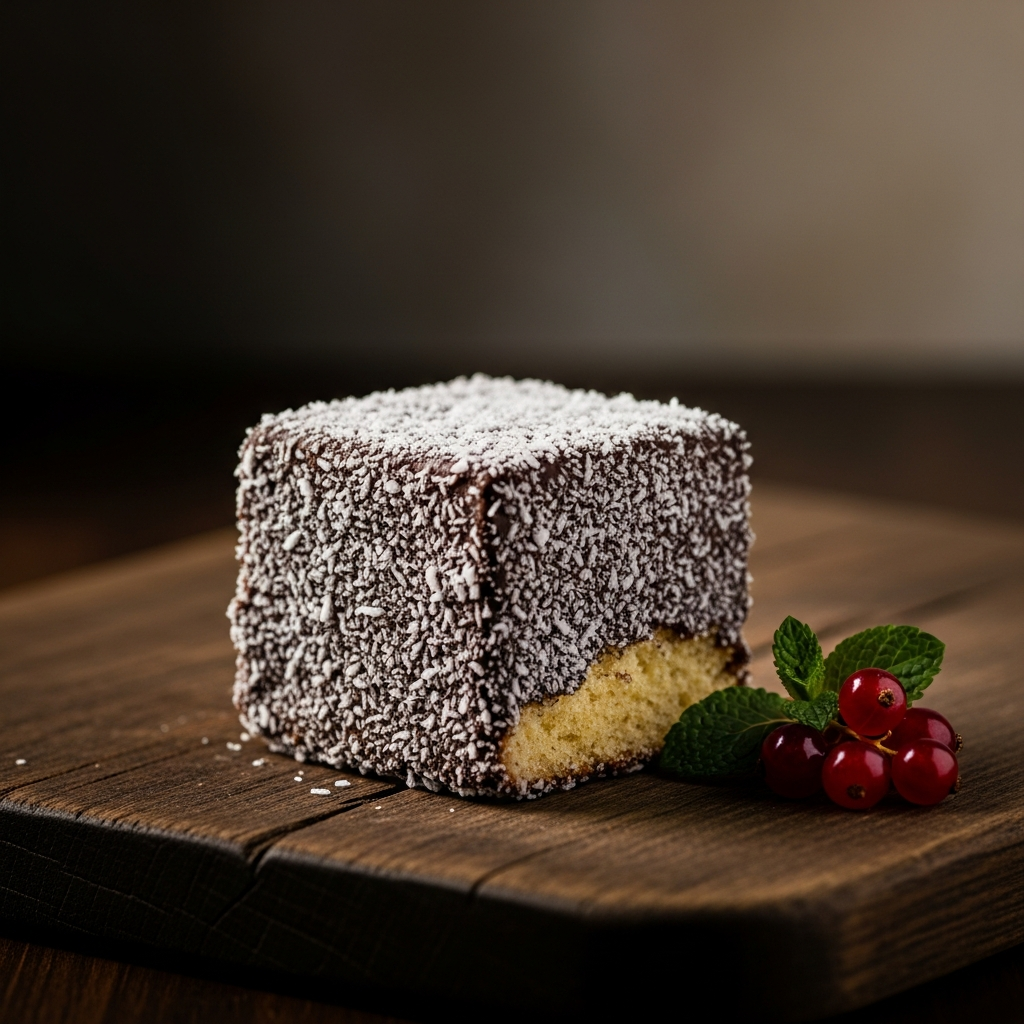
Stoneware mug, dishwasher safe
Buy Mug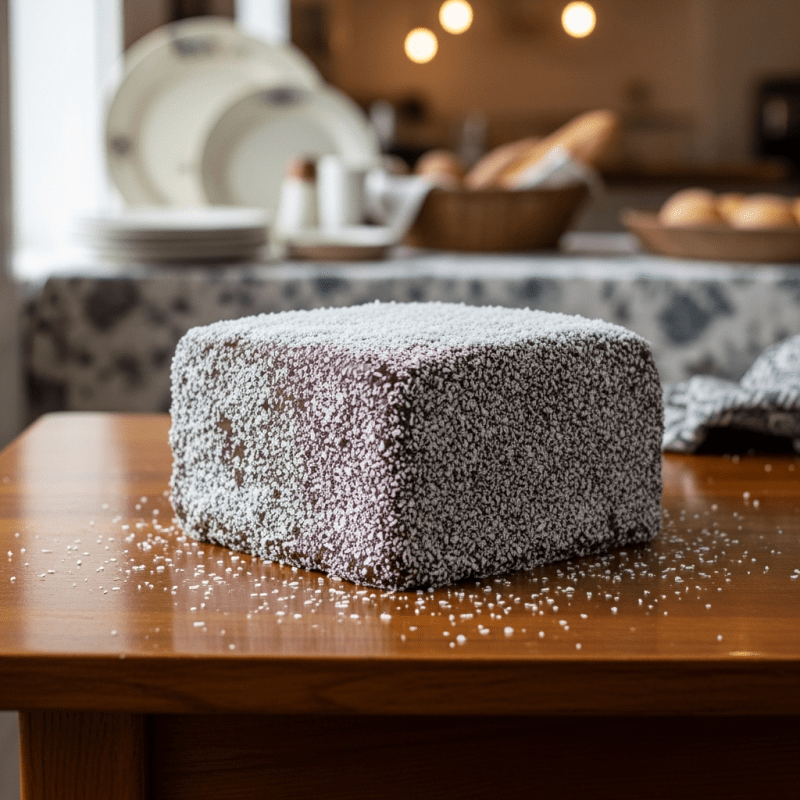
Soft cotton tee, unisex sizes
Buy ShirtThe lamington holds a special place in Australian culinary heritage, symbolizing home baking and community spirit. Its presence at fundraisers and social gatherings underscores its role beyond mere dessert, acting as a vehicle for charity and cultural identity. The cake’s association with Lord Lamington and Queensland adds historical depth to its cultural narrative.
Primary ingredients: flour, sugar, eggs, butter, baking powder, milk, cocoa powder, and desiccated coconut.
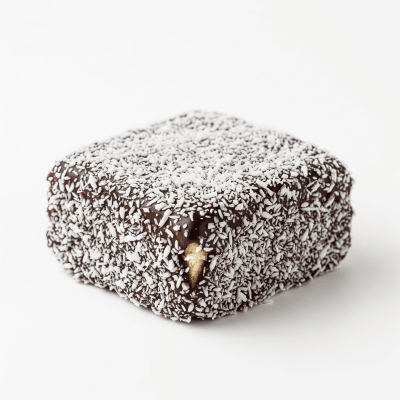
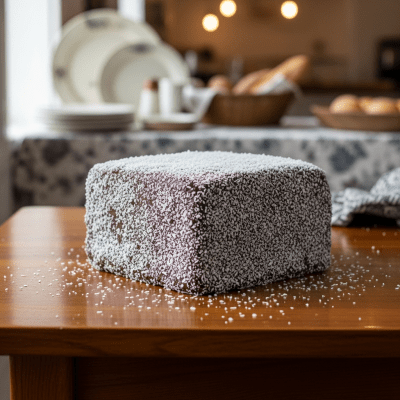
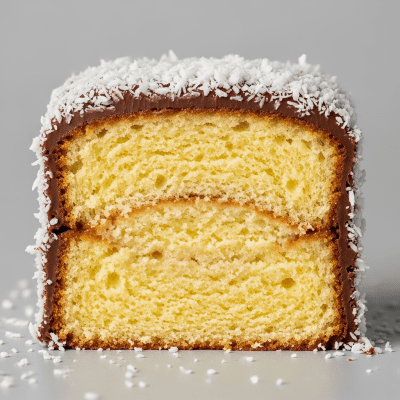

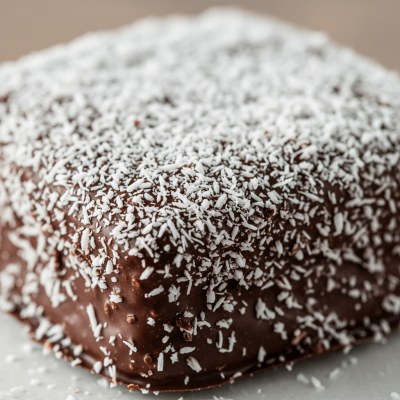
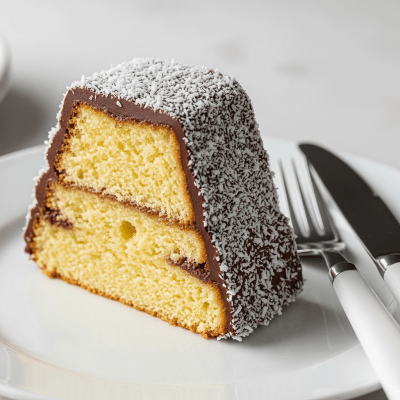
Lamingtons are prepared by baking a light sponge cake, cutting it into squares, dipping each piece in a thin chocolate icing or syrup, and then rolling it in desiccated coconut. Some recipes include sandwiching jam or cream between two sponge pieces before coating.
The lamington features a soft and moist interior sponge contrasted by a slightly textured, sweet exterior from the coconut and chocolate coating. When jam or cream is included, it adds a pleasant fruity or creamy sweetness that complements the rich chocolate flavor.
Lamingtons typically contain gluten (from wheat flour), dairy (butter and milk), and eggs, making them unsuitable for those with allergies to these ingredients. Coconut is also a key component, which may be allergenic for some. There are no common soy ingredients in traditional recipes, and dietary variants such as gluten-free or vegan versions are uncommon but possible.
In New Zealand, lamingtons are also popular but may feature slight differences in recipe or presentation, such as variations in the chocolate coating or inclusion of different fillings. These regional nuances reflect local tastes while maintaining the cake’s iconic character.
Lamingtons are most commonly presented as small square or rectangular pieces coated evenly in chocolate icing and rolled in desiccated coconut, giving them a snowy, textured exterior. When served, they may be arranged simply on plates or trays, often alongside tea or coffee, with some versions featuring a visible layer of jam or cream inside for added visual appeal.