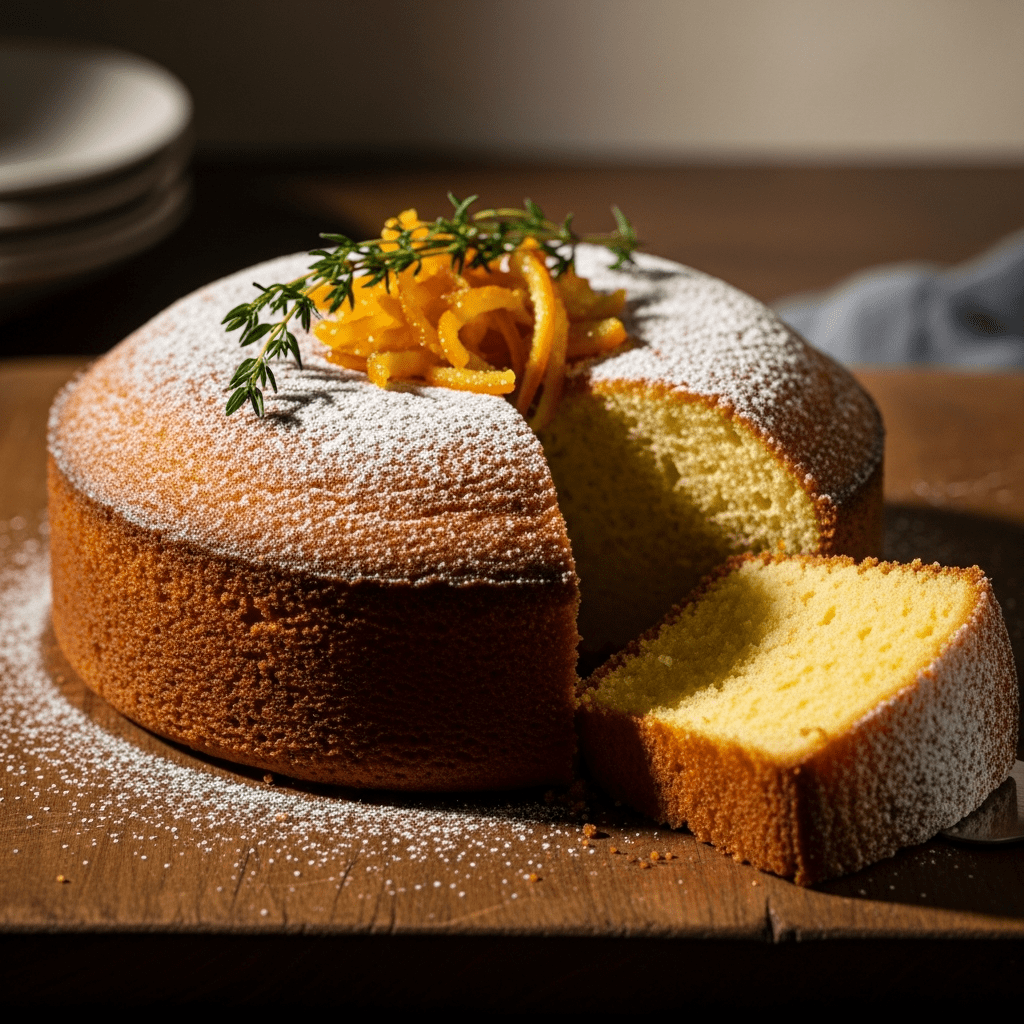
Butter Cake
Butter cake is a classic cake family defined by its rich, tender crumb created through creaming butter and sugar, combined with eggs, flour, and chemical leaveners to produce a moist and versatile dessert base.
Butter cake is a classic cake family defined by its rich, tender crumb created through creaming butter and sugar, combined with eggs, flour, and chemical leaveners to produce a moist and versatile dessert base.
Originating in Europe during the 18th and 19th centuries, butter cake emerged alongside advances in milling and dairy production that made refined flour and butter widely accessible. Its rise was closely tied to the introduction of chemical leavening agents, which replaced yeast and enabled lighter, more tender textures. Over time, butter cake recipes spread through British, French, and American cookbooks, becoming a staple in both home and commercial baking.
Butter cake belongs to the broader category of cakes characterized by the use of creamed butter and sugar as the foundational step. It is distinct from sponge cakes, which rely on whipped eggs for leavening, and from pound cakes, which are a related but more strictly proportioned subtype. Butter cake serves as a foundational family within Western baking traditions, encompassing varieties such as yellow cake and white cake.
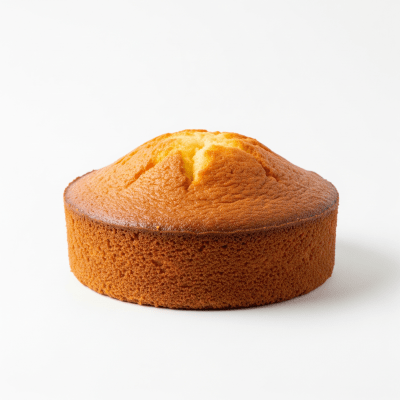
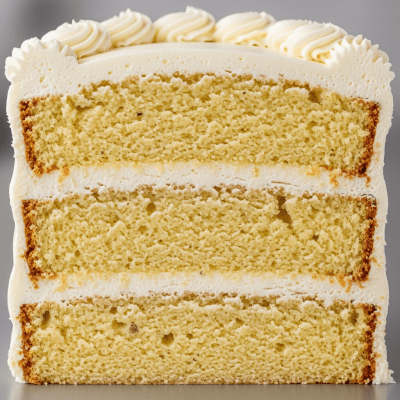
Typically baked in round, square, or loaf pans, butter cakes can be single-layered or multi-layered. They feature a golden exterior with a moist, tender, and fine crumb inside. Their form is adaptable, often shaped to suit occasions, and they present a smooth surface ideal for various frostings and decorations.
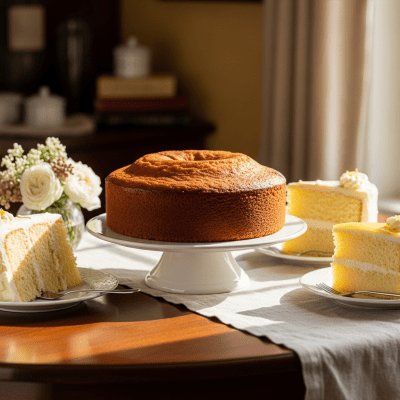
Butter cake functions as a versatile base for many celebration cakes, including birthdays, weddings, and holidays. Its neutral flavor and tender texture make it ideal for layering with fillings like buttercream, ganache, or fruit preserves. It is widely baked both commercially and at home, prized for its adaptability to diverse flavorings and decorations.
Bring this kind into your world illustrated posters, mugs, and shirts.
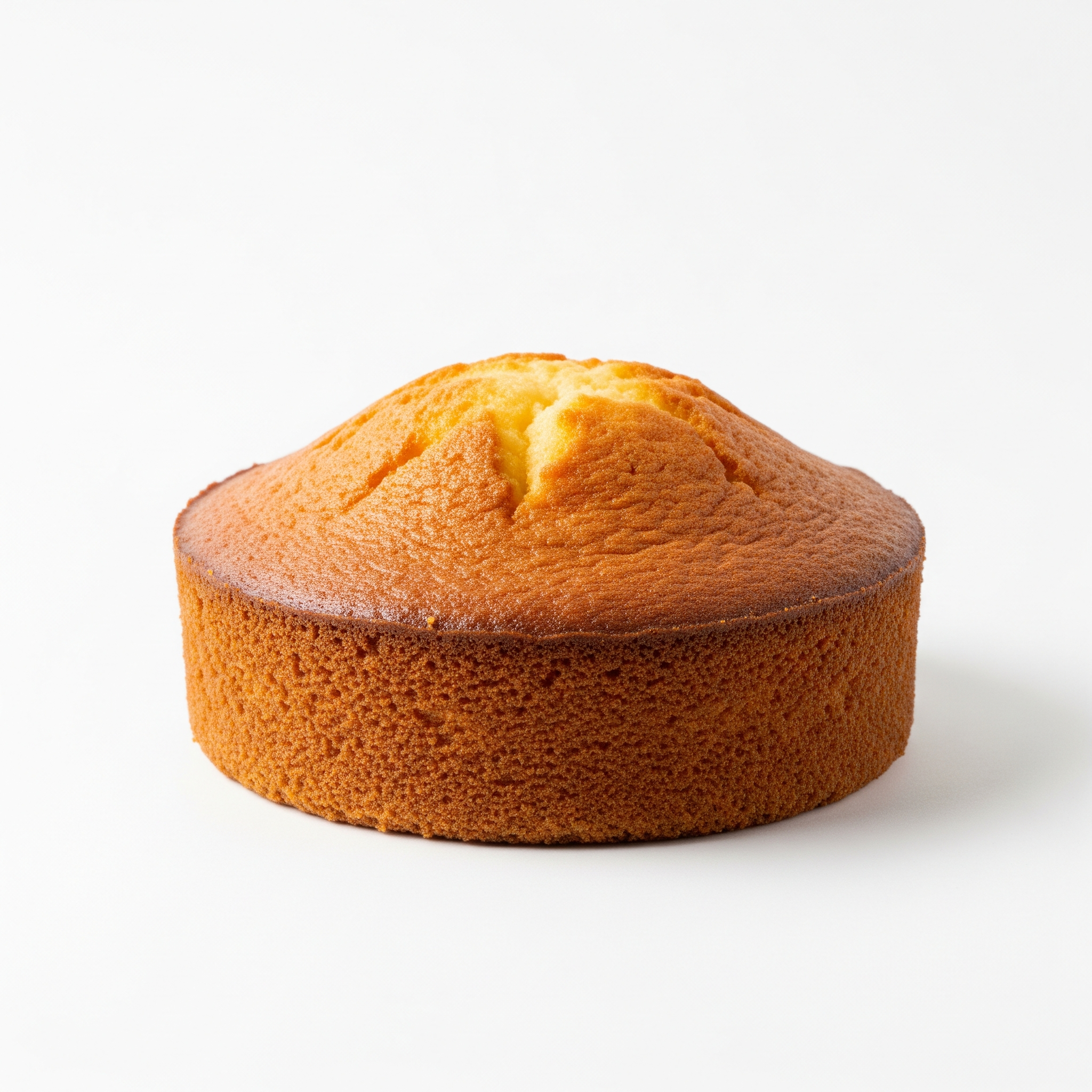
Archival print, museum-grade paper
Buy Poster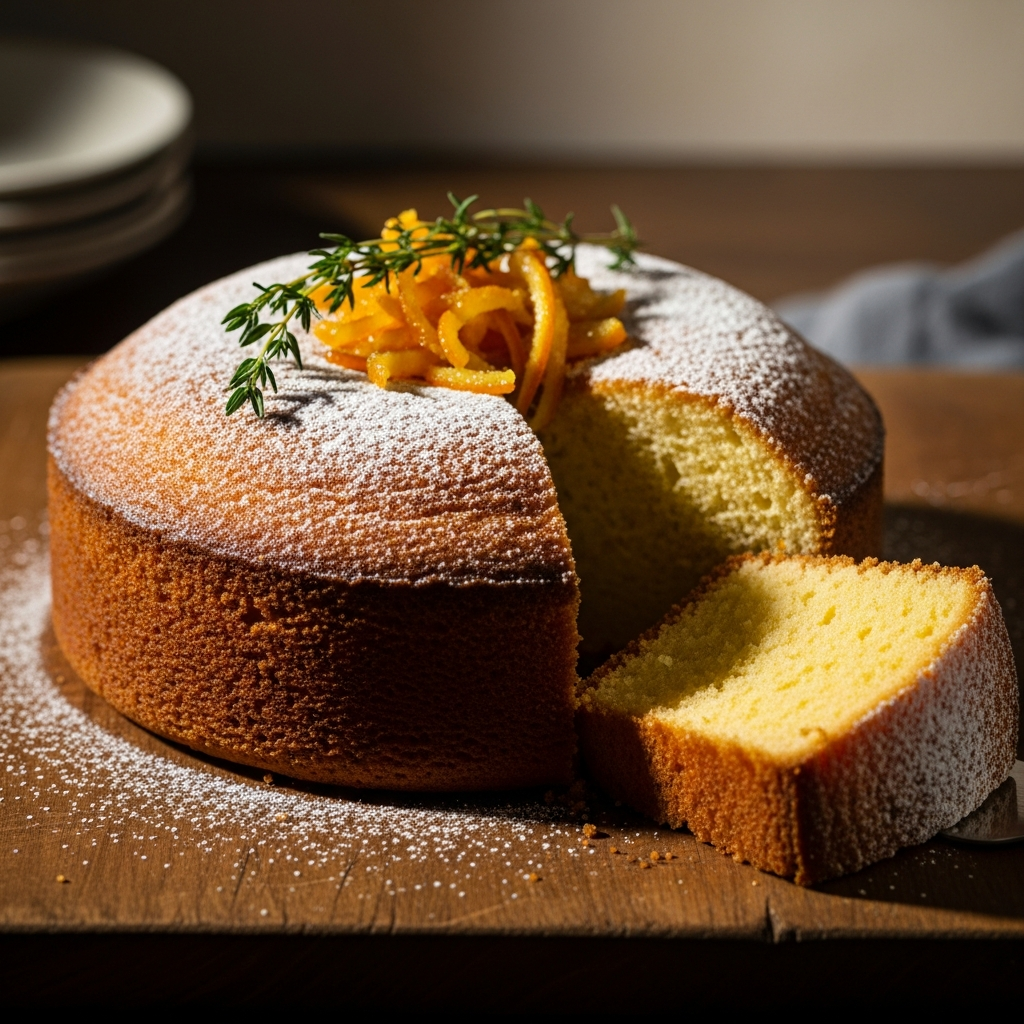
Stoneware mug, dishwasher safe
Buy Mug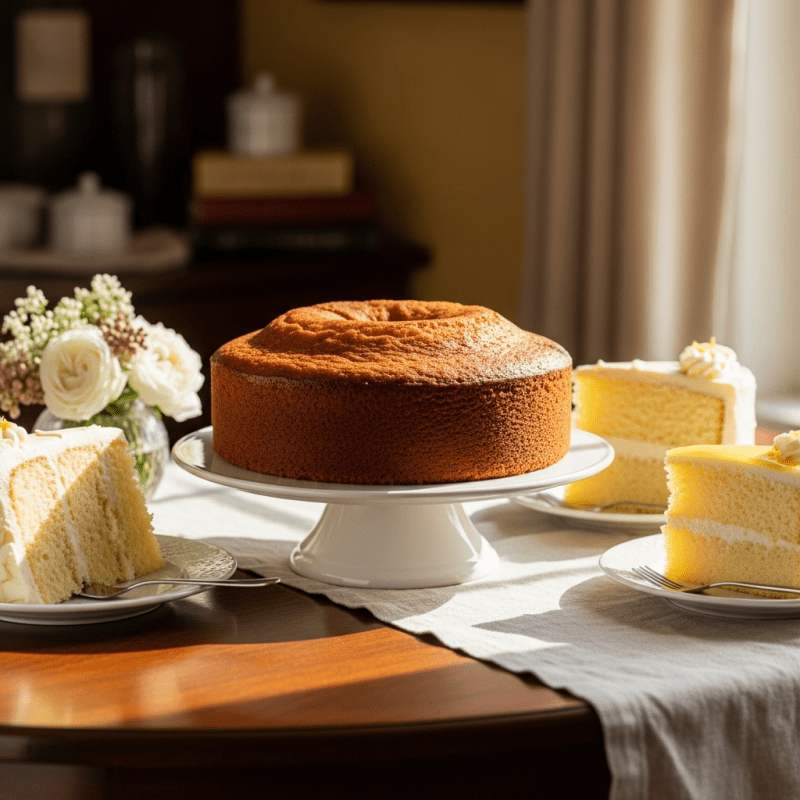
Soft cotton tee, unisex sizes
Buy ShirtAs a cornerstone of Western dessert culture, butter cake plays a central role in celebrations and social gatherings. Its presence in birthday and wedding cakes underscores its symbolic association with festivity and tradition. The cake’s adaptability has allowed it to become a canvas for cultural expression through regional flavors and decorative styles.
Butter cake’s character is defined by key ingredients including butter, sugar, eggs, flour, and chemical leaveners such as baking powder or baking soda. Often, milk or buttermilk is added to enhance moisture.

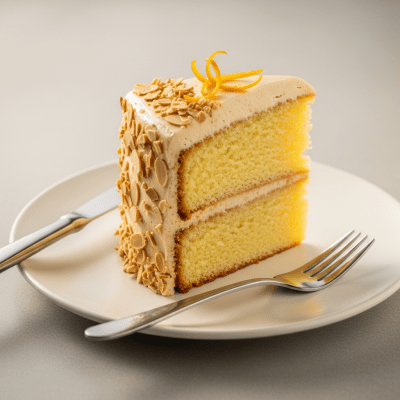
The preparation of butter cake typically involves creaming butter and sugar until light and fluffy, incorporating eggs gradually, then mixing in flour and leavening agents. The batter is then baked in pans of various shapes and sizes until golden and tender.
Butter cake is known for its moist, tender, and fine-crumbed texture with a golden exterior. Its flavor is neutral and versatile, often enhanced with additions like vanilla, chocolate, citrus zest, or warm spices to suit different tastes.
⚠️ Dietary considerations: Traditional butter cake contains gluten (from wheat flour), dairy (butter and milk), and eggs, making it unsuitable for those with allergies to these ingredients or for vegans. Common dietary adaptations include gluten-free, vegan, and sugar-free versions achieved through ingredient substitutions.
Butter cake has several notable regional variants:
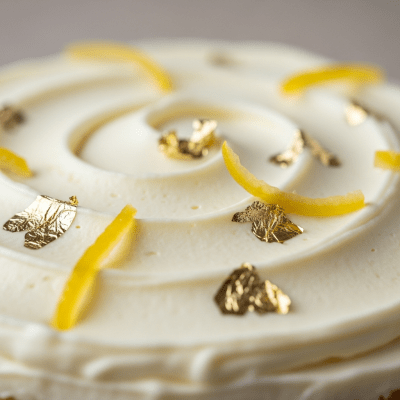
Butter cakes are commonly decorated with buttercream, ganache, fruit preserves, or other frostings. They may be presented as single or multi-layered cakes, often adorned with piped designs, fresh fruits, or sprinkles to suit festive occasions and personal tastes.