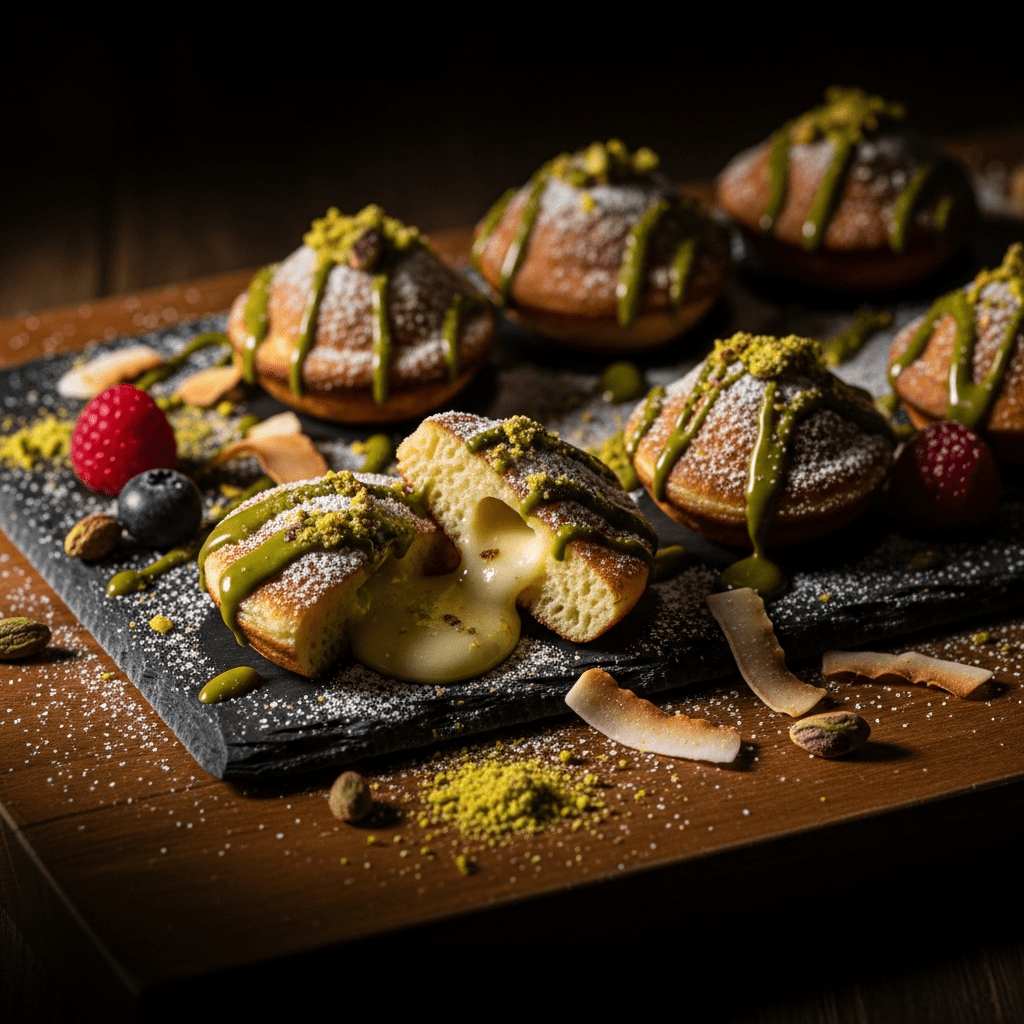
Kue Cubit
Kue Cubit is a popular Indonesian mini cake, recognized for its small, round, bite-sized form and soft, fluffy texture, typically cooked on a specialized griddle and served warm with sweet toppings like chocolate sprinkles.
Kue Cubit is a popular Indonesian mini cake, recognized for its small, round, bite-sized form and soft, fluffy texture, typically cooked on a specialized griddle and served warm with sweet toppings like chocolate sprinkles.
Originating in Indonesia, particularly urban centers such as Jakarta, Kue Cubit emerged as a beloved street food snack in the late 20th century. Its name, meaning "pinch" in Indonesian, reflects its diminutive size, easily picked up between fingers. Though its precise inventor is unknown, Kue Cubit grew from local street vendors catering to everyday urban tastes.
Kue Cubit belongs to the broad family of mini cakes, distinguished by its griddle-baked preparation and petite size. It fits within the category of sweet, single-layer cakes made from a batter of flour, eggs, sugar, and leavening agents, sharing similarities with small pancakes or Dutch poffertjes.
This cake is miniature and round, typically measuring 4 to 5 centimeters in diameter. It features a soft, airy crumb and is usually single-layered. Commonly, Kue Cubit is topped with chocolate sprinkles, but variations include matcha, cheese, or colorful toppings, adding visual appeal and flavor contrast.
Kue Cubit is primarily enjoyed as a warm snack or dessert, often purchased from street vendors, school canteens, and local markets. Its small size makes it convenient for quick bites, especially popular among children and young adults. The cake is typically served fresh off the griddle, sometimes slightly undercooked to retain a gooey center.
Bring this kind into your world illustrated posters, mugs, and shirts.
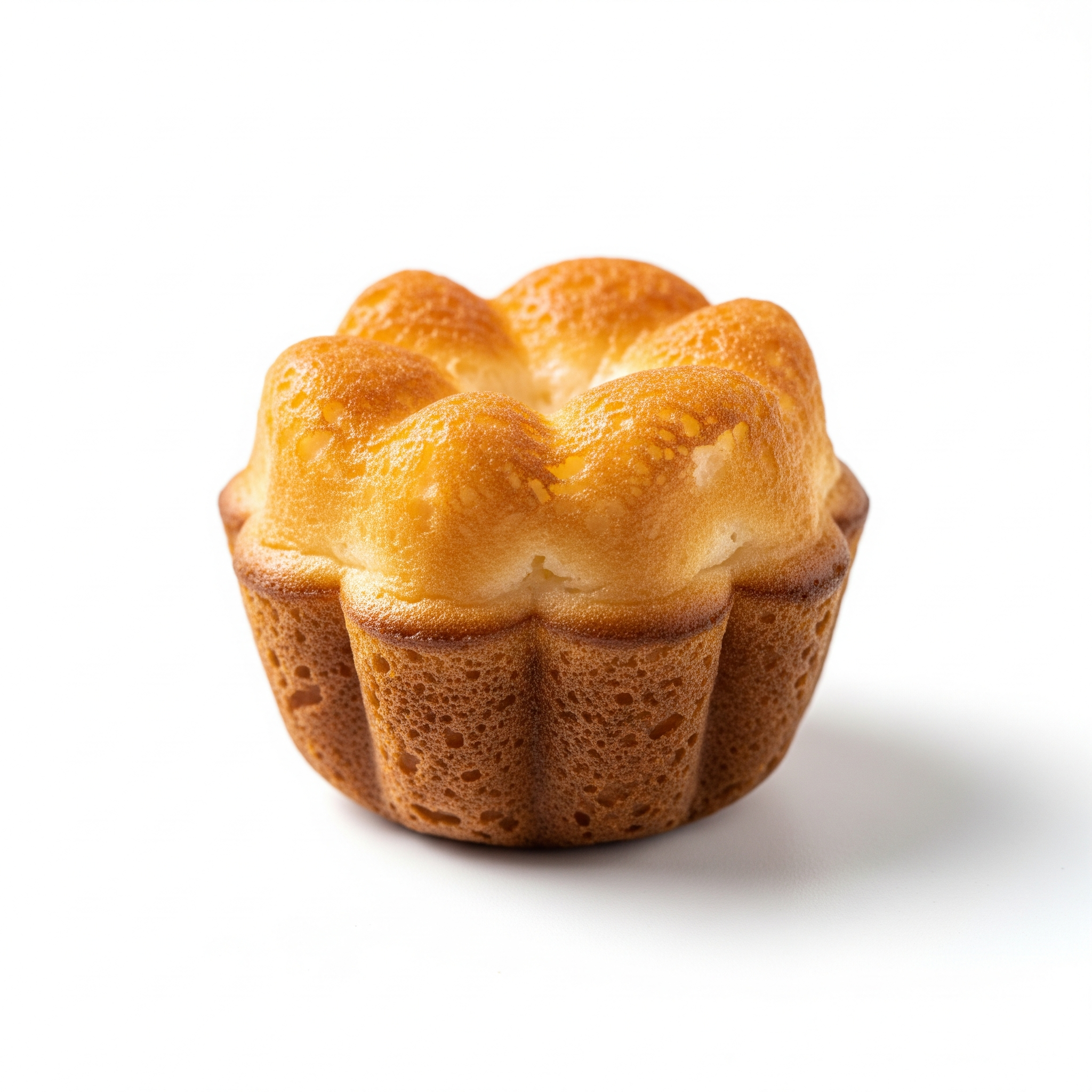
Archival print, museum-grade paper
Buy Poster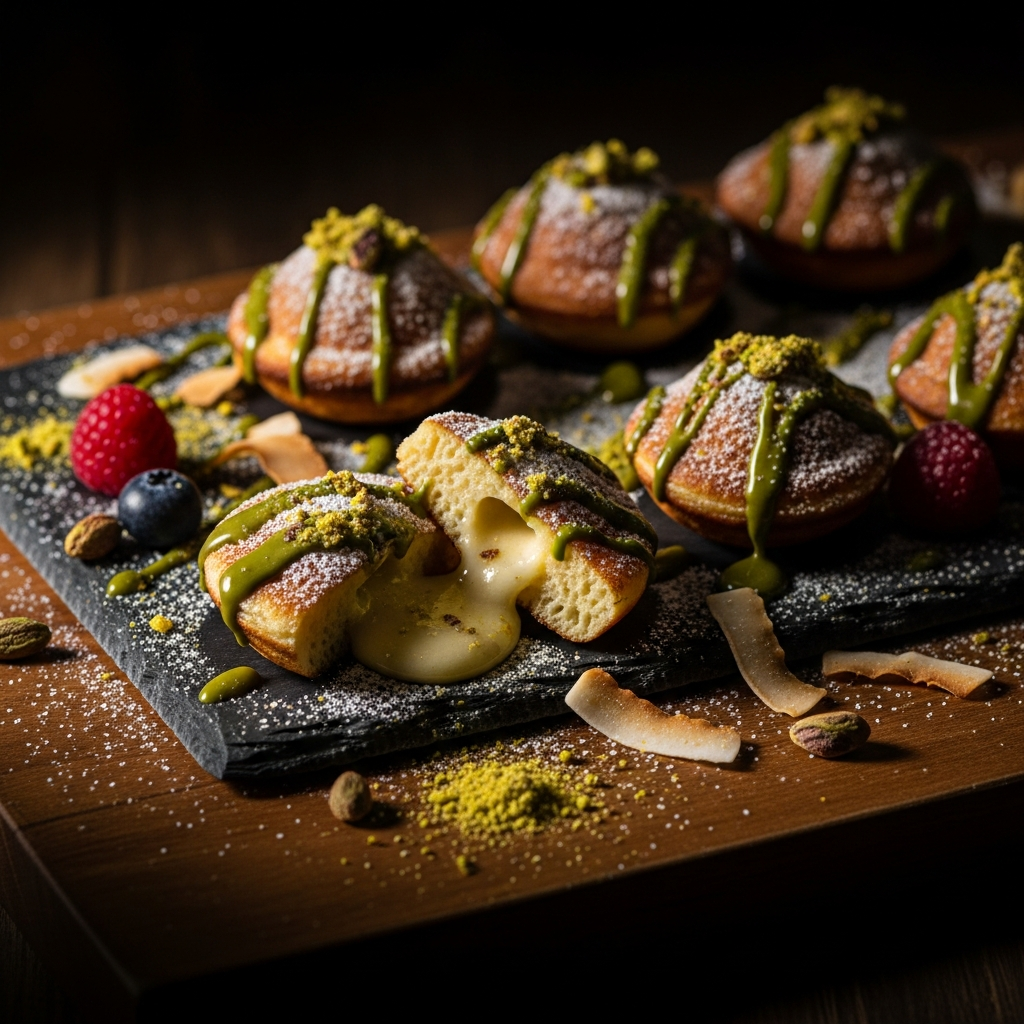
Stoneware mug, dishwasher safe
Buy Mug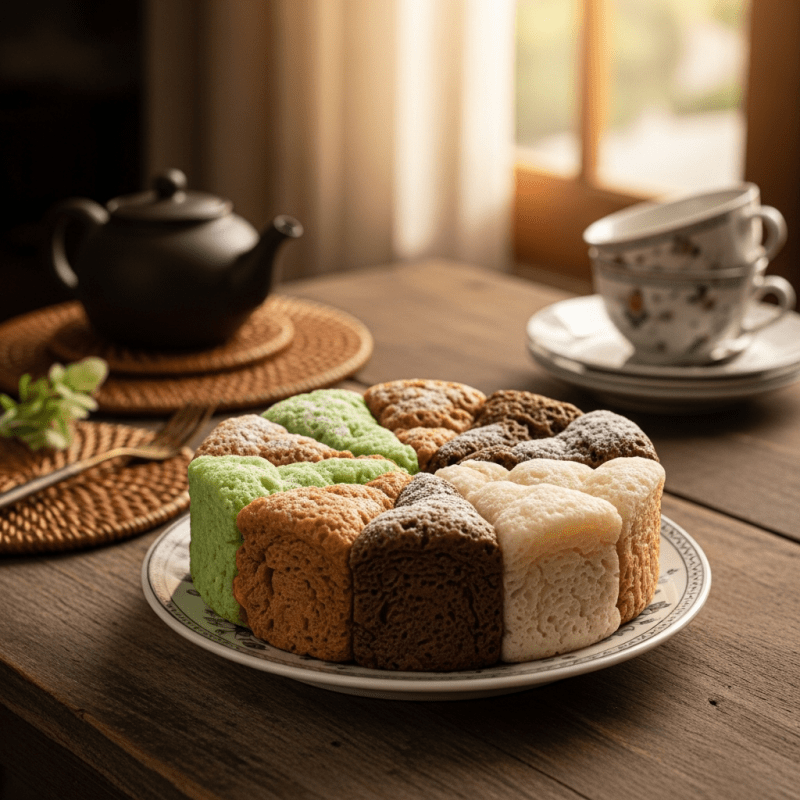
Soft cotton tee, unisex sizes
Buy ShirtWhile not tied to specific ceremonies, Kue Cubit holds a special place in Indonesian urban food culture as an accessible, everyday treat. It reflects the vibrant street food scene and has inspired modern café-style reinterpretations, symbolizing the fusion of tradition and contemporary tastes in Indonesia.
Key ingredients defining Kue Cubit include wheat flour, sugar, eggs, baking powder, and milk. These combine to create its characteristic soft, airy texture.
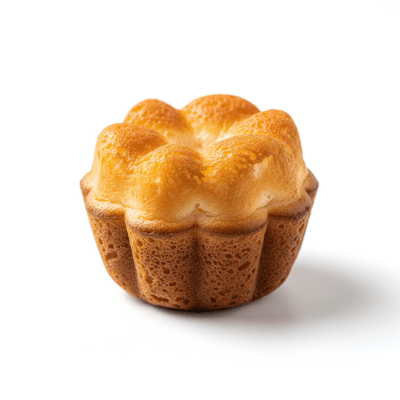
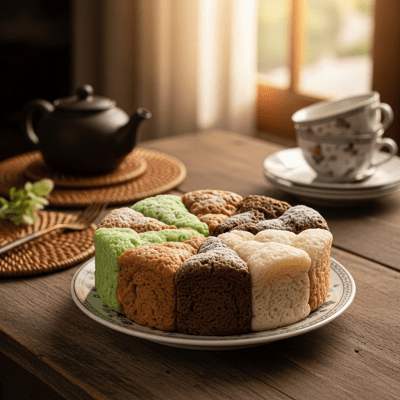
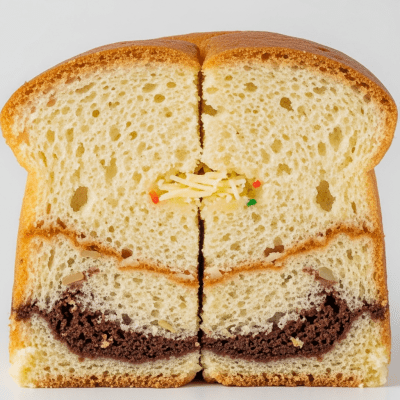



Kue Cubit is prepared by griddle-baking the batter in small, round molds on a specialized cast-iron pan. This method allows for quick cooking and a tender crumb. The cakes are typically served warm, often with toppings added immediately after cooking.
Kue Cubit boasts a soft, fluffy, and airy texture with a delicate crumb. Its flavor is mildly sweet and buttery, enhanced by toppings such as chocolate sprinkles or matcha. When slightly undercooked, it offers a pleasantly gooey center that contrasts with its tender exterior.
Allergens: Kue Cubit typically contains gluten (from wheat flour), dairy (milk), and eggs, which are common allergens. It does not usually contain soy. Dietary variants include matcha and red velvet flavors, but standard recipes are not gluten-free or vegan.
Within Indonesia, notable variants of Kue Cubit include:
Kue Cubit is commonly decorated with chocolate sprinkles, known locally as "meises," which add sweetness and texture. Other popular toppings include matcha powder, grated cheese, or colorful sprinkles. It is typically presented warm, directly from the griddle, served in small portions that highlight its bite-sized charm.