Swiss Roll
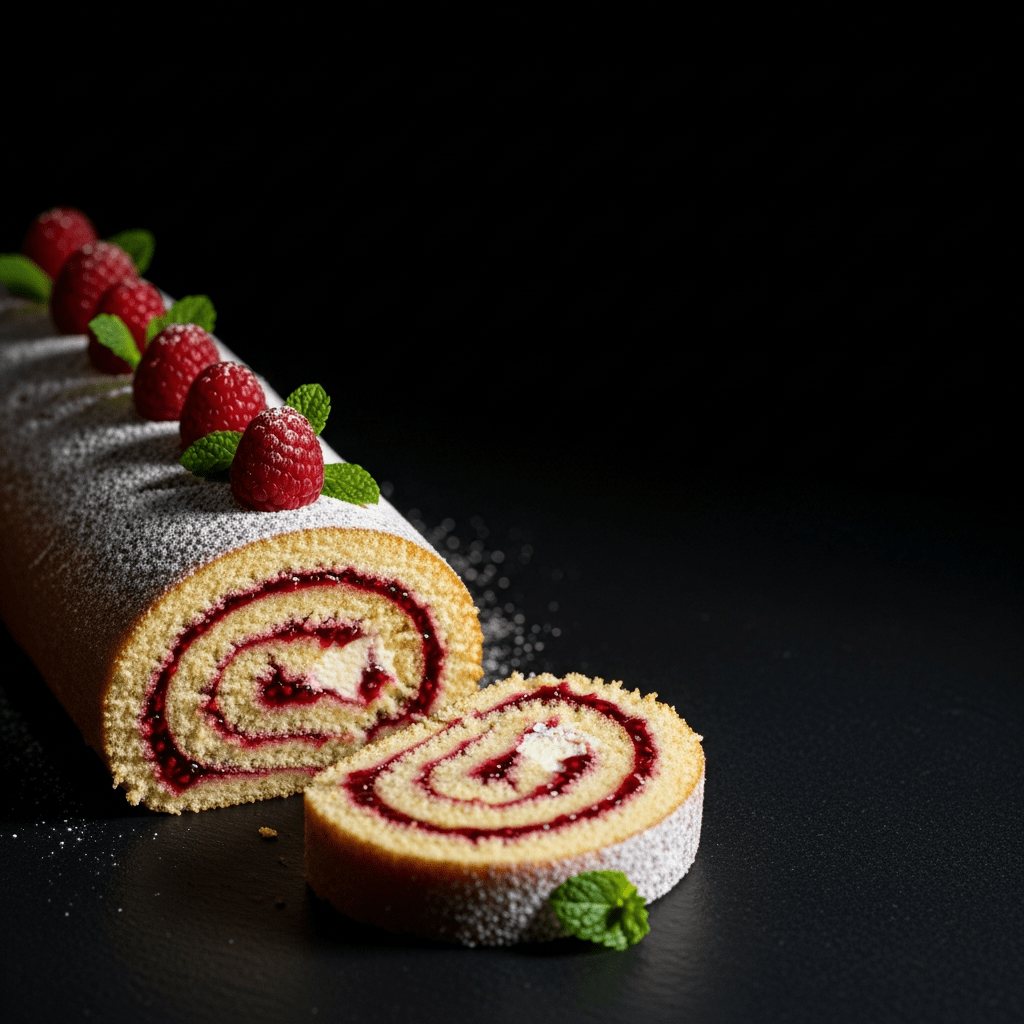
The Swiss Roll is a rolled sponge cake featuring a light, airy texture and a distinctive spiral cross-section filled with jam, cream, or other sweet fillings.
The Swiss Roll is a rolled sponge cake featuring a light, airy texture and a distinctive spiral cross-section filled with jam, cream, or other sweet fillings.
Originating in Central Europe during the mid-19th century, the Swiss Roll's precise birthplace is uncertain. Despite its name, it is not Swiss but likely named to evoke the elegance associated with Swiss patisserie. Early recipes appear in English and Austrian cookbooks, linking it to the broader tradition of rolled sponge cakes such as the French roulade and American jelly roll.
Classified as a sponge cake, the Swiss Roll belongs to the family of cakes made primarily with flour, eggs, sugar, and butter, relying on air incorporation for its light texture. It is a single-layer cake that is baked flat and then rolled with filling, distinguishing it within the broader sponge cake category.
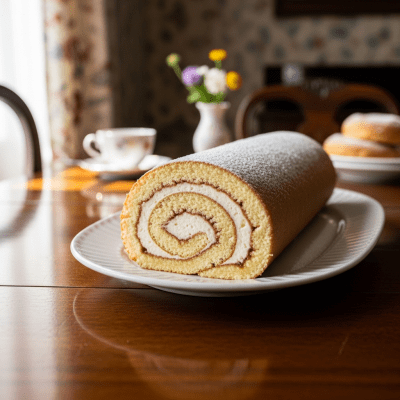
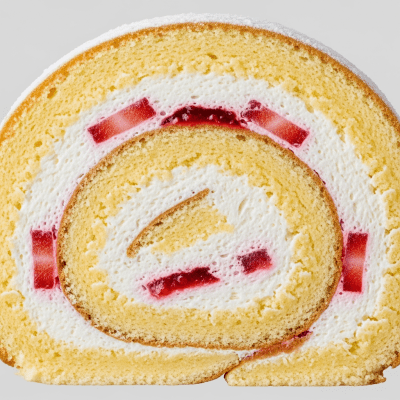
The Swiss Roll typically appears as a cylindrical cake, approximately 20–30 cm long and 5–8 cm in diameter. It is made from a thin, flexible sheet of sponge cake rolled tightly around a sweet filling, creating a visible spiral pattern when sliced. Common decorations include a dusting of powdered sugar, cocoa, or a light icing.
Enjoyed as a dessert, snack, or tea-time treat, the Swiss Roll is popular in both home kitchens and commercial bakeries worldwide. It is often served sliced to showcase its spiral filling and is versatile enough to be adapted with various flavors and fillings to suit different tastes and occasions.
Bring this kind into your world illustrated posters, mugs, and shirts.
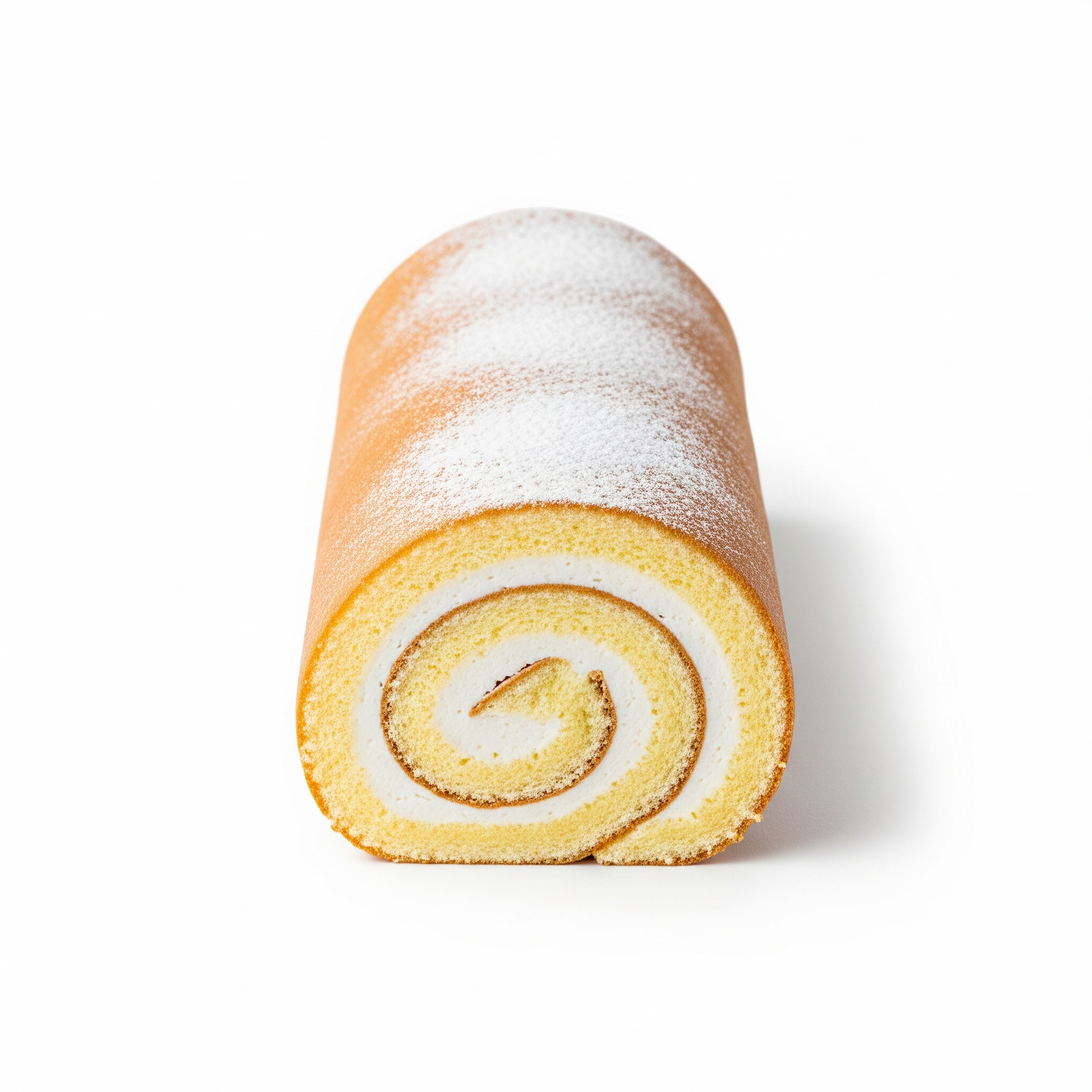
Archival print, museum-grade paper
Buy Poster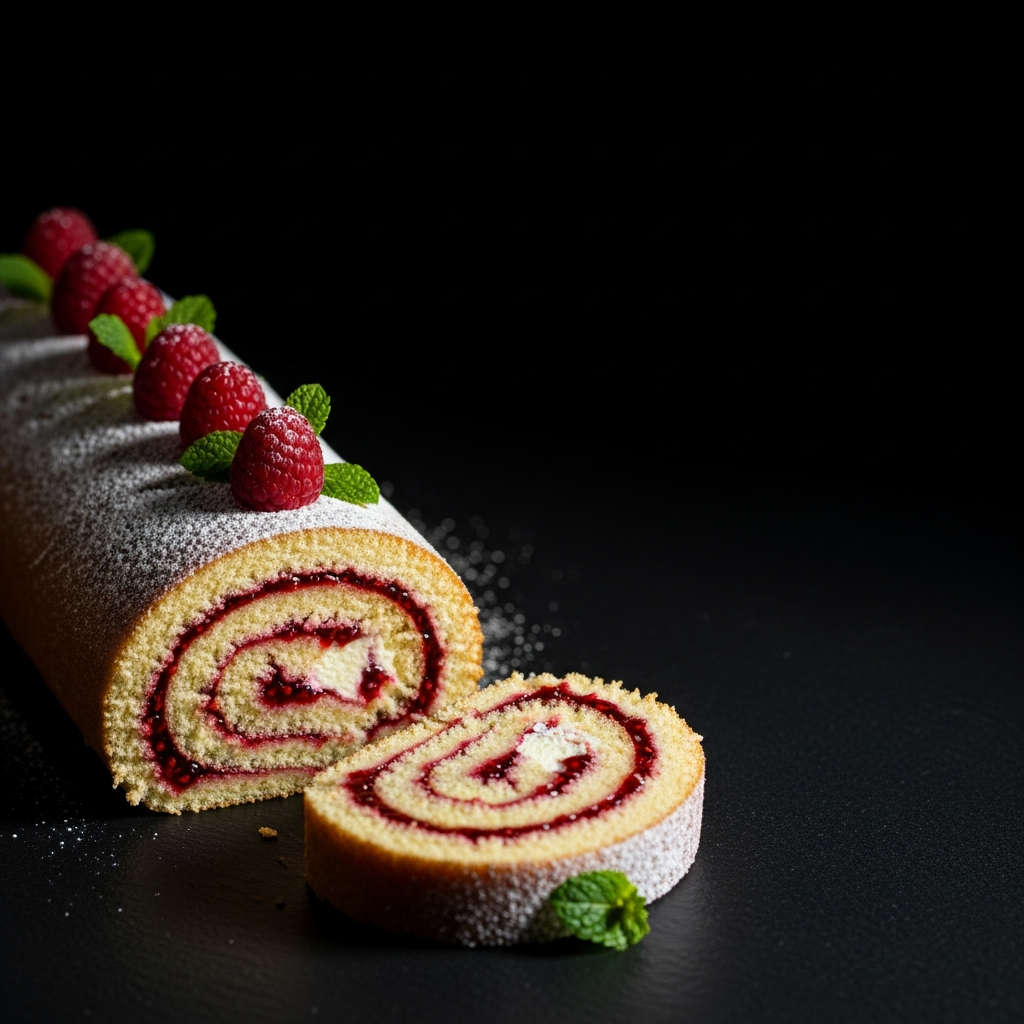
Stoneware mug, dishwasher safe
Buy Mug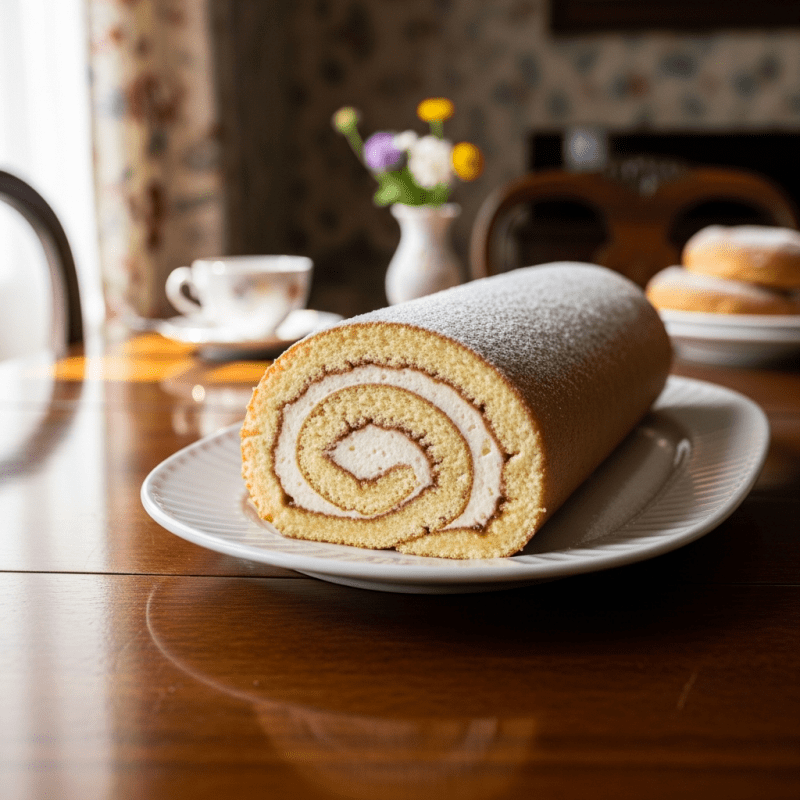
Soft cotton tee, unisex sizes
Buy ShirtThe Swiss Roll holds a place in festive and everyday culinary traditions across many cultures. It is commonly associated with birthdays, holidays, and celebratory events. Its widespread availability in supermarkets and patisseries globally reflects its enduring popularity and cultural adaptability.
Key ingredients defining the Swiss Roll are flour, eggs, sugar, and butter, which combine to create the delicate sponge base essential for rolling.
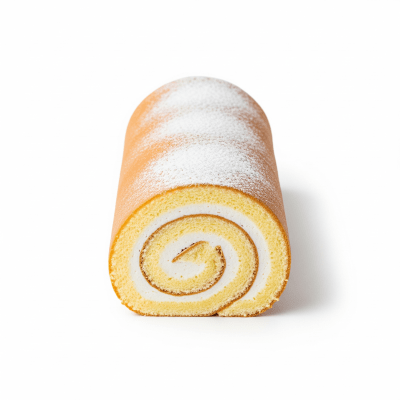



The Swiss Roll is prepared by baking a thin sheet of sponge cake in a shallow rectangular pan, then turning it out while warm. The cake is spread evenly with a chosen filling and carefully rolled into a tight spiral to form its characteristic shape.
The cake boasts a light and airy texture, complemented by sweet, creamy, or fruity fillings such as jam, whipped cream, buttercream, or chocolate ganache, creating a balanced and delicate flavor experience.
Contains gluten, dairy, and eggs. Traditional Swiss Rolls are not suitable for those with allergies to these ingredients. However, gluten-free and vegan versions have been developed to accommodate dietary restrictions.
Swiss Rolls are commonly finished with a light dusting of powdered sugar or cocoa powder, sometimes adorned with icing. They are served sliced to reveal the spiral filling, often presented on dessert plates or platters for elegant display.