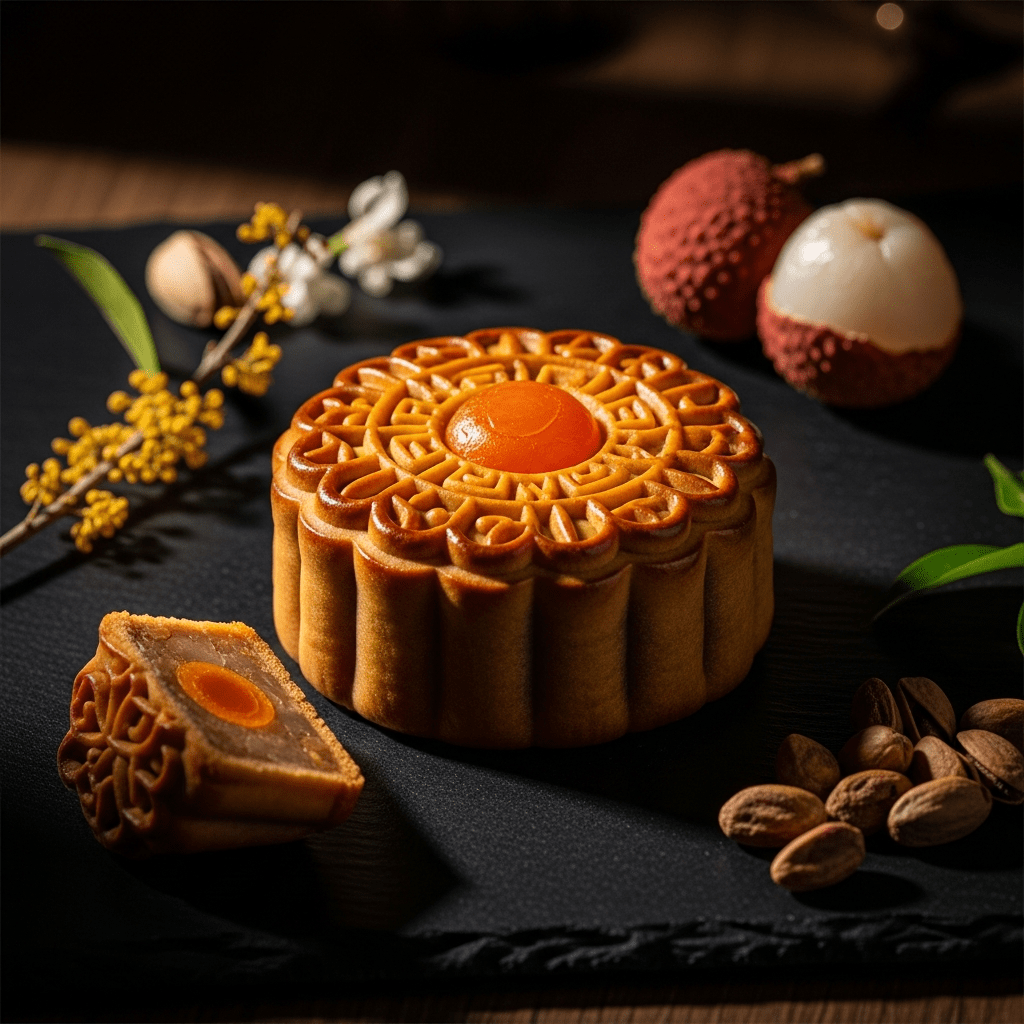
Mooncake
Mooncake is a dense, round or square pastry traditionally enjoyed during the Chinese Mid-Autumn Festival, celebrated for its rich fillings and ornate, symbolic appearance.
Mooncake is a dense, round or square pastry traditionally enjoyed during the Chinese Mid-Autumn Festival, celebrated for its rich fillings and ornate, symbolic appearance.
Originating in China, mooncakes have a history spanning over three millennia, with roots tracing back to the Shang Dynasty. They gained prominence during the Ming and Qing dynasties and are intertwined with legends such as the moon goddess Chang’e and historical events like the Ming revolution, where mooncakes were said to carry secret messages. This tradition has since spread across East and Southeast Asia and among overseas Chinese communities.
Mooncake belongs to the pastry category within the broader cake taxonomy, distinguished by its dense, tender crust and rich fillings. It occupies a unique place as a festival-specific pastry deeply embedded in cultural rituals, differing from typical Western-style cakes by its preparation, form, and symbolic use.
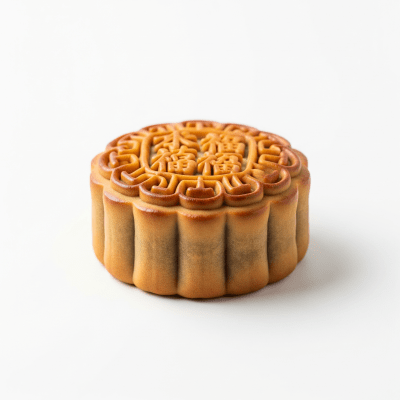
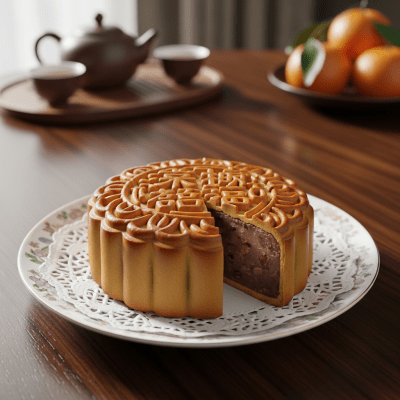
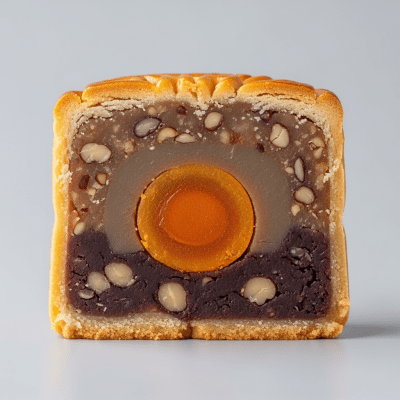
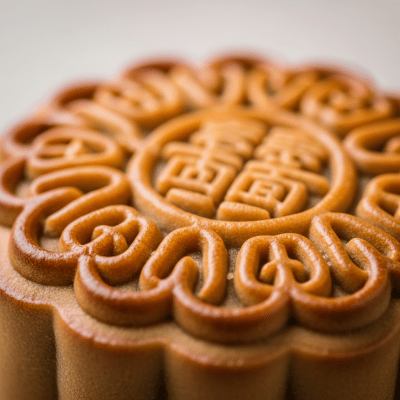
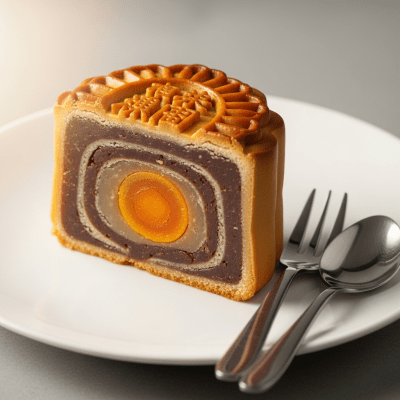
Mooncakes are typically round or square, measuring about 7 to 10 centimeters in diameter and 2 to 4 centimeters thick. Their single-layer pastry shell is dense yet tender, often embossed with intricate patterns or Chinese characters symbolizing longevity and harmony. The crust’s golden hue contrasts with fillings that range from smooth pastes to chunky nuts and salted egg yolks, creating a visually rich and textured treat.
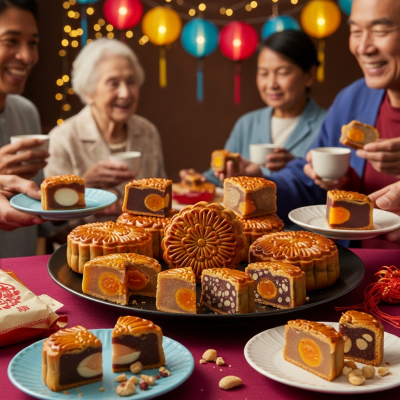
Primarily consumed during the Mid-Autumn Festival, mooncakes serve as both a festive delicacy and a meaningful gift symbolizing unity and prosperity. They are exchanged among family, friends, and business associates, often presented in elaborate packaging. Beyond eating, mooncakes play a role in ceremonial offerings and festival rituals, reinforcing cultural bonds.
Bring this kind into your world illustrated posters, mugs, and shirts.
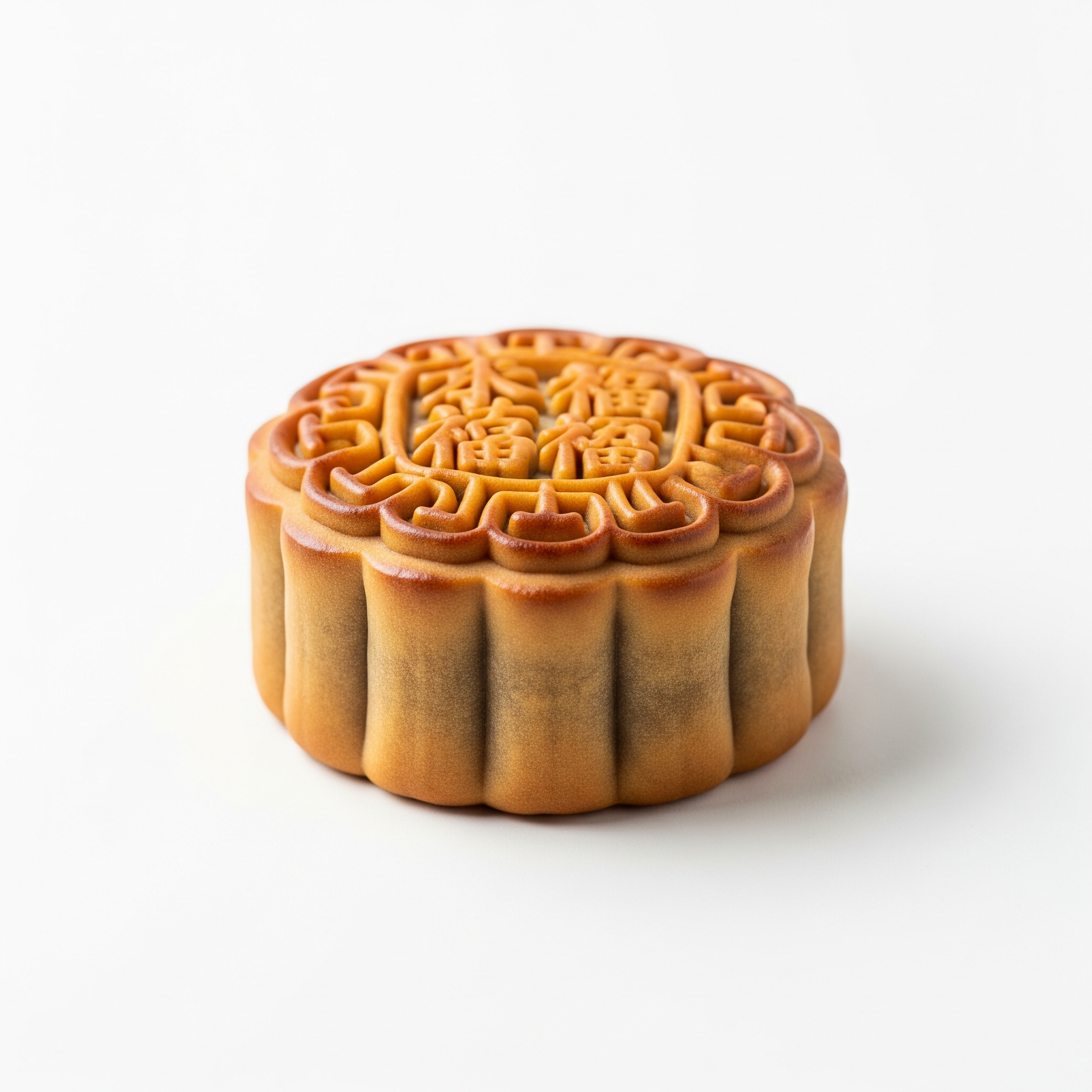
Archival print, museum-grade paper
Buy Poster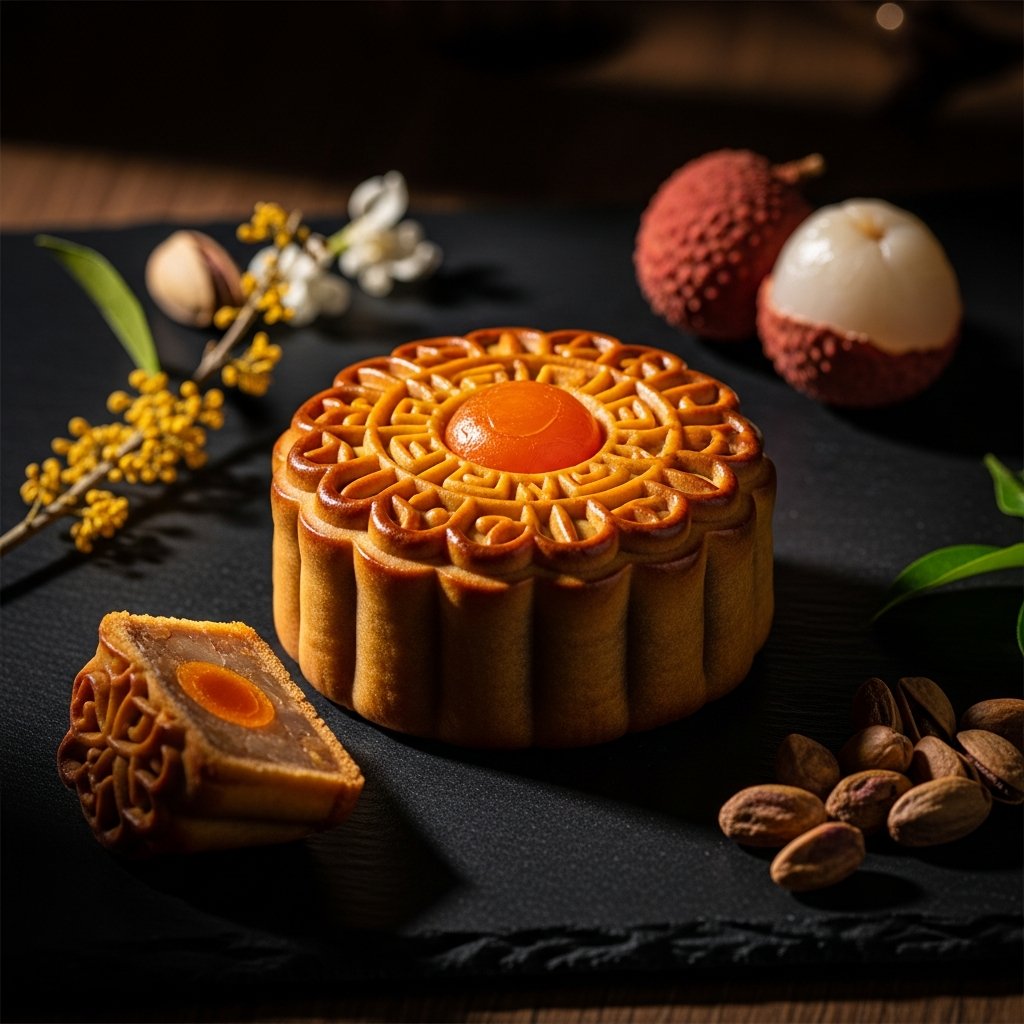
Stoneware mug, dishwasher safe
Buy Mug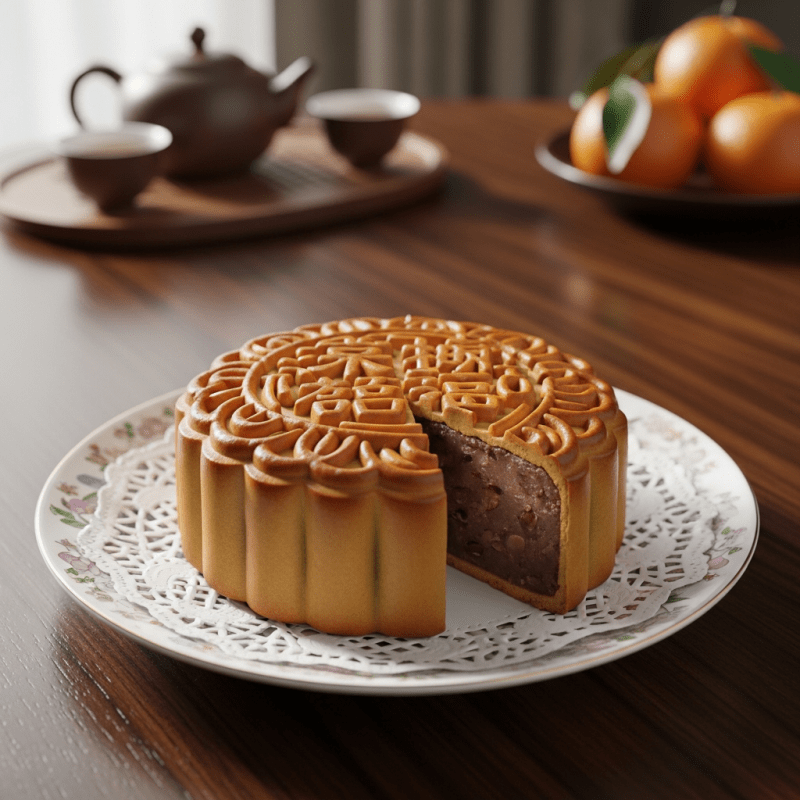
Soft cotton tee, unisex sizes
Buy ShirtMooncakes are emblematic of Chinese cultural heritage and the Mid-Autumn Festival’s themes of reunion and gratitude. Their designs often reflect traditional motifs and legends, such as the story of Chang’e. Widely depicted in art and literature, mooncakes also represent prosperity and harmony, making them a cherished symbol in both historical and modern contexts.
Mooncakes are primarily made from wheat flour, golden syrup, lye water, and vegetable oil for the pastry shell. Fillings commonly include lotus seed paste, red bean paste, mixed nuts and seeds, and salted duck egg yolks, which contribute to their distinctive flavor and texture.
Mooncakes are traditionally prepared by baking, which creates their characteristic golden crust. Some regional variants employ steaming or chilling methods, such as the snow skin mooncake, which features an unbaked glutinous rice crust served chilled.
The mooncake’s texture combines a dense yet tender pastry shell with rich, often smooth fillings. Flavor profiles range from sweet lotus seed and red bean pastes to savory notes from salted egg yolks and nuts. Modern versions introduce diverse tastes like green tea and ice cream, broadening the sensory experience.
Mooncakes typically contain gluten from wheat flour and eggs in the pastry, with some fillings including dairy and nuts. Variants may pose allergen concerns for individuals sensitive to these ingredients. Common dietary adaptations include snow skin and ice cream mooncakes, which cater to different preferences but may still contain allergens.
Mooncakes are traditionally decorated with intricate patterns and Chinese characters pressed into the crust, symbolizing good fortune and harmony. They are often presented in ornate boxes or tins, especially when given as gifts during the Mid-Autumn Festival, enhancing their ceremonial and aesthetic appeal.