
Yule Log
The Yule Log is a traditional rolled sponge cake filled with cream and decorated to resemble a wooden log, commonly enjoyed as a festive Christmas dessert across several European countries.
The Yule Log is a traditional rolled sponge cake filled with cream and decorated to resemble a wooden log, commonly enjoyed as a festive Christmas dessert across several European countries.
Originating in 19th-century France, the Yule Log cake—known as Bûche de Noël—was inspired by the ancient custom of burning a real Yule log during winter solstice and Christmas celebrations. As open hearths became less common, the cake emerged as a symbolic, edible replacement embodying warmth and festivity.
Classified as a rolled sponge cake, the Yule Log belongs to the broader family of sponge-based desserts characterized by light, airy textures and a single-layered, rolled form filled with cream or buttercream.
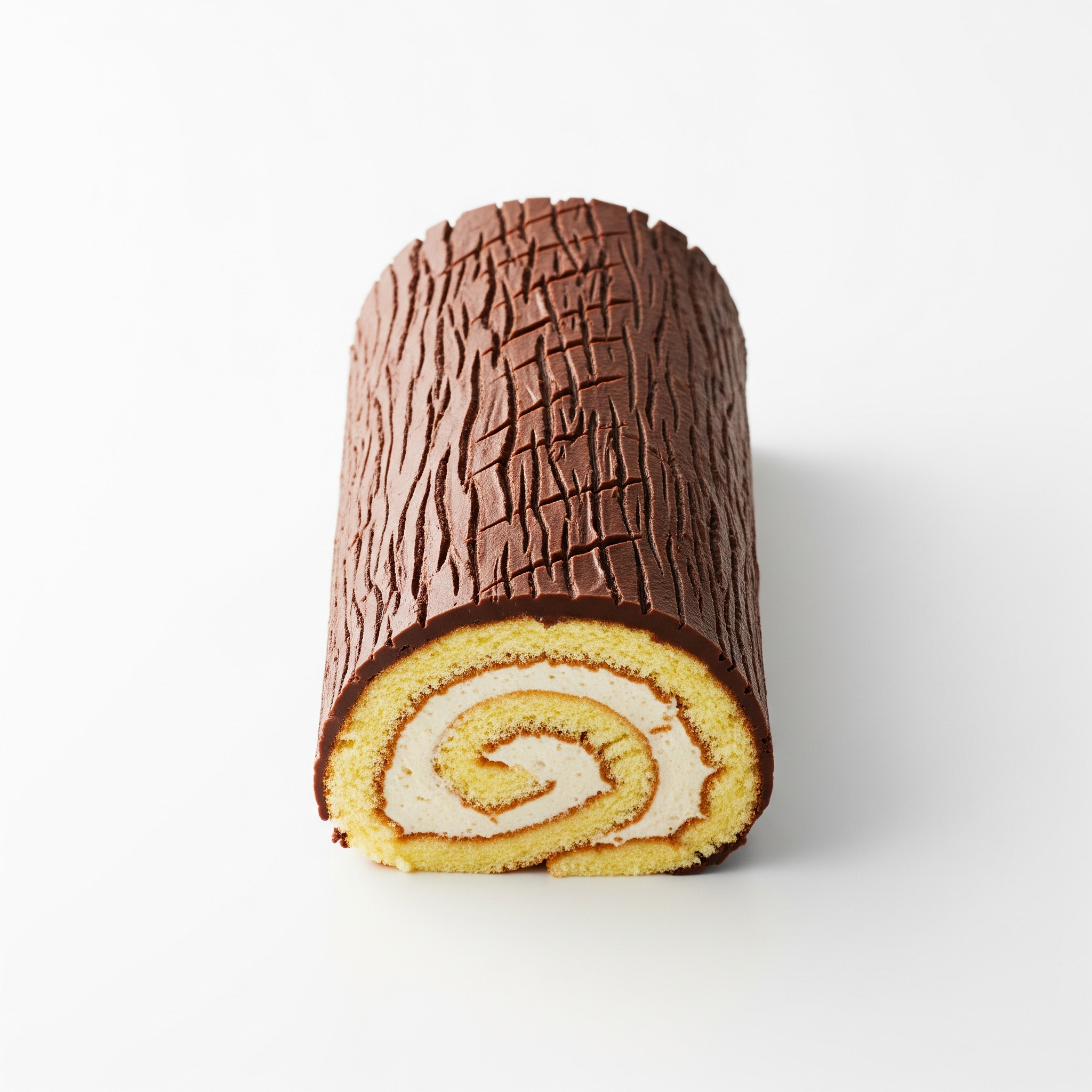
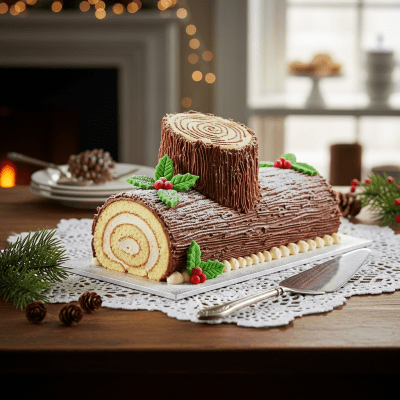
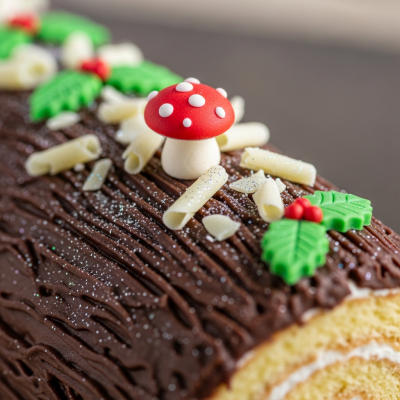
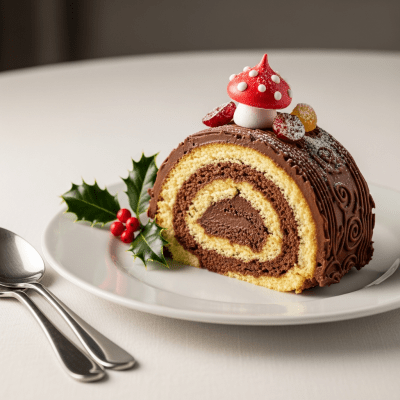
The Yule Log typically takes a cylindrical, rolled shape, crafted from a thin sponge cake layer rolled around a creamy filling. Its exterior is coated with chocolate or coffee-flavored buttercream textured to mimic tree bark, often adorned with meringue mushrooms, powdered sugar dusting to suggest snow, and marzipan decorations.
Primarily served as a centerpiece dessert during Christmas Eve or Christmas Day meals, the Yule Log functions as both a festive treat and a symbol of holiday warmth and togetherness. It is enjoyed in homes and patisseries alike, often featured in seasonal celebrations across France, Belgium, Switzerland, and other European regions.
Bring this kind into your world illustrated posters, mugs, and shirts.
Archival print, museum-grade paper
Buy Poster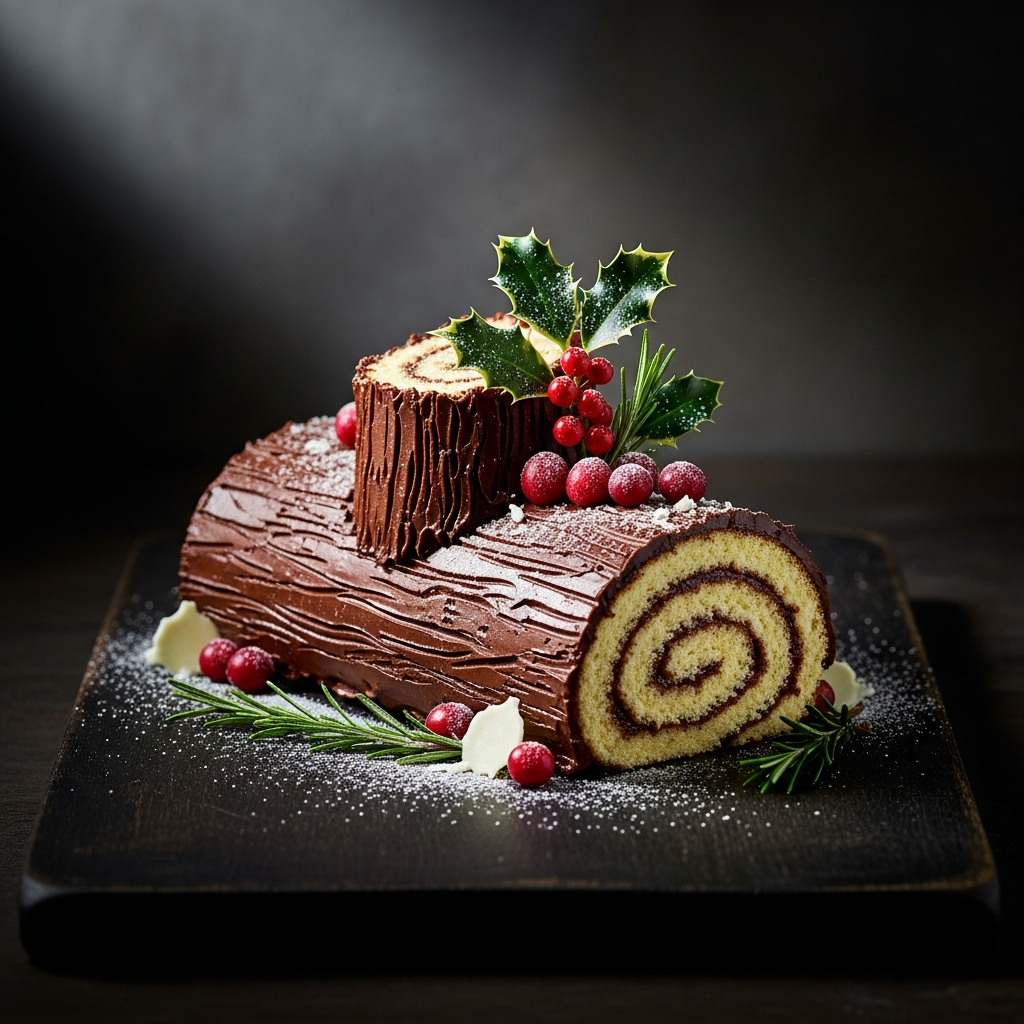
Stoneware mug, dishwasher safe
Buy Mug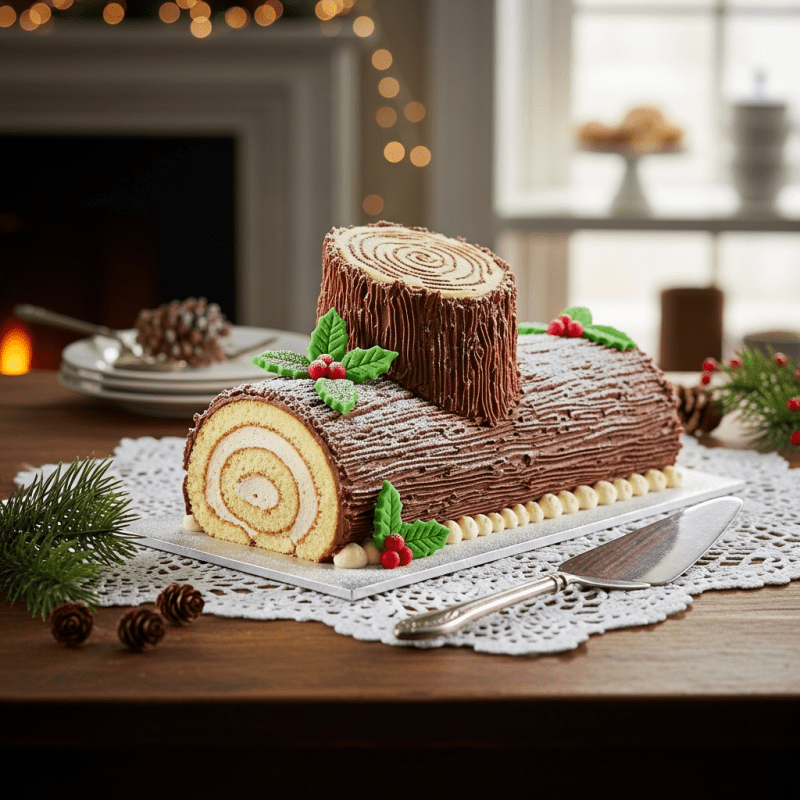
Soft cotton tee, unisex sizes
Buy ShirtThe Yule Log cake carries deep cultural resonance, echoing the ancient ritual of burning a Yule log to mark the winter solstice. It symbolizes family, celebration, and the comforting spirit of the holiday season, appearing in art, literature, and modern festive traditions throughout French-influenced cultures.
Key ingredients defining the Yule Log include flour, eggs, sugar, butter, chocolate, and cream, which combine to create its light sponge base and rich, creamy fillings.
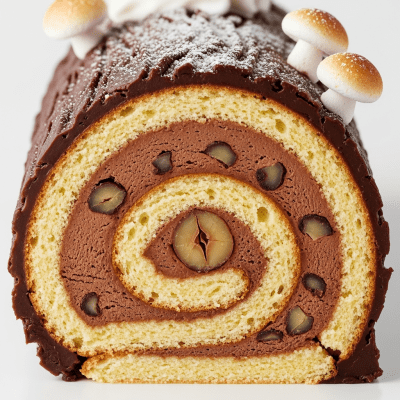

The Yule Log is prepared by baking a thin sponge cake, rolling it with a creamy filling, then assembling and decorating it to resemble a log. Techniques include baking, rolling, assembling, and detailed decorating with buttercream and edible embellishments.
The cake offers a light and airy sponge texture paired with smooth, creamy fillings and rich chocolate or coffee-flavored coatings, evoking the rustic texture and appearance of a wooden log.
Typically, the Yule Log contains gluten, dairy, and eggs, making it unsuitable for those with allergies to these ingredients. Common dietary adaptations are limited, though some recipes may be modified for specific needs.
Regional variants of the Yule Log exist in Belgium, Switzerland, and Quebec, Canada, where decoration styles and fillings may differ, reflecting local tastes and traditions.
Decorations commonly feature textured chocolate or coffee buttercream to simulate bark, with additions like meringue mushrooms, powdered sugar dusting to mimic snow, and marzipan figures. The cake is presented as a rustic log centerpiece, often on festive platters during Christmas celebrations.