Tiramisu
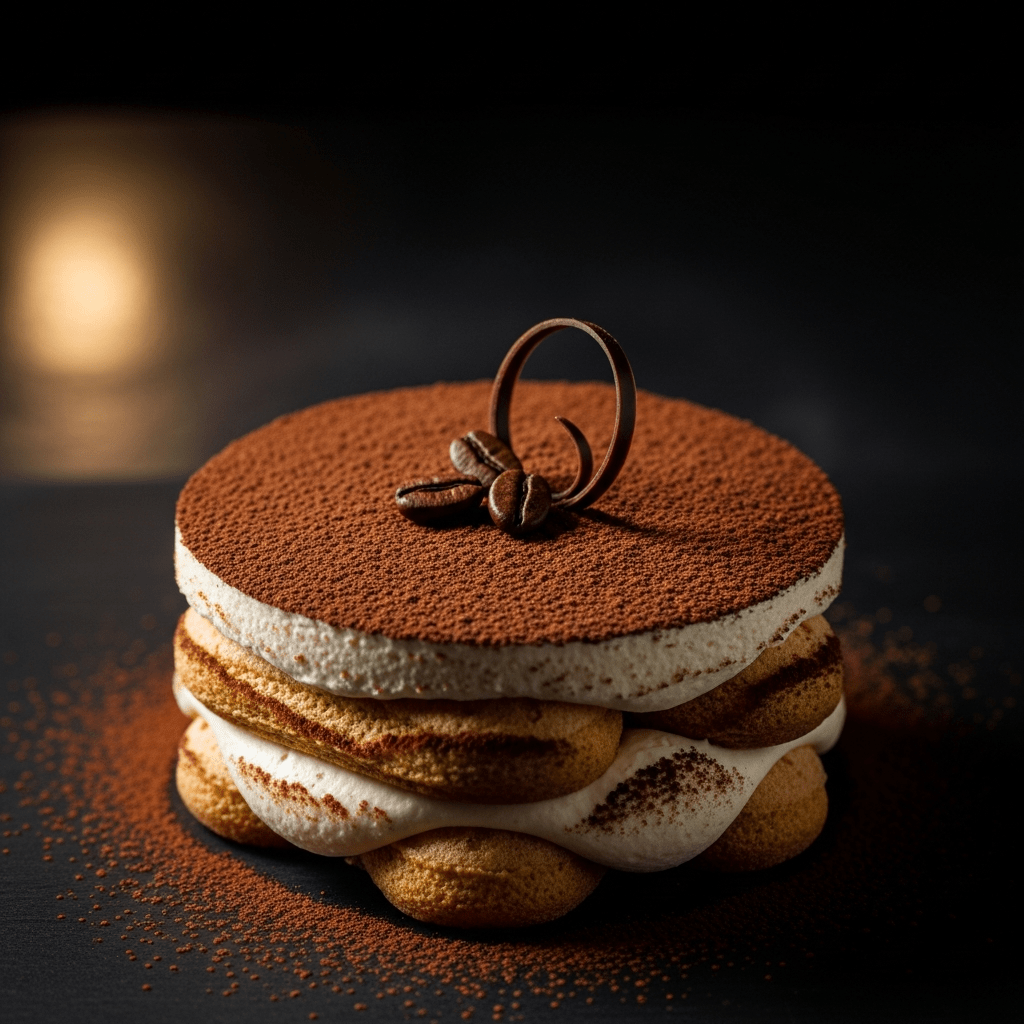
Tiramisu is a celebrated Italian layered dessert cake featuring coffee-soaked ladyfingers and a rich mascarpone cream, traditionally dusted with cocoa powder and served chilled.
Tiramisu is a celebrated Italian layered dessert cake featuring coffee-soaked ladyfingers and a rich mascarpone cream, traditionally dusted with cocoa powder and served chilled.
Originating in Italy’s Veneto region, particularly Treviso, tiramisu emerged in the late 20th century, with documented recipes dating to the 1960s and 1970s. Its name means "pick me up," reflecting the energizing coffee and egg yolk ingredients. The dessert quickly gained international acclaim during the 1980s, becoming a staple of Italian cuisine worldwide.
Classified as a layered dessert cake, tiramisu is unique among cakes for being unbaked yet chilled to set. It belongs to the family of Italian sweet cakes that emphasize layering and creamy fillings, distinguished by its use of soaked ladyfingers rather than traditional sponge cake bases.
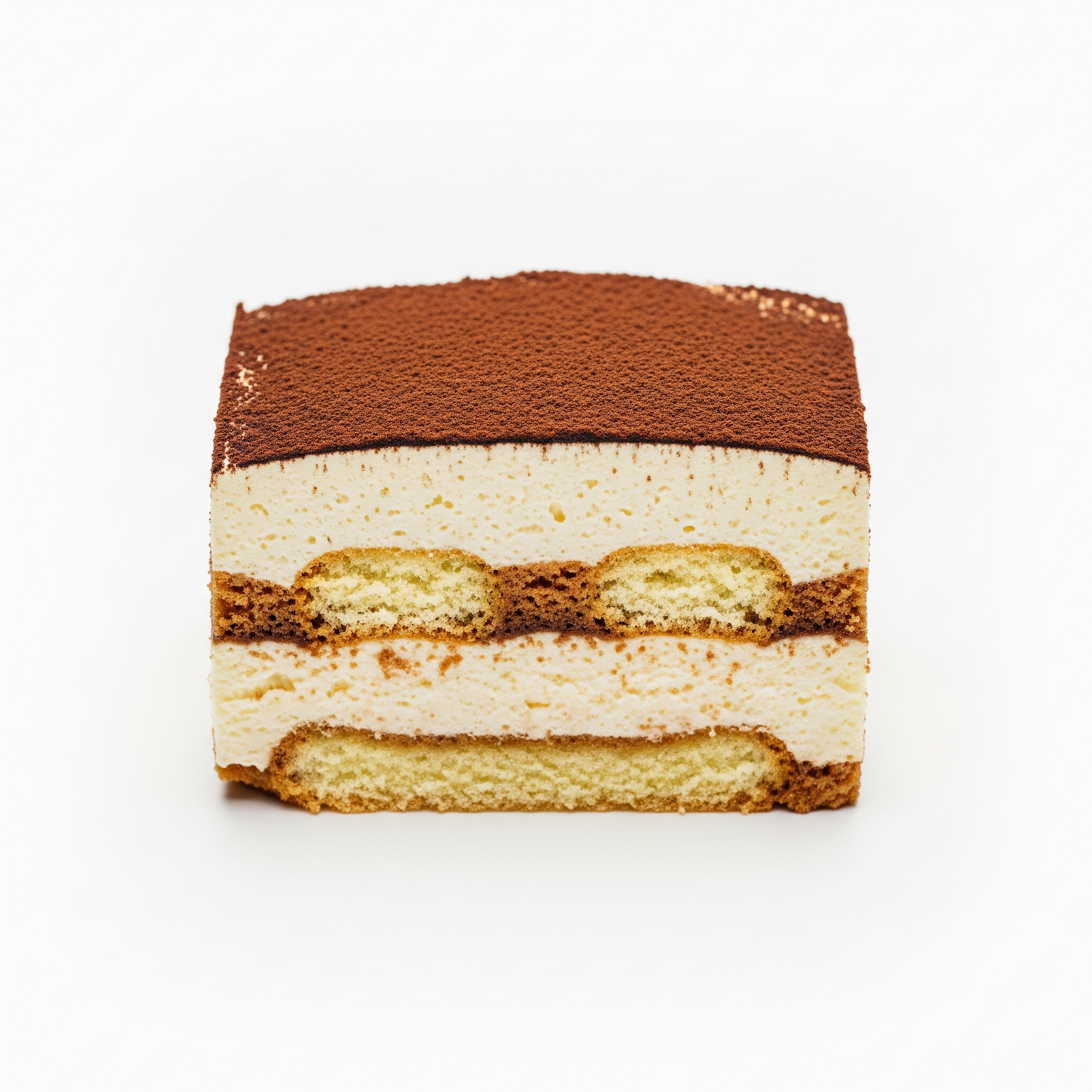
Tiramisu typically appears as a rectangular or square multi-layered dessert. Its form consists of alternating layers of espresso-soaked ladyfingers and a smooth, creamy mascarpone mixture. The top is characteristically dusted with a fine layer of unsweetened cocoa powder, lending a dark, velvety finish.
Served chilled, tiramisu functions as a rich, indulgent dessert commonly enjoyed at the end of meals. Its layered structure allows the coffee and cream flavors to meld over time, enhancing its taste and texture. It is a popular choice for celebrations and everyday dining alike, often found in restaurants, bakeries, and home kitchens.
Bring this kind into your world illustrated posters, mugs, and shirts.
Archival print, museum-grade paper
Buy Poster
Stoneware mug, dishwasher safe
Buy Mug
Soft cotton tee, unisex sizes
Buy ShirtTiramisu holds a prominent place in modern Italian culinary culture as a symbol of contemporary pastry innovation. It features frequently in Italian celebrations such as birthdays and weddings and has inspired countless adaptations worldwide. Its global popularity has made it an icon of Italian dessert artistry and a fixture in culinary competitions and media.
Key ingredients defining tiramisu include ladyfingers (savoiardi), espresso or strong coffee, mascarpone cheese, egg yolks, sugar, cocoa powder, and optionally Marsala wine or rum.

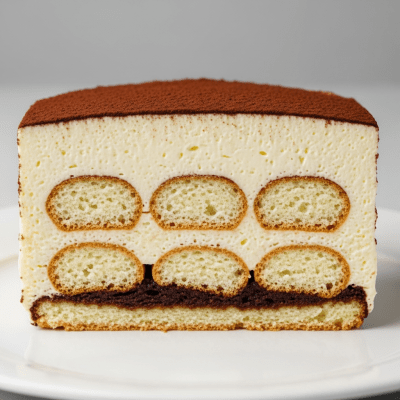

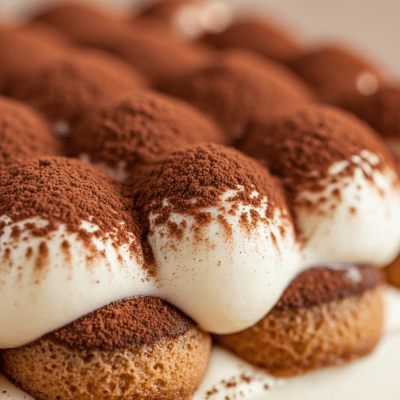
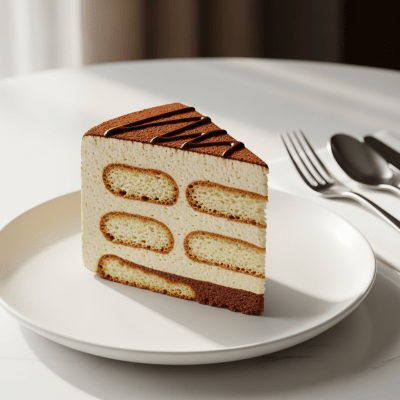
Preparation involves soaking ladyfingers in coffee or espresso, layering them alternately with a creamy mascarpone mixture made from egg yolks and sugar, and finishing with a dusting of cocoa powder. The assembled dessert is then chilled to allow flavors to meld and the texture to set.
Tiramisu offers a creamy, rich texture balanced by the soft, coffee-soaked ladyfingers. The mascarpone cream is smooth and velvety, while the cocoa powder topping adds a subtle bitterness that complements the sweetness. The overall flavor is a harmonious blend of coffee, cream, and gentle sweetness, enhanced by chilling.
Traditionally, tiramisu contains gluten (from ladyfingers), dairy (mascarpone cheese), and eggs. It may also include alcohol. Common dietary adaptations include eggless, alcohol-free, and gluten-free versions to accommodate allergies and preferences.
Notable regional variants include the original Veneto-style tiramisu, which uses mascarpone, espresso-soaked ladyfingers, and Marsala wine. Other Italian regions may substitute mascarpone with whipped cream or ricotta cheese and use different spirits, creating subtle differences in flavor and texture.
Tiramisu is commonly presented in rectangular or square dishes, served in individual portions or slices. Its classic decoration is a generous dusting of unsweetened cocoa powder atop the layered cream. Some modern presentations add chocolate shavings or a light sprinkle of cinnamon for visual and flavor variation.