Kueh Lapis
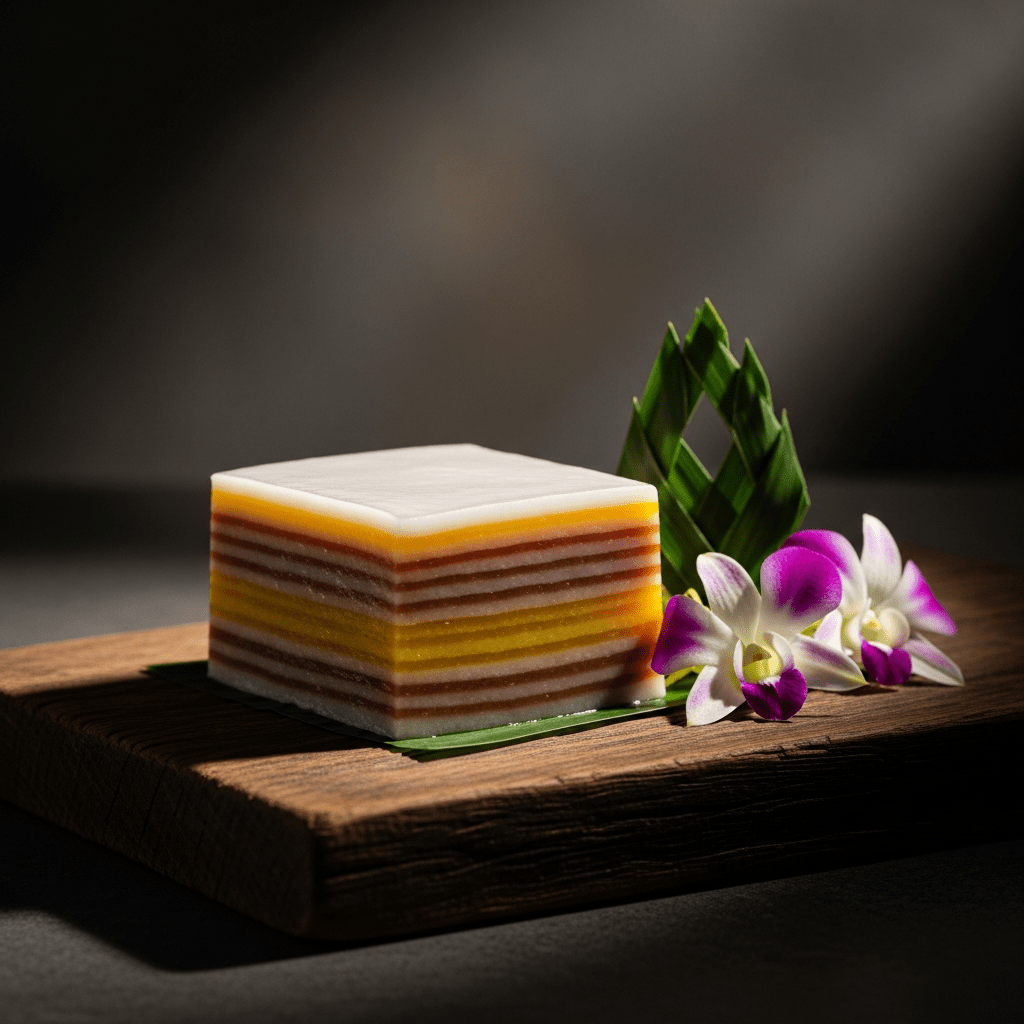
Kueh Lapis is a traditional Southeast Asian steamed layered cake known for its vibrant, multi-colored layers and soft, chewy texture.
Kueh Lapis is a traditional Southeast Asian steamed layered cake known for its vibrant, multi-colored layers and soft, chewy texture.
Originating from the Malay Archipelago, particularly Indonesia, Malaysia, and Singapore, Kueh Lapis reflects a rich cultural blend influenced by Peranakan and Indonesian culinary traditions. It has long been associated with festive occasions such as Lunar New Year and Hari Raya, symbolizing celebration and prosperity.
Kueh Lapis belongs to the family of steamed layered cakes, distinguished from baked varieties by its preparation method and gelatinous texture. It falls under the broader category of cakes characterized by multiple distinct layers, each steamed individually to maintain clear separation.
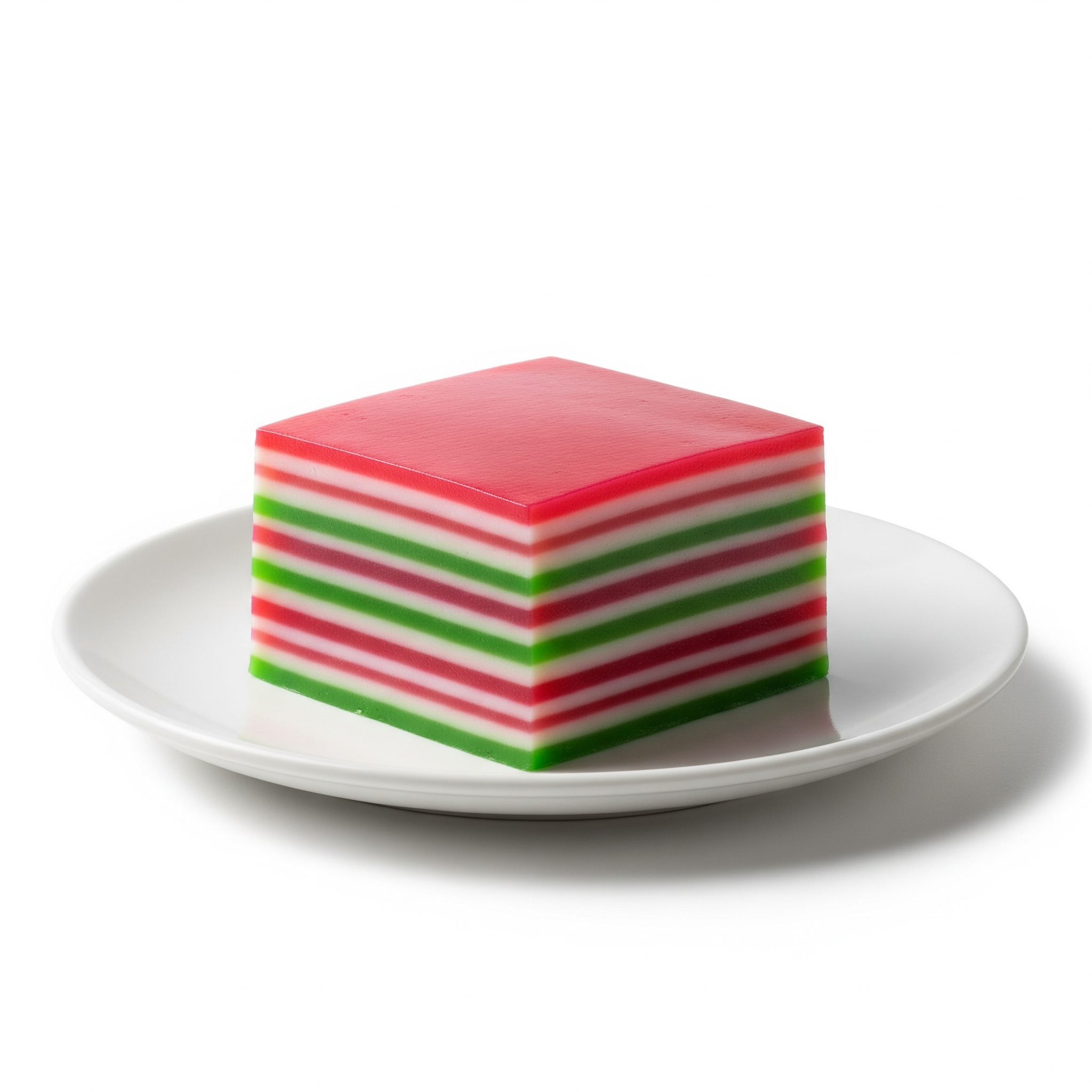
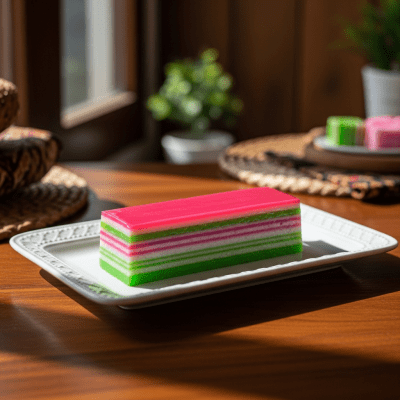
This cake typically takes a rectangular or square shape, composed of seven to nine vividly colored layers. Each layer is thin and translucent, creating a visually striking, rainbow-like effect. The layers can be peeled apart due to the cake's moist, gelatinous consistency.
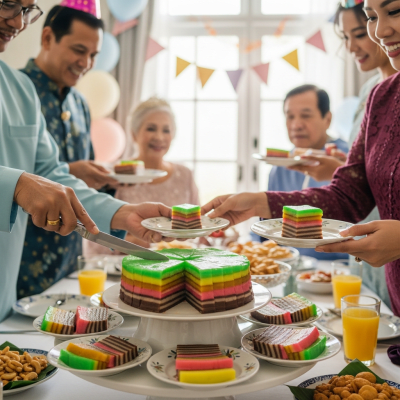
Kueh Lapis is enjoyed primarily as a snack or dessert, often served during tea time or special celebrations like weddings and religious festivals. Its layered form invites a tactile experience, as each layer can be separated and savored individually or together.
Bring this kind into your world illustrated posters, mugs, and shirts.
Archival print, museum-grade paper
Buy Poster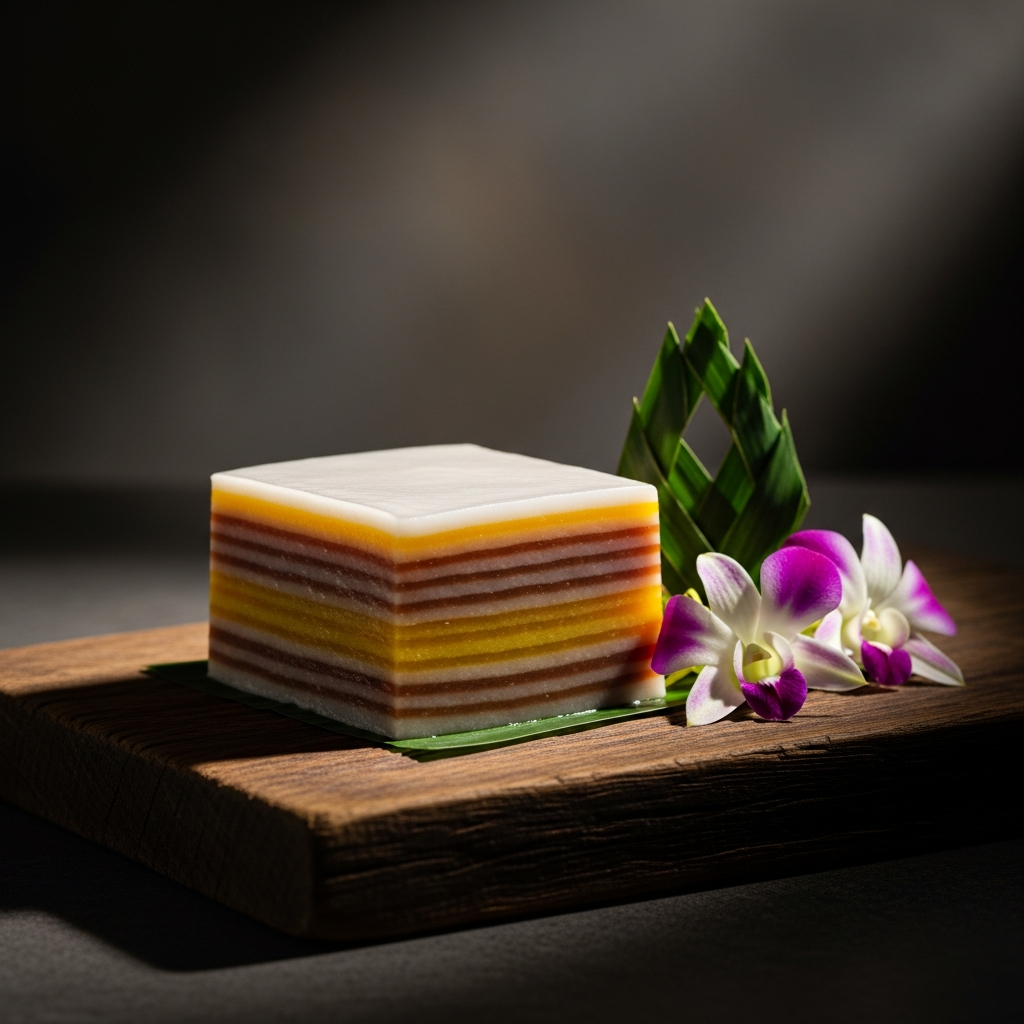
Stoneware mug, dishwasher safe
Buy Mug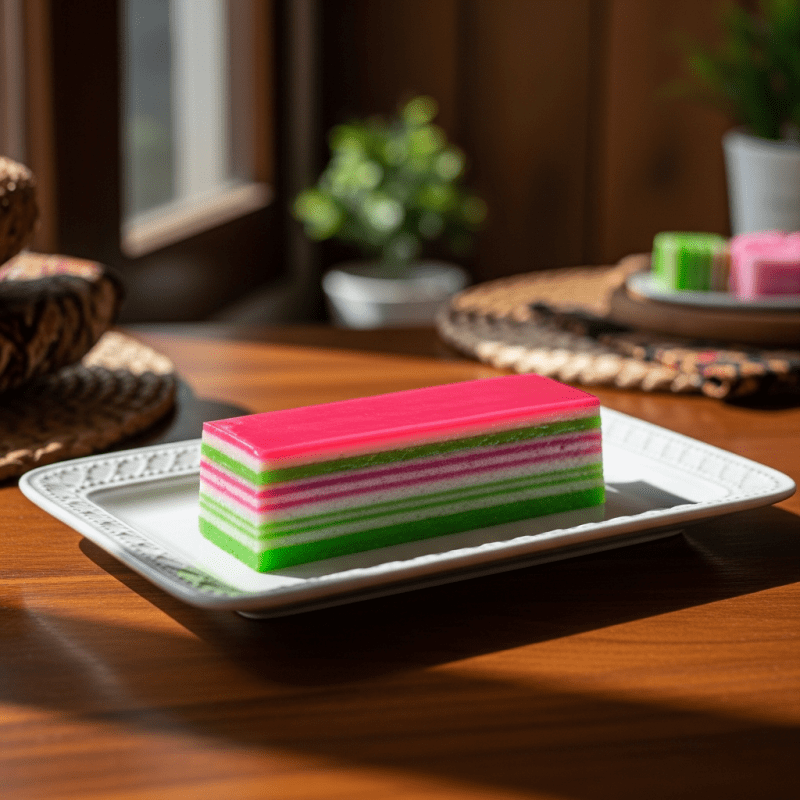
Soft cotton tee, unisex sizes
Buy ShirtDeeply embedded in Southeast Asian culture, Kueh Lapis symbolizes prosperity, joy, and progress. It frequently appears at festive gatherings and ceremonies, representing good fortune and communal harmony through its colorful, layered presentation.
Key ingredients include rice flour, tapioca flour, coconut milk, sugar, and food coloring, which together create the cake's signature texture and vibrant appearance.
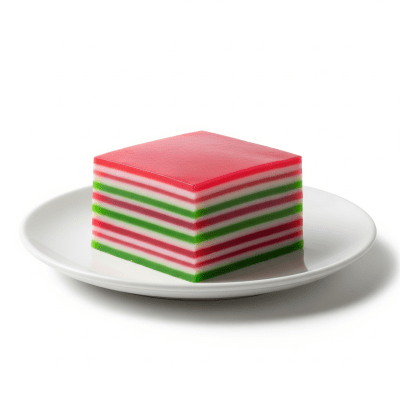
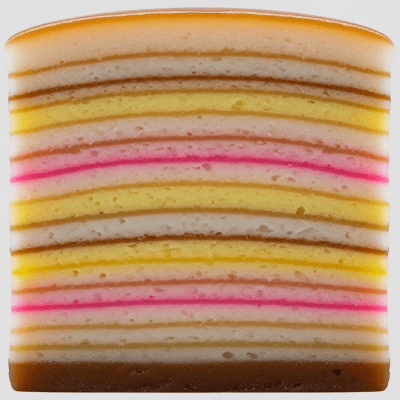
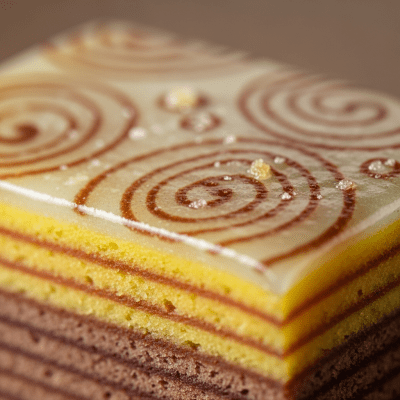
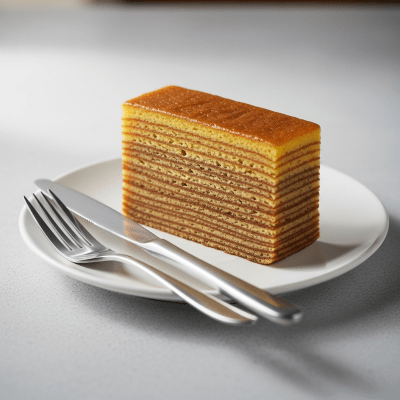
Kueh Lapis is prepared by steaming each colored layer individually in a mold, allowing each to set before adding the next. This meticulous process ensures clear, distinct layers and a tender, chewy consistency throughout.
The cake features a moist, chewy, and gelatinous texture, with each colorful layer offering a subtle sweetness and creamy coconut flavor. Its peelable layers provide a unique mouthfeel that distinguishes it from typical baked cakes.
Dietary considerations: Kueh Lapis is naturally gluten-free and dairy-free. It may contain eggs in some recipes, though this varies. It contains coconut milk, which can be an allergen for some. There are no common soy ingredients, and no widely known dietary variants such as vegan or sugar-free versions are standard.
In Indonesia, "Kue Lapis" may refer both to the steamed layered cake and to a distinct baked spiced cake called Spekkoek or Lapis Legit. In Malaysia and Singapore, "Kueh Lapis" typically denotes the steamed multi-layered version with bright colors. Variations may differ in the number of layers, color schemes, and subtle flavorings.
Kueh Lapis is usually presented simply, without additional decoration, allowing its vibrant layers to be the focal point. It is commonly cut into neat rectangular or square slices and served on plates or trays during tea time and festive occasions, emphasizing its colorful, layered beauty.