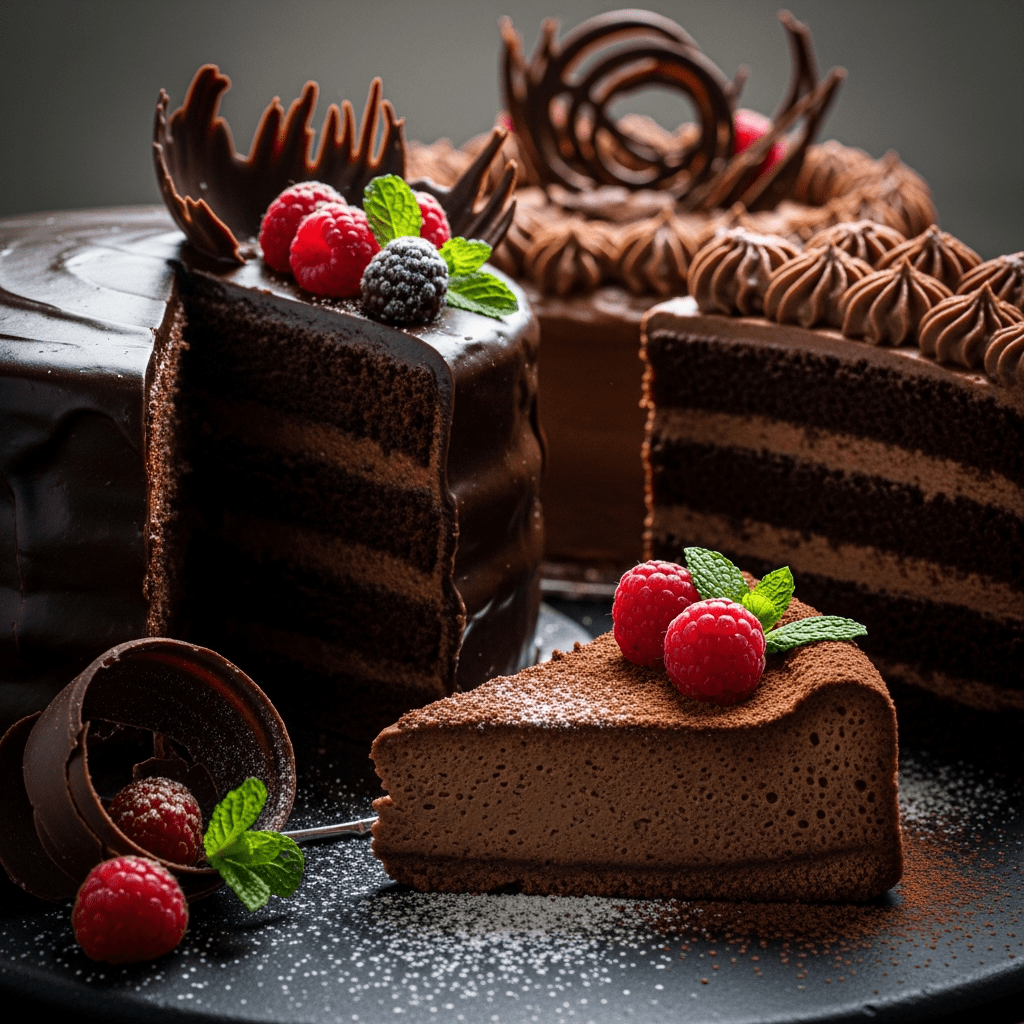
Chocolate Cake
Chocolate cake is a beloved sweet baked dessert defined primarily by its rich chocolate or cocoa flavor, enjoyed worldwide in a variety of forms from simple single layers to elaborate multi-layered creations.
Chocolate cake is a beloved sweet baked dessert defined primarily by its rich chocolate or cocoa flavor, enjoyed worldwide in a variety of forms from simple single layers to elaborate multi-layered creations.
Chocolate cake originated in 19th-century Europe, emerging alongside advances in chocolate processing such as Dutch cocoa powder and commercial chocolate production by companies like Fry and Cadbury. The earliest recorded recipes appeared in the United States in the late 1800s, marking the beginning of its global popularity.
As a member of the broader cake family, chocolate cake falls under the category of chocolate-flavored cakes, which include both flour-based and flourless varieties. It intersects with European gateaux and tortes, often distinguished by layering, richness, and ingredient composition.
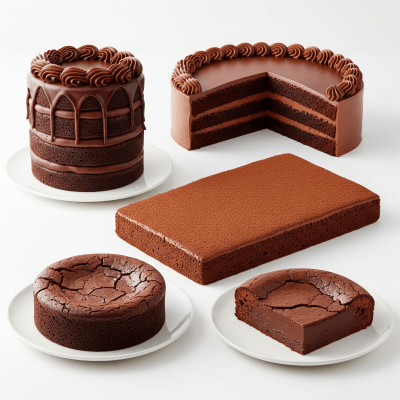
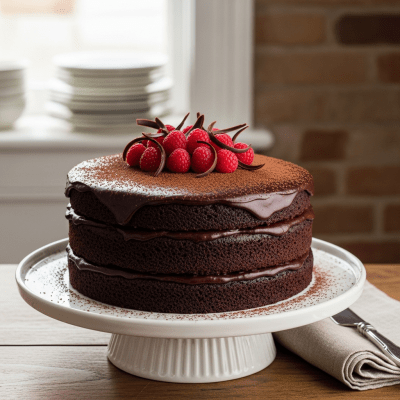
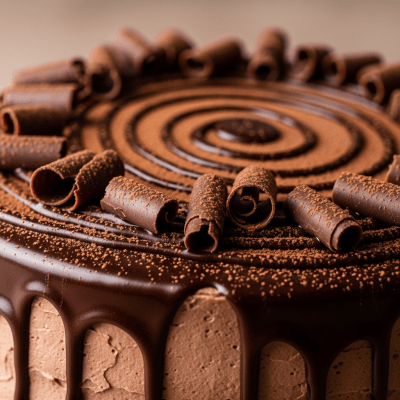
Chocolate cakes commonly take round, square, or rectangular shapes, with layering styles ranging from single to multiple tiers. Their appearance varies from lightly dusted powdered sugar to richly frosted surfaces adorned with ganache, buttercream, whipped cream, fruits, or nuts, creating an inviting and indulgent presentation.
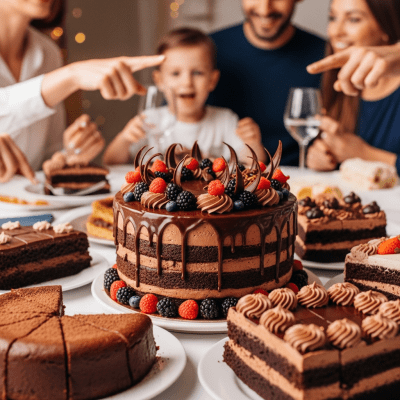
Chocolate cake serves primarily as a dessert and celebratory food, frequently featured at birthdays, weddings, holidays, and special occasions. It is enjoyed both as a homemade treat and a commercially produced product, ranging from mass-market cakes to artisanal patisserie offerings.
Bring this kind into your world illustrated posters, mugs, and shirts.
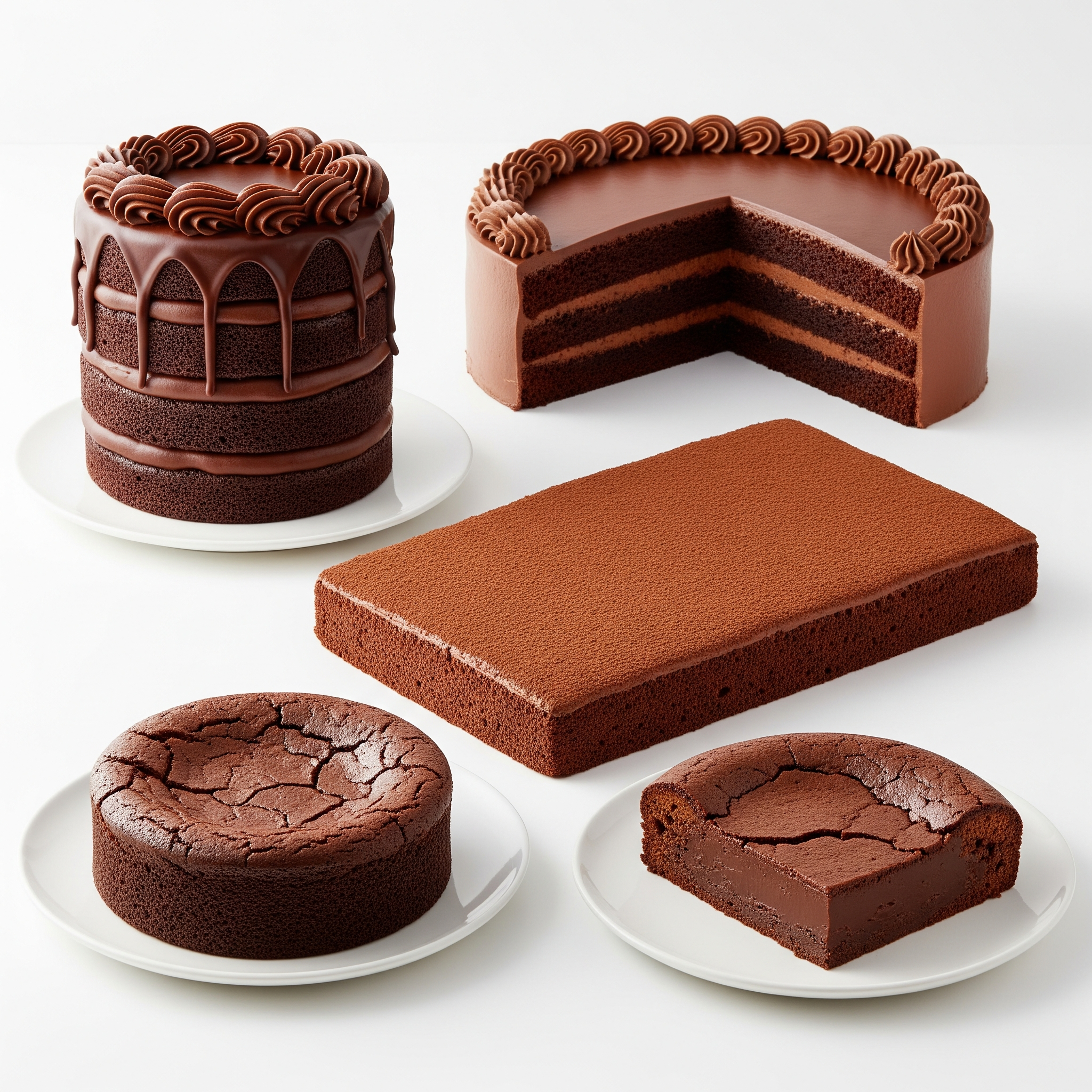
Archival print, museum-grade paper
Buy Poster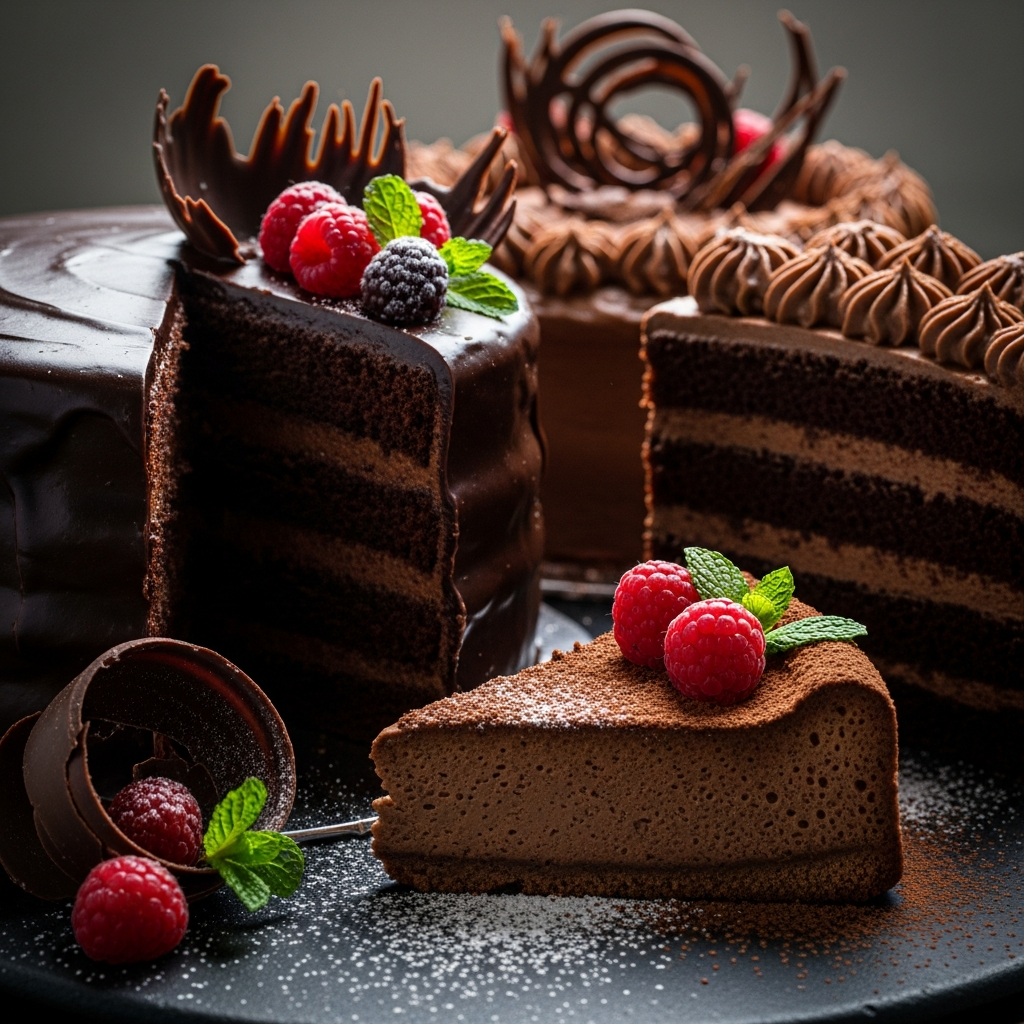
Stoneware mug, dishwasher safe
Buy Mug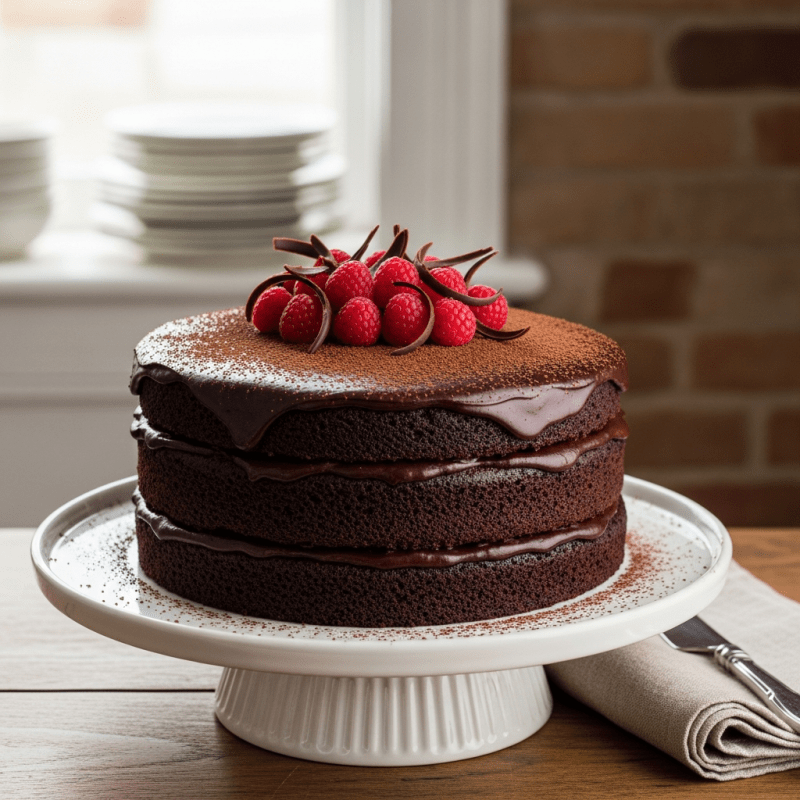
Soft cotton tee, unisex sizes
Buy ShirtRenowned as a symbol of indulgence and festivity, chocolate cake holds a cherished place in many cultures. Its presence in celebrations and popular culture underscores its role as a universal emblem of joy and special moments.
Chocolate cake’s character is defined by these primary ingredients:
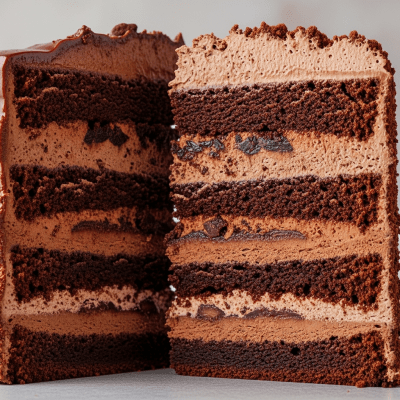
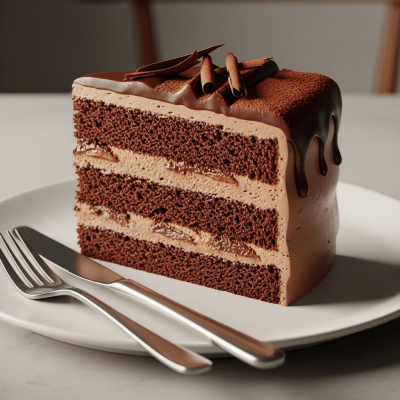
Chocolate cake is typically prepared by baking, involving mixing the main ingredients to create a batter that is poured into pans of various shapes and sizes, then baked until set. Some recipes incorporate layering and filling techniques, while others focus on single-layer simplicity.
Chocolate cake features a soft, moist crumb with textures ranging from light and airy—common in sponge or chiffon styles—to dense and fudgy, as seen in flourless or pound cake variants. Its flavor is characterized by a rich, deep chocolate taste that can vary in intensity depending on the type and amount of chocolate used.
⚠️ Dietary and Allergen Information: Traditional chocolate cakes contain gluten, dairy, and eggs, making them unsuitable for those with allergies to these ingredients. Some recipes may include nuts or soy. Gluten-free and vegan versions exist but are less common in classic recipes.
Chocolate cake boasts several notable regional variants, each with unique features:
Chocolate cakes are commonly decorated with a variety of toppings and finishes, including powdered sugar dustings, glossy ganache coatings, creamy buttercream or whipped cream frostings, and garnishes like fresh fruit or nuts. Presentation styles range from rustic simplicity to elaborate layered cakes designed for special occasions.