Origin Story
The classification of planets originated from centuries of astronomical observation, evolving significantly with the discovery of exoplanets beyond our Solar System. Early definitions focused on Solar System bodies, but the explosion of exoplanet detections since the 1990s necessitated a broader, multi-dimensional taxonomy. This system reflects planetary origins, formation environments, and dynamical evolution, integrating both classical and modern insights.
Classification
Planets are classified within a hierarchical framework encompassing categories, classes, subclasses, and variants. Broadly, they fall into rocky (terrestrial), giant (gas and ice giants), dwarf, and rogue planets. Subclasses refine these groups by mass, orbit, or atmospheric traits, such as super-Earths, mini-Neptunes, hot Jupiters, and circumbinary planets. This multi-frame approach—composition, mass/size, orbit, and dynamical status—ensures comprehensive and interoperable categorization.
Appearance or Form
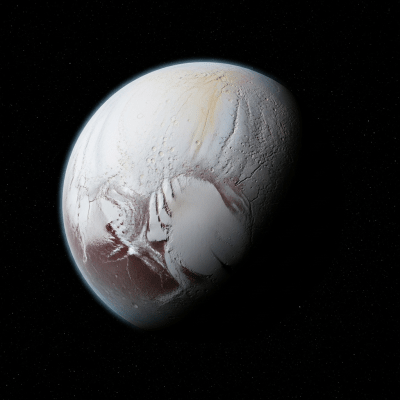
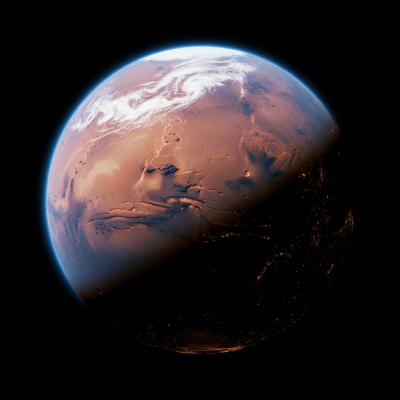
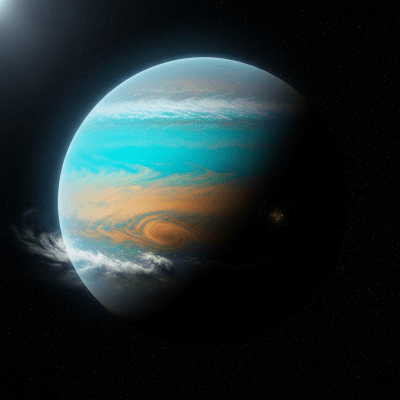
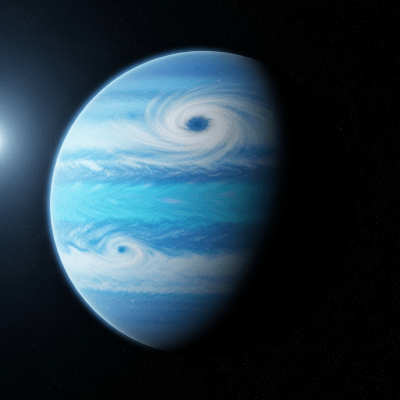
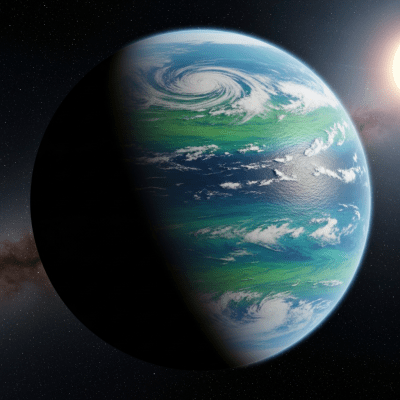
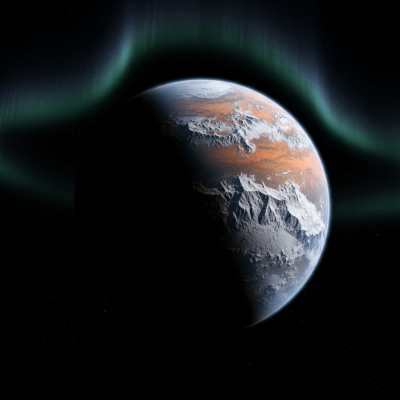
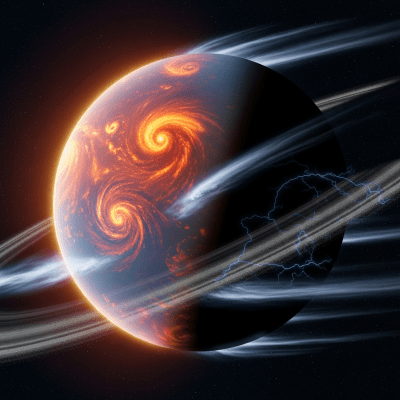
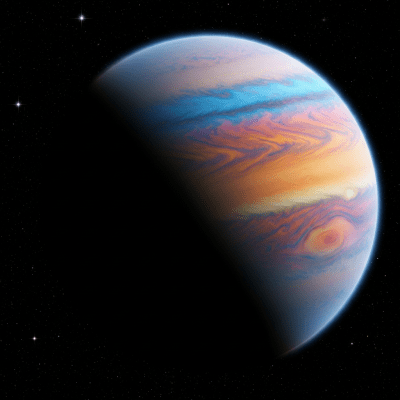
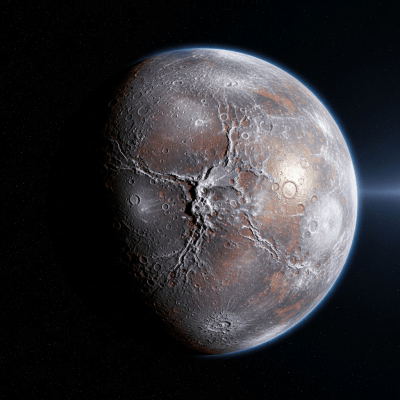
Planetary appearances vary widely, shaped by their composition and environment. Terrestrial planets are rocky with solid surfaces, often with metal cores and silicate mantles. Gas giants display thick, hydrogen-helium atmospheres with possible metallic hydrogen interiors, while ice giants contain significant volatile ices beneath gaseous envelopes. Dwarf planets are smaller, often irregularly shaped but in hydrostatic equilibrium. Exotic types may exhibit oceans, carbon-rich surfaces, or stripped rocky cores.
Behavior or Usage
Planets interact dynamically within their star systems, influencing orbital architectures and potential habitability. Humans study planets to understand planetary formation, atmospheric processes, and the potential for life. Classification aids mission planning, target selection for observation, and comparative planetology. While direct human utilization is limited to Earth, understanding planet types guides exploration and informs models of planetary system evolution.