Dwarf Planet
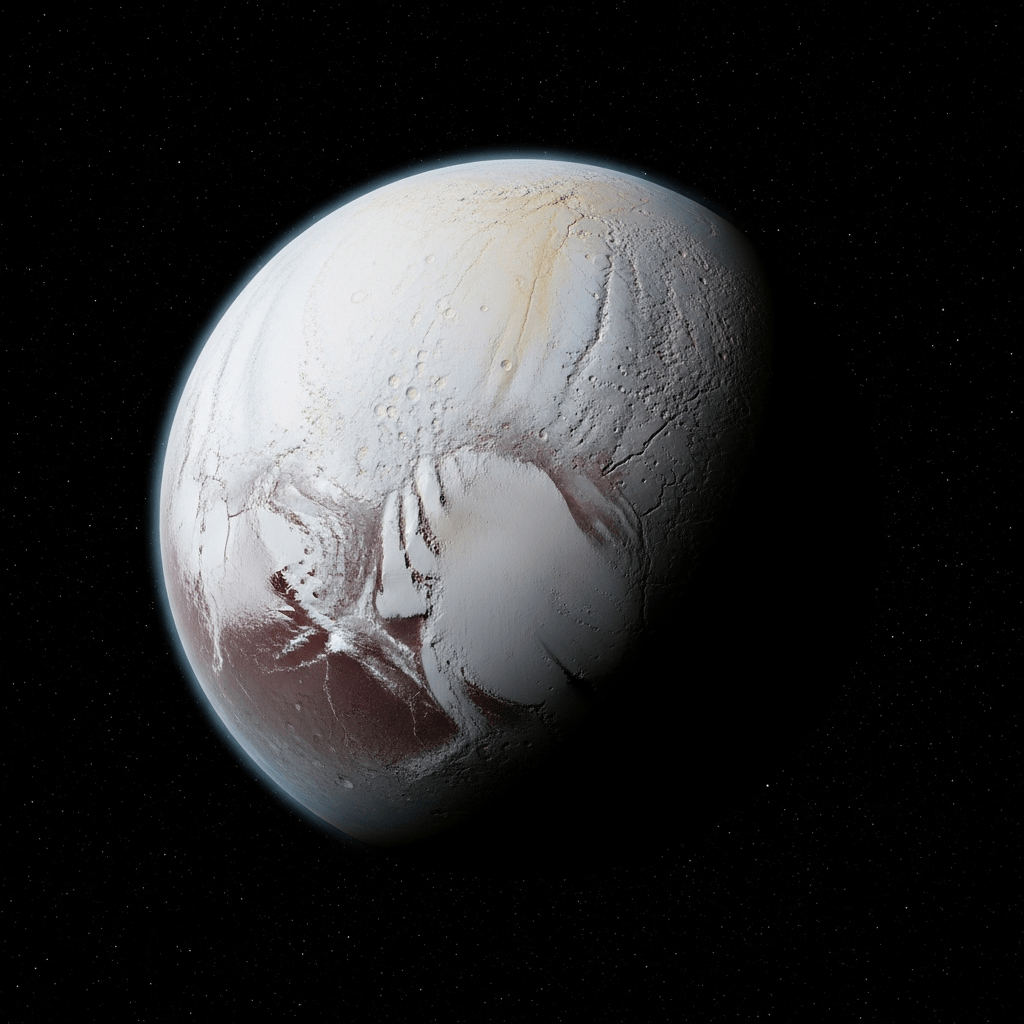
A dwarf planet is a celestial body orbiting the Sun that is massive enough for its gravity to shape it into a nearly round form but has not cleared its orbital neighborhood of other debris.
A dwarf planet is a celestial body orbiting the Sun that is massive enough for its gravity to shape it into a nearly round form but has not cleared its orbital neighborhood of other debris.
The concept of the dwarf planet was formally introduced by the International Astronomical Union (IAU) in 2006 amid debates over Pluto's planetary status. This new classification arose from discoveries of large objects in the Kuiper Belt and beyond—such as Eris—that challenged the traditional nine-planet model and necessitated clearer definitions within the Solar System.
Dwarf planets belong to a distinct category within planetary taxonomy, separate from classical planets and small Solar System bodies. They are defined primarily by their hydrostatic equilibrium shape and their failure to clear their orbital zones. This classification is specific to Solar System objects and includes subtypes like asteroid belt dwarf planets (e.g., Ceres) and trans-Neptunian dwarf planets (e.g., Pluto, Eris).
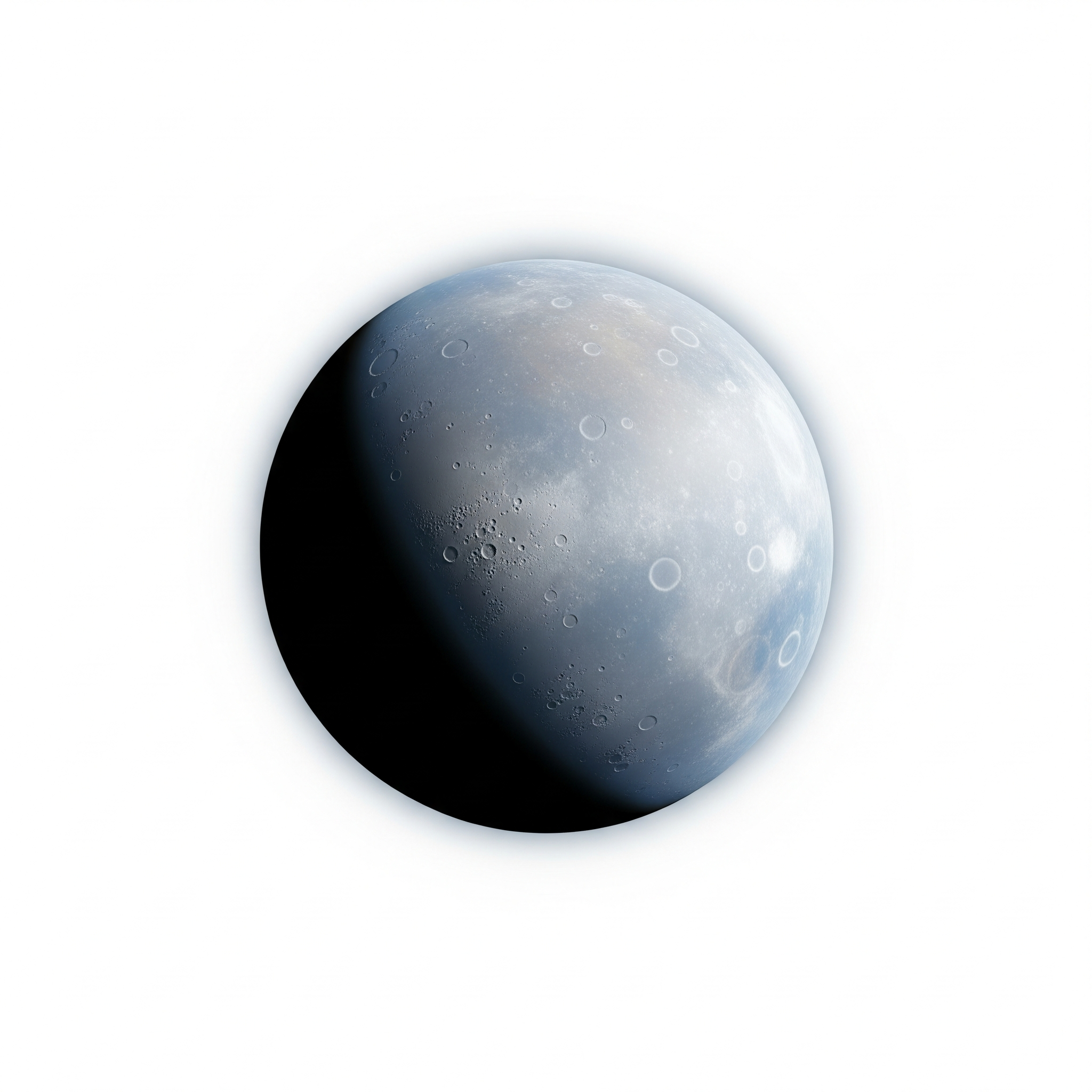
Dwarf planets exhibit a spheroidal shape caused by their self-gravity achieving hydrostatic equilibrium. Their sizes range from roughly 400 kilometers in radius, like Ceres, up to about 1,200 kilometers, as seen with Pluto. Their compositions vary widely, including rocky, icy, or mixed materials, resulting in diverse surface textures and appearances.
While dwarf planets do not serve a functional role for humans, they are key to understanding planetary formation and Solar System evolution. Their interactions with surrounding debris and their orbital dynamics provide insight into the processes that govern planetary neighborhoods and the distribution of small bodies in space.
Bring this kind into your world illustrated posters, mugs, and shirts.
Archival print, museum-grade paper
Buy Poster
Stoneware mug, dishwasher safe
Buy Mug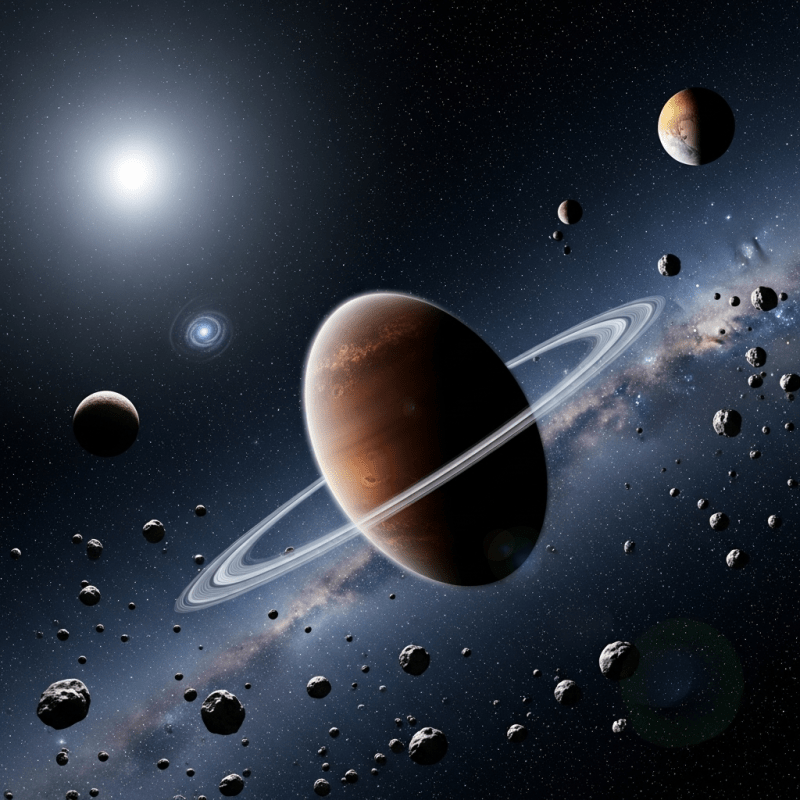
Soft cotton tee, unisex sizes
Buy ShirtDwarf planets, especially Pluto, have captured public imagination and influenced culture, art, and mythology. Pluto's reclassification sparked widespread discussion and inspired numerous artistic works, symbolizing themes of change and scientific progress. The term "plutoid" further highlights their cultural and scientific identity as distant, icy worlds.
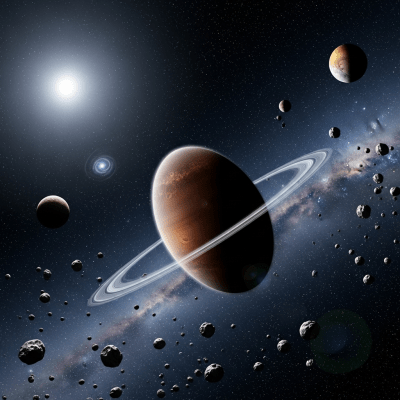
Typically, dwarf planets orbit the Sun at distances ranging from about 2.77 astronomical units (AU), as with Ceres in the asteroid belt, to over 30 AU for trans-Neptunian objects like Pluto and Eris. Their orbital periods vary accordingly, from a few years to several centuries. Their orbits often coexist with numerous other small bodies, reflecting their inability to clear their neighborhoods.
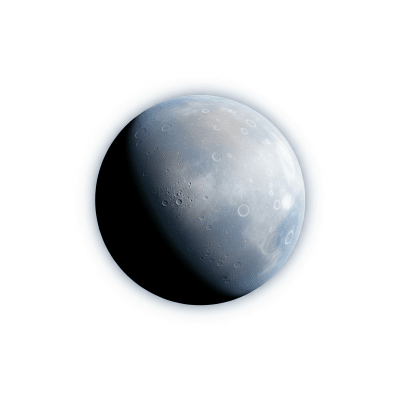
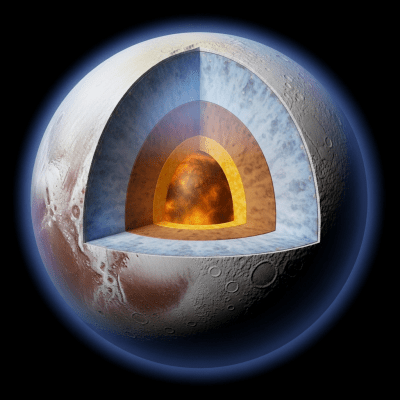
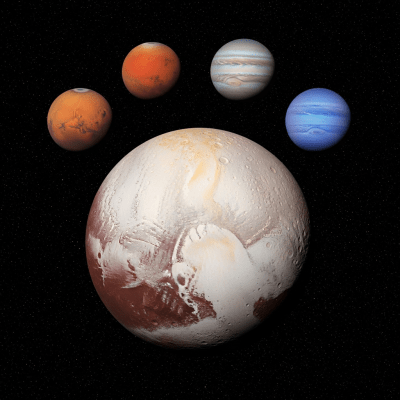
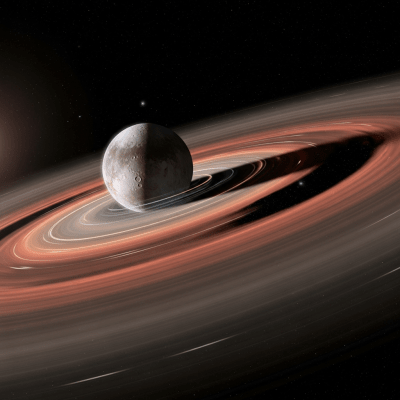
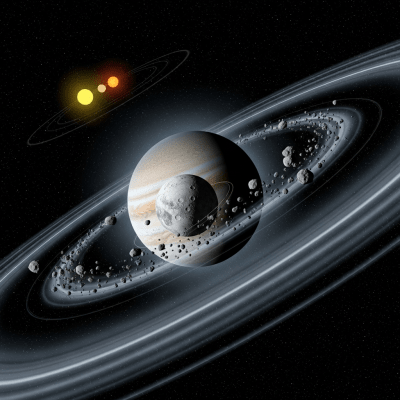
Dwarf planets generally have masses around 0.01 Earth masses and radii starting near 400 kilometers. Their densities vary with composition, from approximately 2.16 grams per cubic centimeter for rocky bodies like Ceres to lower densities for icy or mixed compositions. Their morphology is characterized by a rounded, spheroidal shape resulting from hydrostatic equilibrium.
Some dwarf planets possess tenuous atmospheres primarily composed of nitrogen. Pluto's atmosphere is thin but detectable, while Eris may develop a transient atmosphere when it approaches perihelion. Most dwarf planets, however, have negligible or no atmospheres due to their small size and low gravity.
Dwarf planets have been the focus of several space missions, most notably NASA's Dawn mission, which studied Ceres in detail, revealing its rocky surface and evidence of past water activity. The New Horizons spacecraft provided unprecedented close-up observations of Pluto and its moons, vastly expanding our understanding of these distant worlds.
Due to their small size, low temperatures, and tenuous atmospheres, dwarf planets are generally inhospitable to life as we know it. However, some, like Ceres, show signs of subsurface water or ice, sparking interest in their potential for hosting microbial life or as targets for future exploration related to astrobiology.