Origin Story
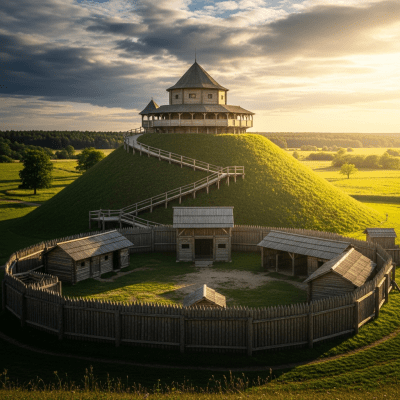
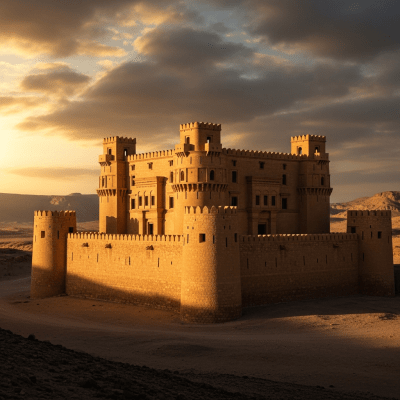
The story of castles begins in the early medieval era, around the 9th century, as Europe faced waves of invasions and political fragmentation. Nobles and rulers responded by constructing fortified residences—first in wood and earth, later in stone—to safeguard their people and assert control over their lands. While the classic image of a castle is rooted in European history, similar fortified dwellings arose in regions as diverse as Japan and the Middle East, each adapting to local threats and traditions. Over centuries, castles evolved from simple motte-and-bailey designs to complex stone fortresses, reflecting advances in military technology and shifting social needs.
Classification
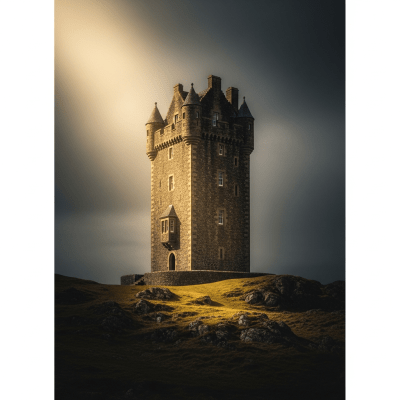
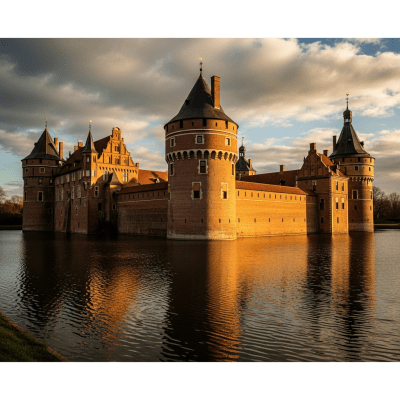
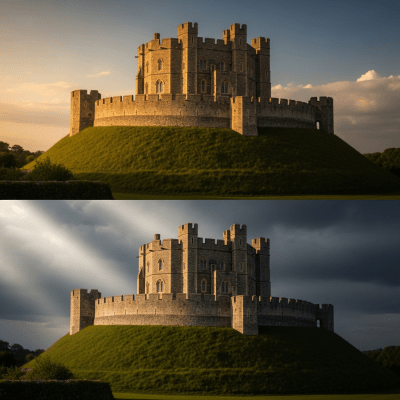
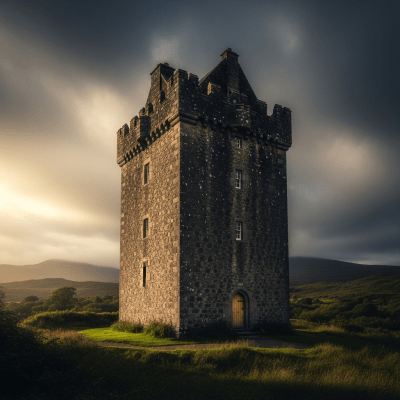
Castles are classified by their structure, function, period, and region. Major types include motte-and-bailey, stone keep, concentric, shell keep, tower house, and water castles. These categories are further refined by era—early, high, and late medieval, as well as Renaissance transitions—and by geographical style, such as British, French, Germanic, Iberian, and Japanese. While most castles share defensive and residential roles, variations in architecture and terminology (like 'château' in French or 'burg' in German) reflect regional histories and cultural priorities.
Appearance or Form
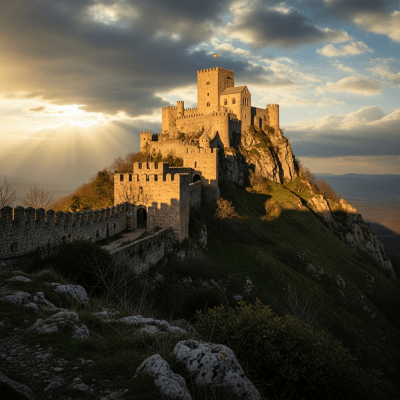
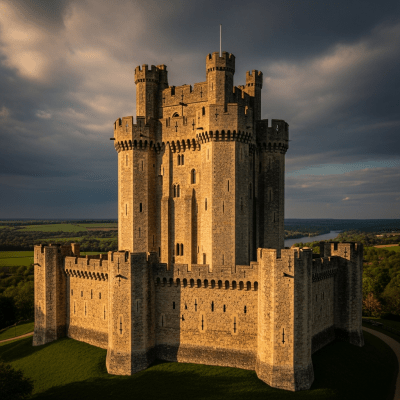
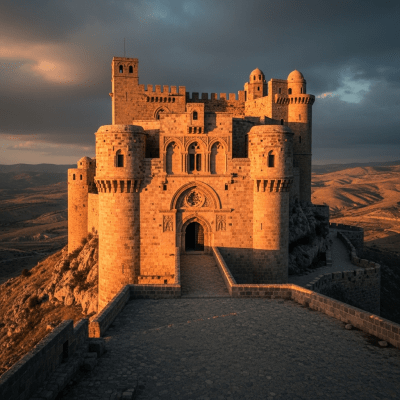
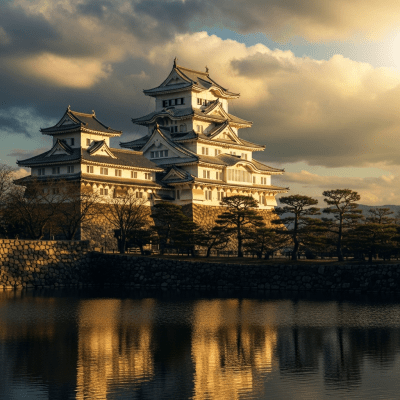
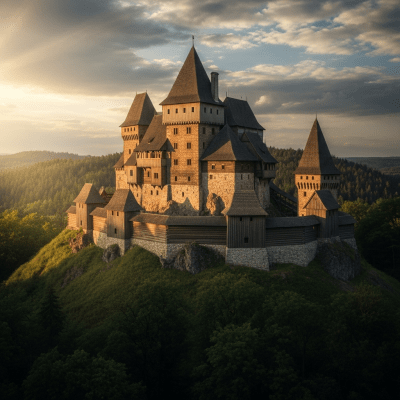
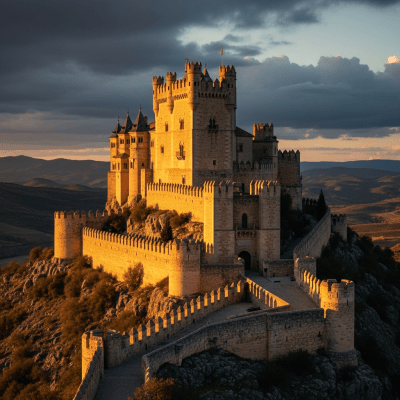
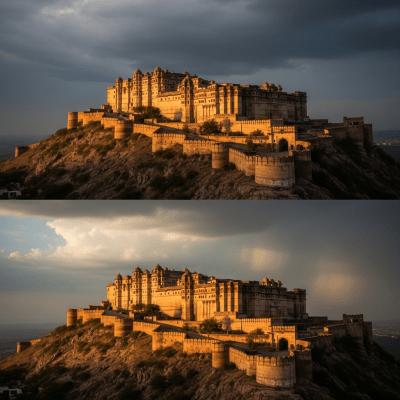
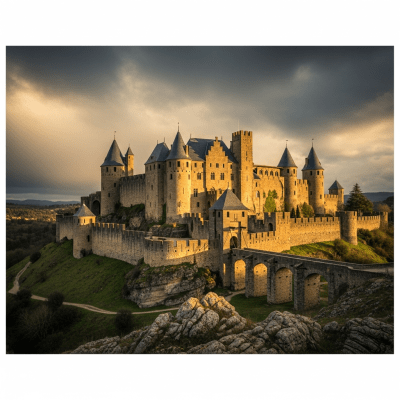
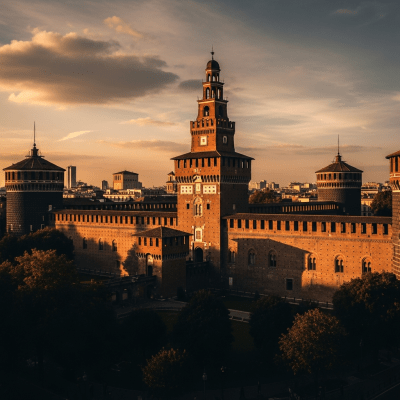
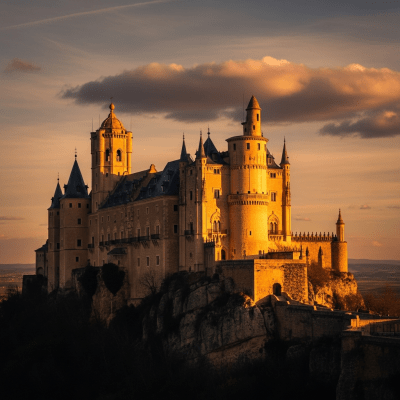
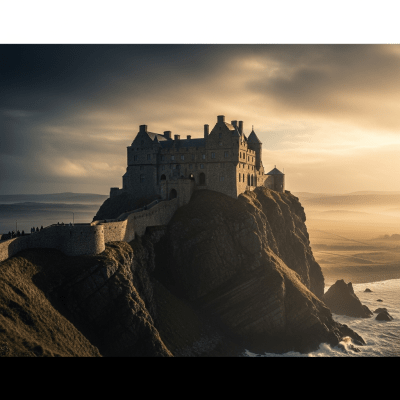
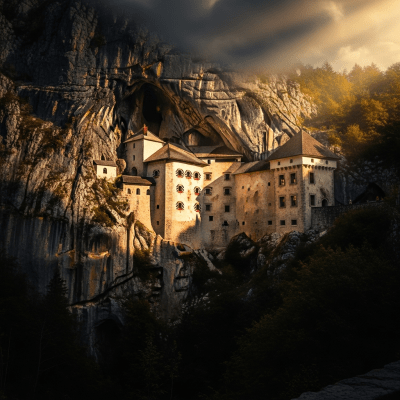
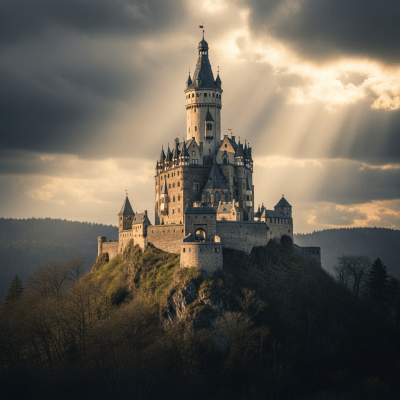
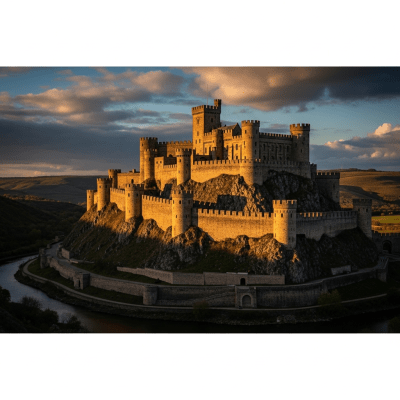
Castles are visually striking, often perched atop hills or surrounded by moats, with thick stone walls, towers, and imposing gateways. Early wooden fortifications gave way to massive stone keeps, curtain walls, and concentric layers of defense. Features like battlements, arrow slits, and drawbridges evoke a sense of strength and ingenuity. Inside, castles might include great halls, private chambers, chapels, and courtyards, blending austere military design with elements of domestic comfort and grandeur. Regional differences abound: Japanese castles, for instance, feature sweeping tiled roofs and ornate wooden interiors, while European examples emphasize verticality and stonework.
Behavior or Usage
Castles served as both fortresses and homes, providing protection against attack while functioning as administrative centers and symbols of authority. They housed noble families, garrisons, and sometimes entire communities during sieges. Beyond defense, castles were hubs of governance, justice, and economic activity, overseeing surrounding lands and resources. In modern times, many castles have been restored as museums, tourist attractions, or private residences, continuing to shape local identity and heritage.