Kremlin (Russian Castle/Fortress)
The Kremlin is a fortified central complex found in Russian cities, serving as both a defensive stronghold and the seat of political and religious authority from the medieval era onward.
The Kremlin is a fortified central complex found in Russian cities, serving as both a defensive stronghold and the seat of political and religious authority from the medieval era onward.
The origins of kremlins trace back to the early medieval period (11th–12th centuries) in Russia, when local princes and city authorities constructed these citadels to safeguard urban centers from invasions and internal conflict. The term "kremlin" comes from the Russian "кремль," meaning fortress or citadel. The Moscow Kremlin, first built in the late 12th century and extensively rebuilt in the 15th–16th centuries under Ivan III, marks the transition from wooden ramparts to monumental stone and brick fortifications, setting a template for later kremlins across Russia.
Kremlins belong to the broader family of medieval castles and fortresses, but are distinct in their integration of administrative, residential, and ecclesiastical functions within a single walled enclosure. While European castles often focus on noble residence and military defense, kremlins uniquely blend political, religious, and military roles, serving as the nerve center of Russian cities. In regional taxonomy, kremlins are classified as fortified urban complexes, and their closest analogues elsewhere are citadels or monumental fortresses, though these typically lack the same administrative-religious fusion.
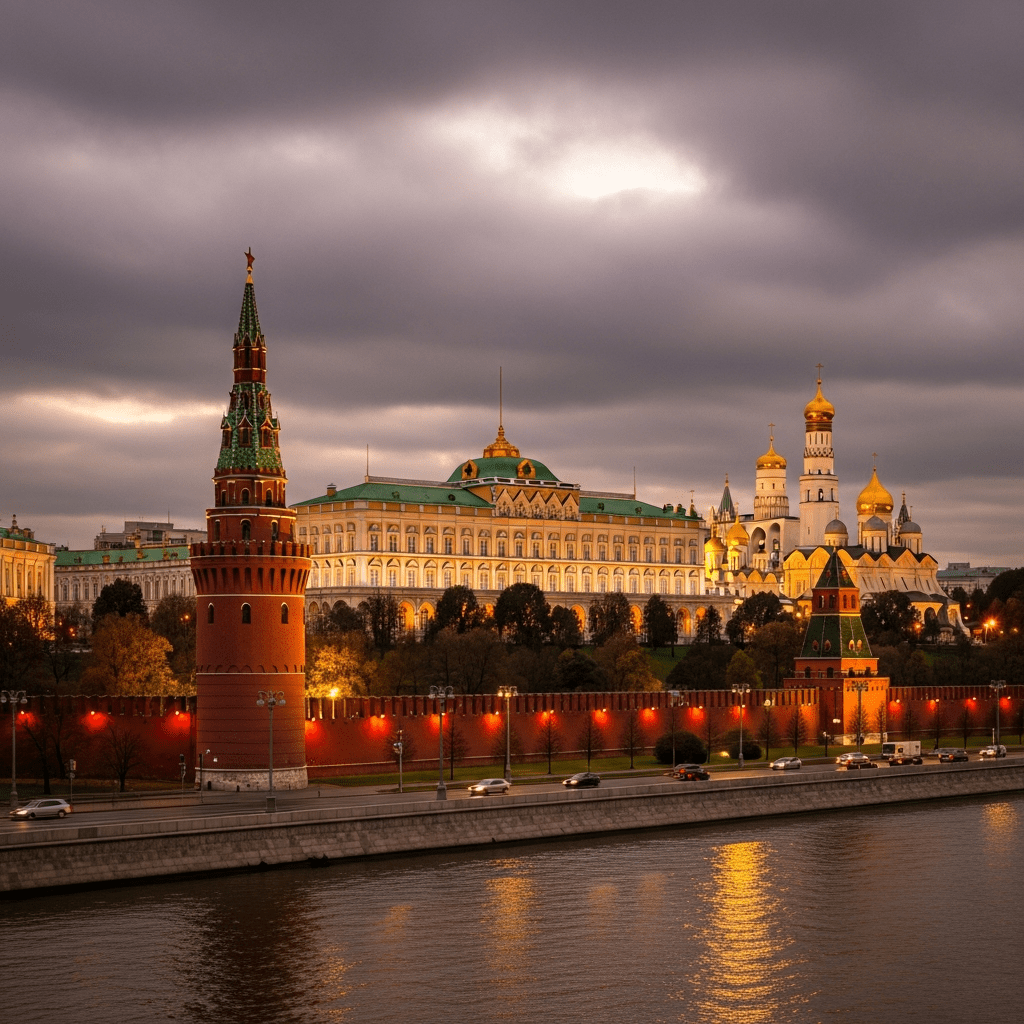
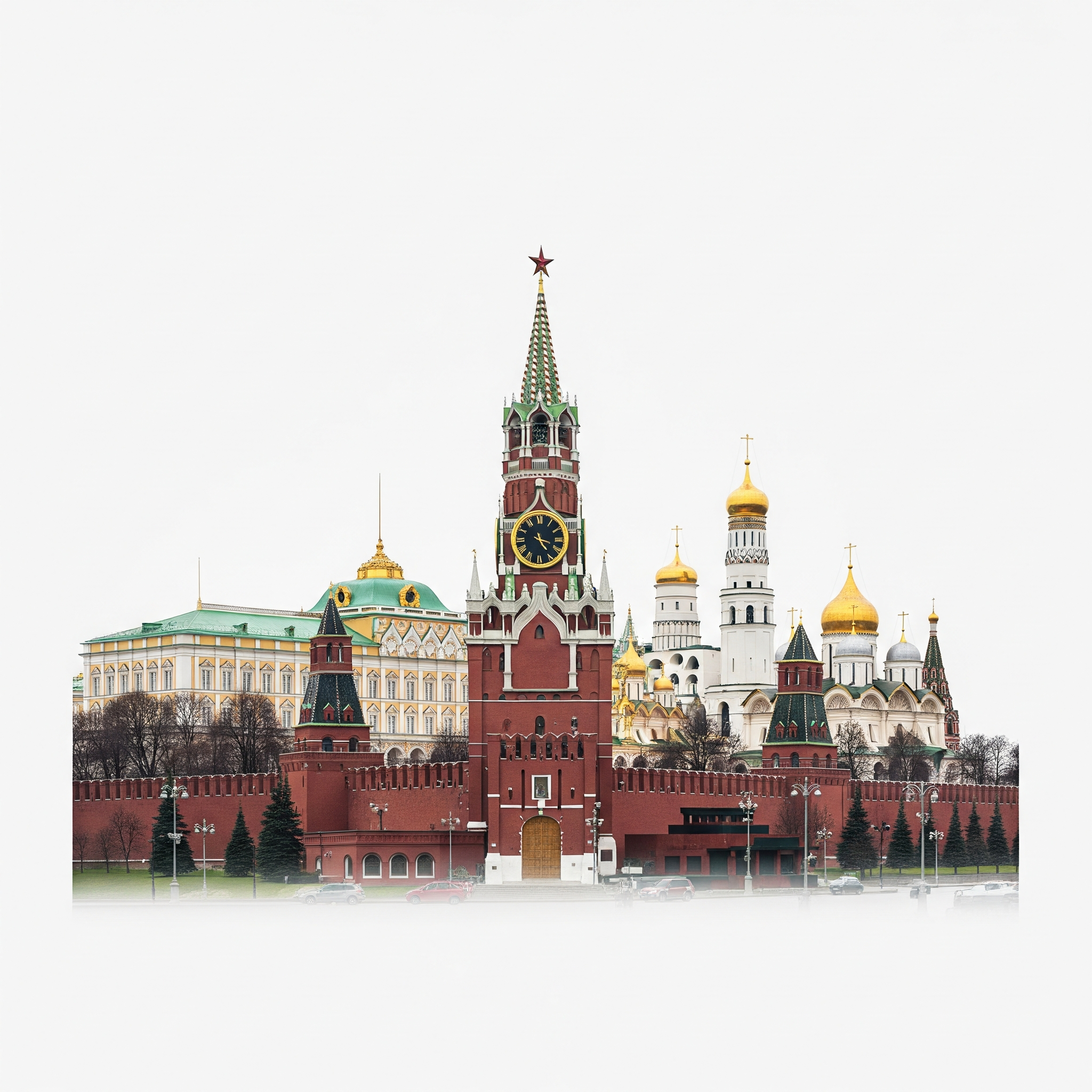
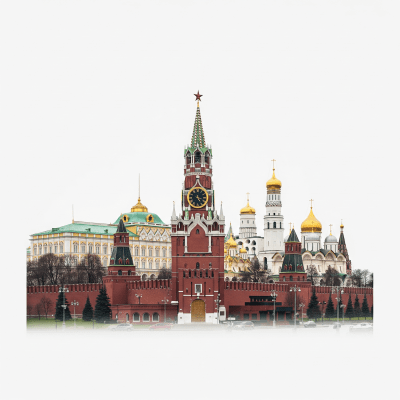
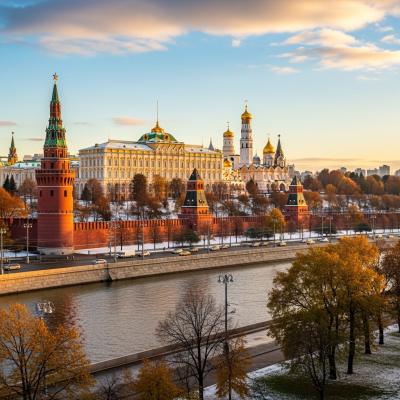
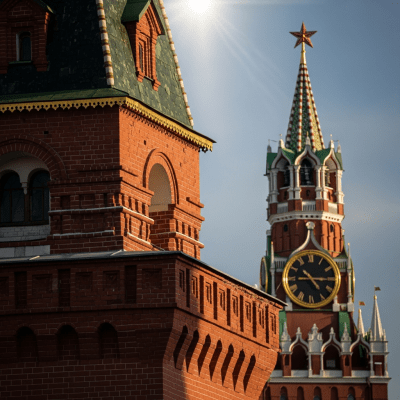
Kremlins are visually striking, defined by massive stone or brick walls—sometimes up to 19 meters high—punctuated by towers of various shapes (rectangular, round, octagonal). Many are built on elevated ground or beside rivers for strategic defense. Architectural features include moats, battlements, machicolations, and imposing fortified gates such as Moscow’s Spasskaya Tower. Inside, kremlins enclose cathedrals with gilded domes, palaces, administrative buildings, arsenals, and sometimes bustling markets, creating a layered city-within-a-city atmosphere. Regional variations range from Novgorod’s limestone and brick Detinets to the Siberian adaptations of Tobolsk Kremlin.
Historically, kremlins functioned as the administrative and military heart of Russian cities. They housed ruling elites, religious leaders, and garrisons, and served as refuges during sieges and revolts. Kremlins hosted coronations, diplomatic gatherings, and religious ceremonies, acting as both the seat of secular power and spiritual authority. In modern times, many kremlins have become museums, heritage sites, or government centers, with the Moscow Kremlin remaining the epicenter of Russian federal governance.
Bring this kind into your world illustrated posters, mugs, and shirts.
Archival print, museum-grade paper
Buy Poster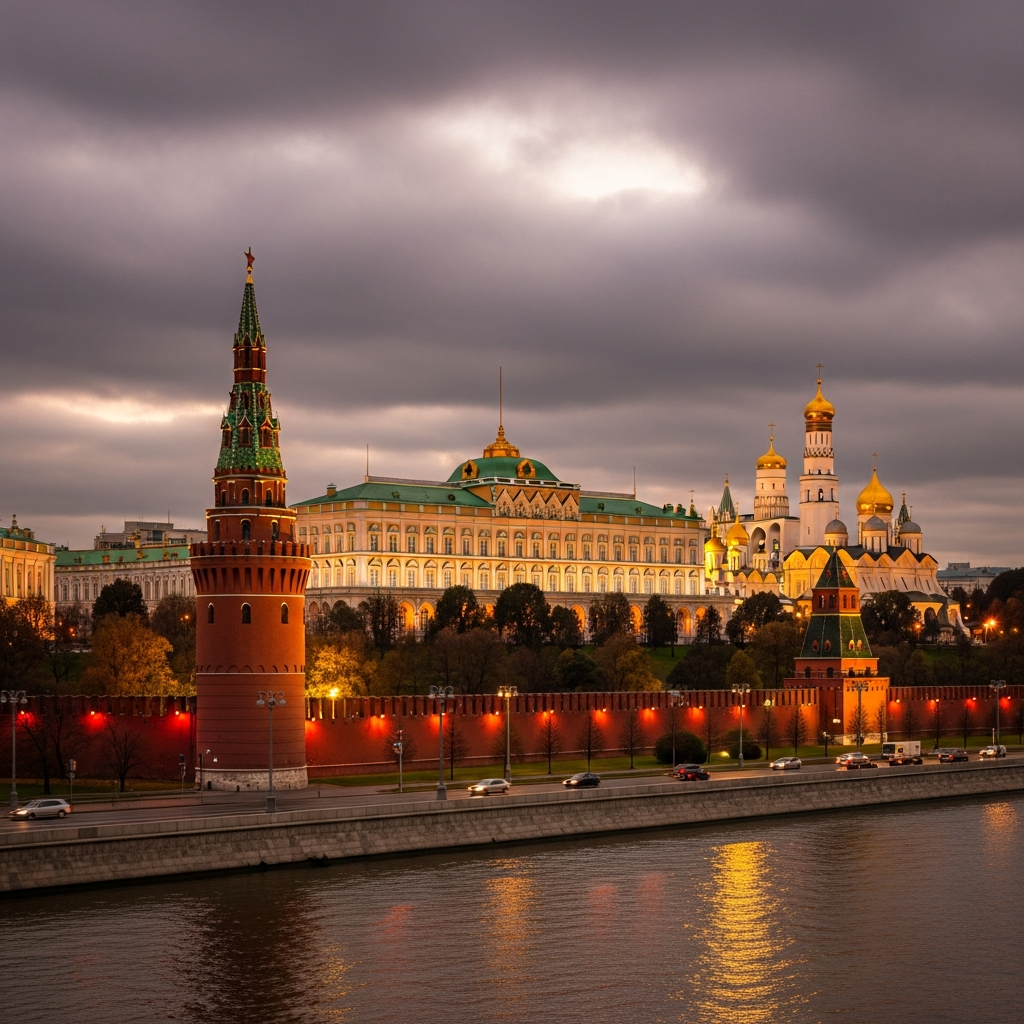
Stoneware mug, dishwasher safe
Buy Mug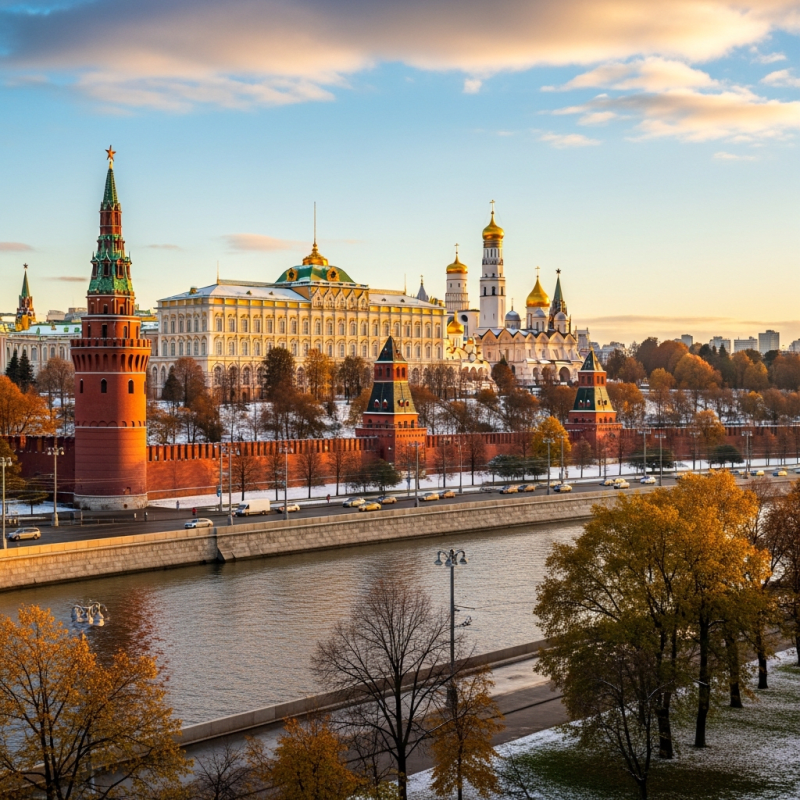
Soft cotton tee, unisex sizes
Buy ShirtKremlins are potent symbols of Russian statehood and central authority, deeply embedded in national identity and iconography. The Moscow Kremlin, in particular, is recognized worldwide as the seat of Russian power, appearing in art, literature, and media. The term "kremlin" itself has become synonymous with the Russian government, reflecting its enduring cultural resonance. Kremlins also serve as settings for folklore, historical drama, and religious tradition, reinforcing their status as both physical and symbolic centers of Russian life.
Key architectural features of kremlins include thick stone or brick walls, towers of various shapes, moats, battlements, machicolations, and fortified gates. Inside, kremlins contain cathedrals with gilded domes, palaces, administrative buildings, arsenals, and sometimes markets. The Moscow Kremlin showcases the Grand Kremlin Palace, several cathedrals, and the Ivan the Great Bell Tower. Regional kremlins may use local materials—such as limestone in Novgorod or Siberian adaptations in Tobolsk—and differ in layout and scale.

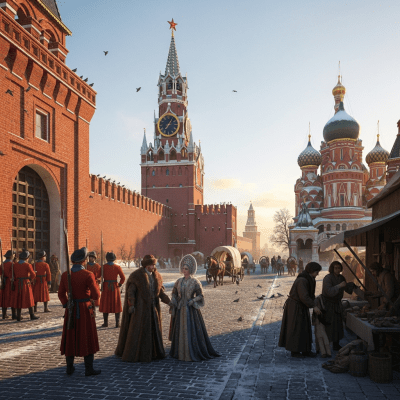

Kremlins have served as administrative, military, and religious centers throughout Russian history. They were the residence of princes, tsars, and city rulers, and housed garrisons and clergy. During times of siege or unrest, kremlins provided refuge and defense for the population. They hosted coronations, diplomatic summits, and religious ceremonies, and played pivotal roles in political transitions and revolts. Today, many kremlins function as museums, heritage sites, or government buildings, preserving their legacy as symbols of Russian power and continuity.
The term "kremlin" is specific to Russian and some adjacent Slavic contexts. Regional variants include "Detinets" in Novgorod, which emphasizes local materials like limestone and brick, and Siberian kremlins such as Tobolsk, adapted for harsh climates. While similar complexes elsewhere may be called "citadels" or "fortresses," they typically lack the administrative and religious integration seen in Russian kremlins. Heritage registers may list kremlins as "historic fortresses" or "monumental complexes," reflecting their unique status in Russian architecture and history.
Many kremlins have undergone extensive restoration and are protected as federal monuments or UNESCO World Heritage Sites. The Moscow Kremlin, for example, is meticulously maintained and serves as both a government center and museum. Other kremlins, such as those in Novgorod and Kazan, have been preserved for their historical and architectural value. Ongoing conservation efforts aim to safeguard these complexes against environmental and urban pressures, ensuring their continued role as cultural and historical landmarks.
Kremlins are steeped in Russian folklore and legend. Stories abound of secret tunnels beneath the Moscow Kremlin, ghostly apparitions of tsars and monks, and miraculous events associated with its cathedrals. Some tales recount heroic defenses against invaders, while others speak of hidden treasures and mysterious disappearances within the walls. These legends contribute to the kremlin’s mystique and enduring place in Russian imagination.
When visiting a kremlin, plan ahead for security checks and guided tours, especially at the Moscow Kremlin. Early mornings or weekdays offer quieter experiences. Dress respectfully, as many kremlins contain active churches. Photography may be restricted in certain areas. Explore both the exterior walls and the interior museums for a full appreciation of the site’s history and architecture. Local kremlins in cities like Suzdal or Astrakhan often provide a more intimate, less crowded experience.
The term "kremlin" (Russian: кремль) is unique to Russian and some Slavic contexts. Synonyms include "fortress," "citadel," and regional terms like "Detinets" (Novgorod) or "Kreml'" (general Russian usage). In heritage and academic registers, kremlins may be listed as "historic fortresses" or "monumental complexes." While similar structures elsewhere are called "citadels" or "fortresses," the kremlin’s blend of administrative, religious, and military functions sets it apart linguistically and functionally.