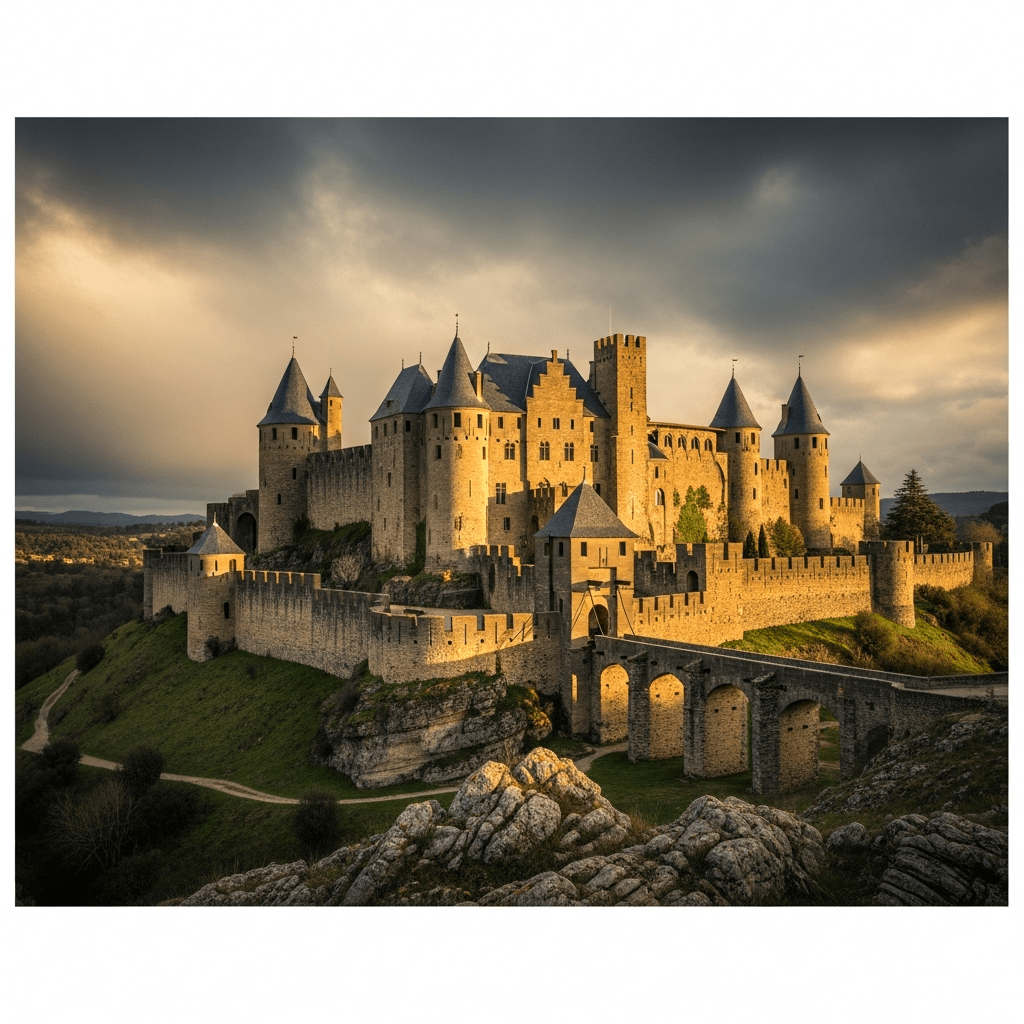
Château Fort
The Château Fort is the archetypal French medieval castle, renowned for its formidable defensive architecture and strategic presence across France from the 9th to the 16th centuries.
The Château Fort is the archetypal French medieval castle, renowned for its formidable defensive architecture and strategic presence across France from the 9th to the 16th centuries.
Châteaux forts originated in France during the early medieval period, with the earliest examples appearing in the 9th century. Their development was driven by feudal lords, monarchs, and military orders seeking both protection and the assertion of territorial power. Over centuries, these castles evolved from simple motte-and-bailey earthworks to sophisticated stone fortresses, reflecting advances in siege warfare and shifting political landscapes. Notable figures such as Richard the Lionheart and the Counts of Toulouse left their mark on the lineage, commissioning iconic fortresses like Château Gaillard and expanding Carcassonne.
The château fort belongs to the broader family of medieval castles, specifically as the French variant distinguished by its robust fortifications. It is classified by its defensive function, residential use for nobility, and its architectural evolution from motte-and-bailey to concentric stone structures. This type stands apart from the more decorative or palatial "château," emphasizing military utility over luxury.
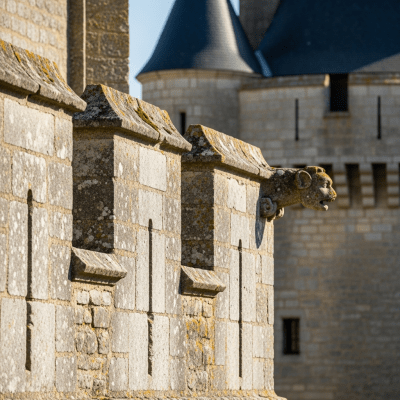
Châteaux forts impress with their massive stone walls, imposing towers—often round or square—deep moats, and formidable gatehouses. The central keep (donjon) rises above curtain walls, while defensive outworks such as barbicans and machicolations add layers of protection. Materials are typically local limestone, granite, or sandstone, accented by timber for floors and roofs. Many feature concentric ramparts, creating a sense of layered strength and visual grandeur, as seen in Carcassonne’s double ring of ramparts and multitude of towers.
Primarily, château forts functioned as fortified residences for nobility and military garrisons. They served as administrative centers, refuges during conflict, and symbols of feudal authority. Throughout history, these castles played pivotal roles in wars and regional disputes, including the Hundred Years’ War and the Albigensian Crusade. As military needs evolved, many were adapted for comfort or abandoned, but their legacy endures in the cultural landscape and as tourist destinations.
Bring this kind into your world illustrated posters, mugs, and shirts.
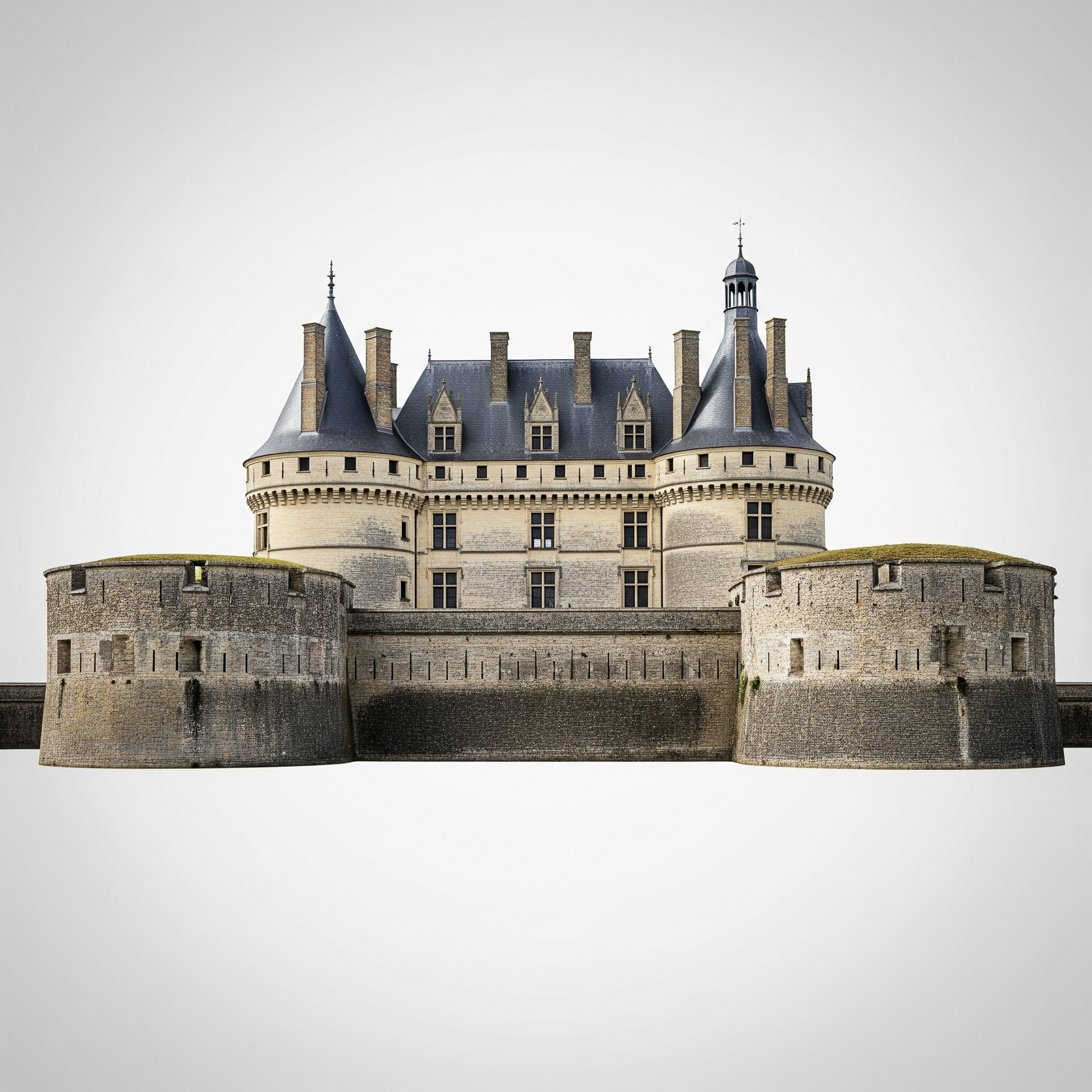
Archival print, museum-grade paper
Buy Poster
Stoneware mug, dishwasher safe
Buy Mug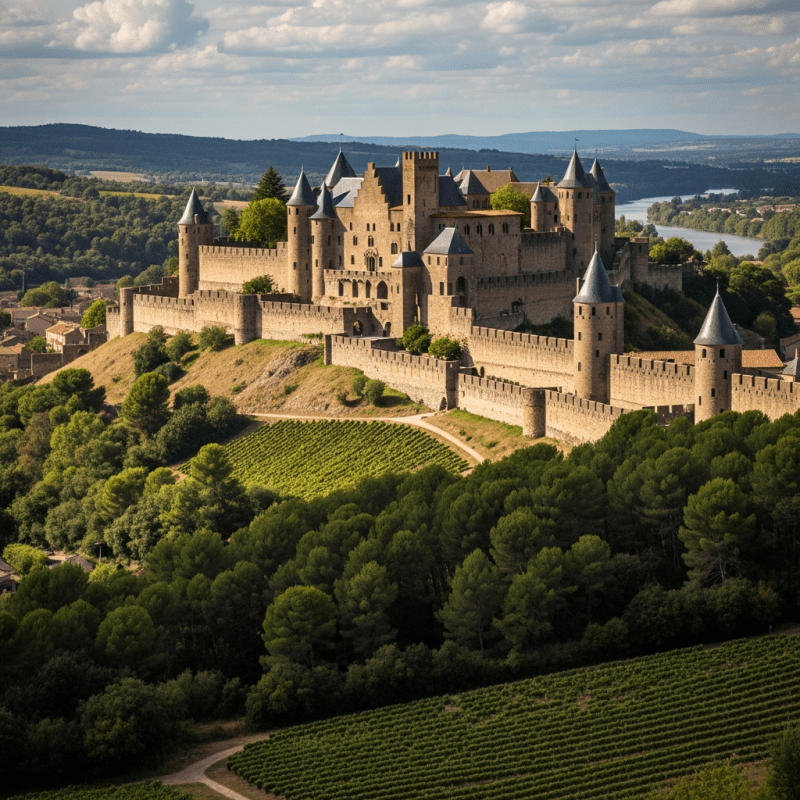
Soft cotton tee, unisex sizes
Buy ShirtChâteaux forts are enduring icons of medieval France, celebrated in art, literature, and popular imagination. Their dramatic silhouettes and storied pasts evoke tales of knights, sieges, and royal intrigue. Today, they are treasured as cultural heritage sites, drawing millions of visitors and inspiring preservation efforts. The château fort’s image is inseparable from the romanticized vision of medieval Europe, influencing everything from historical reenactments to fantasy fiction.
Key architectural elements of the château fort include thick stone walls, round or square towers, deep moats, drawbridges, fortified gatehouses, and a central keep (donjon). Curtain walls connect defensive outworks such as barbicans and machicolations. Many castles employ concentric defenses for layered protection. Materials are predominantly local stone—limestone, granite, or sandstone—with timber used for internal structures. Notable examples like Carcassonne feature double ramparts and numerous towers, while Château Gaillard demonstrates innovative use of angled walls and complex keeps.
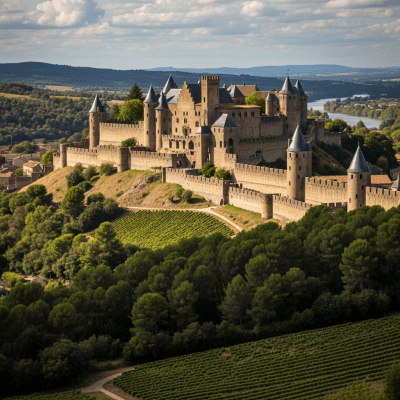
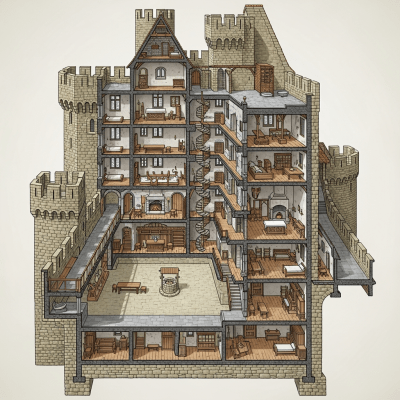
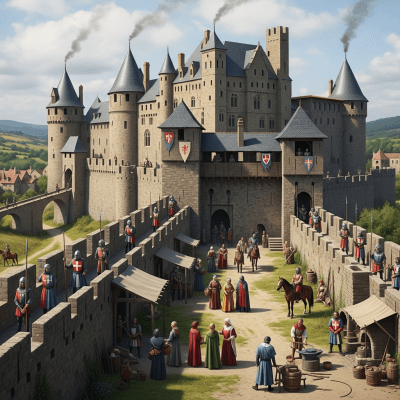

Châteaux forts served as the fortified residences of nobility, administrative hubs, and military strongholds. They were central to feudal governance, providing security and asserting control over surrounding lands. During periods of conflict—such as the Hundred Years’ War and the Albigensian Crusade—they functioned as defensive bastions and rallying points. Over time, as warfare and society changed, many transitioned to more comfortable residences or were abandoned, but their historical roles remain foundational to the narrative of medieval France.
In southern France, château forts often display Romanesque and Gothic architectural elements, while northern examples reflect Norman or Capetian styles. The term "château fort" is specific to fortified structures, whereas "château" may denote any grand residence. In German-speaking regions, similar castles are called "Burg" or "Festung." Regional materials and styles influence appearance, with local stone and distinctive tower shapes marking the landscape.
Many château forts are protected as "Monument Historique" in France, with some—like Carcassonne—recognized as UNESCO World Heritage Sites. Restoration efforts focus on maintaining structural integrity and historical authenticity, while adaptive reuse allows for public access and tourism. Some castles remain in partial ruin, but ongoing conservation ensures their legacy endures for future generations.
Châteaux forts are steeped in legend, from tales of besieged knights and secret tunnels to ghostly apparitions haunting ancient halls. Carcassonne is said to have inspired stories of cunning defenders outwitting invaders, while Château de Foix is linked to Cathar mysteries. These castles evoke a sense of medieval romance and intrigue, fueling folklore and popular imagination across centuries.
When visiting a château fort, check for guided tours and opening hours, as access may vary seasonally. Spring and autumn offer pleasant weather and fewer crowds. Wear comfortable shoes for exploring ramparts and towers, and respect preservation guidelines by avoiding restricted areas. Photography is often permitted, but be mindful of local etiquette and conservation rules to help protect these historic treasures.
"Château fort" is the French term for a fortified medieval castle, distinct from the broader "château." Synonyms include "forteresse" (fortress), "donjon" (keep), and "château médiéval fortifié." In German, equivalent structures are called "Burg" or "Festung." Understanding these nuances is essential, as terminology varies by region and historical context.