Origin Story

Desert castles originated under the Umayyad dynasty between 661 and 750 CE, primarily in regions now known as Jordan and Syria. Commissioned by caliphs and nobility, these structures drew upon Roman, Sassanian, Byzantine, and indigenous Arab influences, evolving as both defensive outposts and luxurious retreats. Local craftsmen, guided by Umayyad architects, synthesized diverse architectural traditions to meet the demands of governance, leisure, and survival in the desert.

Classification

Within the broader taxonomy of castles, desert castles are classified as palace-castle hybrids, notable for their dual emphasis on fortification and comfort. They belong to the family of medieval fortified residences, with a regional distinction as "qusur" in Arabic. Unlike European castles, their primary function often extended beyond defense to include administration, hospitality, and artistic expression, reflecting the unique sociopolitical landscape of early Islamic civilization.

Appearance or Form

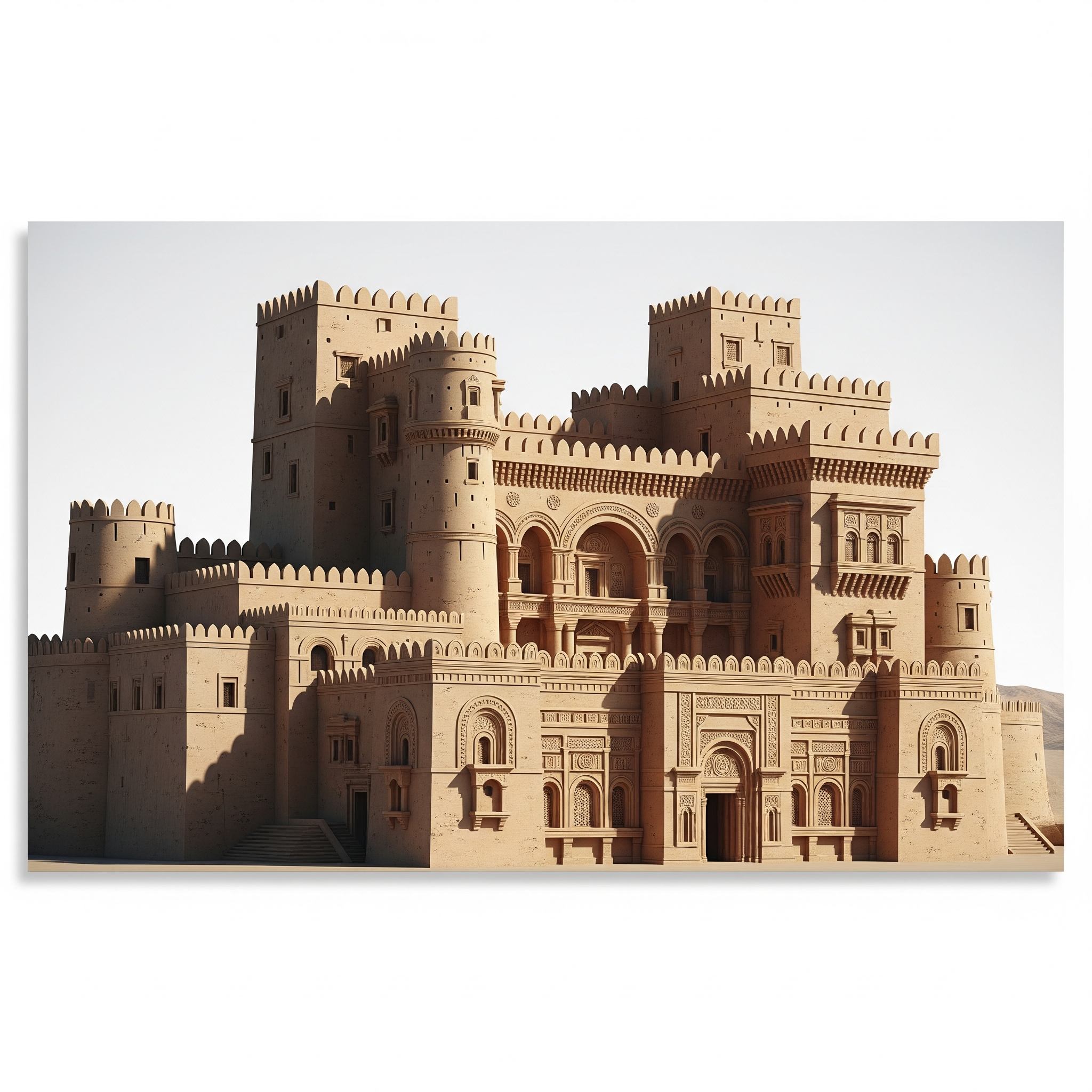
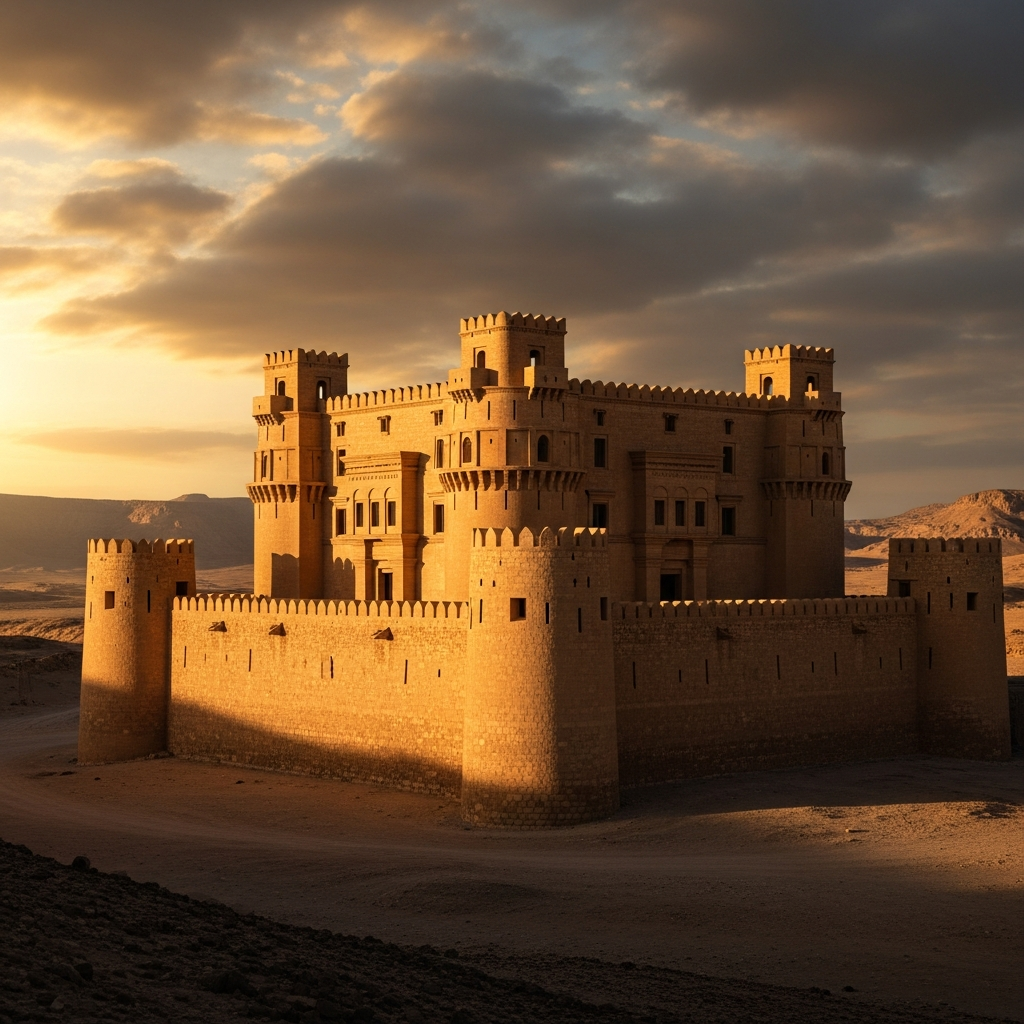
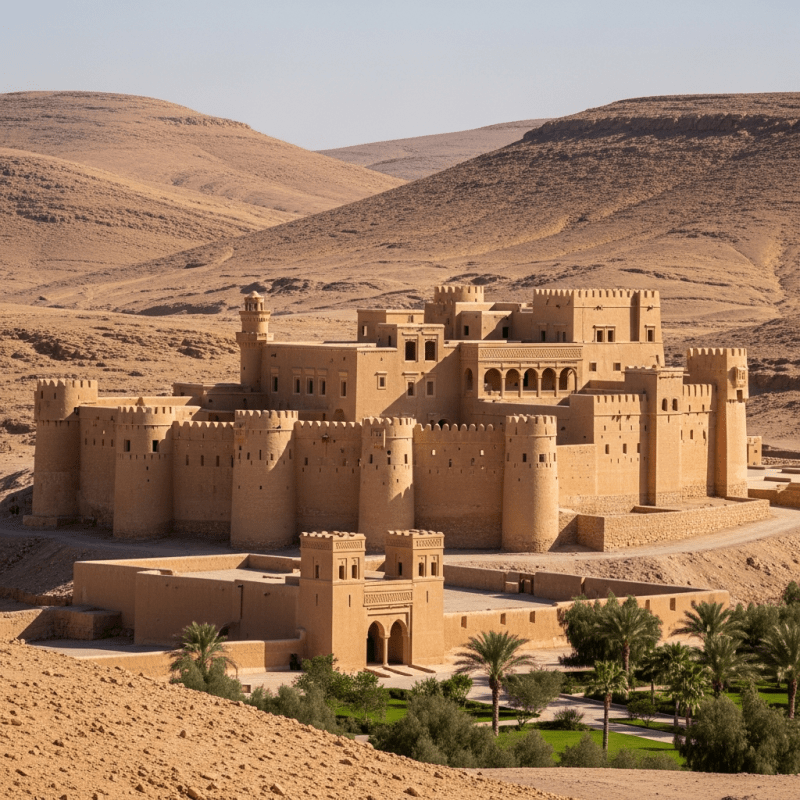
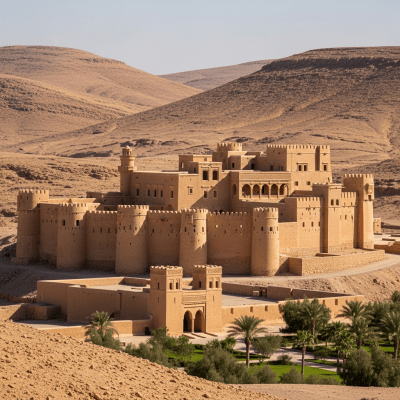
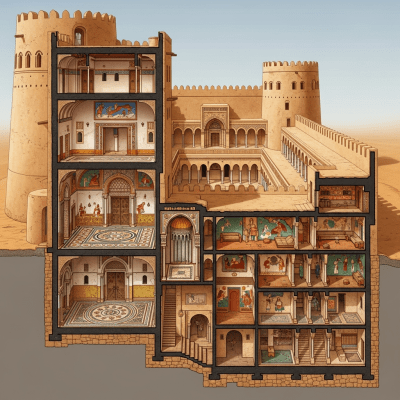
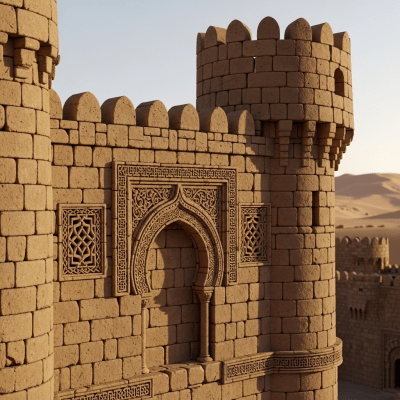
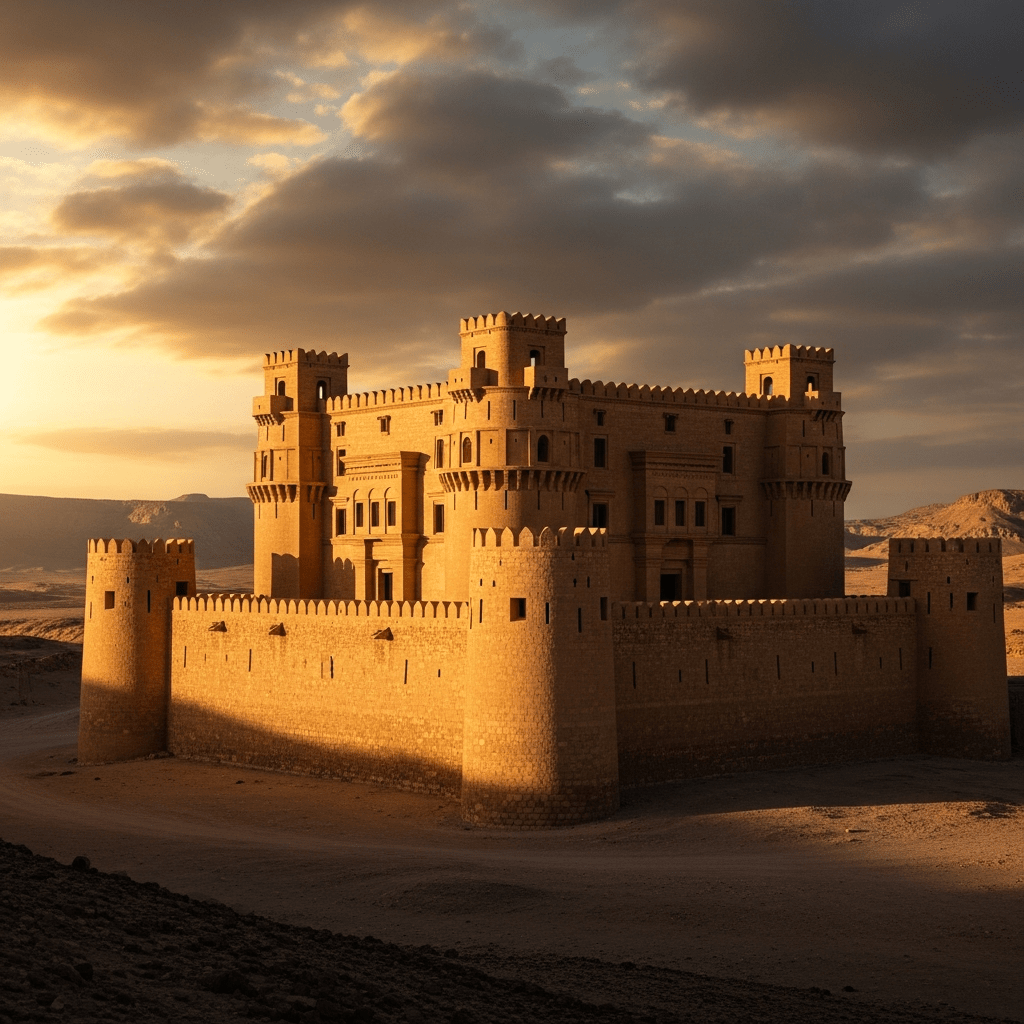
Desert castles typically present a robust, rectangular or square silhouette, anchored by thick stone or brick walls and prominent corner towers. Central courtyards invite light and air, while limited external openings and watchtowers reinforce a sense of security. Interiors may surprise with elaborate frescoes, intricate stucco, and shimmering mosaics, creating an oasis of artistry amid the stark desert. Bathhouses, audience halls, and water systems—such as cisterns and qanats—underscore both luxury and ingenuity in their design.

Behavior or Usage

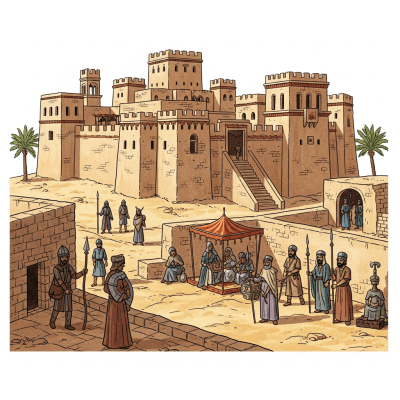
These castles functioned as rural retreats for Umayyad elites, administrative centers, military posts, and waystations for caravans traversing the desert. They hosted diplomatic gatherings, courtly leisure, and artistic pursuits, serving as tangible expressions of authority and culture. Water management was crucial, with ingenious systems sustaining life and comfort in the arid climate. Over time, many desert castles transitioned from bustling hubs to silent ruins, yet their legacy endures in archaeology and heritage.

Merchandise & Prints

Bring this kind into your world � illustrated posters, mugs, and shirts.

Desert Castle Desert Castle Poster

Desert Castle Poster

Archival print, museum-grade paper

Desert Castle Desert Castle Mug

Desert Castle Mug

Stoneware mug, dishwasher safe

Desert Castle Desert Castle Shirt

Desert Castle Shirt

Soft cotton tee, unisex sizes

Attributes & Insights

Taxon-Specific Insights

🌍Cultural Significance

Desert castles are celebrated as symbols of early Islamic sophistication, bridging East and West through architectural and artistic synthesis. Their frescoes, such as those at Qasr Amra, depict secular themes rare in Islamic art, including hunting scenes and astronomical motifs. These sites inspire scholarly fascination and feature prominently in discussions of Islamic heritage, representing both the power and cosmopolitan spirit of the Umayyad era.

📌Notable Facts

  • Many desert castles contain rare secular frescoes, a unique feature in Islamic art.
  • Qasr Amra is recognized as a UNESCO World Heritage Site for its artistic and historical value.
  • Water management systems, including underground qanats, enabled comfort and survival in extreme desert conditions.
  • Some castles, like Qasr al-Kharana, remain remarkably well-preserved despite centuries of exposure.
  • The architectural style blends Roman, Sassanian, Byzantine, and Arab traditions, making each castle a cultural mosaic.

🏰Architectural Features

Architectural highlights of desert castles include thick limestone or sandstone walls, square or rectangular layouts, corner towers, and central courtyards. Defensive elements such as curtain walls and watchtowers are balanced by luxurious interiors featuring frescoes, mosaics, and stucco decoration. Bathhouses and sophisticated water systems—cisterns and qanats—are essential adaptations, while audience halls and ornamental spaces reflect ceremonial use.

Visual Variations

High quality studio photograph of a Desert Castle, belonging to the castles taxonomy
A realistic image of the Desert Castle from the castles taxonomy, situated in its historical or natural environment
A detailed cross-sectional illustration of a Desert Castle, from the castles taxonomy
An image showing the Desert Castle from the castles taxonomy being used or inhabited historically
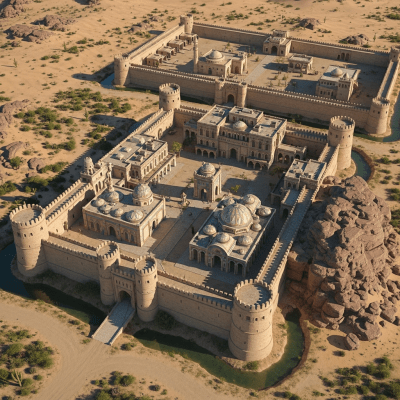
A bird's-eye view rendering of a Desert Castle, classified in the castles taxonomy
A close-up image focusing on unique architectural details of a Desert Castle, from the castles taxonomy

Composition & Context

Taxon-Specific Insights

⚔️Historical Roles

Historically, desert castles served as administrative headquarters, military outposts, and leisure retreats for Umayyad elites. They facilitated governance, diplomacy, and trade along caravan routes, acting as waystations and centers of hospitality. Their artistic and architectural innovations contributed to the cultural identity of the early Islamic world, and their ruins now provide invaluable insights into medieval society.

🌍Famous Examples

  • Qasr Amra – Renowned for its frescoes and UNESCO World Heritage status.
  • Qasr al-Kharana – Noted for its impressive preservation and enigmatic purpose.
  • Qasr al-Mshatta – Famous for its elaborate stucco decoration and monumental scale.

🗺️Regional Variations

Desert castles are most prevalent in Jordan and Syria, where they are locally termed "qusur" (plural of "qasr"). Regional cataloguing may differ: Jordanian and Syrian registers emphasize their desert context, while broader Islamic architectural discourse considers them palace-castle hybrids. UNESCO and national heritage lists typically use Arabic names, highlighting local identity and historical significance.

🛡️Preservation Status

Many desert castles exist as archaeological ruins, though some—such as Qasr Amra—are protected as UNESCO World Heritage Sites. Preservation efforts focus on safeguarding frescoes, structural integrity, and water systems. National heritage registers in Jordan and Syria oversee conservation, with ongoing research and restoration ensuring these sites remain accessible and informative for future generations.

👻Legends And Myths

Desert castles evoke tales of Umayyad caliphs retreating for hunting, feasting, and stargazing beneath desert skies. Some local legends speak of hidden treasures, secret tunnels, and mysterious guests, while the frescoes at Qasr Amra have inspired stories about the artists and patrons who defied convention to depict secular life. The enigmatic purpose of certain castles, such as Qasr al-Kharana, continues to fuel speculation and folklore among historians and locals alike.

🎟️Visiting Tips

  • Plan visits during cooler months (autumn or spring) for comfort and safety.
  • Many castles are accessible by car from Amman or Damascus; guided tours are recommended for historical context.
  • Respect archaeological sites by avoiding contact with frescoes and fragile structures.
  • Carry water, sun protection, and sturdy footwear for desert terrain.
  • Photography is often allowed, but check site-specific regulations.

📝Terminology And Synonyms

Desert castles are also known as qasr (Arabic for palace or castle), desert fortress, Umayyad castle, and qusur (plural). In architectural discourse, they may be referred to as palace-castle hybrids. Heritage registers and UNESCO listings typically use Arabic names, reflecting local terminology and historical context.

Faq

  • What is a desert castle?
    A desert castle is a fortified palace built in the Middle Eastern desert, mainly during the Umayyad period, serving military, administrative, and residential functions.
  • Can you visit desert castles today?
    Yes, many desert castles in Jordan and Syria are accessible to visitors and are protected as archaeological or heritage sites.
  • Why were desert castles built?
    They were constructed as retreats, administrative centers, military outposts, and waystations, reflecting the needs of Umayyad rulers in the desert.