Castro (Iberian Castle)
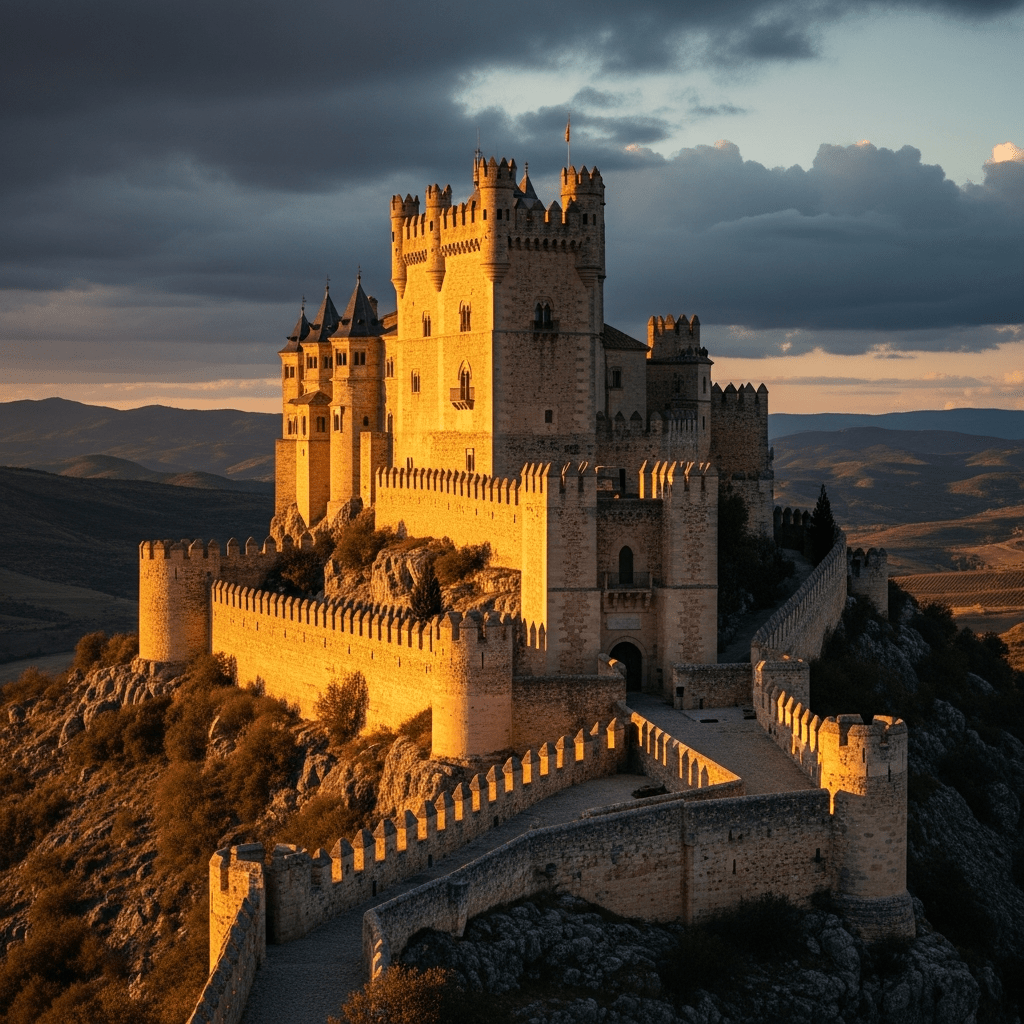
Castro (Iberian Castle) refers to fortified hilltop settlements in the Iberian Peninsula, distinguished by their ancient origins, robust stone walls, and evolution from pre-Roman fortifications into medieval castles.
Castro (Iberian Castle) refers to fortified hilltop settlements in the Iberian Peninsula, distinguished by their ancient origins, robust stone walls, and evolution from pre-Roman fortifications into medieval castles.
The earliest castros were built by Celtic and Iberian peoples from the late Bronze Age through the Iron Age, spanning roughly the 9th century BCE to the 1st century CE. These strategic settlements dotted the landscapes of present-day Spain and Portugal, often perched on hills for defense and visibility. Over centuries, especially following the Reconquista, many castros were adapted and fortified by Christian kingdoms, blending indigenous traditions with medieval European castle architecture. Their layered history reflects the continuous occupation and transformation of Iberian hilltop sites.
Within the broader taxonomy of castles, castros occupy a unique position as transitional forms between ancient fortifications and medieval strongholds. While not all castros are classified as castles, those with significant medieval adaptations—such as stone keeps and curtain walls—are included. They are typically categorized by their structural evolution, regional prevalence in Spain and Portugal, and the blend of indigenous and imported architectural features.
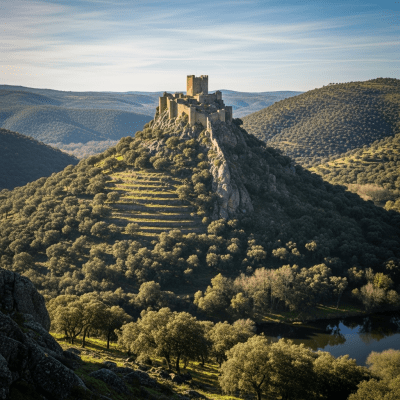
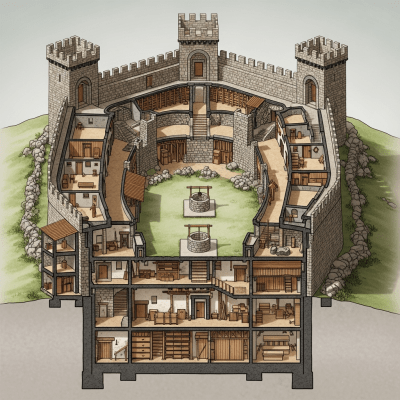
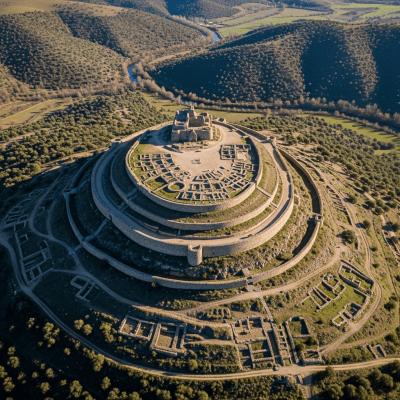
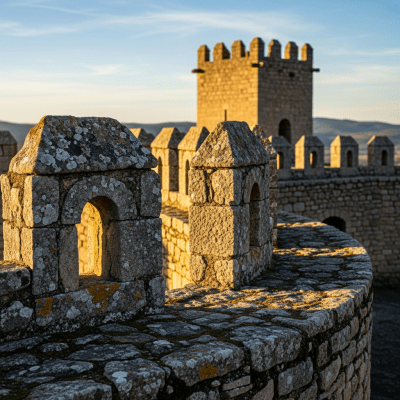
Castros are most recognizable by their elevated settings, commanding panoramic views, and robust stone construction. The original layouts often featured circular or oval walls, sometimes arranged in multiple concentric rings, enclosing clusters of dwellings and communal spaces. Medieval modifications introduced rectangular keeps, fortified gates, and defensive ramparts. The use of local stone—granite or schist—gives these sites a rugged, earthy appearance, with remnants of pre-Roman roundhouses sometimes visible alongside later medieval buildings.
Historically, castros served as residential, defensive, and administrative centers for local tribes and, later, feudal lords. During the medieval period, adapted castros played vital roles in territorial control, especially throughout the Reconquista. Some became seats of regional power, while others were abandoned or repurposed. Today, their layered functions are studied to understand the continuity and transformation of Iberian settlement patterns.
Bring this kind into your world illustrated posters, mugs, and shirts.

Archival print, museum-grade paper
Buy Poster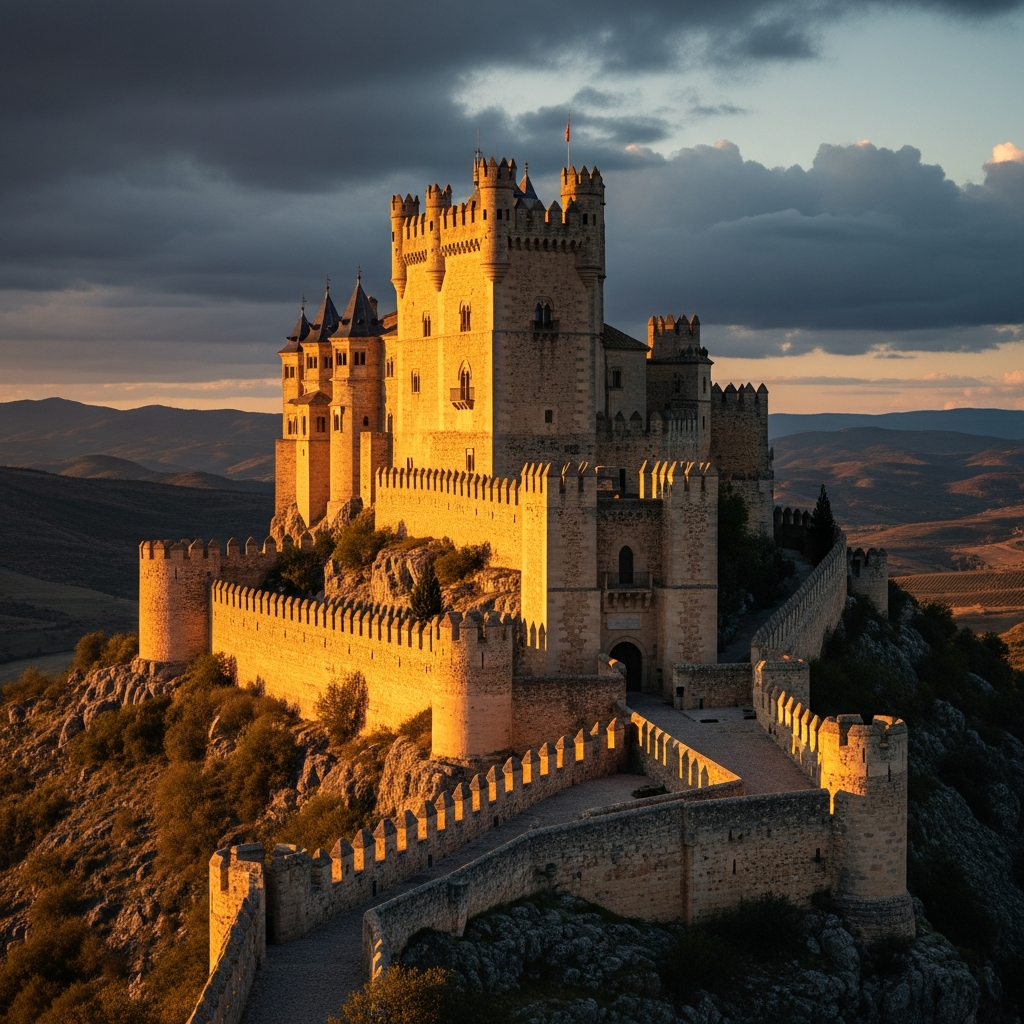
Stoneware mug, dishwasher safe
Buy Mug
Soft cotton tee, unisex sizes
Buy ShirtCastros hold deep cultural resonance in regions such as Galicia and northern Portugal, symbolizing both ancient heritage and medieval resilience. They appear in local folklore, literature, and art, often celebrated as emblems of regional identity and continuity. Archaeological sites and restored castles attract scholars, artists, and tourists, serving as tangible links to the Iberian Peninsula’s complex past.
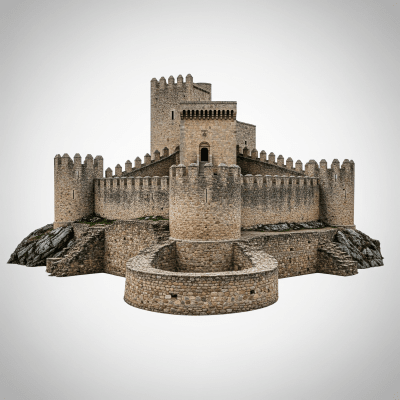
Key architectural features of castros include circular or oval stone walls, sometimes arranged in concentric rings, enclosing communal spaces. Medieval adaptations introduced rectangular keeps, fortified gates, ramparts, towers, cisterns, and occasionally moats or barbicans. The blend of indigenous and medieval elements is visible in the juxtaposition of roundhouses and later defensive structures. Construction materials are typically local stone, contributing to the sites’ enduring strength and distinctive appearance.
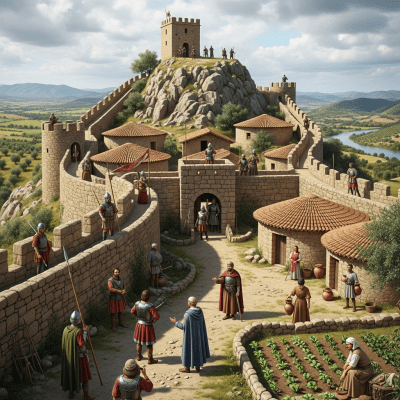
Castros have served as fortified residences, tribal centers, and administrative hubs since their inception. During the medieval era, their strategic locations made them focal points for territorial defense, especially during the Reconquista. Some evolved into seats of local nobility or military commanders, while others faded into ruin or were repurposed for new settlements. Their historical roles provide insight into the social and military organization of both ancient and medieval Iberia.
Regional differences in castros arise from local building traditions, available materials, and historical context. In Galicia and northern Portugal, castros are especially prevalent and culturally significant. Spanish and Portuguese heritage registers may distinguish between "castro" (archaeological) and "castillo" or "castelo" (medieval castle), reflecting the nuanced overlap between ancient and medieval forms. Some regions favor circular layouts, while others developed more complex, multi-walled compounds.
The preservation of castros varies widely: some sites remain as evocative ruins, while others have been partially restored or protected as heritage monuments. Spanish and Portuguese authorities maintain registers and conservation programs for significant castros, especially those with medieval fortifications. Archaeological efforts continue to uncover and interpret these sites, balancing public access with preservation of fragile remains.
Many castros are woven into local legends and folklore, often associated with ancient chieftains, hidden treasures, or supernatural guardians. Stories abound of spirits haunting the ruins, mysterious underground passages, and heroic defenses against invaders. These tales enrich the cultural landscape and add an aura of mystery to the sites.
Alternate terms for Castro (Iberian Castle) include castro (Spanish, Portuguese), oppidum (Latin, used in Roman contexts), and fortaleza (for medieval adaptations). Heritage listings often use "Castro de [placename]" to identify specific sites. Spanish and Portuguese registers may distinguish between "castro" (archaeological) and "castillo" or "castelo" (medieval castle), reflecting the layered nature of these fortifications.