Crusader Castle
Crusader castles are fortified stone structures built by Western European Crusaders in the Levant and surrounding regions between the late 11th and 13th centuries, renowned for their formidable defenses and strategic locations.
Crusader castles are fortified stone structures built by Western European Crusaders in the Levant and surrounding regions between the late 11th and 13th centuries, renowned for their formidable defenses and strategic locations.
Crusader castles originated during the era of the Crusades, beginning with the First Crusade in 1099. Constructed by military orders such as the Knights Hospitaller, Knights Templar, and Teutonic Knights, as well as feudal lords, these castles were established throughout the Levant, Cyprus, and parts of Anatolia. Their development peaked in the 12th and early 13th centuries, reflecting a blend of European fortification principles and local architectural influences, including Byzantine, Islamic, and Armenian styles.
Within the broader family of medieval castles, Crusader castles are classified as military fortresses specifically built or substantially modified by Western Crusaders during their occupation of the Levant and neighboring regions. They represent a unique intersection of European and Middle Eastern architectural traditions and are distinguished by their role in the Crusader states’ defense and administration.
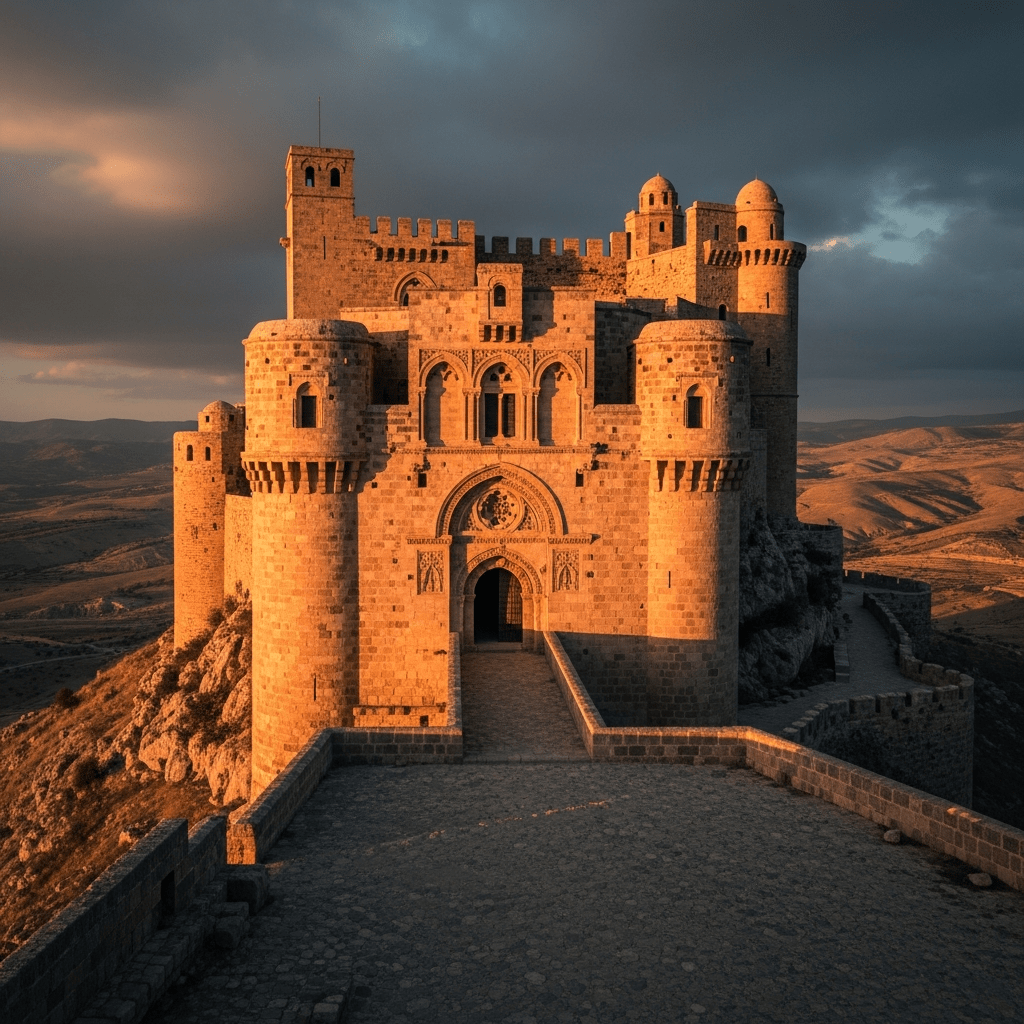
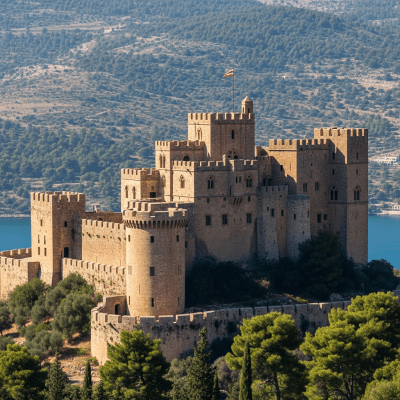
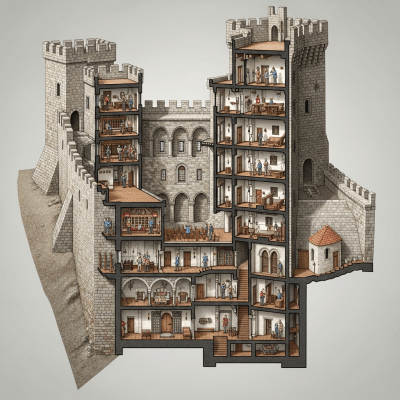
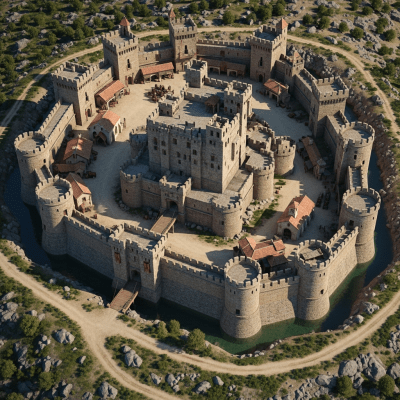
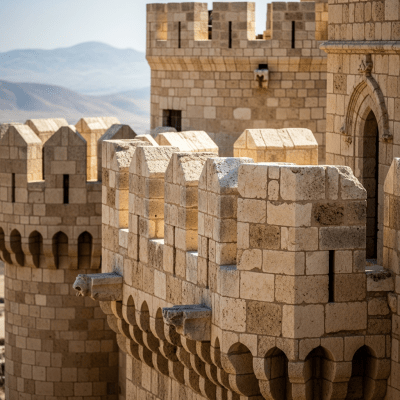
Crusader castles typically present a striking silhouette: massive stone walls, concentric layers of fortification, and imposing towers—either rounded or square—rise from elevated terrain or rocky outcrops. Their exteriors are rugged and austere, designed to withstand siege and intimidate adversaries. Inside, vaulted halls, chapels, storerooms, cisterns, and barracks reflect both military and domestic functions. The use of local limestone or basalt gives each castle a distinct regional character, while moats and fortified gatehouses reinforce their defensive posture.
These castles functioned as military headquarters, secure garrisons, and administrative centers for the Crusader states. They protected vital supply routes, provided refuge during sieges, and served as bases for launching military campaigns. Beyond their strategic utility, Crusader castles imposed Western governance and feudal structures on the region, acting as symbols of Crusader authority and facilitating cultural exchange between East and West.
Bring this kind into your world illustrated posters, mugs, and shirts.
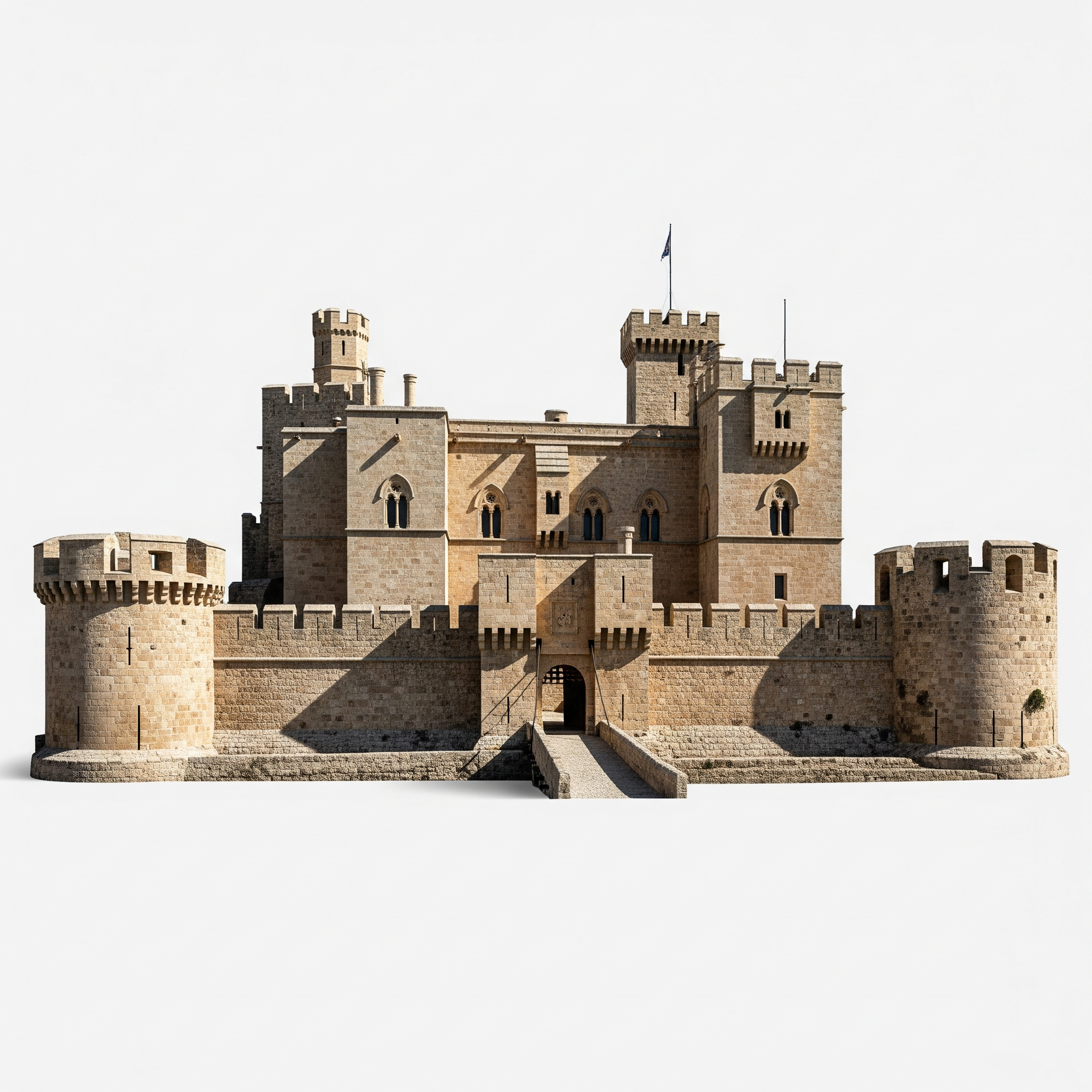
Archival print, museum-grade paper
Buy Poster
Stoneware mug, dishwasher safe
Buy Mug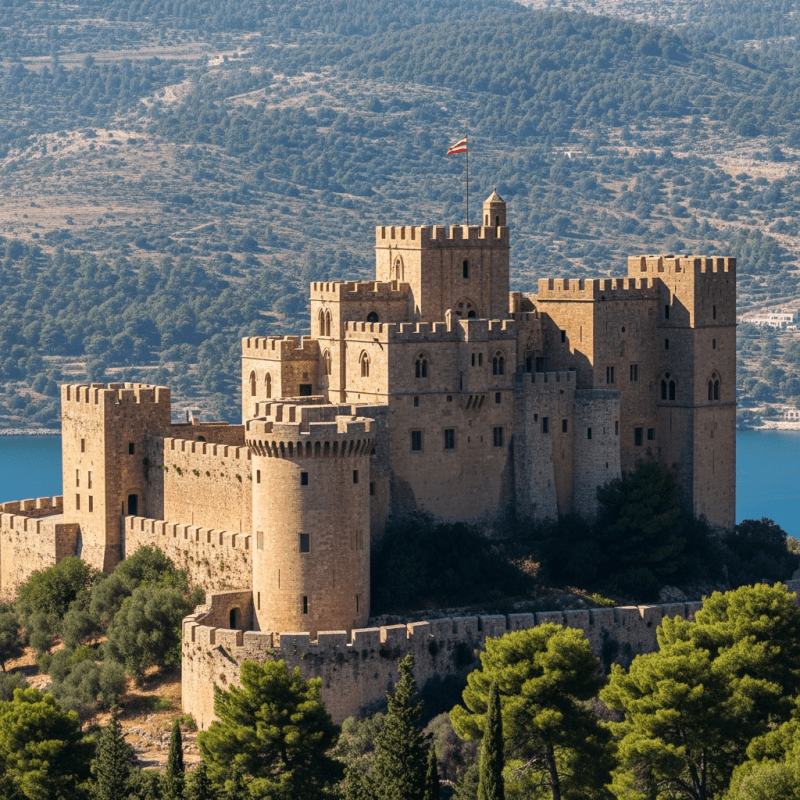
Soft cotton tee, unisex sizes
Buy ShirtCrusader castles endure as powerful symbols of the Crusades, representing both the military prowess and the complex cultural interactions of the medieval period. Their architecture has inspired scholarship, art, and popular media, while their presence in the landscape evokes stories of conflict, faith, and exchange. Today, many are UNESCO World Heritage Sites, celebrated for their historical importance and as exemplars of medieval military architecture.
Crusader castles are defined by their massive stone construction, concentric defensive layouts (multiple walls and towers), thick curtain walls, and fortified gatehouses. Towers—both rounded and square—dot the perimeter, while moats and elevated siting enhance defense. Interiors include chapels, vaulted halls, cisterns, storerooms, and barracks, all built using local limestone or basalt. Advanced examples, like Krak des Chevaliers, showcase double walls with interlocking towers and complex entry systems, while others adapt irregularly to rugged terrain.
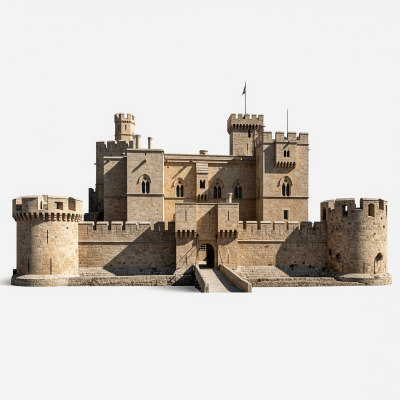
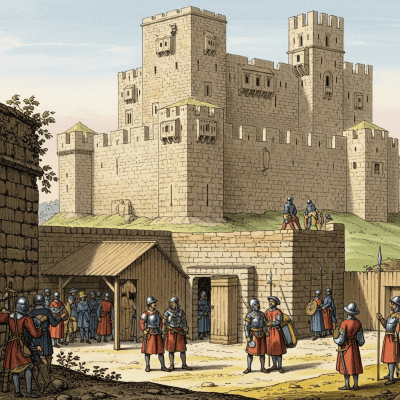
Historically, Crusader castles served as military headquarters, administrative hubs, and refuges during sieges. They protected strategic routes, housed garrisons, and facilitated the imposition of feudal governance by Western Crusaders. Their defensive capabilities played key roles in major events, such as resisting sieges by Saladin and safeguarding Crusader territories. These castles also symbolized the enduring presence and authority of the Crusader states in the region.
Crusader castles vary regionally in materials, design, and terminology. In Syria and Lebanon, local limestone predominates, while basalt is common in parts of Israel. Layouts range from advanced concentric fortifications to irregular adaptations dictated by terrain. Regional terms include "Qal‘at" (Arabic for fortress) and "château fort des Croisés" (French). Strictly, the term "Crusader castle" applies to those built or substantially modified by Western Crusaders in the Levant, Cyprus, and Anatolia, with heritage status and preservation efforts differing by country.
Many Crusader castles are protected as national monuments or UNESCO World Heritage Sites, such as Krak des Chevaliers and Qal‘at Salah El-Din in Syria. Preservation varies: some castles remain remarkably intact, while others are partially ruined or have undergone restoration. Ongoing conservation efforts focus on maintaining structural integrity, promoting tourism, and safeguarding historical authenticity, often supported by international organizations and local authorities.
Crusader castles are steeped in legend and folklore, with tales of heroic last stands, secret tunnels, and lost treasures. Stories abound of valiant knights defending Krak des Chevaliers against overwhelming odds, or of Kerak Castle’s dramatic sieges and daring escapes. Local myths sometimes attribute supernatural events or hidden relics to these ancient fortresses, adding to their mystique and allure for visitors and historians alike.
Alternate names for Crusader castles include "fortresses of the Crusader states," "Frankish castles," "Latin castles," and regionally "Qal‘at" (Arabic) or "château fort des Croisés" (French). The term "Crusader castle" is strictly reserved for fortresses built or significantly modified by Western Crusaders in the Levant, Cyprus, and Anatolia. Usage may vary in scholarly and popular contexts, with some overlap in local and European terminology.