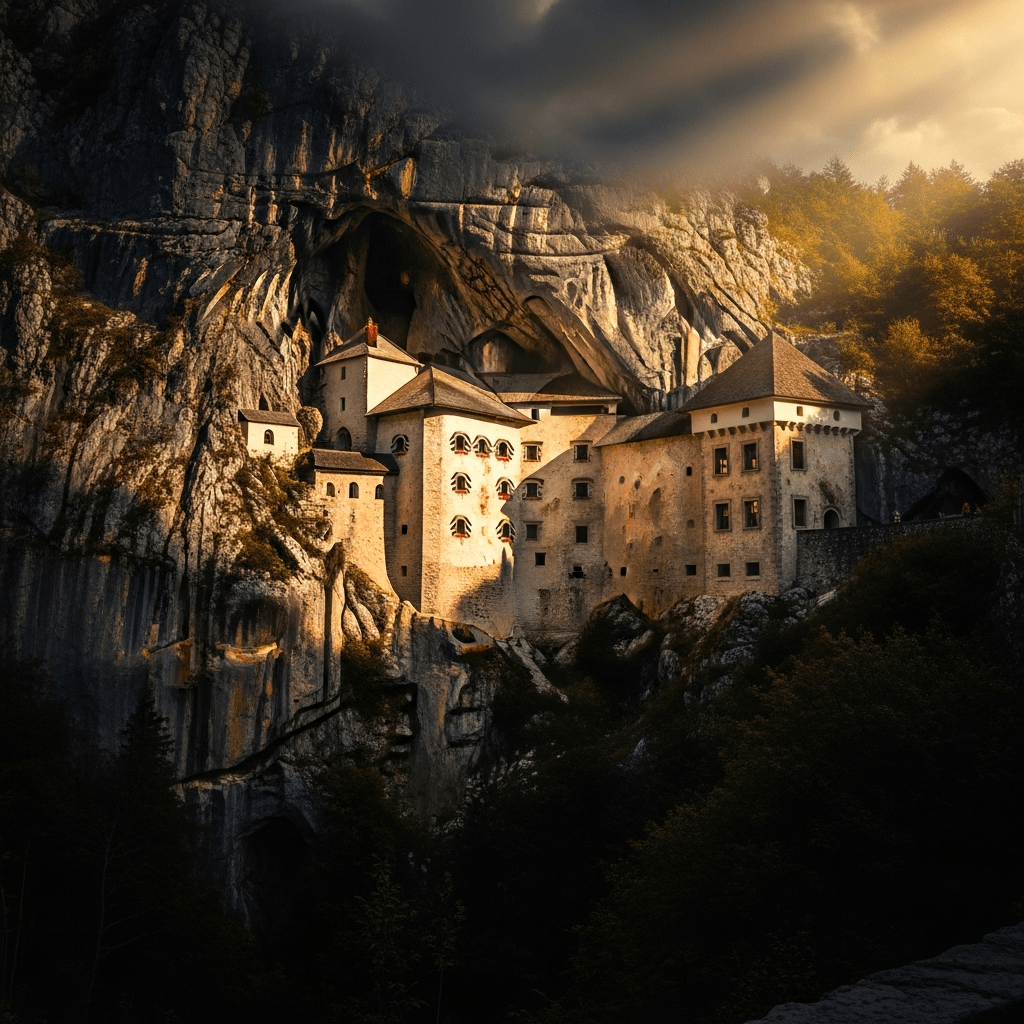
Cave Castle
Cave castles are fortified medieval residences ingeniously built into natural caves or rock faces, leveraging the landscape for defense and concealment.
Cave castles are fortified medieval residences ingeniously built into natural caves or rock faces, leveraging the landscape for defense and concealment.
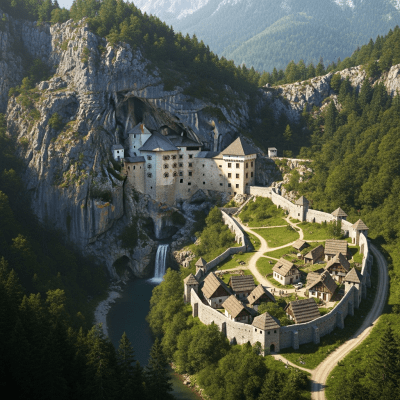
The origin of cave castles traces to regions rich in natural caves and rocky overhangs, primarily during the High to Late Medieval periods (12th–16th centuries). Local nobility and military orders recognized the strategic advantages of these geological formations, adapting castle-building techniques to exploit the terrain. Predjama Castle in Slovenia, first documented in the 13th century and expanded in the 15th century, stands as a celebrated example of this inventive approach to fortification.
Cave castles are a distinct sub-type within the broader family of medieval castles, classified by their direct integration with natural caves or rock formations. Unlike hill castles or motte-and-bailey structures, cave castles fuse masonry elements with the existing geology, creating unique hybrid fortifications. In Central Europe, they are differentiated from other types by their reliance on subterranean or cliff-side locations.
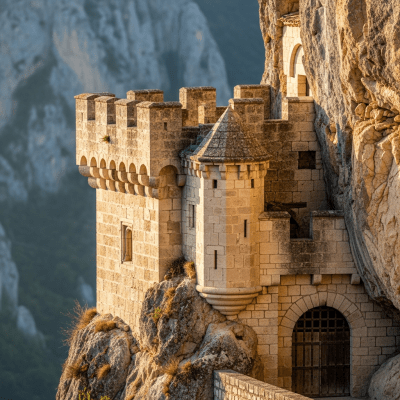
Visually, cave castles present a dramatic blend of human architecture and rugged natural stone. Masonry walls, towers, and keeps emerge from or cling to sheer cliffs, while interiors stretch deep into the rock, forming labyrinthine chambers and passageways. The exterior often appears partially concealed, with limited visible access points and natural barriers such as overhangs or vertical faces. Inside, rooms and storage areas are carved directly into the cave, sometimes featuring vertical shafts and hidden corridors. The overall form is compact and dictated by the cave’s geometry, resulting in an organic, fortress-like silhouette that merges seamlessly with its surroundings.
Cave castles functioned as fortified residences, administrative hubs, and refuges during times of conflict. Their concealed locations made them ideal for those seeking protection from siege warfare, including outlaws and rebellious nobles. The natural defenses provided by the cave reduced the need for extensive fortification, while hidden entrances and supply routes offered strategic advantages. Some castles, like Predjama, were famed for their ability to withstand prolonged sieges by utilizing secret passages and underground water sources.
Bring this kind into your world illustrated posters, mugs, and shirts.
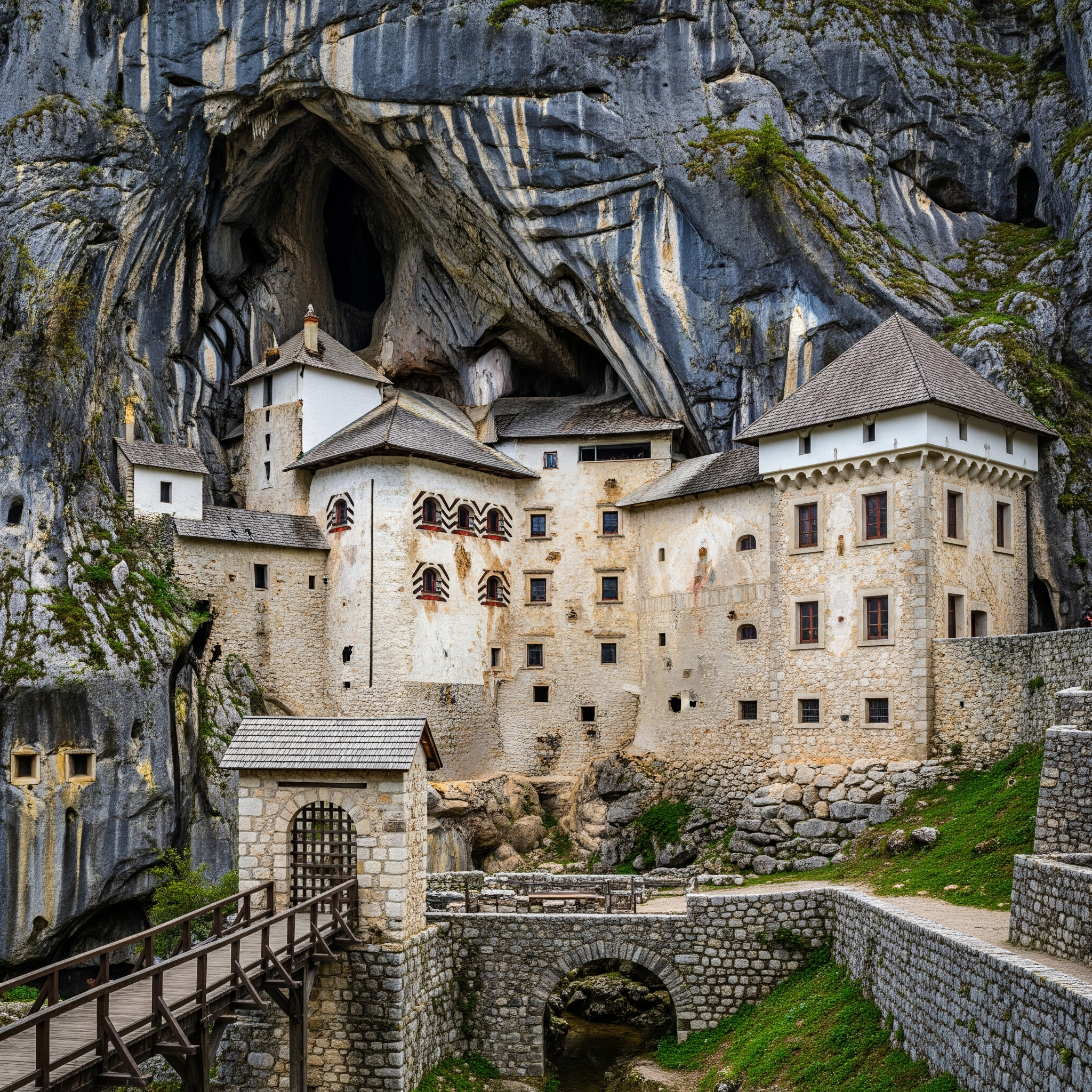
Archival print, museum-grade paper
Buy Poster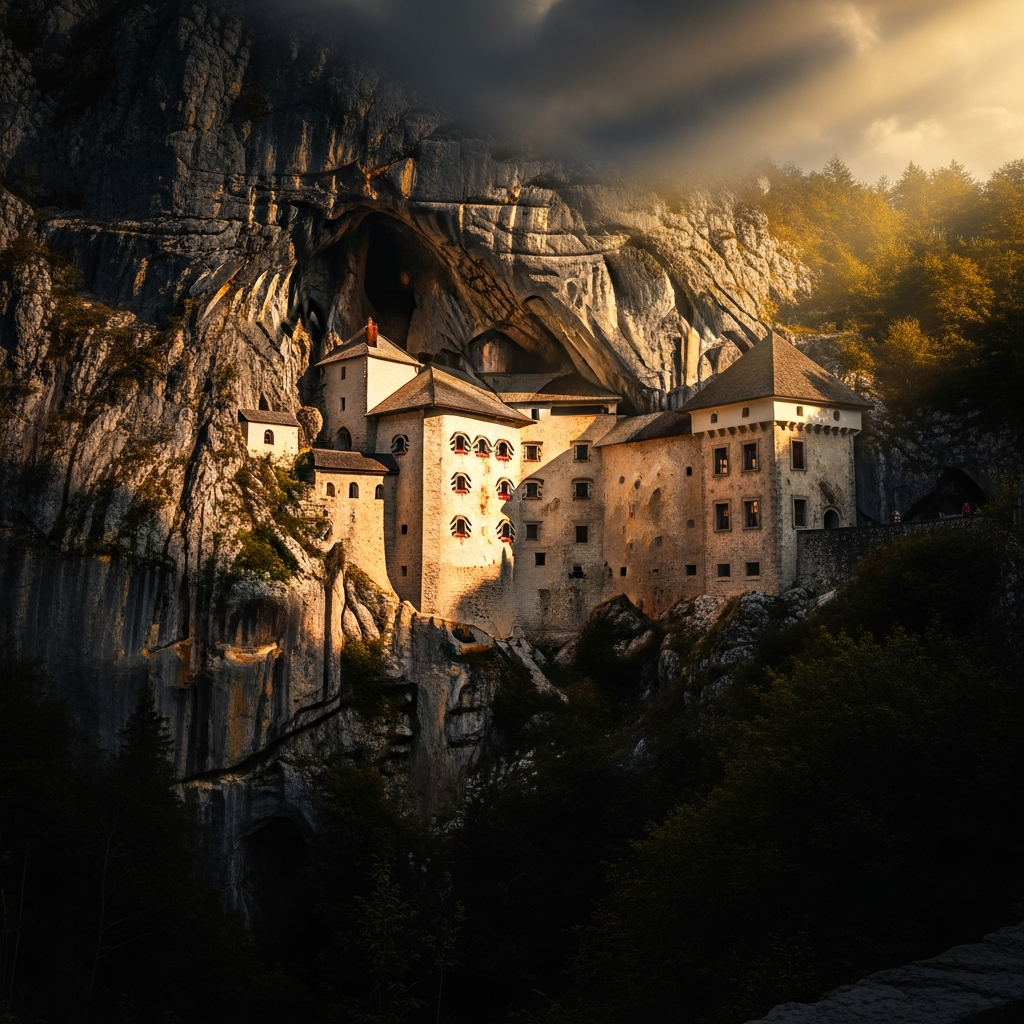
Stoneware mug, dishwasher safe
Buy Mug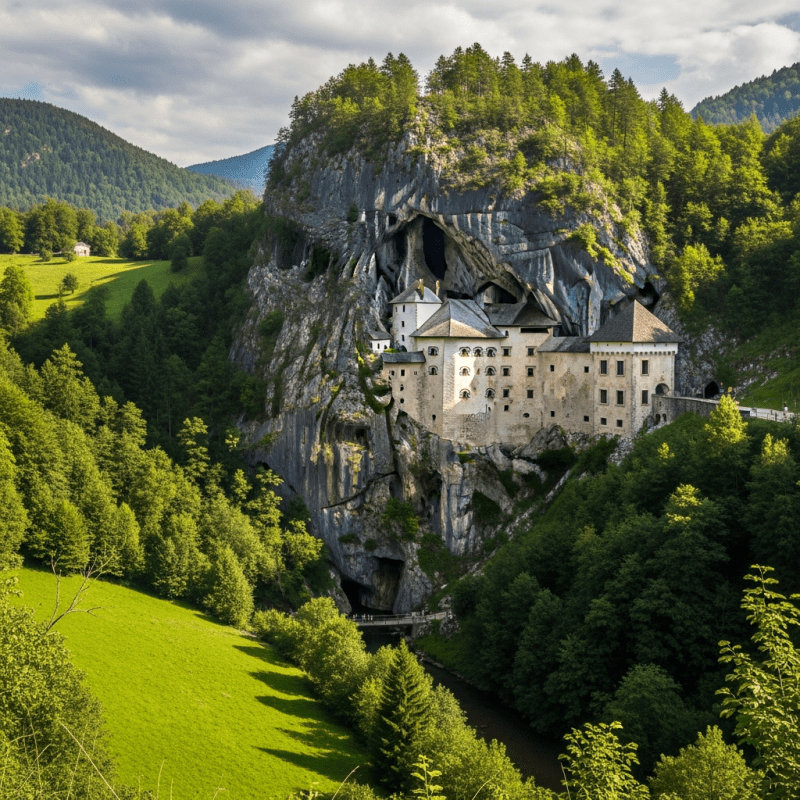
Soft cotton tee, unisex sizes
Buy ShirtCave castles hold a special place in local folklore and cultural memory, often symbolizing human ingenuity and the triumph over nature’s challenges. Legends, such as that of Erasmus of Lueg at Predjama Castle, have elevated these sites to iconic status, inspiring tales of daring escapes and unbreakable resistance. Today, cave castles are celebrated as architectural marvels and serve as cultural landmarks, attracting visitors and scholars alike.
Cave castles are defined by their hybrid architecture, merging locally sourced stone masonry—such as curtain walls, keeps, and towers—with the raw rock of the cave itself. Key features include concealed entrances, limited access points, and natural barriers formed by cliffs or overhangs. Interiors may include rooms, storage areas, and passageways carved into the cave, as well as vertical shafts for communication or escape. Water management systems sometimes utilize underground streams, and the overall layout is compact and adapted to the cave’s shape.
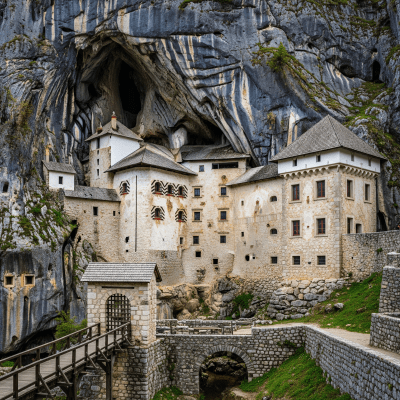
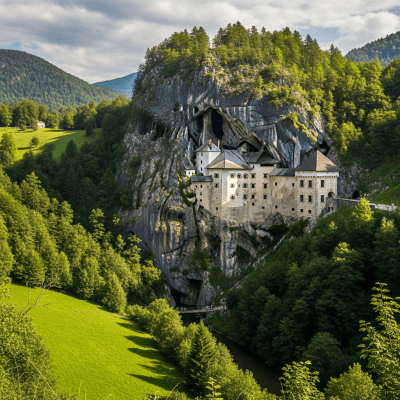
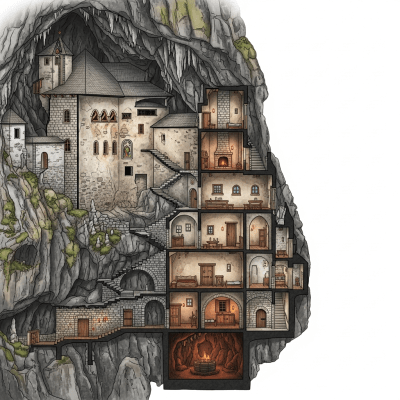
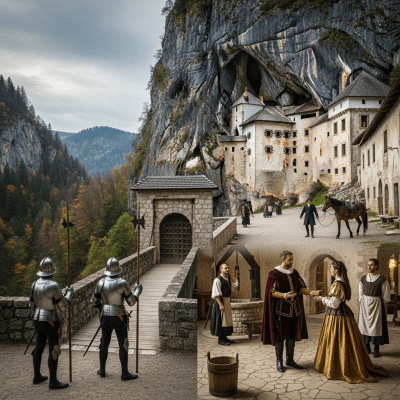
Historically, cave castles served as secure residences for nobility, administrative centers, and strongholds during periods of unrest. Their defensible and hidden locations made them ideal refuges during sieges or civil strife, and they often played a role in local power struggles. Some became associated with legendary figures and events, further cementing their status as symbols of resilience and tactical ingenuity.
In Central Europe, cave castles are distinguished from hill castles by their direct integration with caves, often referred to as "Höhlenburg" in German. In French regions, similar structures may be called "château troglodytique." In Mediterranean areas, the concept overlaps with rock-cut dwellings and troglodytic monuments. Regional heritage registers may classify cave castles under broader categories such as "rock castles." The prevalence and terminology vary, reflecting local geology and architectural traditions.
Many cave castles, such as Predjama, are well-preserved and serve as popular tourist destinations, benefiting from ongoing restoration and heritage protection efforts. Others remain partially ruined or are less documented due to their remote locations and limited archaeological records. Some sites are recognized as cultural landmarks or listed in national heritage registers, though comprehensive documentation can be challenging given their unique integration with natural landscapes.
Cave castles are often shrouded in legend, with stories of daring escapes, secret tunnels, and unyielding resistance. Predjama Castle is famously linked to Erasmus of Lueg, a knight who allegedly survived a lengthy siege by using hidden supply routes and secret passages. Such tales have contributed to the mystique of cave castles, making them enduring subjects in local folklore and inspiring generations of storytellers.
When visiting cave castles, plan for variable terrain and limited access points—comfortable footwear is recommended. Guided tours often reveal hidden chambers and secret passages, especially at sites like Predjama Castle. The best times to visit are spring and early autumn, when crowds are lighter and weather is mild. Respect posted guidelines, as some areas may be fragile or restricted for conservation. Photography is usually permitted, but check local rules for interior spaces.
Cave castles are also known as "rock castles," "cliff castles," "Höhlenburg" (German), and "château troglodytique" (French). Regional terminology may overlap with "troglodytic monuments" or "rock-cut dwellings," reflecting local classification practices. These linguistic nuances highlight the diversity of cave castle forms and their adaptation to different cultural and geological contexts.