Cliff Castle
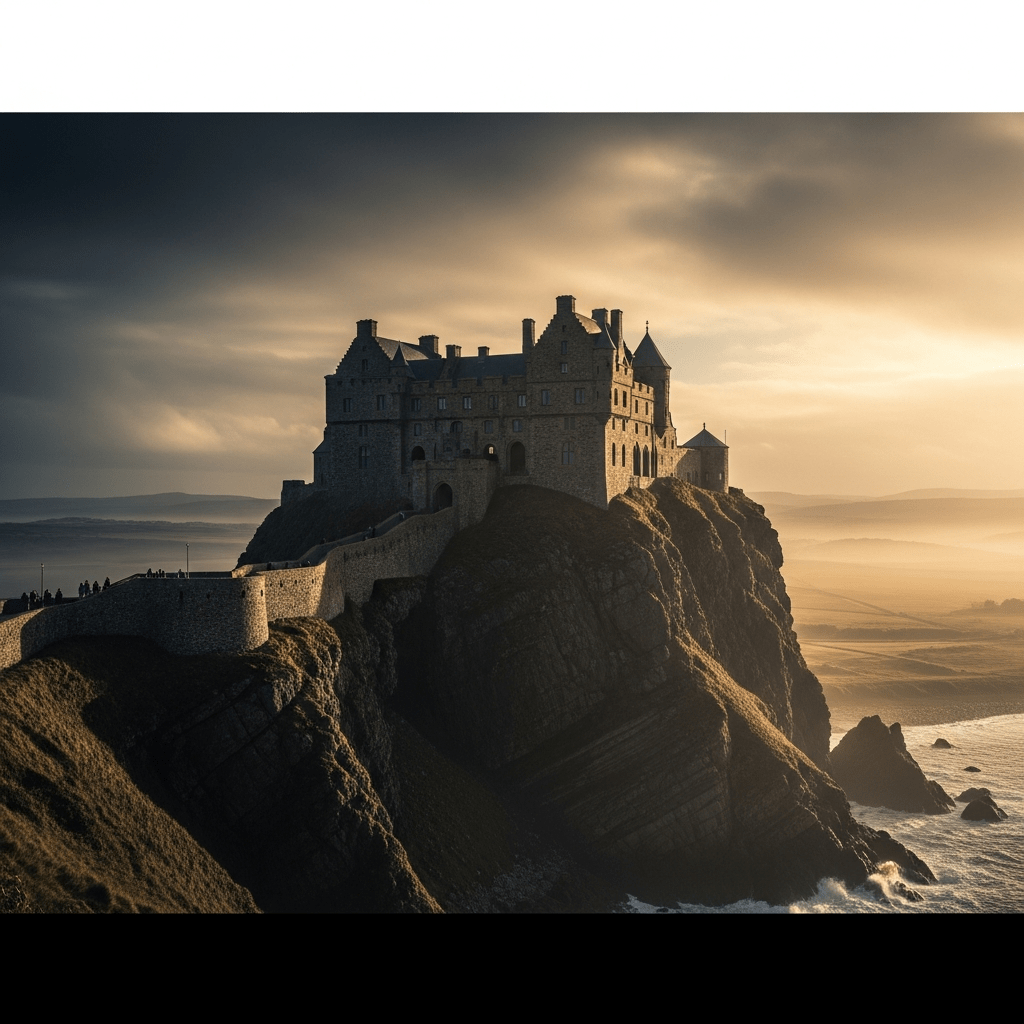
Cliff castles are medieval defensive residences ingeniously built atop cliffs or precipitous rocky outcrops, harnessing dramatic natural landscapes to maximize protection and strategic advantage.
Cliff castles are medieval defensive residences ingeniously built atop cliffs or precipitous rocky outcrops, harnessing dramatic natural landscapes to maximize protection and strategic advantage.
Emerging primarily between the 11th and 16th centuries, cliff castles were commissioned by regional nobility and military orders seeking the ultimate defensive position. Builders selected inaccessible cliff sites to deter sieges and command sweeping views of the surrounding territory. Their evolution drew from earlier hillforts and motte-and-bailey designs, adapting traditional fortification principles to rugged terrain and local stone. Notable examples include the Cathar-constructed Montségur in 13th-century France and the Scottish lairds’ stronghold at Dunnottar in the 15th century.
Cliff castles form a distinct subtype within the broader family of medieval castles, defined by their integration with steep natural rock faces. Unlike hill castles, which occupy elevated but accessible ground, cliff castles are perched on sheer precipices or promontories, making them exceptionally difficult to assault. They are classified by architectural type, period, and region, and are often catalogued as "rock castles" (Felsenburg) in Germanic contexts or "promontory castles" in the British Isles.
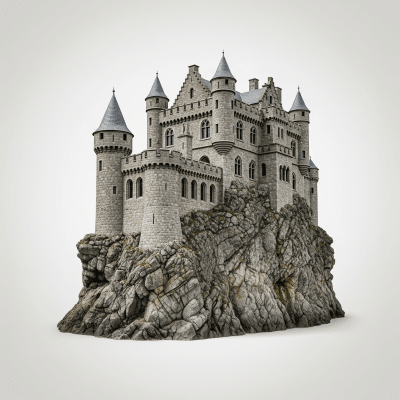
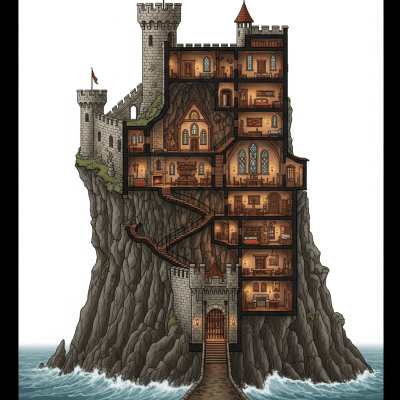
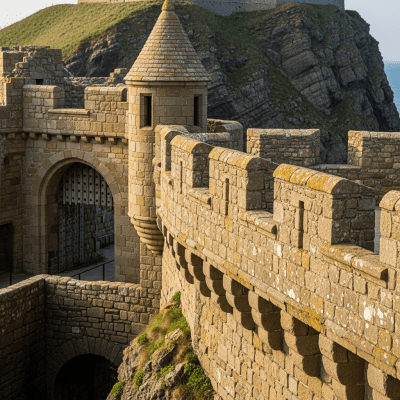
Visually, cliff castles captivate with their dramatic settings—stone walls and towers rising directly from the bedrock, often appearing to grow out of the cliff itself. Their layouts are multi-leveled and compact, conforming to the irregular contours of the rock. Expect narrow gateways, fortified gatehouses, and vertical designs with limited courtyards. The architecture emphasizes defensive strength, with sheer drops on most sides and only a few precarious access points, all set against breathtaking vistas.
Throughout history, cliff castles served dual roles as fortified residences and military bastions. Their formidable locations provided refuge during sieges, acted as administrative centers for surrounding lands, and became focal points in regional power struggles. The castles’ design not only deterred attackers but also allowed defenders to monitor vast territories, making them symbols of control and resilience. Today, many cliff castles function as heritage sites or museums, inviting visitors to explore their storied past and panoramic views.
Bring this kind into your world illustrated posters, mugs, and shirts.
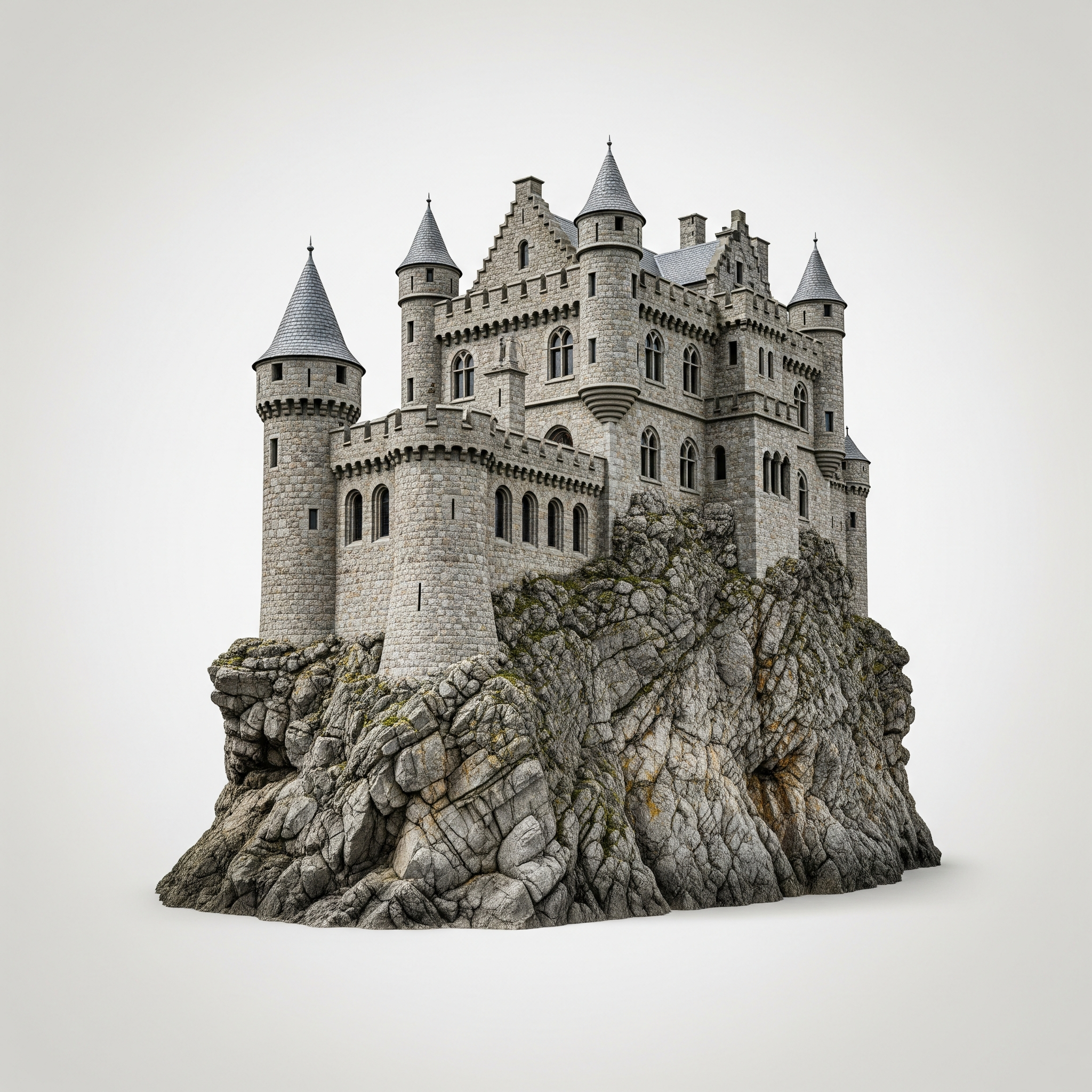
Archival print, museum-grade paper
Buy Poster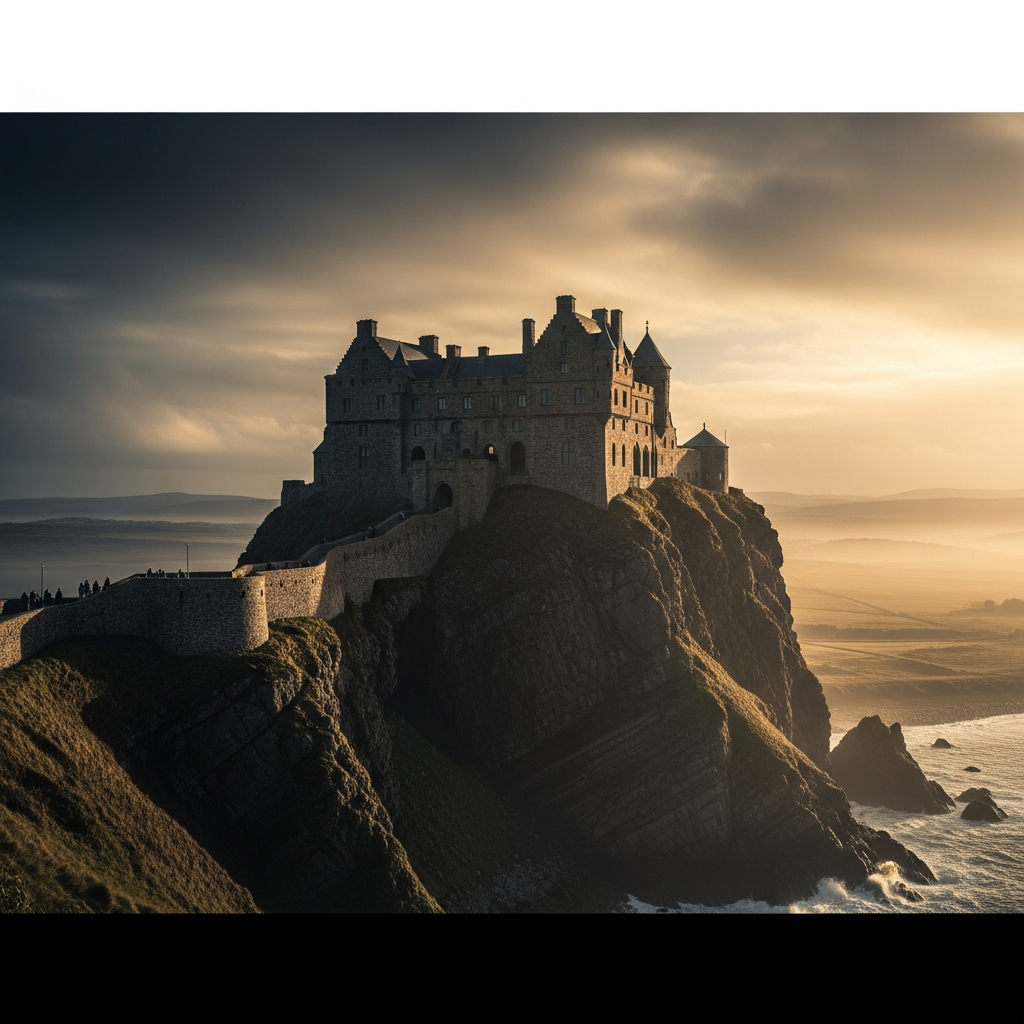
Stoneware mug, dishwasher safe
Buy Mug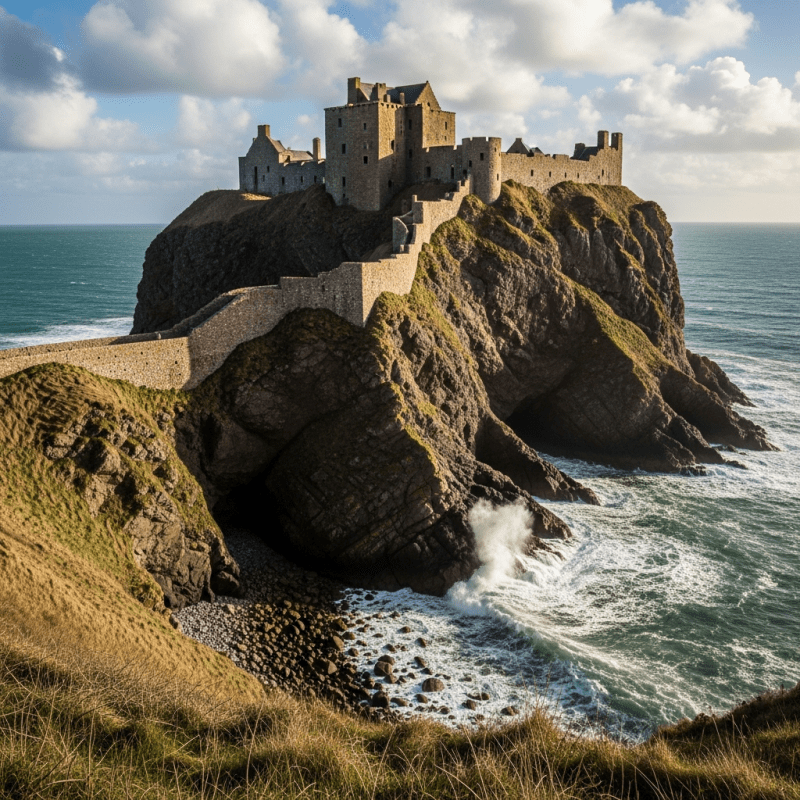
Soft cotton tee, unisex sizes
Buy ShirtCliff castles hold a special place in cultural memory, often celebrated as icons of strategic ingenuity and perseverance. Their involvement in legendary sieges—such as Montségur’s role in the Cathar resistance—has inspired folklore, literature, and local traditions. The dramatic interplay of architecture and landscape continues to captivate artists, historians, and tourists, making these castles enduring symbols of regional identity and historic resilience.
Key architectural features of cliff castles include multi-level layouts that follow the cliff’s contours, walls and towers anchored directly into the bedrock, and limited access points such as narrow gateways or drawbridges. Defensive elements are enhanced by sheer drops, fortified gatehouses, and curtain walls. Many also contain cisterns for water storage and, in some cases, subterranean passages for escape or supply during sieges. The use of locally quarried stone ensures the castle blends seamlessly with its natural surroundings.
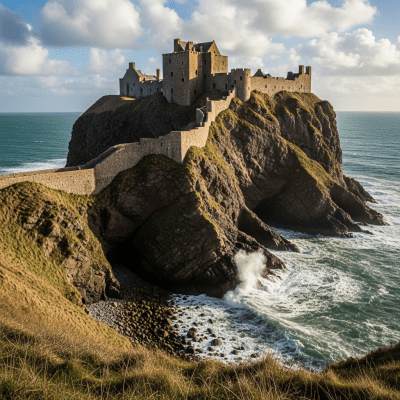
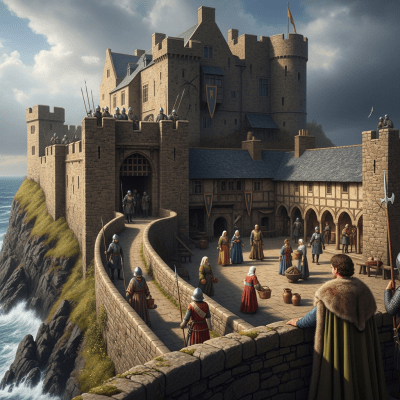
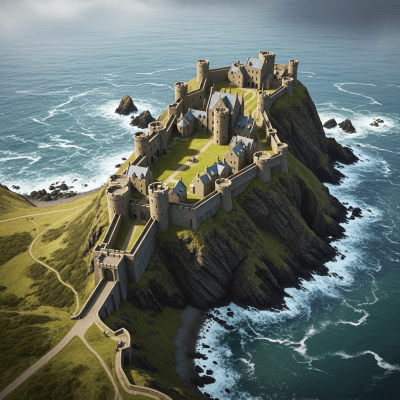
Historically, cliff castles served as both residences for nobility and military strongholds. Their strategic locations made them centers of administration and control, as well as refuges during times of conflict. They played crucial roles in regional power struggles, such as the Cathar resistance at Montségur and the defense of Scottish independence at Dunnottar. Over time, many transitioned into heritage sites, preserving their legacy as symbols of resilience and tactical mastery.
Regional terminology and classification vary: in Germanic regions, cliff castles are known as "Felsenburg" and are distinguished from hill castles (Höhenburg) by their extreme topographical siting. In France, they may be called "château sur falaise," while in the British Isles, terms like "promontory castle" or "headland fortress" are common. UNESCO and national heritage registers often highlight these castles for their unique integration with the landscape, emphasizing their rarity and architectural distinctiveness.
Many cliff castles survive as evocative ruins, their remote locations often aiding preservation by limiting modern development. Some, like Montségur and Dunnottar, have been partially restored and are protected as national monuments or heritage sites. Preservation efforts focus on stabilizing ancient masonry and improving safe access for visitors, while maintaining the integrity of their dramatic settings. Their status as cultural landmarks ensures ongoing attention from conservation bodies and local communities.
Cliff castles are steeped in legend—Montségur is said to have harbored the Holy Grail, while Dunnottar’s dramatic setting has inspired tales of secret escapes and heroic last stands. Local folklore often features stories of hidden treasures, ghostly apparitions, and miraculous defenses, adding a layer of mystique to these already awe-inspiring sites.
Alternate names for cliff castles include "rock castle" (German: Felsenburg), "château sur falaise" (French), "cliff stronghold," "promontory castle," and "headland fortress." In scholarly contexts, distinctions are made between cliff castles and hill castles based on the extremity of their siting. Regional catalogs and heritage registers often use these terms to highlight the unique integration of architecture and landscape.