Origin Story

The origins of citadel castles trace back to late antiquity, evolving notably during the medieval period (9th–16th centuries) in regions where urban centers needed fortified refuges for rulers and garrisons. Their development drew inspiration from earlier fortifications such as Roman castra and Byzantine acropoleis, adapting to changing military technologies and the complexities of urban life. Monarchs, feudal lords, and city authorities commissioned these structures to assert control and provide sanctuary during times of siege or unrest.

Classification

Citadel castles belong to the broader family of fortified residences known as castles, specifically classified as urban strongholds. They are recognized as a distinct subtype within castle taxonomy, often overlapping with urban fortresses and palace-castle hybrids. Authorities like UNESCO and the European Castle Institute acknowledge citadel castles for their unique blend of defensive, residential, and administrative roles, setting them apart from rural keeps and ceremonial palaces.

Appearance or Form

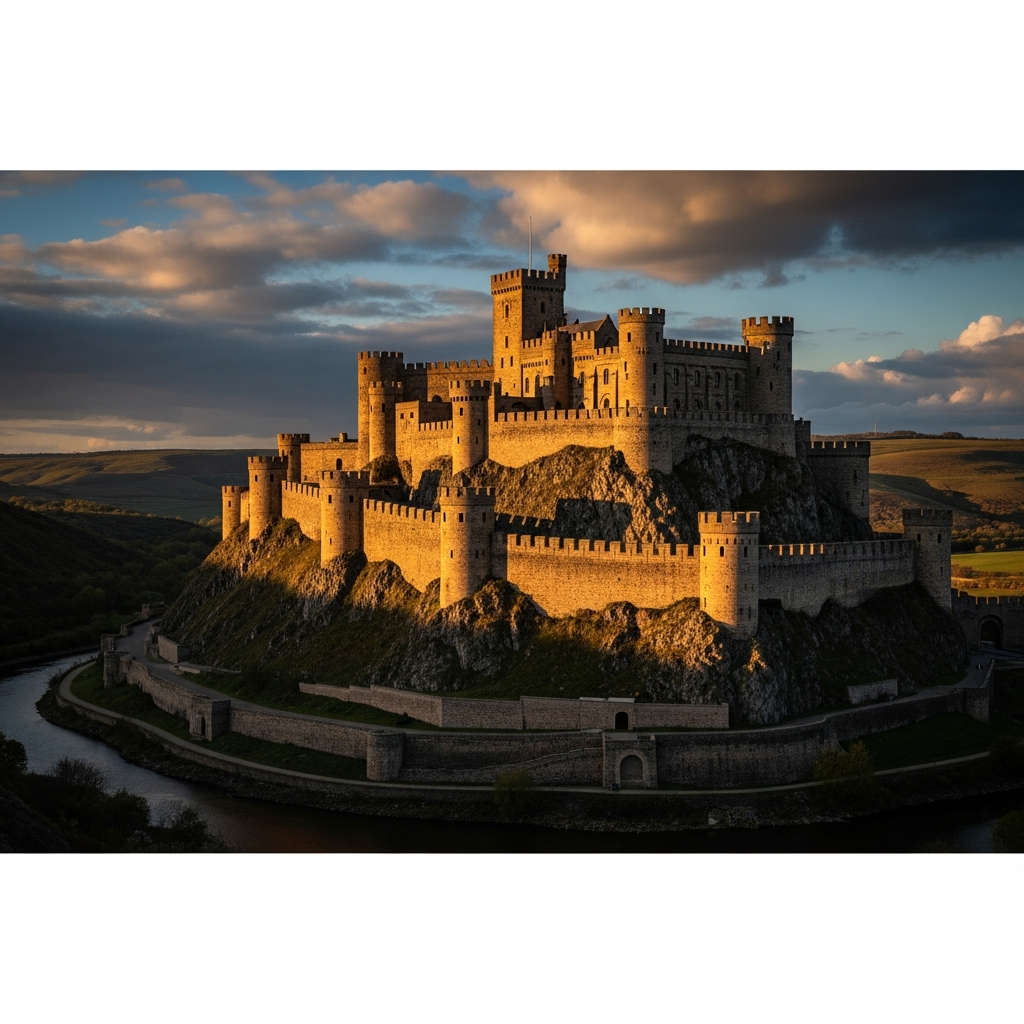
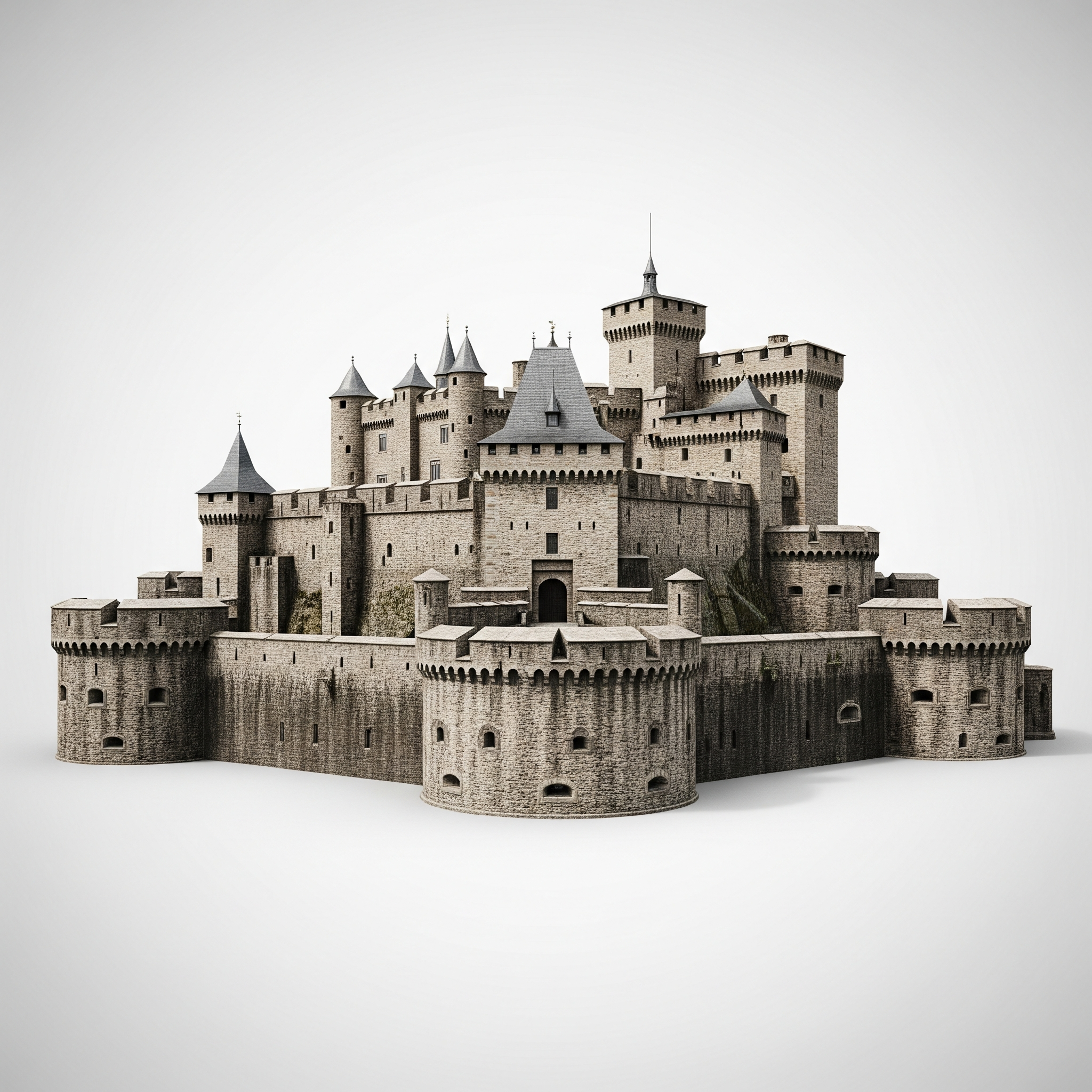
Citadel castles typically dominate their surroundings with imposing stone walls, elevated positions—often atop hills or at the heart of cities—and intricate defensive layouts. Visitors encounter thick curtain walls, formidable gatehouses, moats or dry ditches, and bastions. Inside, the architecture integrates living quarters, administrative halls, armories, and chapels, creating a multifunctional environment. Some citadel castles, like Moscow’s Kremlin, encompass entire districts, while others, such as the Citadel of Cairo, present a compact yet formidable silhouette.
Behavior or Usage

Functioning as the administrative and military core of their cities, citadel castles provided secure residences for rulers, command centers for garrisons, and refuges for citizens during attacks. They were pivotal in times of siege, revolt, and dynastic conflict, serving as symbols of authority and resilience. Their layered defenses allowed them to withstand prolonged assaults, and their presence often anchored the continuity of governance, even when the surrounding city fell into ruin.

Merchandise & Prints

Bring this kind into your world � illustrated posters, mugs, and shirts.

Citadel Castle Citadel Castle Poster

Citadel Castle Poster

Archival print, museum-grade paper

Citadel Castle Citadel Castle Mug

Citadel Castle Mug

Stoneware mug, dishwasher safe

Citadel Castle Citadel Castle Shirt

Citadel Castle Shirt

Soft cotton tee, unisex sizes

Attributes & Insights

Taxon-Specific Insights

🌍Cultural Significance

Citadel castles have played central roles in art, literature, and collective memory, embodying themes of power, endurance, and sanctuary. Their silhouettes grace paintings, stories, and films as emblems of steadfastness and authority. Many have become UNESCO World Heritage Sites, celebrated for their historical and architectural importance. The enduring image of the citadel—standing firm amidst turmoil—continues to inspire modern culture and heritage preservation efforts.

📌Notable Facts

  • Some citadel castles, such as the Alcazaba of Málaga, are UNESCO World Heritage Sites, recognized for their global significance.
  • The Kremlin in Moscow is a citadel castle that houses entire administrative districts within its walls.
  • Citadel castles often outlasted their surrounding cities, serving as nuclei for reconstruction after conflict.
  • Materials used in citadel castles vary widely, from stone in Europe and the Middle East to brick and rammed earth in Asia.
  • Alternate names for citadel castles include "alcazaba," "kremlin," "kasbah," and "acropolis," reflecting regional linguistic diversity.

🏰Architectural Features

Key architectural features of citadel castles include massive stone or brick curtain walls, multiple fortified gatehouses, moats or dry ditches, bastions, and inner keeps or donjons. Their elevated placement enhances defense, while the complex internal layout integrates residential quarters, administrative halls, armories, and chapels. Some, like the Kremlin, enclose entire districts, whereas others focus on compact, layered fortifications. Materials and design details vary by region, reflecting local resources and architectural traditions.

Visual Variations

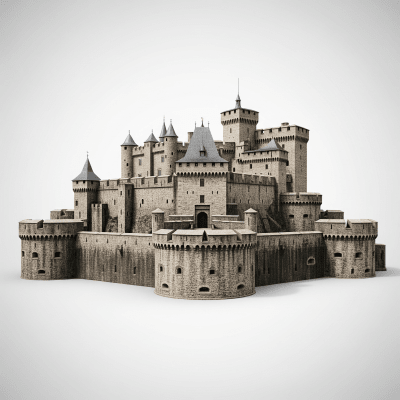
High quality studio photograph of a Citadel Castle, belonging to the castles taxonomy
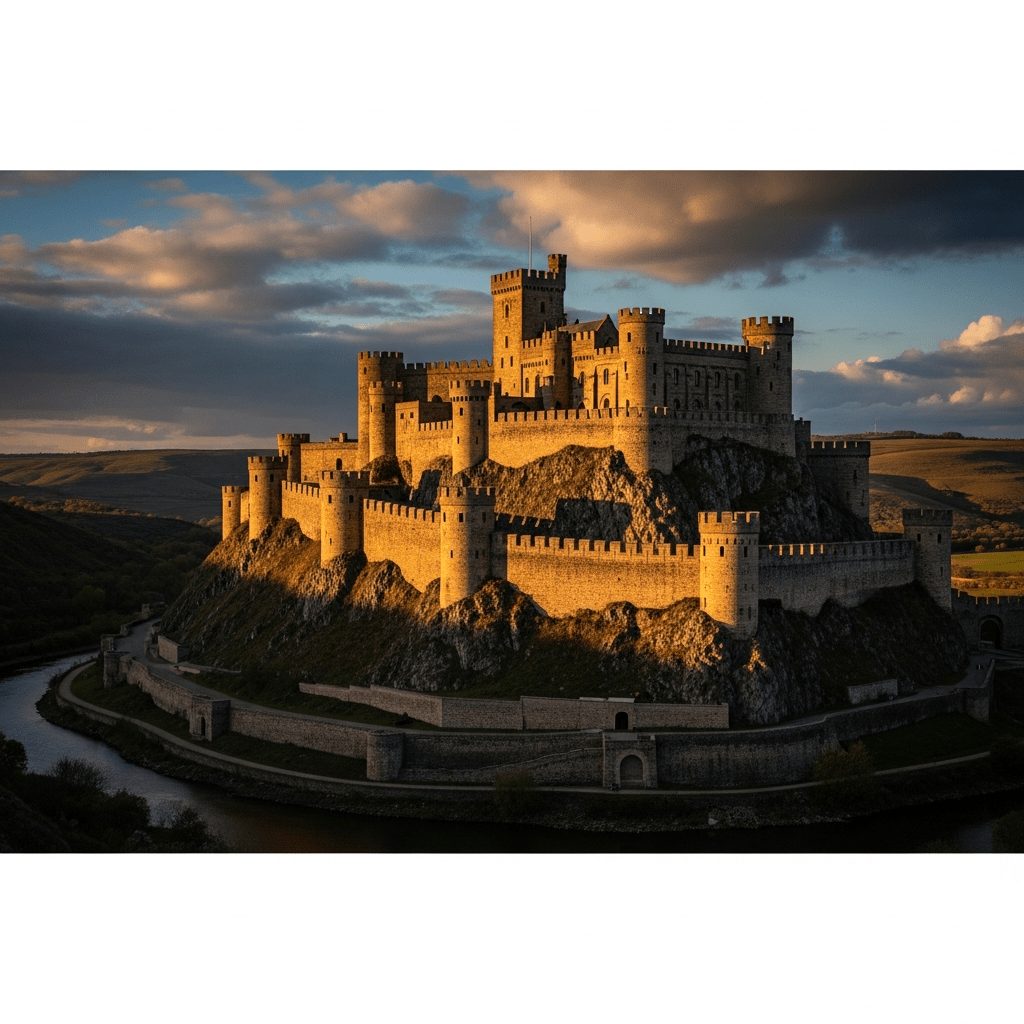
A realistic image of the Citadel Castle from the castles taxonomy, situated in its historical or natural environment
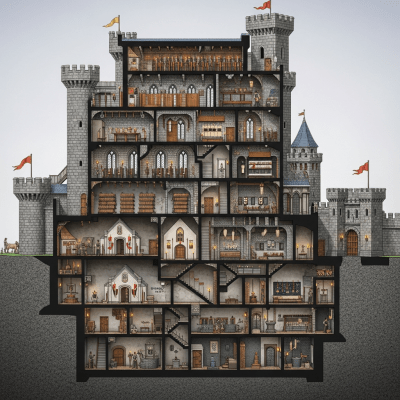
A detailed cross-sectional illustration of a Citadel Castle, from the castles taxonomy
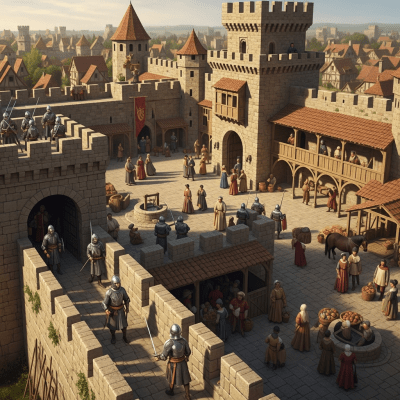
An image showing the Citadel Castle from the castles taxonomy being used or inhabited historically
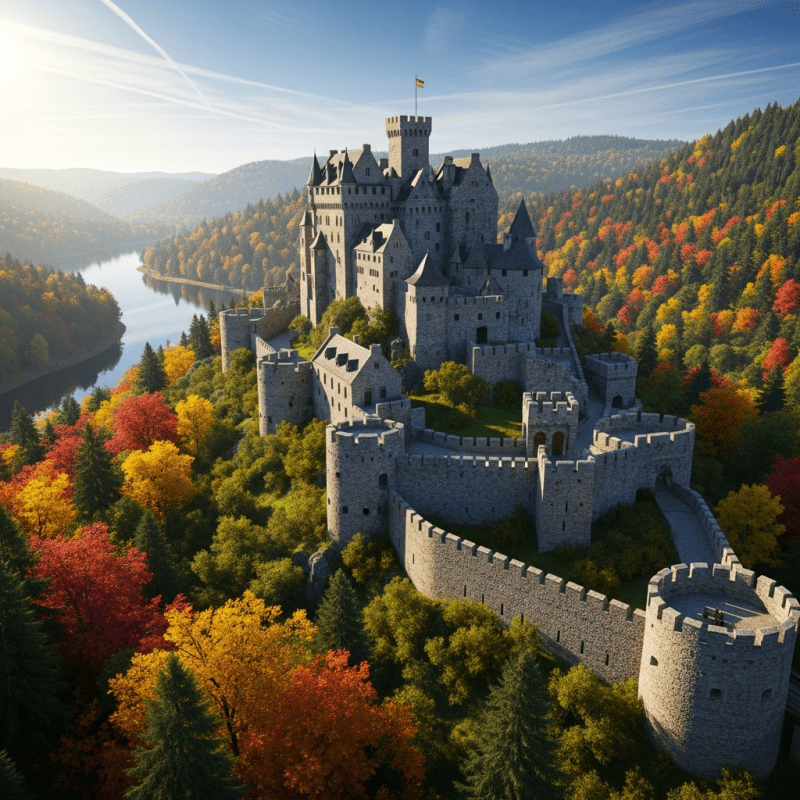
A bird's-eye view rendering of a Citadel Castle, classified in the castles taxonomy
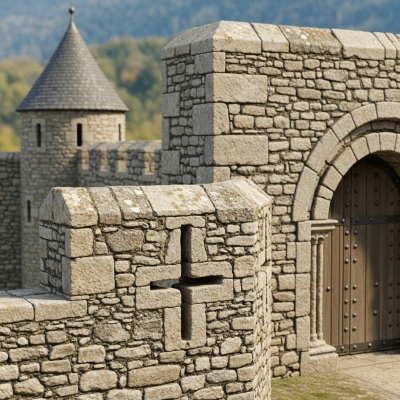
A close-up image focusing on unique architectural details of a Citadel Castle, from the castles taxonomy

Composition & Context

Taxon-Specific Insights

⚔️Historical Roles

Throughout history, citadel castles have served as command centers for military operations, administrative hubs for governance, and sanctuaries for citizens during sieges. They were focal points in revolts, dynastic struggles, and urban defense, often determining the fate of cities. Their enduring presence provided continuity of leadership and stability, and in many cases, the citadel became the foundation for rebuilding urban life after periods of conflict.

🌍Famous Examples

  • Alcazaba of Almería (Spain, 10th century)
  • Citadel of Aleppo (Syria, 12th century)
  • Tower of London (England, 11th century, later citadel functions)
  • Kremlin (Moscow, Russia)
  • Citadel of Cairo (Egypt)

🗺️Regional Variations

Regional terminology and architectural styles for citadel castles vary widely. In Spain, "alcazaba" denotes Moorish citadels; in Russia, "kremlin" refers to fortified city centers; North Africa and the Middle East use "kasbah" or "citadel." Materials and layouts reflect local traditions: stone predominates in Europe and the Middle East, while brick and rammed earth are common in Asian citadels. In some regions, the citadel is strictly the innermost defensive area; elsewhere, it encompasses the entire castle complex.

🛡️Preservation Status

Many citadel castles are preserved as heritage sites, museums, or active government centers. Restoration efforts are ongoing, especially for those recognized by UNESCO or national heritage registers. While some remain in excellent condition, others survive as evocative ruins, testifying to their resilience and historical significance. Preservation initiatives focus on maintaining architectural integrity and promoting public access and education.

👻Legends And Myths

Citadel castles are steeped in legend and folklore, often depicted as impregnable fortresses or the backdrop for dramatic sieges and heroic last stands. Stories abound of secret tunnels, hidden treasures, and ghostly rulers haunting their halls. The Tower of London, for example, is famed for its tales of royal intrigue and spectral apparitions, while the Citadel of Aleppo is woven into local myths of endurance and conquest.

🎟️Visiting Tips

  • Check opening hours and guided tour availability, as many citadel castles operate as museums or government sites.
  • Wear comfortable shoes; expect to walk across uneven stone surfaces and climb stairs.
  • Photography may be restricted in certain areas—always ask before taking pictures.
  • Respect preservation rules and avoid touching historic structures.
  • Visit early in the day or during weekdays to avoid crowds, especially at popular sites like the Tower of London or the Kremlin.

📝Terminology And Synonyms

Citadel castles are known by various names depending on region and language: "citadel," "fortress," "acropolis" (Greek), "alcazaba" (Spanish), "kremlin" (Russian), and "kasbah" (Arabic/North African). While "citadel" sometimes refers specifically to the innermost defensive area, in other contexts it encompasses the entire fortified complex. These terms reflect both linguistic diversity and subtle distinctions in function and architectural style.

Faq

  • What is the main purpose of a citadel castle?
    To serve as a fortified center for defense, governance, and residence within urban areas.
  • How does a citadel castle differ from a regular castle?
    Citadel castles are typically urban, multifunctional, and designed as the last line of defense, while regular castles may be rural and primarily residential or defensive.
  • Are citadel castles still standing today?
    Yes, many citadel castles remain, some as museums, heritage sites, or active government centers.