Origin Story
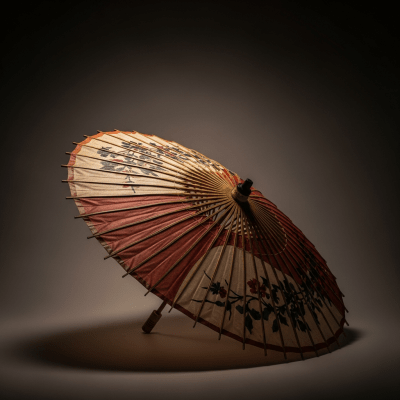
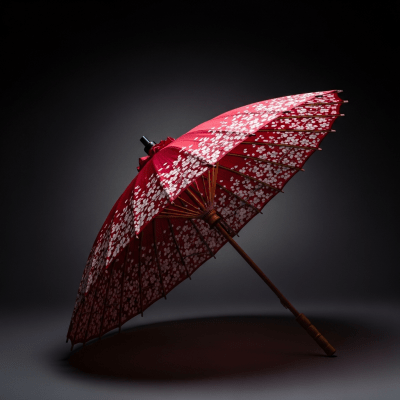
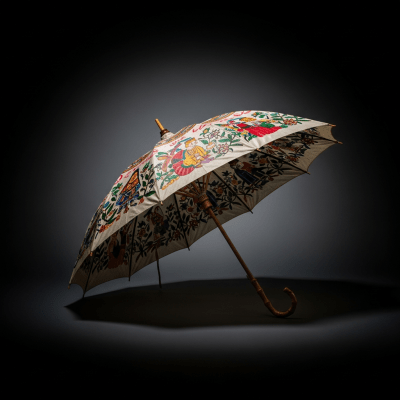
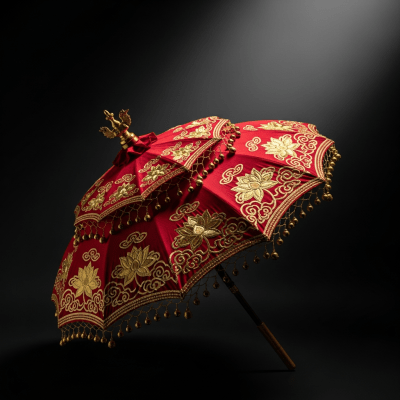
The umbrella's origins trace back thousands of years to ancient civilizations where early forms served primarily as sunshades. Over time, they evolved across cultures—from the ceremonial parasols of Asia to practical rain shields in Europe—adapting materials and mechanisms to meet changing needs and climates.
Classification
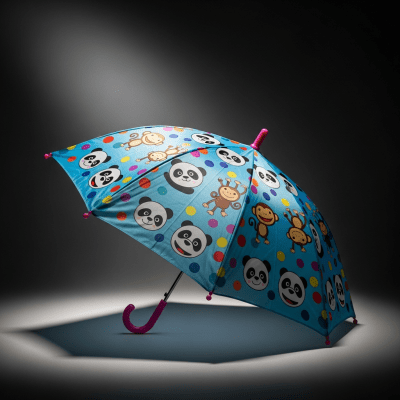
Umbrellas are classified by function (rain, sun, or dual-purpose), mechanism (manual, automatic open, automatic open/close), form factor (full-size, folding, mini, golf), construction materials (steel, aluminum, fiberglass frames; polyester, nylon canopies), and intended user (adult, child, ceremonial).
Appearance or Form
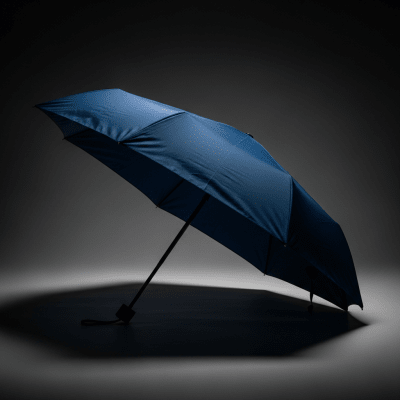
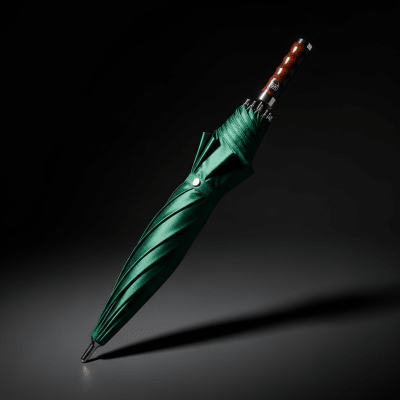
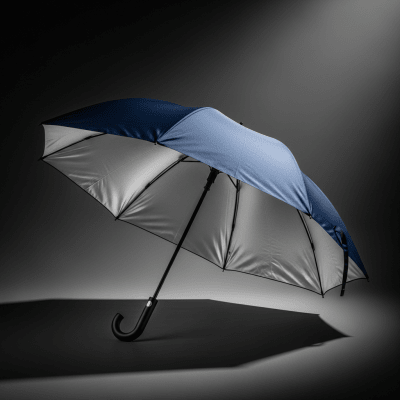
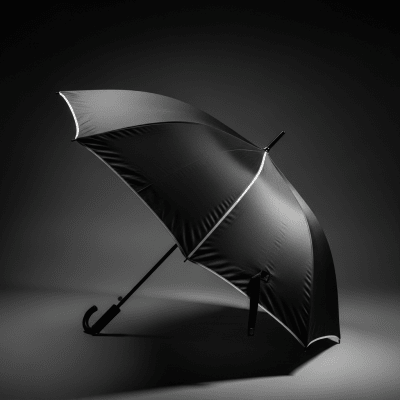
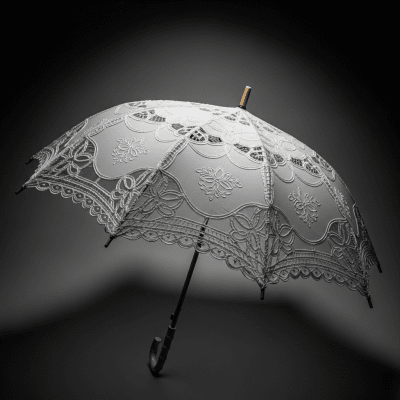
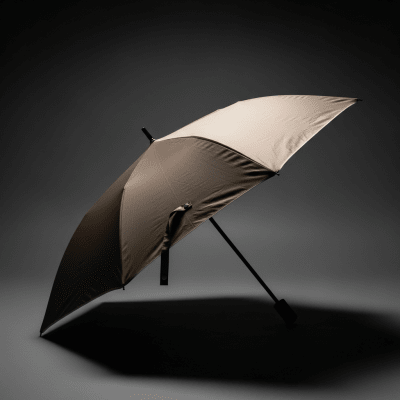
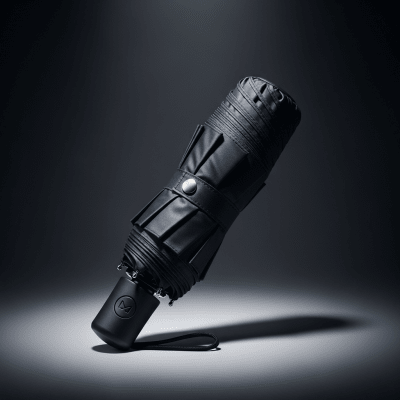
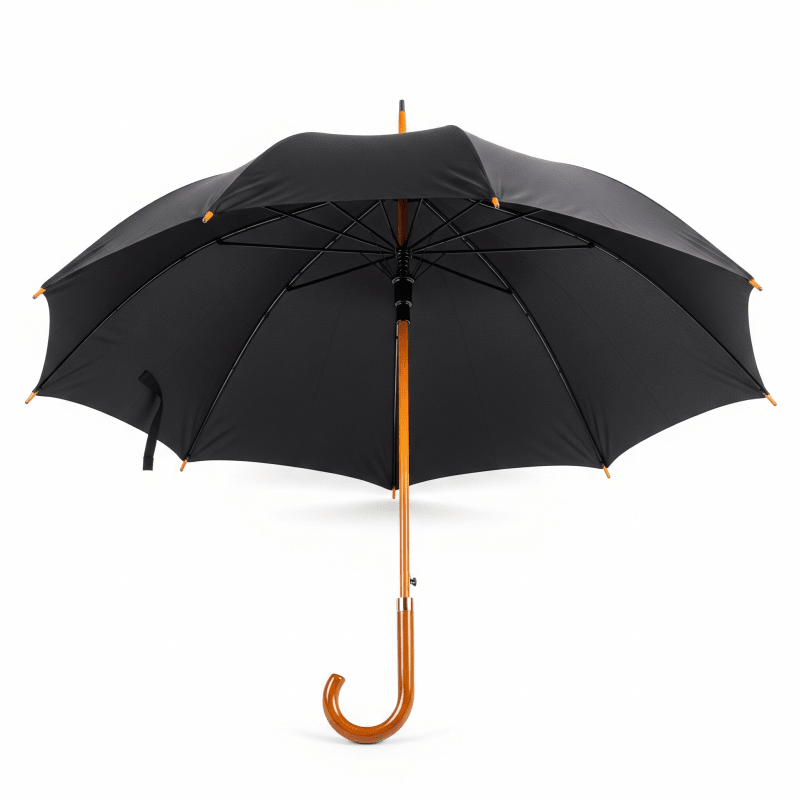
Typically, an umbrella consists of a central shaft supporting a canopy made of water-resistant or UV-protective fabric stretched over ribs. They vary in size and shape—from compact, pocket-sized models to large golf umbrellas—and often feature ergonomic handles and durable frames designed for portability and resilience.
Behavior or Usage
Umbrellas function as personal weather shields, opening to create a protective canopy against rain or sun. They are widely used for daily commuting, outdoor events, and travel. Mechanisms range from simple manual opening to sophisticated automatic systems, enhancing convenience and speed of deployment.