Wedding Umbrella
A wedding umbrella is a decorative, handheld umbrella crafted primarily for use in wedding ceremonies, combining ornate design with functional protection against sun or rain to complement bridal attire and event aesthetics.
A wedding umbrella is a decorative, handheld umbrella crafted primarily for use in wedding ceremonies, combining ornate design with functional protection against sun or rain to complement bridal attire and event aesthetics.
Wedding umbrellas trace their origins across diverse cultures, notably in Asia, Africa, and Western countries. Ceremonial umbrellas have been part of Asian traditions for centuries, symbolizing prosperity and protection, while Victorian-era Europe popularized white lace parasols as fashionable bridal accessories. Today, these umbrellas are produced globally, with key manufacturing hubs in China, Japan, and India, blending traditional craftsmanship with modern design.
Within the broader umbrella family, wedding umbrellas are classified as full-size, decorative handheld umbrellas designed for ceremonial and fashion use. They fall under the category of parasol-style umbrellas, distinguished by their ornamental features and intended primarily for special occasions rather than everyday weather protection.
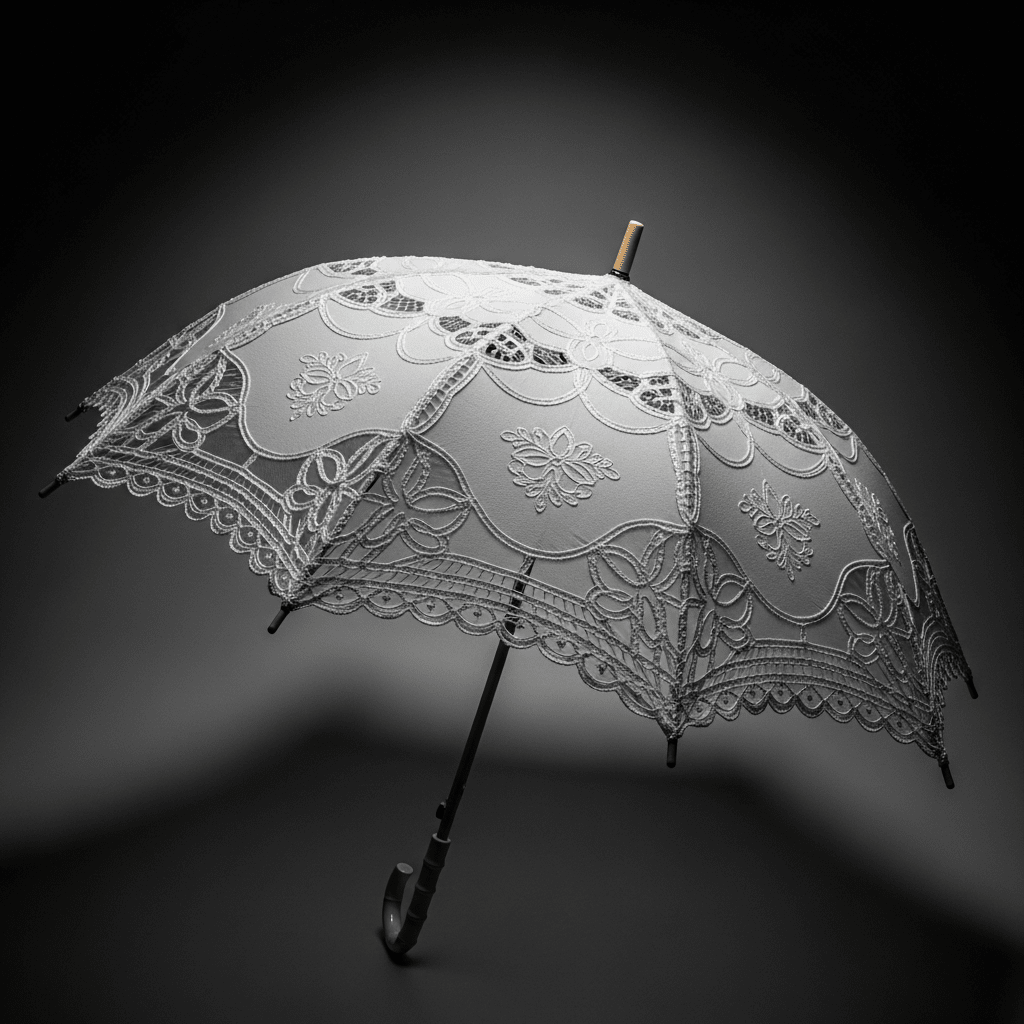
Wedding umbrellas typically feature a full-size or parasol-style form with canopy diameters around 90 centimeters. Their canopies are often made from delicate materials such as lace, silk, or fine cotton, adorned with embroidery, beading, sequins, and floral appliqués. Scalloped edges and ruffled trims enhance their elegant silhouette, while handles are crafted from varied decorative materials to complement the overall aesthetic.
Primarily used during wedding ceremonies, these umbrellas shield brides and bridal parties from sun or rain while adding a refined visual element to the event. Beyond practical protection, they serve symbolic roles—such as warding off evil spirits or representing fertility and prosperity in certain cultures—and are often featured in wedding photography and processions.
Bring this kind into your world illustrated posters, mugs, and shirts.
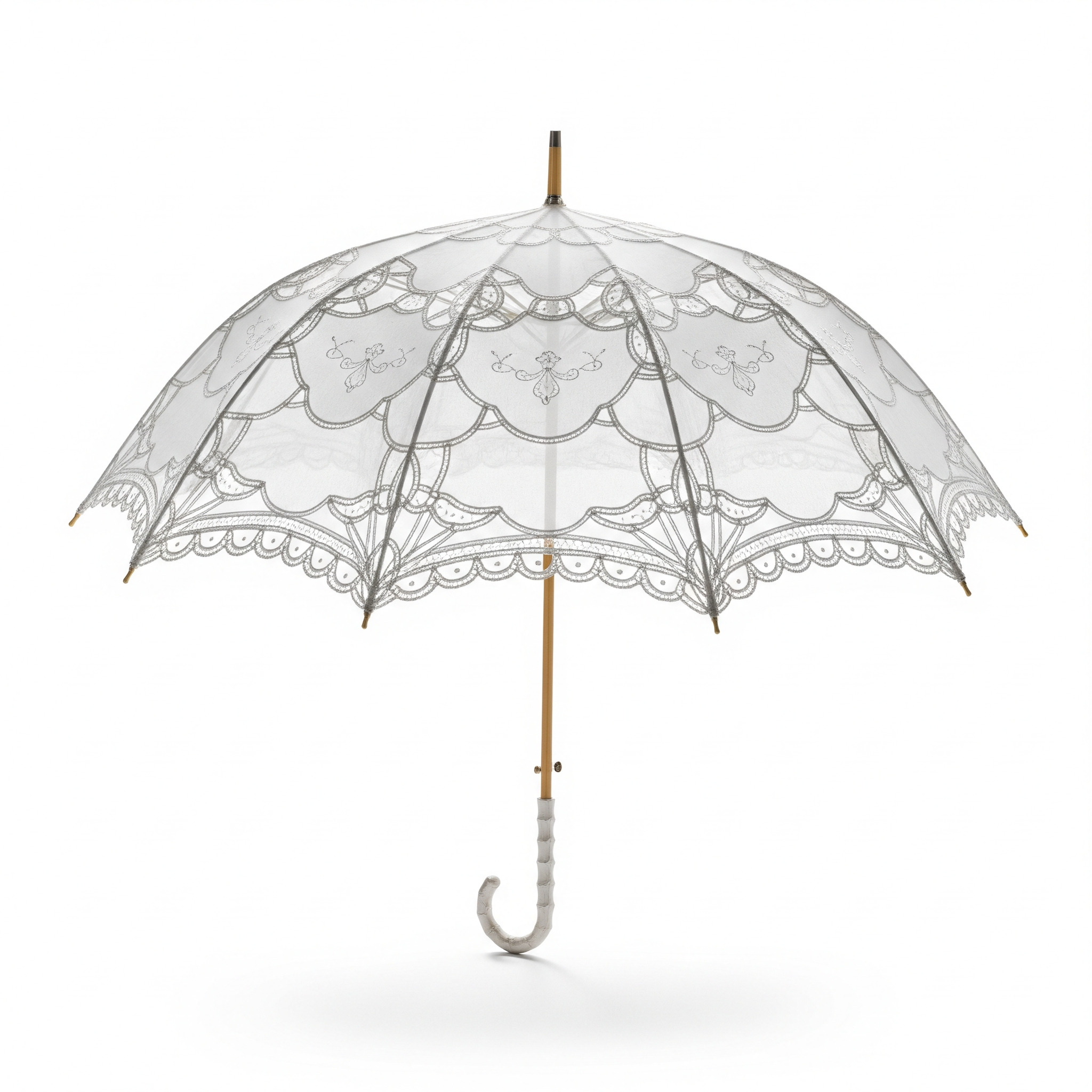
Archival print, museum-grade paper
Buy Poster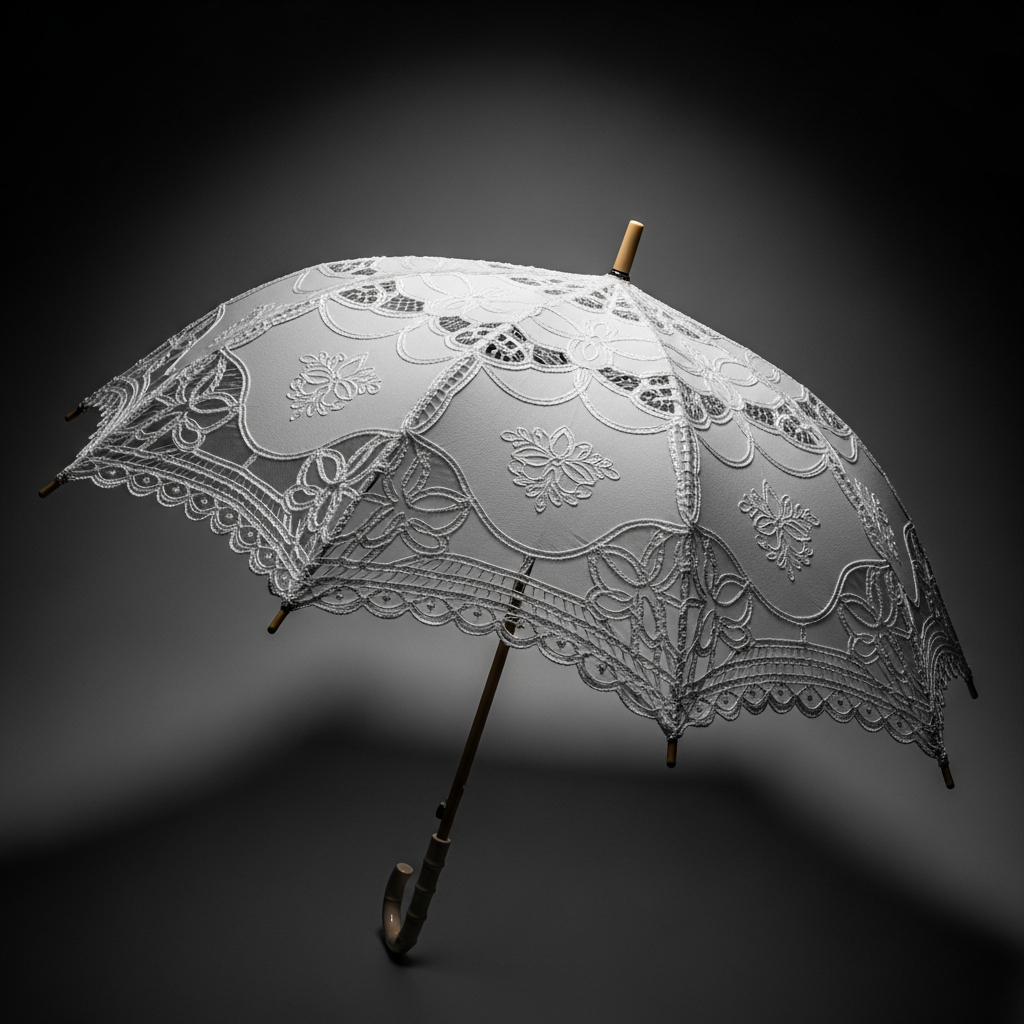
Stoneware mug, dishwasher safe
Buy Mug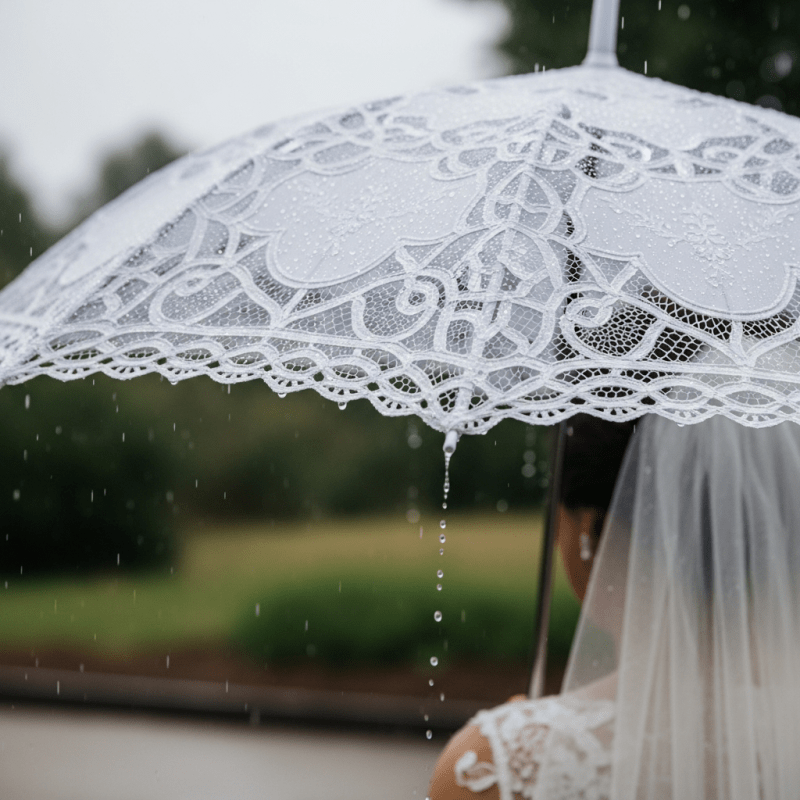
Soft cotton tee, unisex sizes
Buy ShirtWedding umbrellas hold rich cultural meaning across regions: in Asia, red umbrellas symbolize good fortune and protection; in African weddings, vibrant umbrellas accompany traditional dances and rituals; and in Western contexts, white lace parasols evoke elegance and heritage. Their presence underscores themes of prosperity, protection, and celebration, making them cherished ceremonial artifacts as well as fashion statements.
Wedding umbrellas predominantly employ manual opening mechanisms, where the user slides a runner along the shaft to extend the ribs and canopy. This traditional system allows for delicate control, preserving the integrity of ornate fabrics like lace and silk. Automatic or hybrid mechanisms are rare, as the focus remains on aesthetic detail rather than rapid deployment.
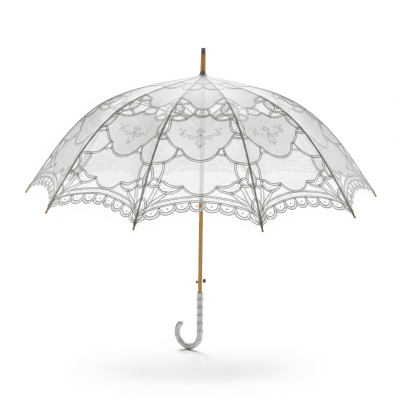
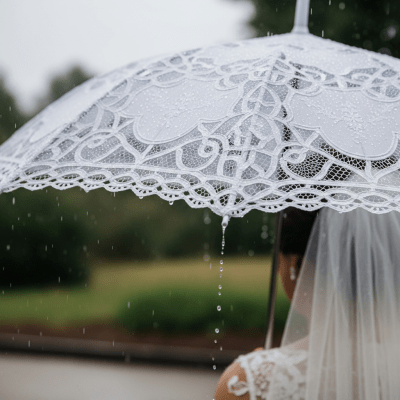
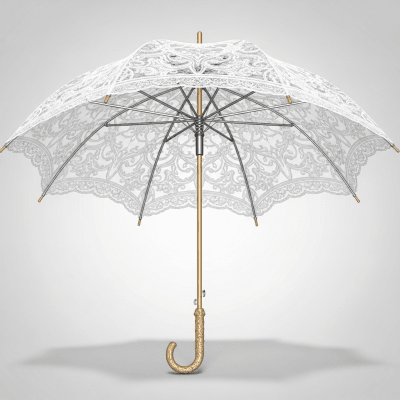
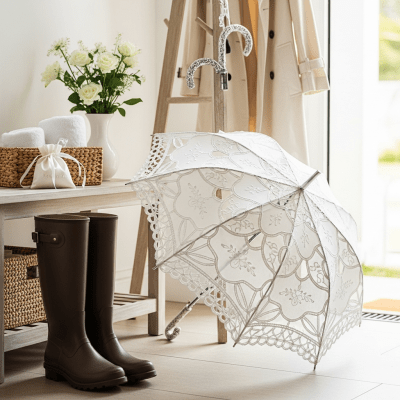
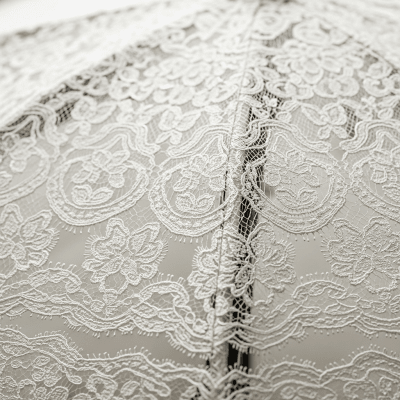
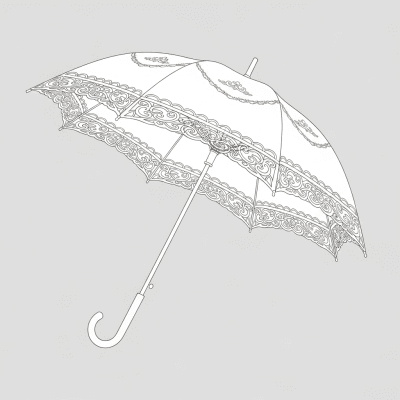
The canopy of a wedding umbrella is crafted from fine, often delicate fabrics such as lace, silk, polyester, cotton, or occasionally paper for ceremonial purposes. Frames and ribs are typically constructed from lightweight yet sturdy materials like aluminum, steel, wood, or plastic to balance durability with ease of handling. Shafts mirror these materials, while handles are designed from varied decorative substances to enhance visual appeal. Embellishments including embroidery, beading, sequins, and floral appliqués add texture and richness to the umbrella’s construction.
Wedding umbrellas vary by regional tradition and design. In China, ornate red umbrellas symbolize prosperity and protection, often richly decorated. African weddings feature colorful umbrellas used in dances and rituals, reflecting vibrant cultural expression. Western weddings commonly favor white or pastel lace parasols, emphasizing elegance and heritage. Styles range from simple parasol shapes to elaborately scalloped or ruffled canopies, with some incorporating UV protection or water resistance.
To preserve a wedding umbrella’s delicate materials and embellishments, it should be stored in a dry, cool place away from direct sunlight. Cleaning requires gentle handling—dusting with a soft brush or spot cleaning with mild soap and water is recommended. Avoid machine washing or harsh chemicals that could damage lace or silk. After use in rain, allow the umbrella to air dry fully before storage to prevent mold or fabric deterioration.
When selecting a wedding umbrella, consider the balance between decorative appeal and functional protection. Look for quality canopy materials like lace or silk if aesthetics are paramount, and check for UV or water resistance if outdoor use is expected. Manual mechanisms are most common and reliable for delicate designs. Size should complement the bridal attire and event setting, typically around 70 to 110 centimeters in canopy diameter. Finally, explore regional styles or custom embellishments to match cultural traditions or personal taste.