
Mini Umbrella
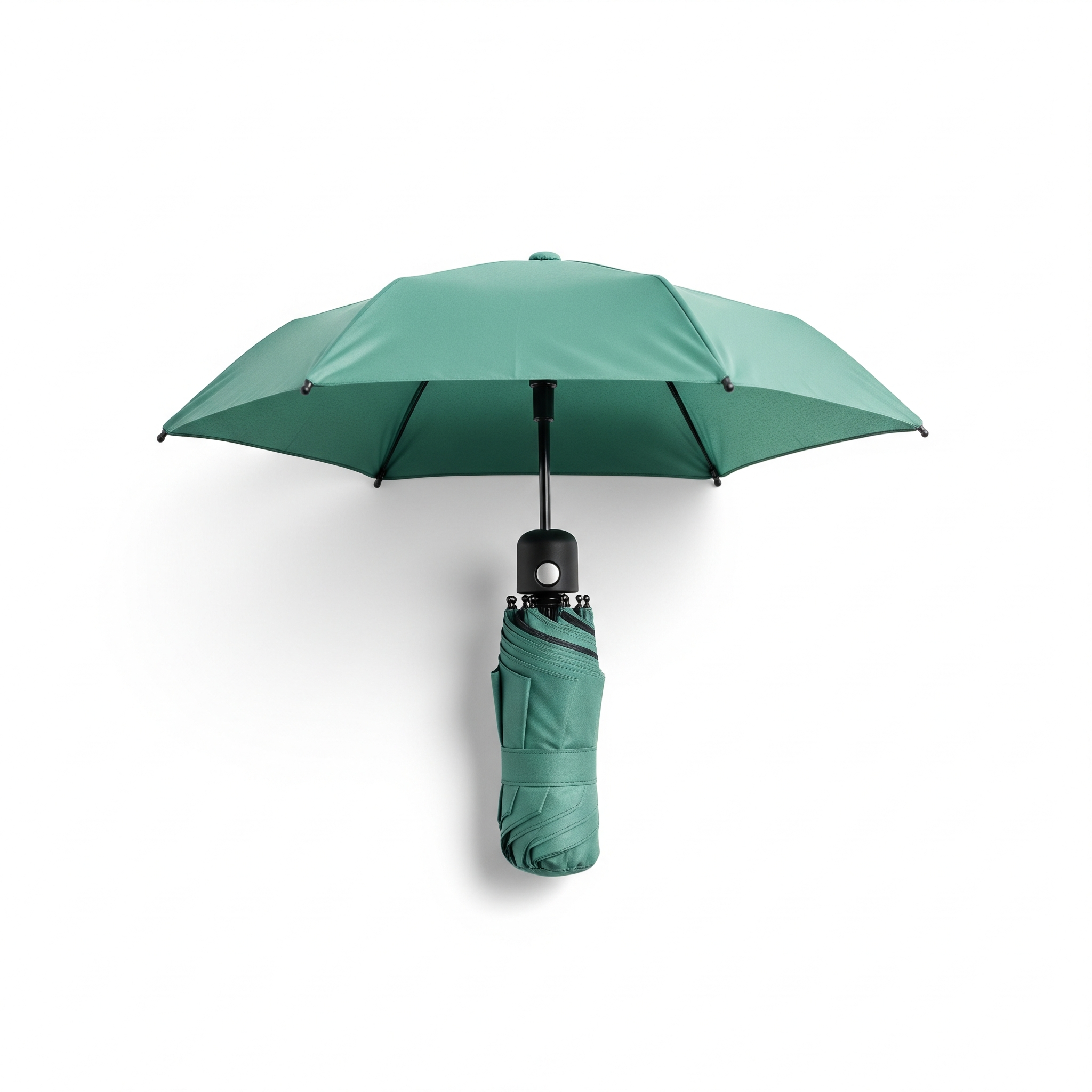
The mini umbrella is a highly compact, pocket-sized folding umbrella designed for maximum portability and convenience, offering basic protection against rain and occasional sun exposure.
The mini umbrella is a highly compact, pocket-sized folding umbrella designed for maximum portability and convenience, offering basic protection against rain and occasional sun exposure.
The mini umbrella originated in East Asia, particularly China and Japan, during the late 20th century, around the 1980s. It evolved as a smaller variant of the folding umbrella, driven by consumer demand for ultra-portable rain protection. Notable manufacturers include Totes from the USA, Fulton from the UK, and Senz from the Netherlands, though many models are produced generically. Advances in lightweight materials and compact folding mechanisms enabled its development, though precise inventor details remain unknown.
Classified within the broader umbrella family, the mini umbrella belongs to the folding, mini or micro form factor group. It is primarily a manual mechanism umbrella, designed as a compact, portable rain and sun protection device. It fits alongside other umbrella types such as full-size, telescopic, and golf umbrellas, distinguished mainly by its reduced size and collapsibility.
Mini umbrellas feature a slender, telescoping shaft that folds three to five times, collapsing to about 15–20 centimeters in length. When open, their canopy typically spans 80–95 centimeters in diameter. The canopy fabric is usually smooth polyester or pongee, often in a wide range of colors and patterns. Frames and ribs are crafted from lightweight materials like aluminum alloy, fiberglass, steel, or carbon fiber in premium models. Handles are small, often plastic or rubberized, sometimes equipped with wrist straps for easy carrying.
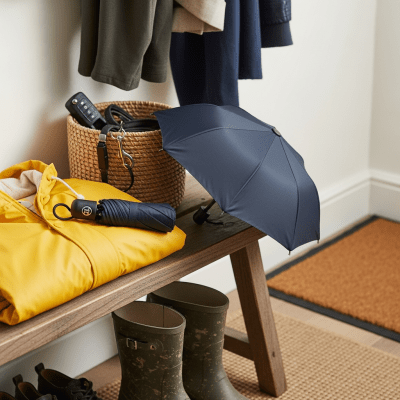
Designed primarily for rain protection, mini umbrellas are favored for their portability, fitting easily into handbags, briefcases, or pockets. They serve urban commuters, travelers, and students who need convenient, space-saving weather shields. In some East Asian markets, they also provide sun protection with UV coatings. While convenient, their smaller canopy offers less coverage, making them less suitable for heavy rain or strong winds.
Bring this kind into your world illustrated posters, mugs, and shirts.
Archival print, museum-grade paper
Buy Poster
Stoneware mug, dishwasher safe
Buy Mug
Soft cotton tee, unisex sizes
Buy ShirtThough mainly utilitarian, mini umbrellas have gained status as fashion accessories in certain contexts, often coordinated with outfits or used for promotional branding. They hold particular popularity in East Asia among schoolchildren and office workers. However, they lack significant ceremonial or historical roles, serving primarily as practical, everyday items worldwide.
Mini umbrellas predominantly use manual opening and closing mechanisms, relying on a sliding runner that extends or collapses the telescoping shaft and ribs. Due to size constraints, automatic or hybrid mechanisms are rare but do exist in some models. The folding shaft typically telescopes in three to five sections, allowing the umbrella to compact tightly for storage. Reinforced ribs may include windproof features such as double ribs or vented canopies to improve durability.

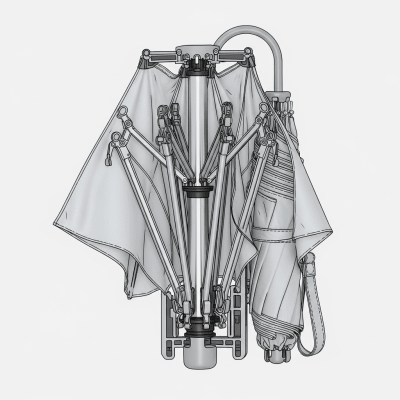

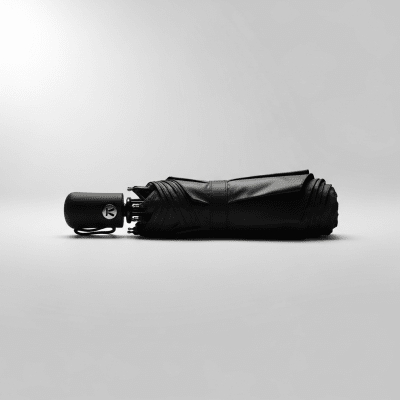
Canopies are commonly made from polyester or pongee fabrics, chosen for their lightweight, water-resistant qualities. The frame and ribs utilize materials like aluminum alloy, fiberglass, steel, and in premium versions, carbon fiber for enhanced strength and reduced weight. Shafts follow similar material choices to balance durability and portability. Handles are often plastic or rubberized to provide a comfortable, non-slip grip, sometimes featuring wrist straps for convenience. Construction emphasizes compactness without sacrificing basic structural integrity.
Mini umbrellas come in various styles, from simple solid colors to vibrant printed patterns reflecting fashion trends. Regional variants include East Asian models with enhanced UV coatings for sun protection and European versions with reinforced windproof designs. Synonyms such as pocket umbrella, micro umbrella, and travel umbrella are commonly used interchangeably. While the core form remains consistent, some models feature automatic opening or specialized handles to cater to different user preferences.
To prolong the life of a mini umbrella, it is best to dry it fully before storage to prevent mold and fabric deterioration. Avoid forcing the mechanism if it resists opening or closing, as this can damage the telescoping shaft or ribs. Regularly inspect for bent ribs or loose joints, and gently clean the canopy fabric with mild soap and water. Storing the umbrella in its protective sleeve helps prevent scratches and maintains compactness.
When selecting a mini umbrella, consider canopy size relative to your typical needs, balancing coverage with portability. Check the mechanism type—manual models are more common and reliable, while automatic variants offer convenience at a slight size cost. Look for durable materials such as aluminum or carbon fiber frames and water-resistant canopy fabrics like pongee or polyester. Additional features like windproof reinforcement, UV protection coatings, and ergonomic handles enhance usability. Finally, consider style and color options to match personal taste or fashion preferences.