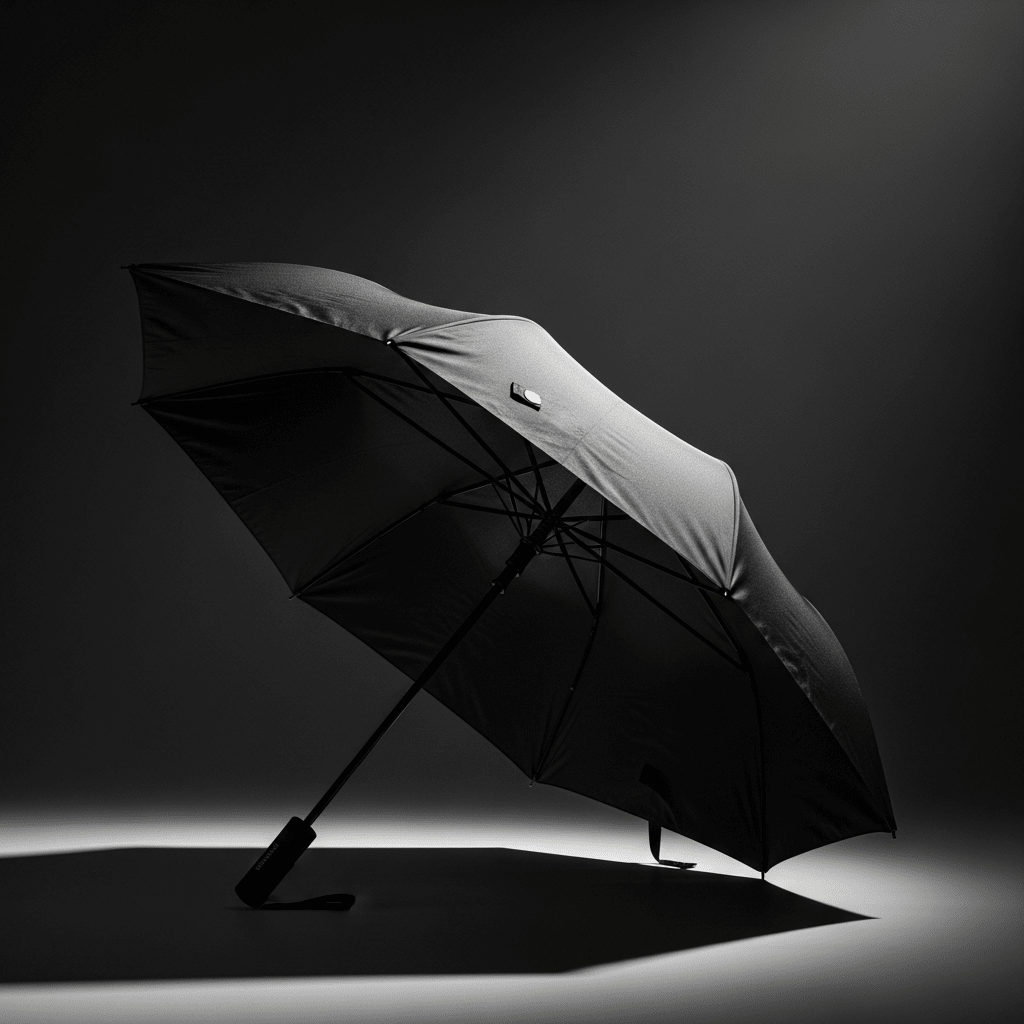
Windproof Umbrella
The windproof umbrella is a specialized handheld umbrella designed to resist strong winds, preventing canopy inversion and structural damage through reinforced frames, vented canopies, and advanced materials.
The windproof umbrella is a specialized handheld umbrella designed to resist strong winds, preventing canopy inversion and structural damage through reinforced frames, vented canopies, and advanced materials.
The windproof umbrella emerged globally in the late 20th to early 21st century as a response to the shortcomings of traditional umbrellas in windy conditions. Key innovations include patented frame geometries and venting systems developed by pioneering brands such as Senz from the Netherlands, Blunt from New Zealand, and Totes from the USA. Production spread widely with significant manufacturing in China and Japan, reflecting a global effort to improve umbrella durability against storms.
As a variant within the broader umbrella family, the windproof umbrella belongs to the category of handheld weather protection devices engineered specifically for wind resistance. It typically falls under the full-size form factor and manual mechanism type, distinguished by reinforced structural elements and aerodynamic canopy designs that set it apart from standard rain or sun umbrellas.
Windproof umbrellas often feature aerodynamic canopy shapes such as asymmetrical or teardrop forms, frequently employing double-canopy construction to enhance wind passage. Their frames and ribs are reinforced and engineered for flexibility, while ergonomic handles provide comfortable grip. Canopy diameters generally measure around 100 centimeters, offering ample coverage without sacrificing portability.
Designed primarily for rain protection in windy environments, windproof umbrellas function by allowing wind to pass through vented canopies and flexible frames that bend without breaking. Users rely on them in stormy or gusty conditions, especially in coastal and temperate regions. Their robust construction ensures reliable shelter, making them favored by commuters, travelers, and outdoor enthusiasts seeking dependable weather protection.
Bring this kind into your world illustrated posters, mugs, and shirts.
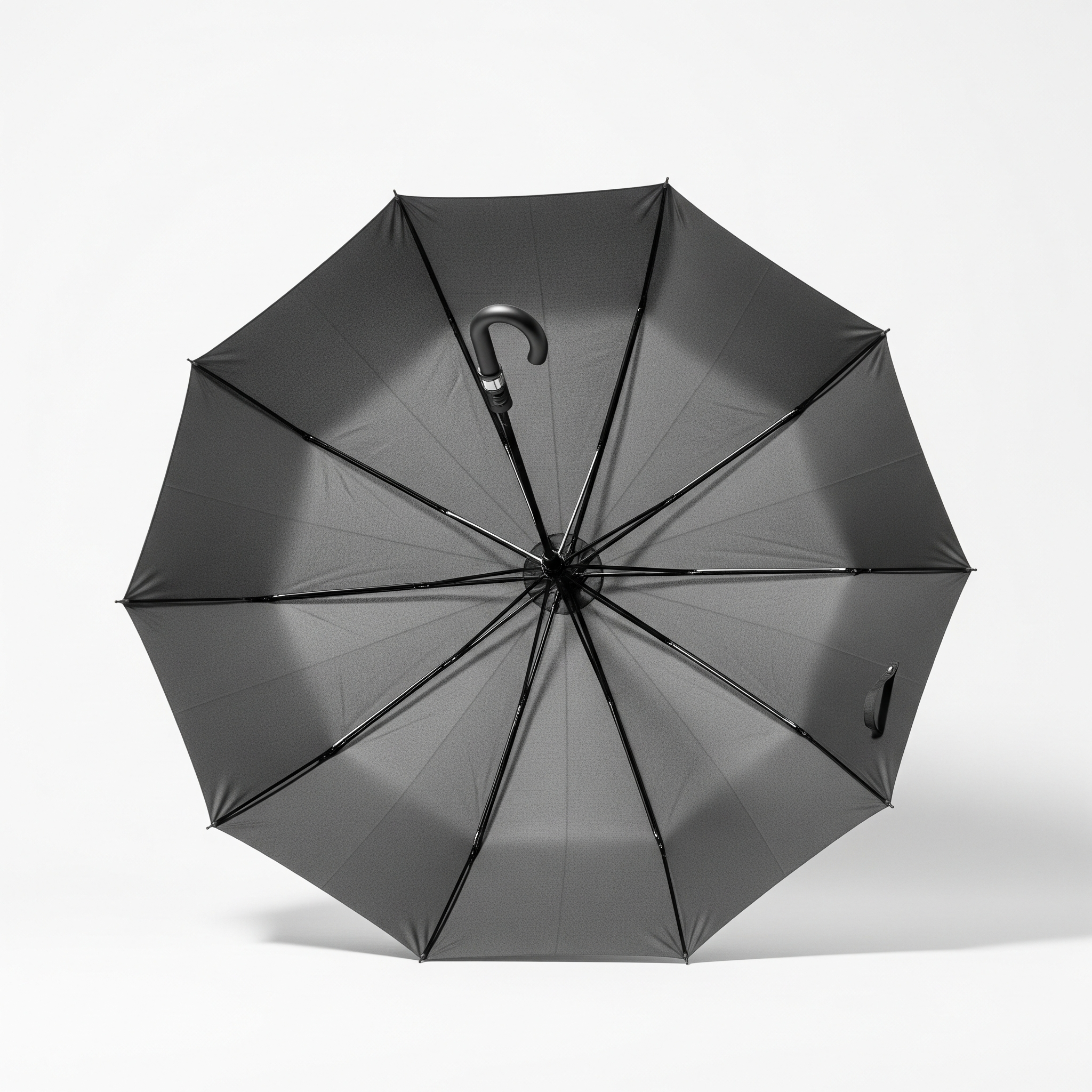
Archival print, museum-grade paper
Buy Poster
Stoneware mug, dishwasher safe
Buy Mug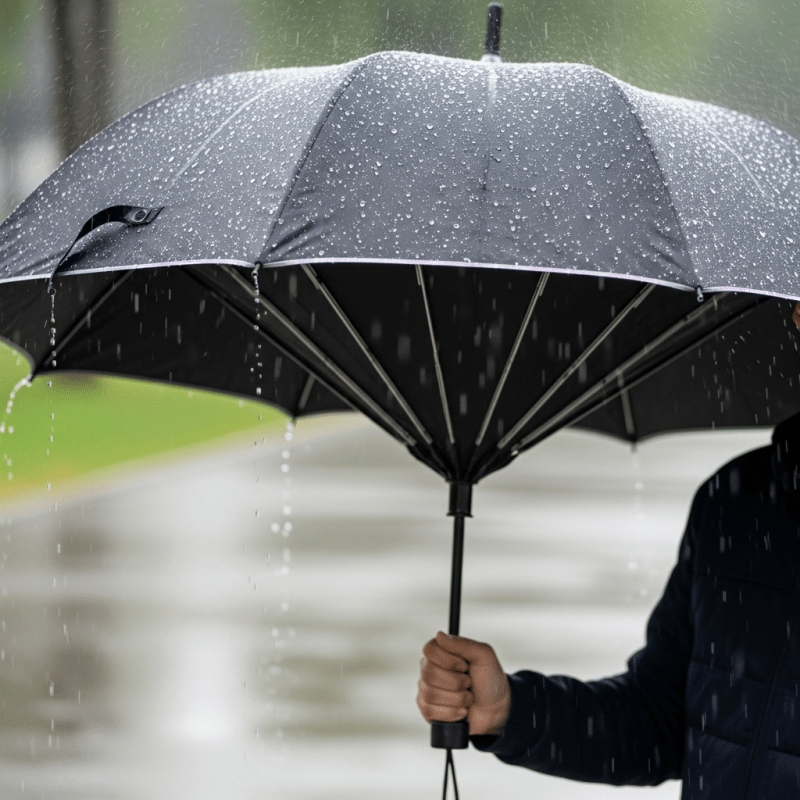
Soft cotton tee, unisex sizes
Buy ShirtBeyond their practical use, windproof umbrellas symbolize technological innovation and preparedness. They have earned recognition through design awards and museum exhibitions, such as the Senz umbrella displayed at the Museum of Modern Art in New York. In some cultures, owning a sturdy windproof umbrella reflects a mark of quality and readiness for adverse weather.
Windproof umbrellas primarily use manual opening mechanisms to ensure structural reliability, though some models incorporate automatic or hybrid systems. The opening involves sliding a runner along the shaft to extend ribs and canopy, while closing reverses this motion. Reinforced ribs and vented canopies work in tandem to flex under wind pressure without breaking or flipping inside out, maintaining canopy integrity during gusts.
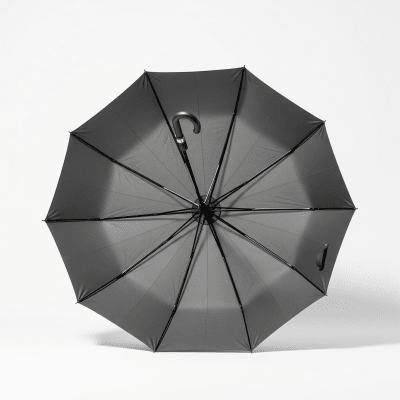
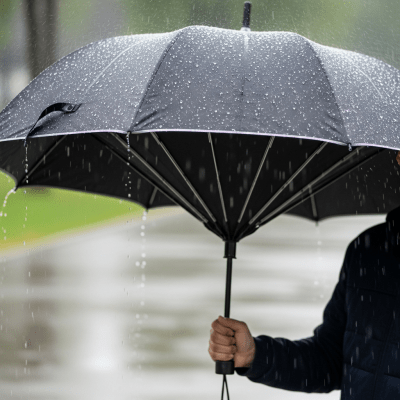
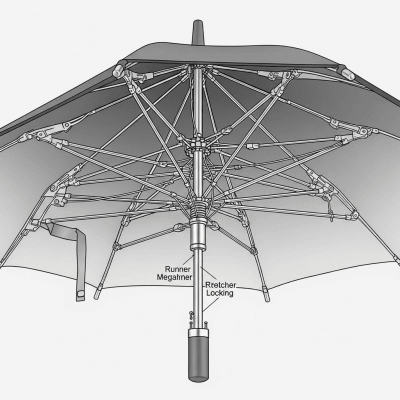
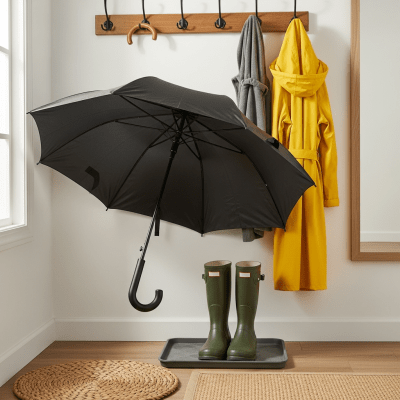


The construction of windproof umbrellas centers on durable, flexible materials. Frames and ribs are crafted from high-tensile steel, fiberglass, or aluminum alloys, chosen for their strength and ability to bend without snapping. Canopies use polyester or pongee fabrics that resist water and wear. Double-canopy designs and vented layers allow wind to pass through, reducing pressure on the structure. Handles are ergonomically shaped for secure grip, complementing the robust build.
Windproof umbrellas are most commonly found in full-size, folding, or compact forms. Variants differ by canopy shape—such as asymmetrical or teardrop aerodynamics—and by frame technology, including flexible ribs or double-canopy venting. Regional differences include Japanese models favoring lightweight fiberglass frames and European brands emphasizing aerodynamic canopy designs. Color and handle styles vary widely, from classic blacks and navies to bright, eye-catching hues.
To prolong the life of a windproof umbrella, users should dry it fully after use to prevent fabric mildew and rust on metal parts. Avoid forcing the frame against strong resistance to maintain rib flexibility. Regularly check for loose screws or bent ribs and tighten or gently straighten as needed. Store the umbrella closed in a dry place to protect its materials and mechanism from damage.
When selecting a windproof umbrella, consider canopy size for adequate coverage and portability. Look for reinforced frames made from fiberglass or aluminum alloys and vented canopy designs to handle strong winds. Choose the mechanism type that suits your preference—manual for simplicity, automatic for convenience. Ergonomic handles improve comfort during extended use. Verify any standards compliance, such as ISO 21853:2019, and select reputable brands known for durability and wind resistance.