
Folding Umbrella
The folding umbrella is a compact, portable device designed for personal protection against rain or sun, featuring a collapsible shaft and canopy that fold down for easy storage in bags or pockets.
The folding umbrella is a compact, portable device designed for personal protection against rain or sun, featuring a collapsible shaft and canopy that fold down for easy storage in bags or pockets.
Originating in Europe during the late 19th to early 20th century, the folding umbrella underwent significant refinement in mid-20th century Japan and China. The first folding umbrella patent was filed in Germany in 1928, marking the start of its modern design evolution. Today, major production hubs include Shenzhen and Guangzhou in China, as well as Japan and Taiwan, with leading brands such as Totes, Fulton, and Senz shaping its global presence.
As a member of the umbrella family, the folding umbrella belongs to the folding form factor category, distinguished by its collapsible shaft and canopy. It fits within the broader taxonomy of handheld weather protection devices, alongside full-size, compact, mini, and golf umbrellas. Mechanism types vary from manual to automatic and hybrid systems, reflecting diverse user preferences and technological advances.
Folding umbrellas are characterized by their compact, collapsible form, typically folding down to about 15 centimeters in length when closed, with an open canopy diameter around 100 centimeters. Their sleek, telescoping shafts are often made from aluminum, steel, or fiberglass, while the canopy fabric ranges from polyester and pongee to nylon. The ribs supporting the canopy are crafted from steel, fiberglass, or composite materials, combining durability with flexibility.
Primarily used to shield individuals from rain and sun, folding umbrellas offer convenient portability for urban commuters, travelers, and students. Their collapsible design allows effortless stowing in bags or pockets, making them a practical choice for unpredictable weather. Some models also serve as fashion accessories, with UV-protective canopies enhancing their utility under the sun.
Bring this kind into your world illustrated posters, mugs, and shirts.
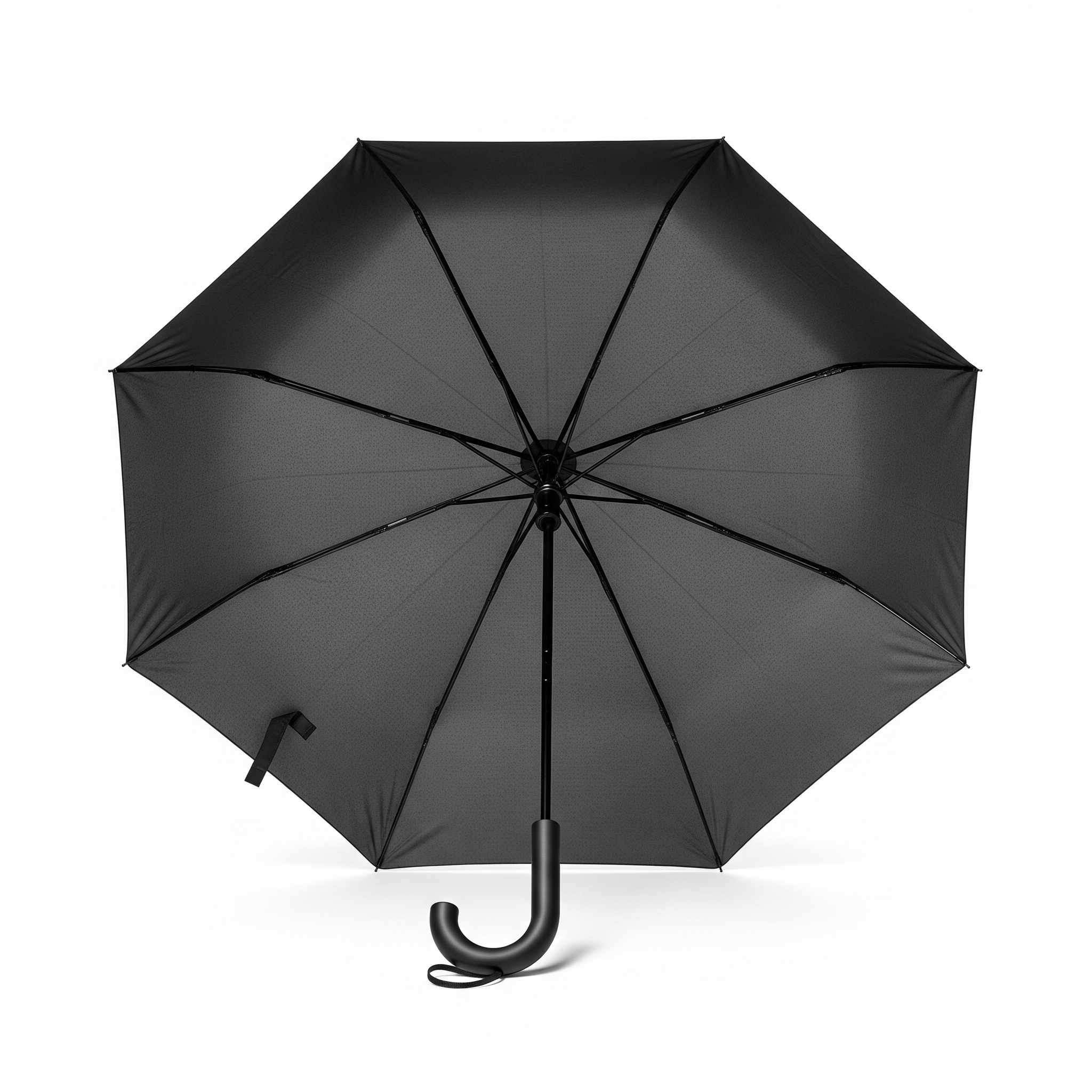
Archival print, museum-grade paper
Buy Poster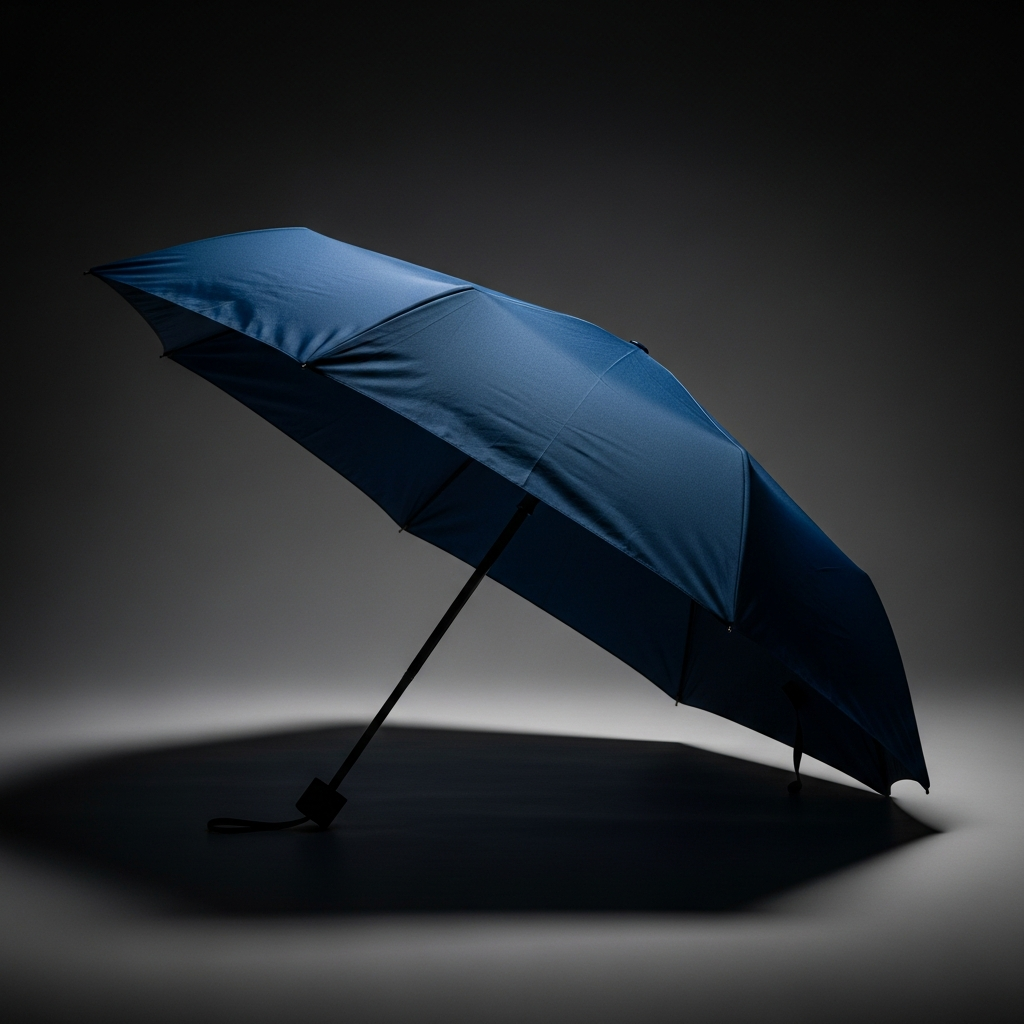
Stoneware mug, dishwasher safe
Buy Mug
Soft cotton tee, unisex sizes
Buy ShirtThe folding umbrella reflects modern lifestyles that prioritize convenience and portability. In Japan, it holds cultural importance as a daily essential, with a strong emphasis on design quality and reliability. In Western markets, folding umbrellas often double as promotional items, symbolizing both practicality and brand identity. Their widespread use underscores their role as a global icon of personal weather protection.
Folding umbrellas employ several mechanism types to open and close their canopies. Manual models require the user to slide the runner up and down by hand. Automatic umbrellas feature a spring-loaded button that opens the canopy instantly with a press, while hybrid variants combine automatic opening with manual closing for added control. The telescoping shaft collapses in sections, allowing the umbrella to fold into a compact form. Ribs and stretchers coordinate to expand and lock the canopy securely when opened.

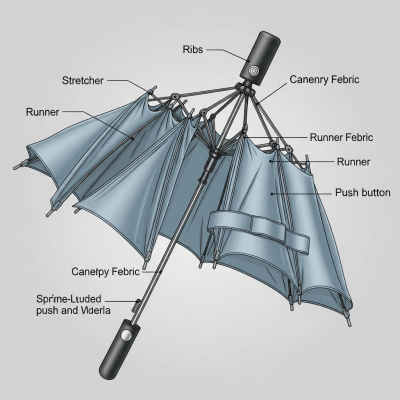
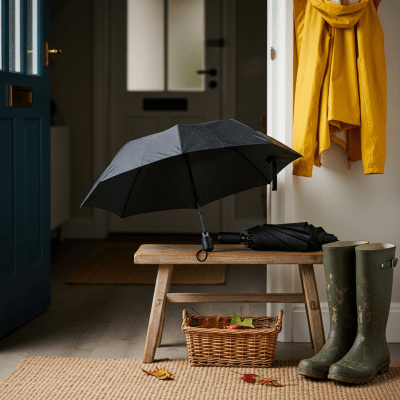

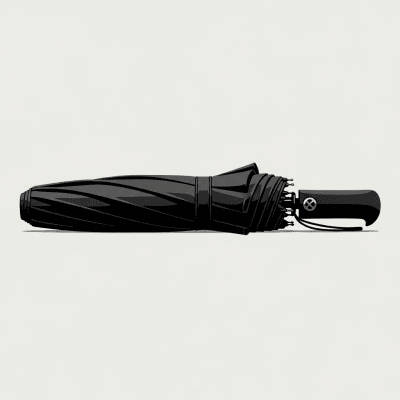
Constructed for durability and portability, folding umbrellas use lightweight yet strong materials. Canopies are typically made from polyester, pongee, or nylon fabrics treated for water repellency and sometimes UV protection. The frame and ribs incorporate steel, fiberglass, or composite materials, balancing flexibility with wind resistance. Shafts are crafted from aluminum, steel, or fiberglass, often telescoping to reduce length when closed. Handles vary from plastic and rubber to wood, designed ergonomically for comfortable grip. Some models feature reinforced tips and windproof double-canopy construction to enhance resilience.
Folding umbrellas come in a variety of styles and regional variants. Common styles include compact travel umbrellas, mini pocket umbrellas, and more robust folding models with windproof features. Regional differences are notable: Japanese folding umbrellas often emphasize refined design and durability, while European models may vary in canopy size and mechanism sophistication. Color and pattern options range widely, from solid colors to decorative prints, catering to fashion as well as function.
To prolong the life of a folding umbrella, it is advisable to dry it fully before folding to prevent mold and fabric damage. Avoid forcing the mechanism if it resists opening or closing, as this can cause frame damage. Regularly check ribs and joints for looseness or corrosion, and clean the canopy gently with mild soap and water. Store the umbrella in a dry place away from direct sunlight to preserve fabric integrity and color.
When selecting a folding umbrella, consider the mechanism type—manual models are simple and reliable, while automatic versions offer quick deployment. Evaluate canopy size to ensure adequate coverage, typically around 100 cm in diameter. Materials matter: fiberglass ribs and UV-protective canopies add durability and sun defense. Handle comfort is important for frequent use, with options in rubber, plastic, or wood. Finally, look for features like windproof construction and reinforced tips for enhanced longevity, especially in windy or harsh weather conditions.