Origin Story

Paper umbrellas originated in China during the Han Dynasty (circa 206 BCE–220 CE), where the archetypal "oiled paper umbrella" was crafted. Over centuries, this design spread across Asia to Japan, Korea, Thailand, and beyond. In Japan, the wagasa emerged during the Edo period (17th–19th centuries), becoming integral to tea ceremonies and traditional theater. These umbrellas reflect a long heritage of artisanal waterproofing and decorative refinement, typically produced by small-scale artisans and regional workshops.

Classification

Belonging to the broader family of handheld umbrellas, the paper umbrella is classified as a full-size, manual mechanism umbrella primarily intended for sun protection and ceremonial use. It stands apart from modern synthetic umbrellas through its natural materials and traditional craftsmanship, fitting within the category of culturally significant, artisanal umbrellas.

Appearance or Form

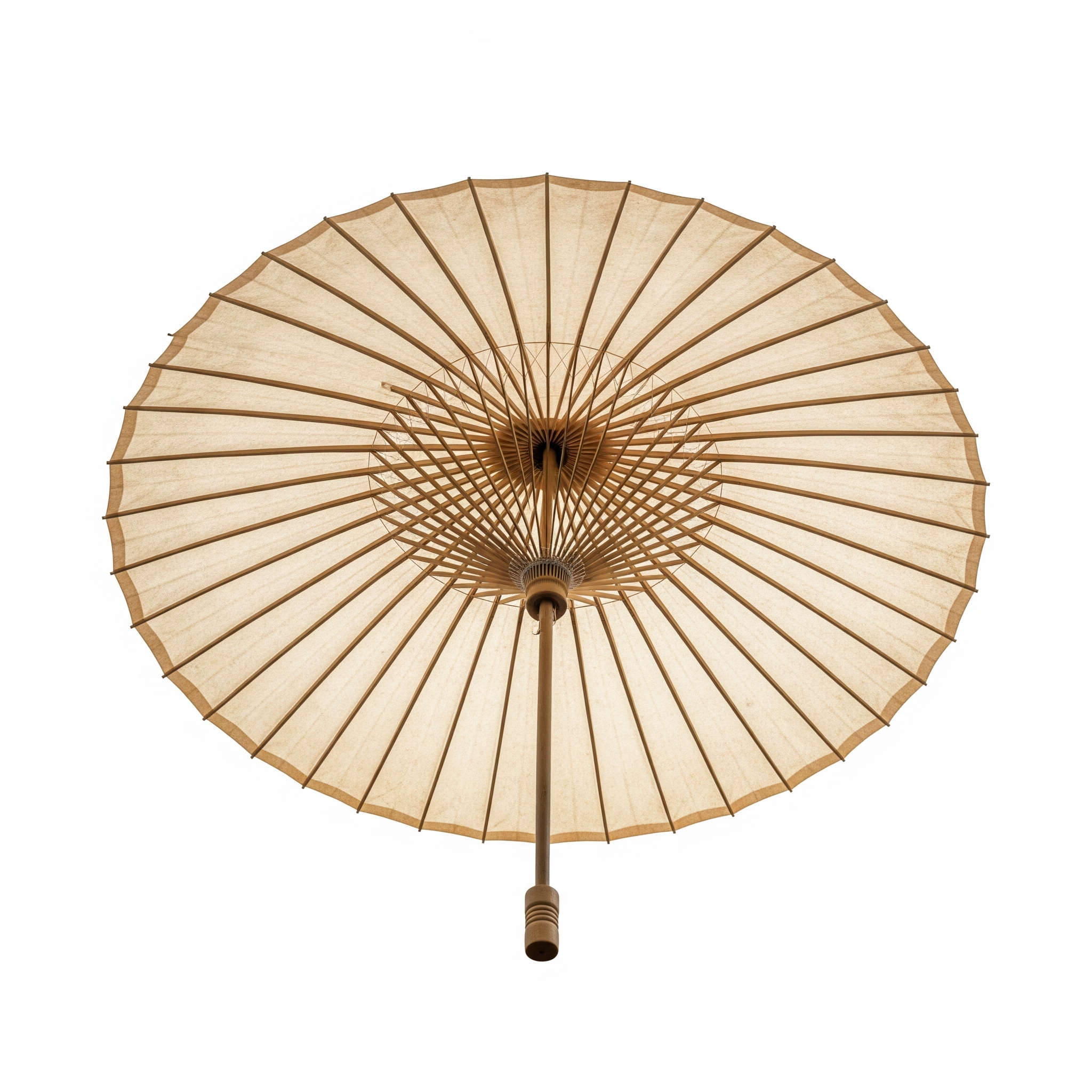
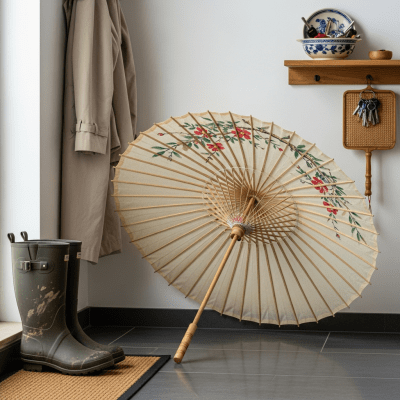
Paper umbrellas are lightweight with a circular canopy typically around 40 centimeters in diameter, though sizes can vary widely. Their canopies are crafted from mulberry or rice paper treated with oils or lacquer to resist water. The frame and ribs are made from split bamboo or wood, supporting a slender bamboo or wooden shaft. Often, these umbrellas feature hand-painted floral, landscape, or calligraphic motifs, and may include decorative tassels or ornate finials, lending them an elegant and delicate aesthetic.

Behavior or Usage

Primarily used for sun protection and ceremonial display, paper umbrellas offer limited rain protection due to their delicate construction and waterproofing methods. They are manually opened and closed by hand, without automatic mechanisms. In daily life and cultural events, they serve as both functional sunshades and symbolic objects, enhancing traditional attire and performances.

Merchandise & Prints

Bring this kind into your world � illustrated posters, mugs, and shirts.

Paper Umbrella Paper Umbrella Poster

Paper Umbrella Poster

Archival print, museum-grade paper

Paper Umbrella Paper Umbrella Mug

Paper Umbrella Mug

Stoneware mug, dishwasher safe

Paper Umbrella Paper Umbrella Shirt

Paper Umbrella Shirt

Soft cotton tee, unisex sizes

Attributes & Insights

Taxon-Specific Insights

🌍Cultural Significance

Paper umbrellas hold deep cultural importance across Asia. In China, they are emblematic in weddings, festivals, and folk performances, symbolizing prosperity and shelter. Japanese wagasa are closely tied to tea ceremonies, kabuki theater, and traditional dress, embodying refinement and artistry. In Thailand and Myanmar, these umbrellas represent local craftsmanship and are popular as cultural souvenirs. Beyond utility, they stand as icons of heritage, artistry, and regional identity.

📌Notable Facts

  • Paper umbrellas date back over two millennia to the Han Dynasty in China.
  • They are made waterproof through traditional oiling or lacquering techniques.
  • Hand-painted motifs often include floral patterns, landscapes, and calligraphy.
  • Japanese wagasa variants are known for intricate ribbing and robustness.
  • Despite their fragility, paper umbrellas provide incidental UV protection.

⚙️Mechanism Details

Paper umbrellas operate with a manual opening and closing mechanism. The user slides a runner along the shaft to extend or collapse the bamboo ribs, which spread the paper canopy open or fold it closed. This simple, hand-powered system relies on the flexibility and lightweight nature of bamboo, without springs or automatic components.

Visual Variations

High quality studio photograph of a Paper Umbrella
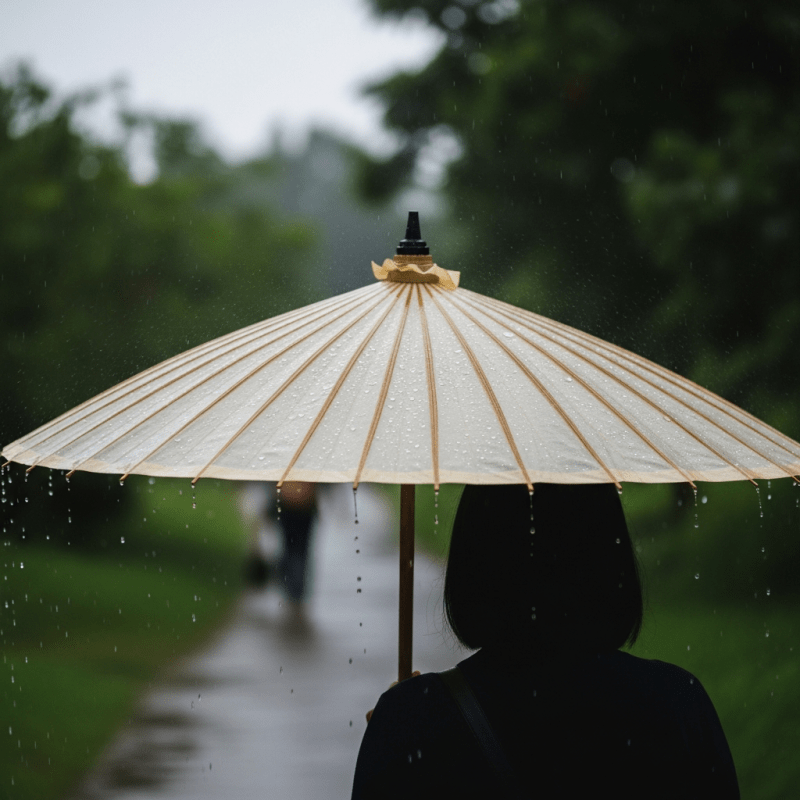
A realistic image of a Paper Umbrella (umbrellas) being used outdoors during a light rain, with droplets visible on the umbrella surface
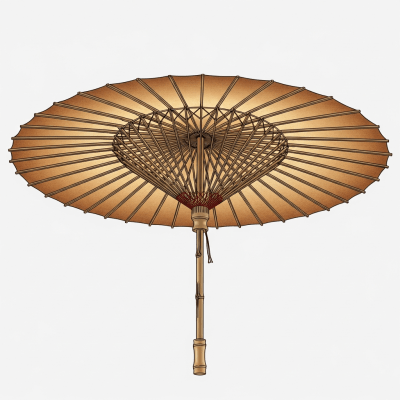
Detailed cross-sectional illustration of a Paper Umbrella, showing the internal structure such as ribs, shaft, and canopy fabric
Image of a Paper Umbrella displayed alongside typical items it is paired with (e
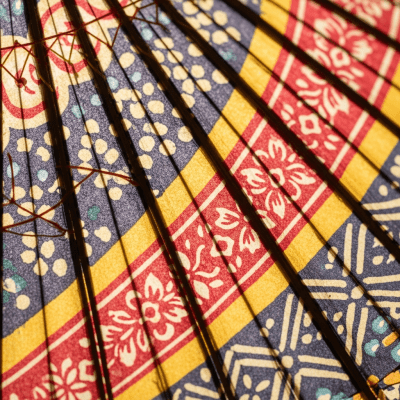
A close-up macro photograph focusing on the texture and pattern of the canopy fabric of a Paper Umbrella (umbrellas)
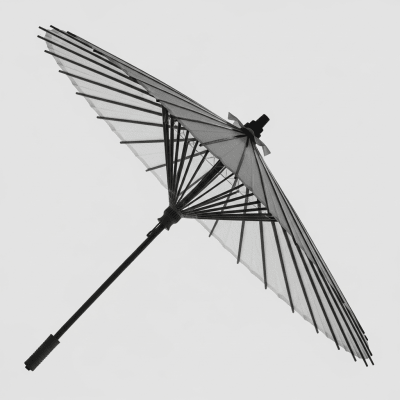
A minimalist side profile silhouette of a closed Paper Umbrella, set against a light grey background

Composition & Context

Taxon-Specific Insights

🧵Materials And Construction

The canopy of a paper umbrella is crafted from natural fibers such as mulberry or rice paper, treated with oils like tung oil or lacquer to enhance water resistance. The frame and ribs are traditionally made from split bamboo or wood, chosen for their lightness and flexibility. The shaft is usually bamboo or wood, sometimes decorated or left natural. This artisanal construction emphasizes craftsmanship, with hand-painted designs adding both beauty and cultural significance.

🎨Styles And Variants

Regional variants of paper umbrellas reflect local aesthetics and uses. Japanese wagasa are noted for their robustness and intricate ribbing, often used in traditional ceremonies and theater. Thai paper umbrellas are vibrant, featuring vivid colors and floral motifs popular among tourists. Chinese oiled paper umbrellas vary by region, with some linked to festivals like the Lantern Festival. Sizes range from full-size functional umbrellas to smaller decorative miniatures.

🧼Care And Maintenance

To preserve a paper umbrella, avoid prolonged exposure to heavy rain or strong winds, as the paper canopy is delicate. Store it in a dry place and allow it to dry fully when wet to prevent mold. Handle the bamboo ribs gently to avoid breakage. Light dusting and careful storage in a protective cover will prolong its life and maintain its decorative artwork.

🛒Buying Guide

When selecting a paper umbrella, consider its intended use—ceremonial, decorative, or light sun protection. Examine the quality of the paper canopy and waterproofing treatment, as well as the sturdiness of the bamboo frame. Hand-painted designs vary widely; choose motifs that resonate personally or culturally. Since these umbrellas are artisanal, expect variations in craftsmanship. For frequent use, seek sturdier wagasa-style umbrellas, while decorative pieces may prioritize aesthetics.

Faq

Q: Are paper umbrellas waterproof?
A: They are treated with oil or lacquer to resist water, but their waterproofing is limited compared to modern umbrellas.

Q: Can paper umbrellas be used in rain?
A: While possible, they are fragile and better suited for sun protection and ceremonial use.

Q: How do paper umbrellas differ from parasols?
A: Paper umbrellas often serve both sun and light rain protection, but parasols typically denote sunshades; the terms sometimes overlap culturally.