Parasol
A parasol is a handheld, portable device designed primarily to shield individuals from sunlight, notable for its lightweight frame and often decorative appearance that distinguishes it from rain umbrellas.
A parasol is a handheld, portable device designed primarily to shield individuals from sunlight, notable for its lightweight frame and often decorative appearance that distinguishes it from rain umbrellas.
The parasol originated in ancient civilizations such as Egypt, China, India, and Greece, dating back to at least the 11th century BCE. Initially symbols of status or royalty, parasols evolved through history, gaining popularity in Europe between the 16th and 18th centuries as fashionable accessories. Today, parasols are produced worldwide, with notable manufacturing centers in China, Japan, and Europe, blending traditional craftsmanship and modern design.
Classified within the umbrella family, parasols belong to the subset designed chiefly for sun protection rather than rain. They are typically manual in mechanism and fall under folding or full-size form factors, distinguished by their emphasis on lightweight construction and aesthetic appeal rather than waterproofing.
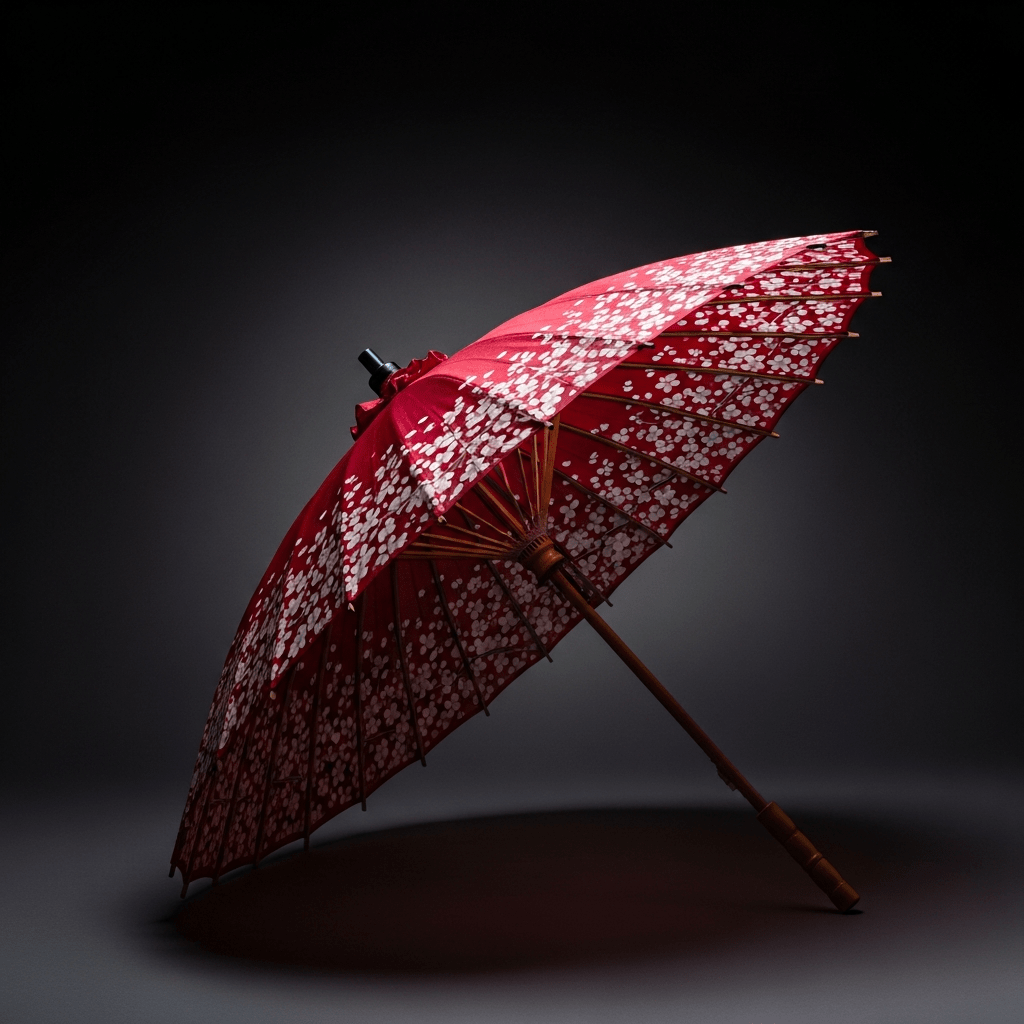
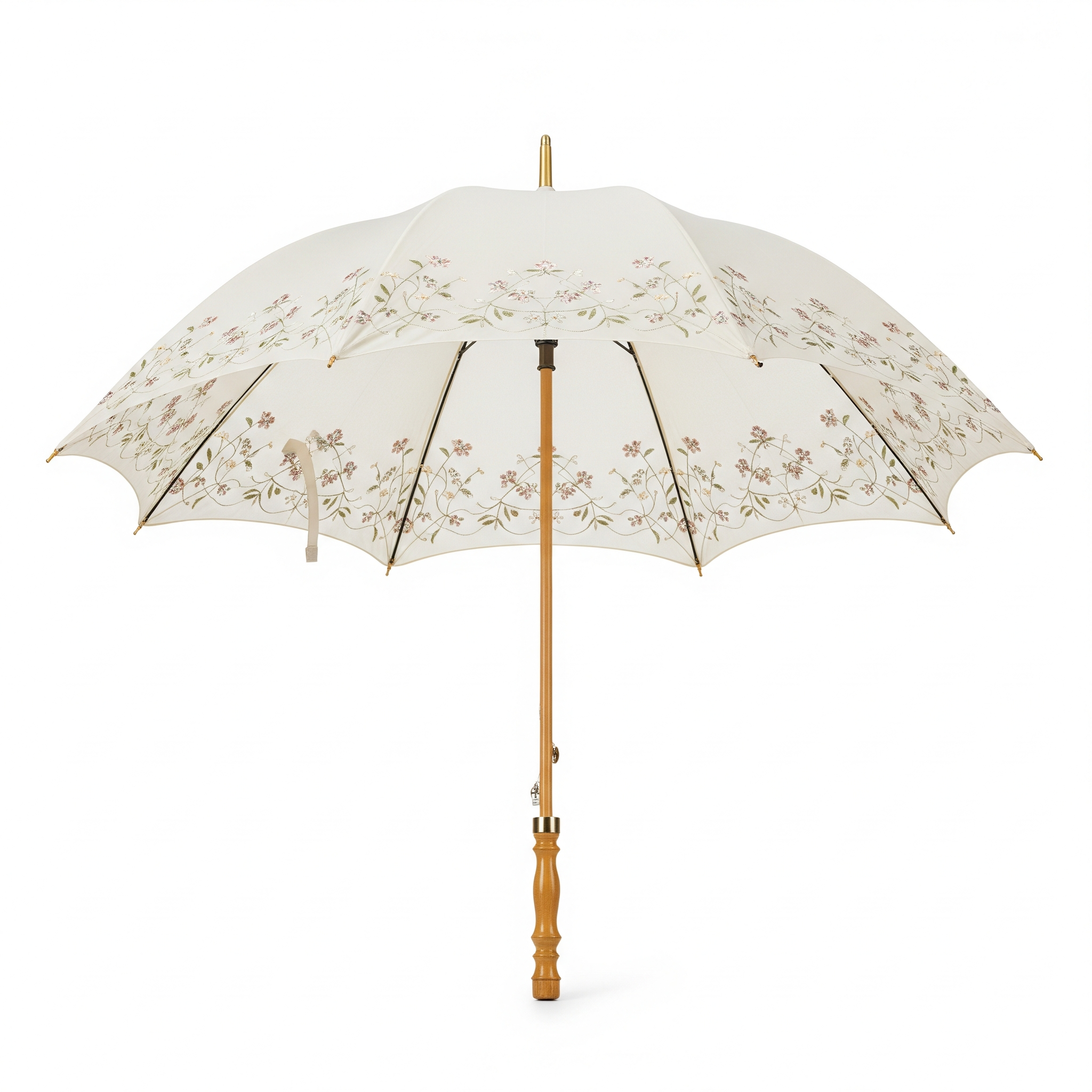
Parasols vary in size from compact minis (20–30 cm diameter) to full-size models (up to 100 cm), featuring shapes such as round, pagoda, or scalloped edges. Their canopies often showcase vibrant colors, intricate patterns, and decorative elements like lace, embroidery, fringe, or painted designs, creating a visually striking and elegant accessory.
Primarily used to protect against sunlight, parasols serve both practical and ornamental roles. They are carried by individuals to provide shade and UV protection, often complementing fashion or ceremonial attire. While some parasols offer limited wind resistance or waterproofing, their main function remains sun shielding rather than rain defense.
Bring this kind into your world illustrated posters, mugs, and shirts.
Archival print, museum-grade paper
Buy Poster
Stoneware mug, dishwasher safe
Buy Mug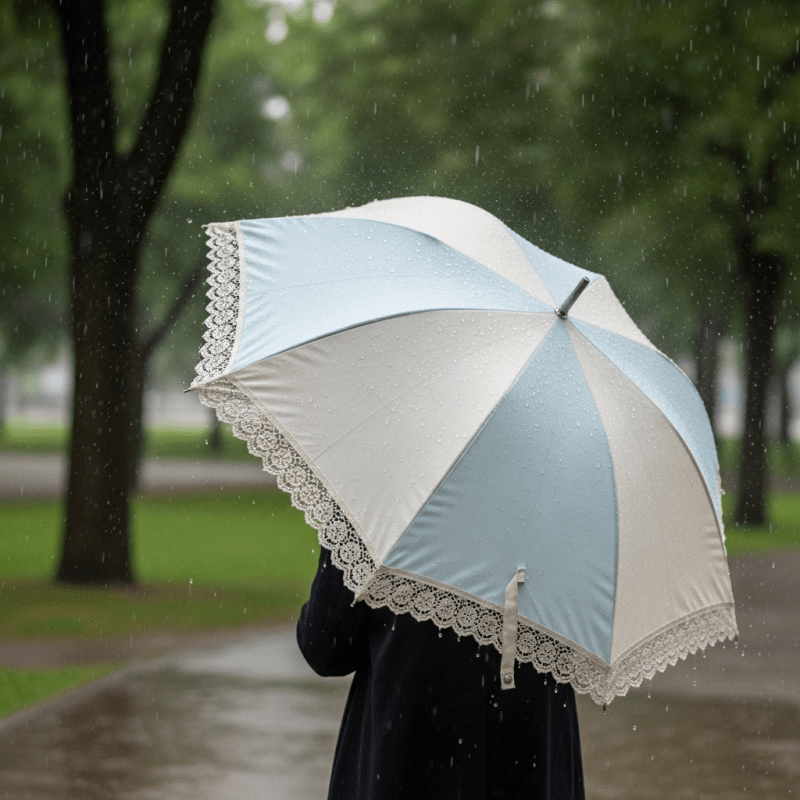
Soft cotton tee, unisex sizes
Buy ShirtParasols hold rich cultural importance across regions: in Japan, the wagasa symbolizes tradition and artistry; in India, the chhatri denotes status and religious significance; and in Europe, parasols historically represented elegance and social standing. They also appear in ceremonies, festivals, and fashion, reflecting their enduring symbolic and aesthetic value.
Parasols typically employ manual opening and closing mechanisms, relying on a sliding runner that expands or collapses the canopy over a lightweight frame. Unlike many rain umbrellas, automatic or hybrid mechanisms are uncommon, preserving the delicate and ornamental nature of parasols. Folding parasols often feature slender shafts and ribs that allow compact storage without compromising their elegant form.
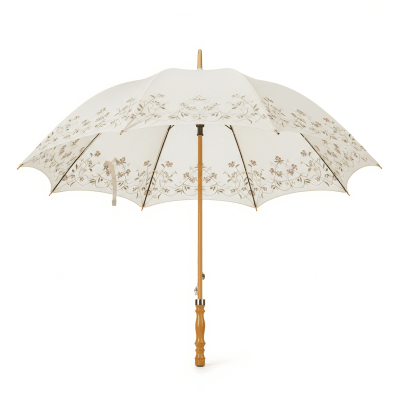
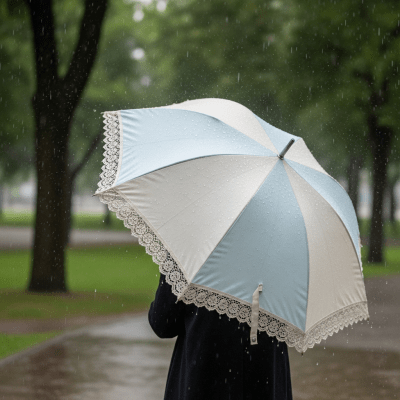
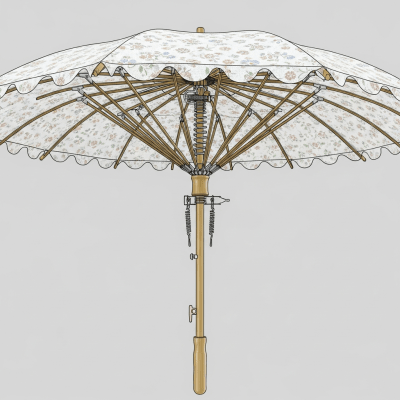
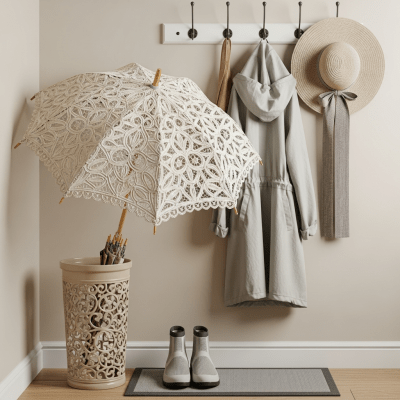
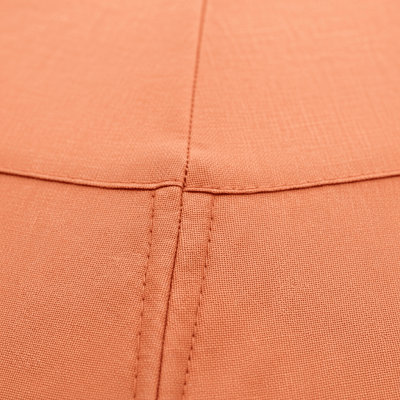

Parasols are constructed from materials chosen for lightness, aesthetics, and sun protection. Canopies are commonly made from cotton, silk, polyester, lace, oil-paper (in traditional Asian variants), or UV-treated synthetic fabrics. Frames and ribs utilize lightweight metals like aluminum and steel, bamboo, wood, or fiberglass. Shafts are crafted from wood, bamboo, aluminum, or plastic, balancing durability with portability. Decorative elements such as embroidery or painted designs often enhance the canopy, while some parasols incorporate UPF-rated fabrics for added sun defense.
Parasols come in diverse styles and regional variants. Traditional Japanese wagasa use oil-paper canopies and bamboo frames, often seen in ceremonial contexts. Chinese oil-paper umbrellas are popular in weddings and festivals. Indian chhatri parasols serve religious and status-symbol roles. European fashion parasols often feature lace, embroidery, and decorative handles, reflecting historical aristocratic tastes. Common form factors include folding, full-size, mini, and ceremonial parasols, each catering to different uses and cultural expressions.
To prolong a parasol's life, store it dry and avoid exposure to excessive moisture, which can damage delicate fabrics like silk or oil-paper. Clean canopies gently with a soft cloth and mild detergent if needed, and avoid harsh chemicals. Regularly check the frame and ribs for damage or looseness, tightening or repairing as necessary. For traditional materials such as bamboo or wood, occasional conditioning helps maintain flexibility and appearance. Folding parasols should be closed carefully to prevent strain on joints and fabric.
When selecting a parasol, consider its primary use—sun protection, fashion, or ceremonial. Look for UPF-rated fabrics if UV defense is important. Choose materials that balance durability and weight, such as silk or polyester canopies with bamboo or aluminum frames. Pay attention to size and form factor for portability and style preferences. Inspect the opening mechanism for smooth operation and sturdiness. For cultural or traditional parasols, verify authenticity and craftsmanship, especially in Asian or ceremonial variants. Finally, consider decorative features and maintenance requirements to ensure the parasol fits your lifestyle and aesthetic.