
Reverse Folding Umbrella
The reverse folding umbrella is a modern umbrella design that folds its canopy inward when closed, trapping moisture inside to minimize water exposure and ease use in tight spaces like cars or buildings.
The reverse folding umbrella is a modern umbrella design that folds its canopy inward when closed, trapping moisture inside to minimize water exposure and ease use in tight spaces like cars or buildings.
The reverse folding umbrella concept emerged in the early 2010s with multiple patents filed across China, the United States, and Japan. While no single inventor claims sole credit, early mass production was driven by Chinese manufacturers. This design evolved from traditional umbrellas by introducing an inverted folding direction and ergonomic handle innovations, quickly gaining traction through global e-commerce platforms.
Belonging to the folding umbrella family, the reverse folding umbrella is classified by its unique inward folding mechanism. It fits within handheld, portable rain protection devices and is typically a manual folding type. Its form factor ranges from compact to full-size folding umbrellas, distinguished primarily by its reversed canopy closure.
Characterized by a double-layer canopy, the reverse folding umbrella often features water-resistant polyester or pongee fabric. It commonly includes a C-shaped ergonomic handle designed for hands-free use. The umbrella’s form varies from compact to full-size folding models, with a sturdy frame made of fiberglass or aluminum alloys and a shaft constructed from steel or aluminum.
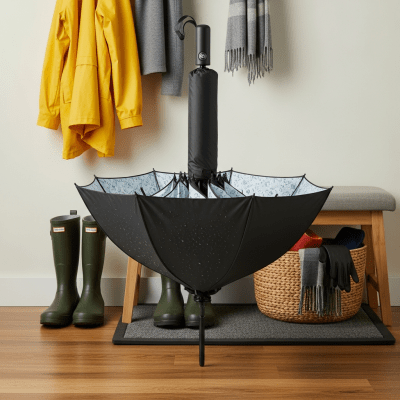
Designed primarily for rain protection, the reverse folding umbrella folds upward, enclosing the wet canopy inside to prevent drips and water mess indoors. This makes it especially convenient for use in confined spaces such as entering vehicles or buildings. Its ergonomic handle and drip-containment design enhance user comfort and practicality in daily urban life.
Bring this kind into your world illustrated posters, mugs, and shirts.

Archival print, museum-grade paper
Buy Poster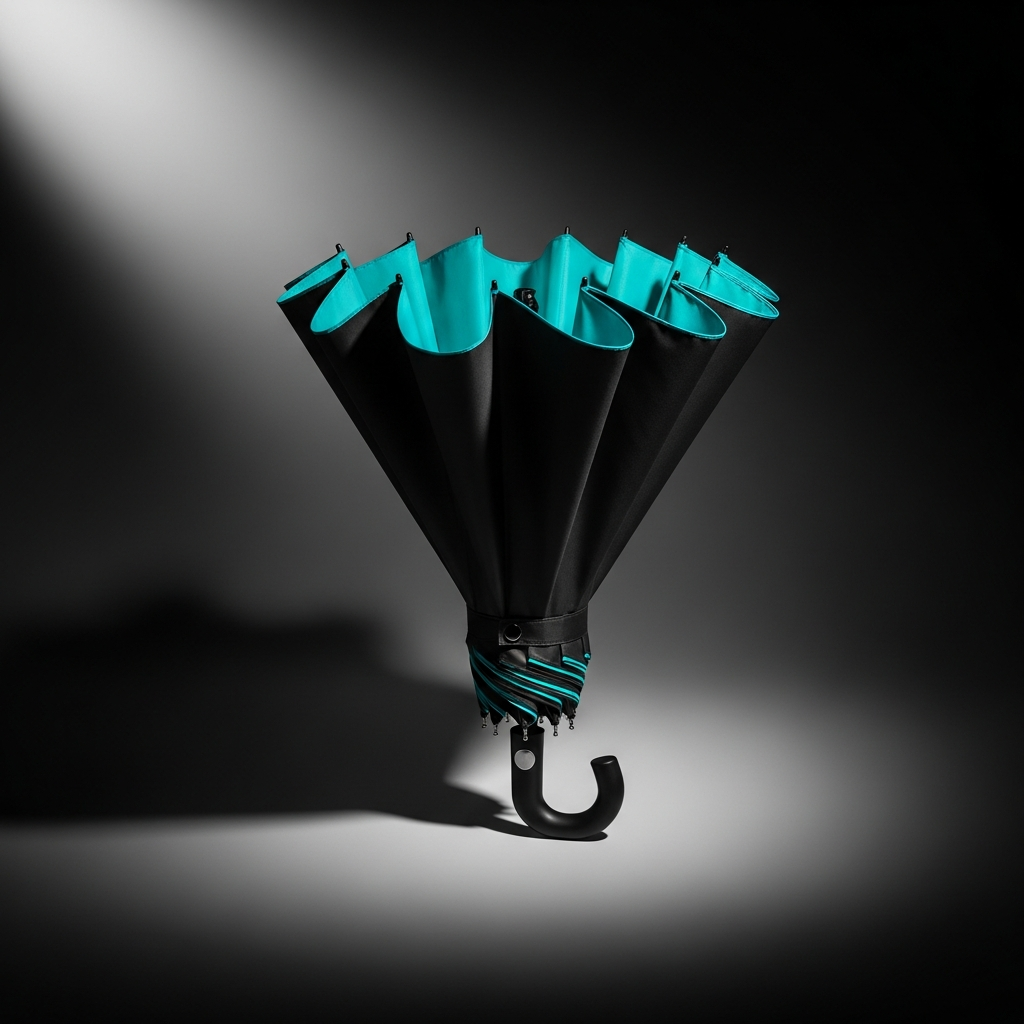
Stoneware mug, dishwasher safe
Buy Mug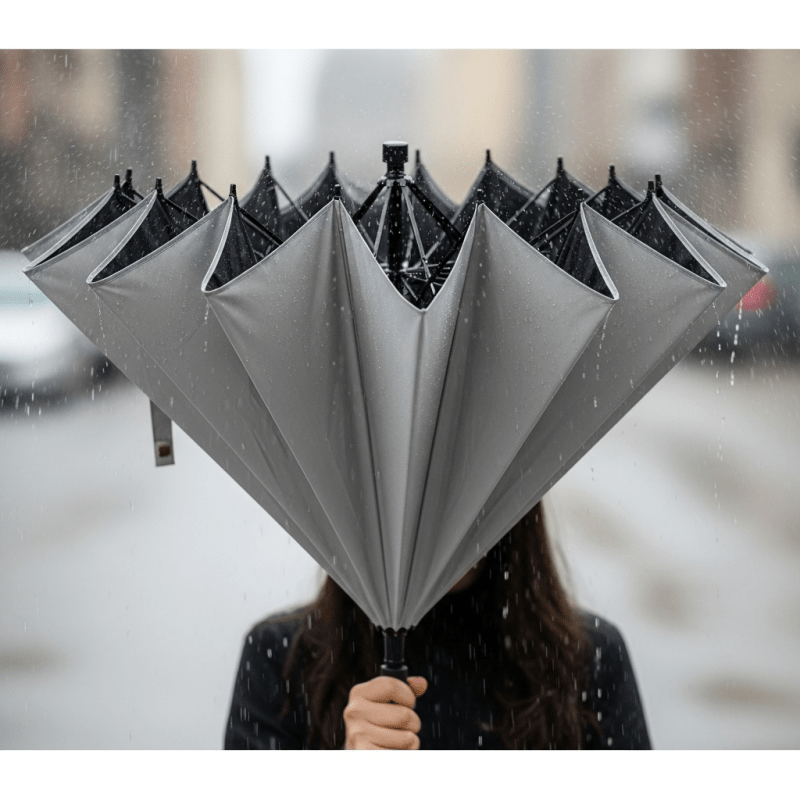
Soft cotton tee, unisex sizes
Buy ShirtThe reverse folding umbrella symbolizes practical innovation in personal rainwear, gaining popularity particularly in East Asian and Western urban markets. While it is not commonly associated with ceremonial or fashion uses, it reflects modern consumer preferences for improved usability and ergonomic design in everyday accessories.
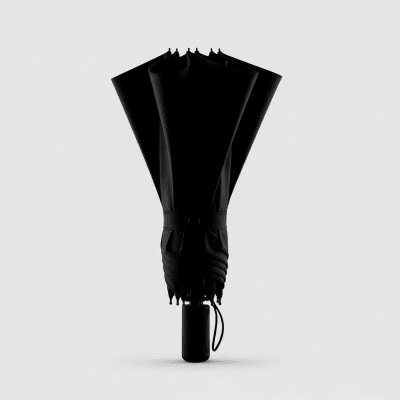
Reverse folding umbrellas employ a manual opening and closing mechanism where the canopy folds upward rather than downward. This inverted folding traps the wet surface inside, preventing water from dripping when closed. The frame typically uses flexible ribs made of fiberglass or aluminum alloys to support this unique motion. Some models incorporate hybrid or automatic systems, but manual operation remains most common.
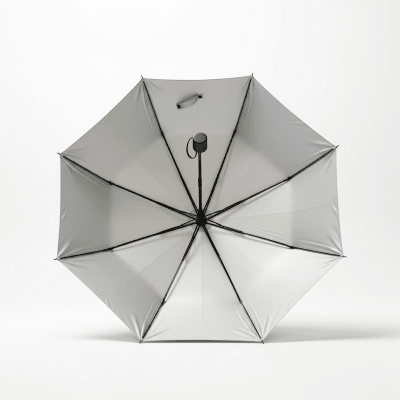
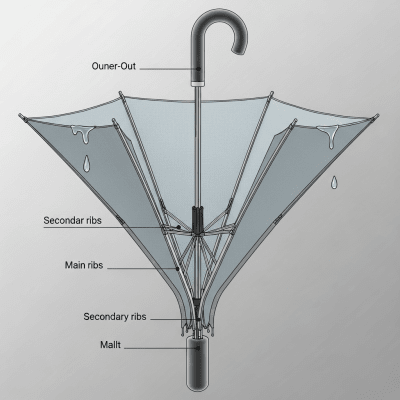
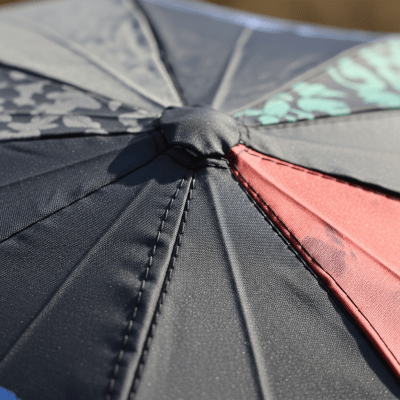
The canopy is usually crafted from durable, water-resistant fabrics such as polyester or pongee, often in a double-layer construction to enhance water containment. The frame and ribs combine fiberglass and aluminum alloys for a balance of strength and flexibility, while the shaft is made from steel or aluminum to provide sturdy support. Handles vary but often include ergonomic C-shaped designs to improve grip and hands-free carrying.
Reverse folding umbrellas come in various folding sizes, from compact to full-size models. Variants include those with C-shaped handles for ergonomic use, as well as standard straight handles. Regional terms include the Chinese "反向伞 (fǎnxiàng sǎn)" and Japanese "逆折り傘 (gyaku-ori kasa)." Some designs emphasize windproofing or UV protection, catering to diverse consumer needs.
To prolong the life of a reverse folding umbrella, it is recommended to fully open it after use to dry the canopy and prevent mold or fabric damage. Avoid forcing the folding mechanism to reduce stress on ribs and joints. Store the umbrella in a dry place and periodically check for loose screws or bent ribs, repairing or replacing parts as needed to maintain smooth operation.
When selecting a reverse folding umbrella, consider the canopy size and folding compactness to suit your portability needs. Look for durable materials like fiberglass ribs and water-resistant canopy fabrics. Ergonomic features such as a C-shaped handle can enhance comfort and hands-free use. Additional benefits like windproof construction and UV protection may add value depending on your environment. Finally, review mechanism type—manual is most common, but automatic options exist for convenience.