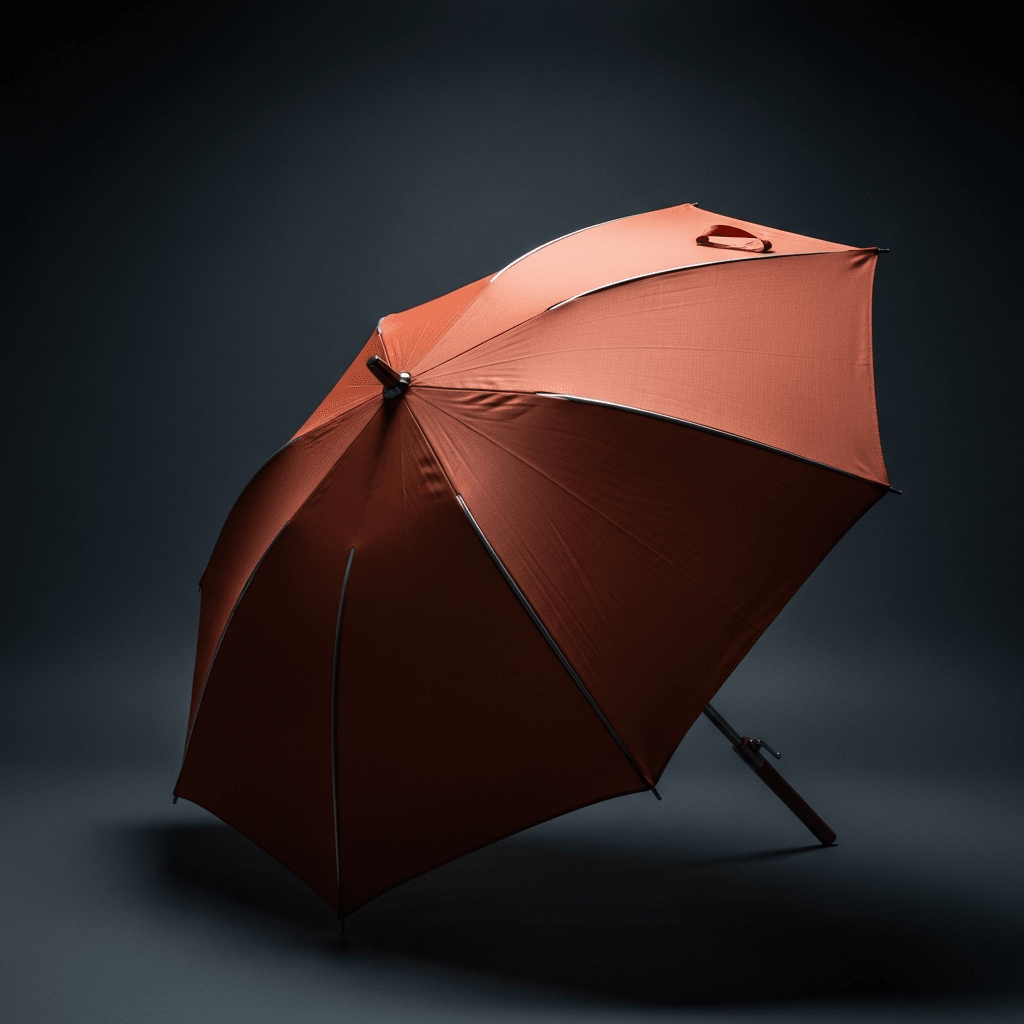
Sun Umbrella
A sun umbrella is a handheld, portable device designed primarily to shield individuals from sunlight and harmful ultraviolet (UV) radiation, emphasizing sun protection over rain defense.
A sun umbrella is a handheld, portable device designed primarily to shield individuals from sunlight and harmful ultraviolet (UV) radiation, emphasizing sun protection over rain defense.
Sun umbrellas trace their origins to ancient civilizations such as Egypt, China, and Greece, where they served both practical and ceremonial purposes. Over centuries, they evolved from traditional sunshades into modern designs featuring UV-resistant fabrics and lightweight frames, with significant advancements emerging in the late 20th and early 21st centuries. Today, major production centers include China and Japan, supported by manufacturers like Fulton and Wpc.
Sun umbrellas belong to the broader family of handheld umbrellas, distinguished by their primary function of sun and UV protection. They are closely related to parasols and differ from rain umbrellas by their specialized canopy materials and lighter construction. Within umbrella taxonomy, sun umbrellas are commonly classified by mechanism type (mostly manual), form factor (folding, full-size, mini), and intended use (sun protection, fashion, ceremonial).
Typically, sun umbrellas feature a circular canopy, occasionally adopting a pagoda shape, with diameters ranging from about 80 cm for mini versions to 120 cm for full-size models. Their color palettes favor light or reflective tones such as white, silver, and pastel shades to maximize sun deflection, while fashion variants often showcase decorative prints. The lightweight frame and shaft materials contribute to an elegant, portable form.
Sun umbrellas function primarily to protect users from direct sunlight and UV exposure, enhancing personal comfort and skin health. They are commonly used outdoors in sunny climates and often serve secondary roles as fashion accessories or ceremonial items. While some models offer limited water repellency, their main utility lies in sun shielding rather than rain protection.
Bring this kind into your world illustrated posters, mugs, and shirts.
Archival print, museum-grade paper
Buy Poster
Stoneware mug, dishwasher safe
Buy Mug
Soft cotton tee, unisex sizes
Buy ShirtSun umbrellas hold deep cultural significance, especially in East Asia where they are intertwined with femininity, social status, and ceremonial traditions—known as higasa in Japan and yangsan in China. In Western history, parasols symbolized refinement and fashion during the 18th and 19th centuries. Today, sun umbrellas continue to embody health-consciousness and personal style across diverse cultures.
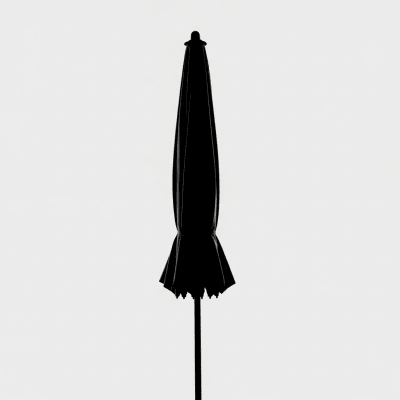
Sun umbrellas predominantly use manual opening and closing mechanisms, where the user slides a runner along the shaft to expand or collapse the canopy. Less commonly, hybrid designs combine a manual shaft with an automatic canopy deployment for convenience. Automatic open or open/close systems are rarer in sun umbrellas compared to rain umbrellas, reflecting their focus on lightweight portability and simplicity.
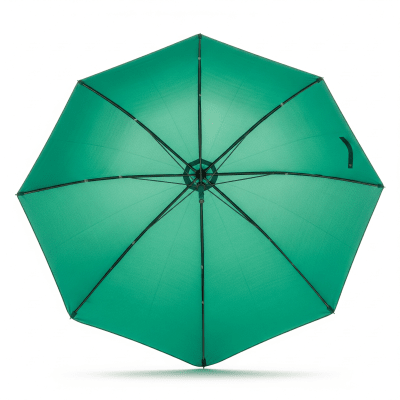

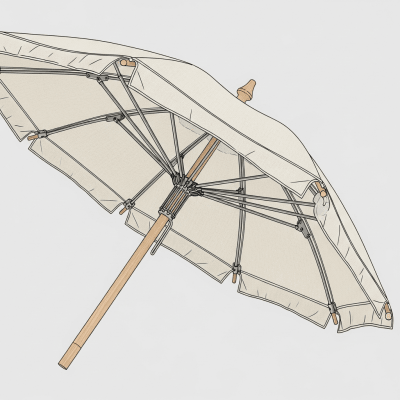
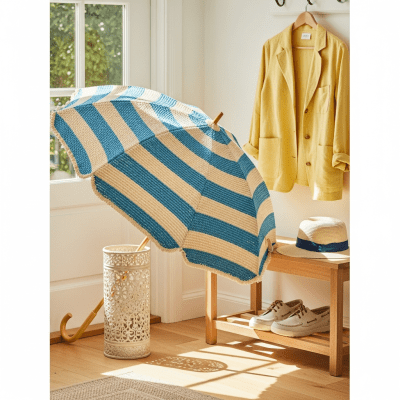
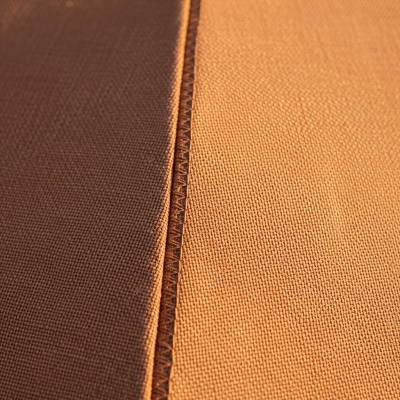
The canopy of a sun umbrella typically employs polyester, nylon, pongee, or specialized UV-blocking fabrics such as titanium- or silver-coated polyester to maximize sun protection. Frames and ribs are crafted from lightweight yet durable materials like aluminum, fiberglass, steel, or composites, balancing strength with portability. Shafts may be made of aluminum, steel, or wood—traditional variants often favor wood for aesthetic appeal. Decorative fashion or ceremonial models may incorporate lace, embroidery, or fringe to enhance visual appeal.
Sun umbrellas come in several styles and regional variants. Common forms include folding models prized for portability, full-size umbrellas offering broader coverage, and mini versions for compact convenience. Regional variants include the Japanese higasa, known for high UPF ratings and compact folding designs; the Chinese yangsan, which ranges from traditional paper canopies to modern synthetics; and the European parasol, often decorative and associated with garden or fashion use. Fashion and ceremonial umbrellas may feature ornate embellishments and unique shapes like pagoda canopies.
To prolong a sun umbrella's life, avoid prolonged exposure to moisture and store it dry to prevent mold or fabric degradation. Clean the canopy gently with mild soap and water, and dry fully before closing. Inspect the frame and ribs regularly for damage, and handle the opening mechanism with care to avoid bending or misalignment. For decorative or delicate models, store in protective covers to preserve embellishments.
When selecting a sun umbrella, consider canopy material and UPF rating to ensure effective UV protection. Choose a size that balances coverage with portability—folding models offer convenience, while full-size umbrellas provide broader shade. Evaluate the frame and shaft materials for durability and weight, favoring aluminum or fiberglass for lightweight strength. Mechanism type matters: manual systems are reliable and simple, whereas hybrid or automatic options offer ease of use. Finally, consider style and cultural significance if the umbrella will serve fashion or ceremonial purposes.