Origin Story

Originating in China during the Han Dynasty (circa 206 BCE–220 CE), the oil-paper umbrella has a rich history documented in ancient texts and artwork. Over centuries, this craft spread to Japan and Southeast Asia, where it evolved through local artistry and waterproofing techniques. Notable production centers include Luzhou in China, Kyoto’s Wagasa workshops in Japan, and artisan communities across Vietnam, reflecting a lineage of refined craftsmanship.

Classification

Classified within the umbrella family as a full-size, manual-opening umbrella, the oil-paper umbrella belongs to the traditional category distinguished by its natural materials and artisanal construction. It fits among umbrellas designed for both rain and sun protection, often serving ceremonial and cultural functions beyond mere weather shielding.

Appearance or Form

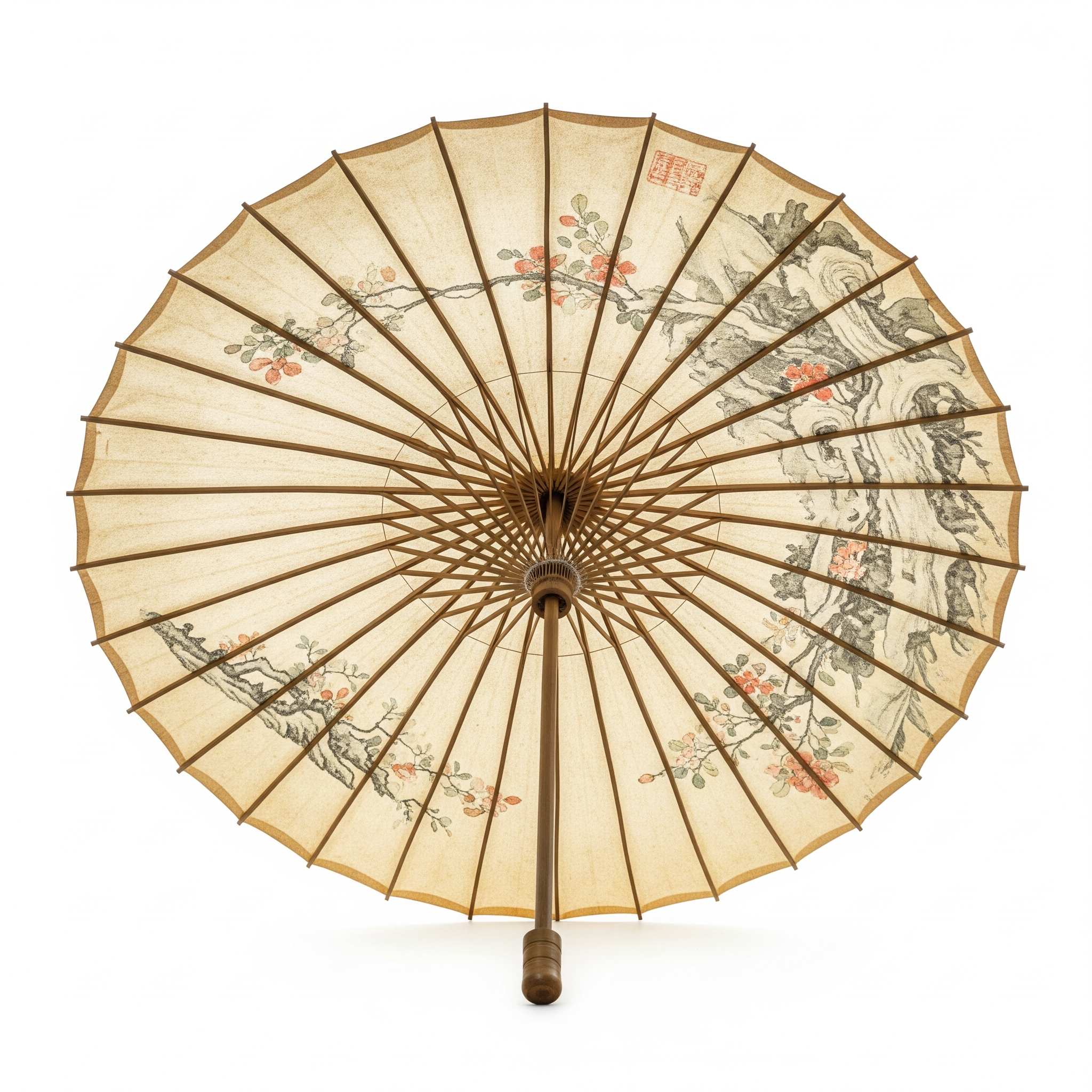
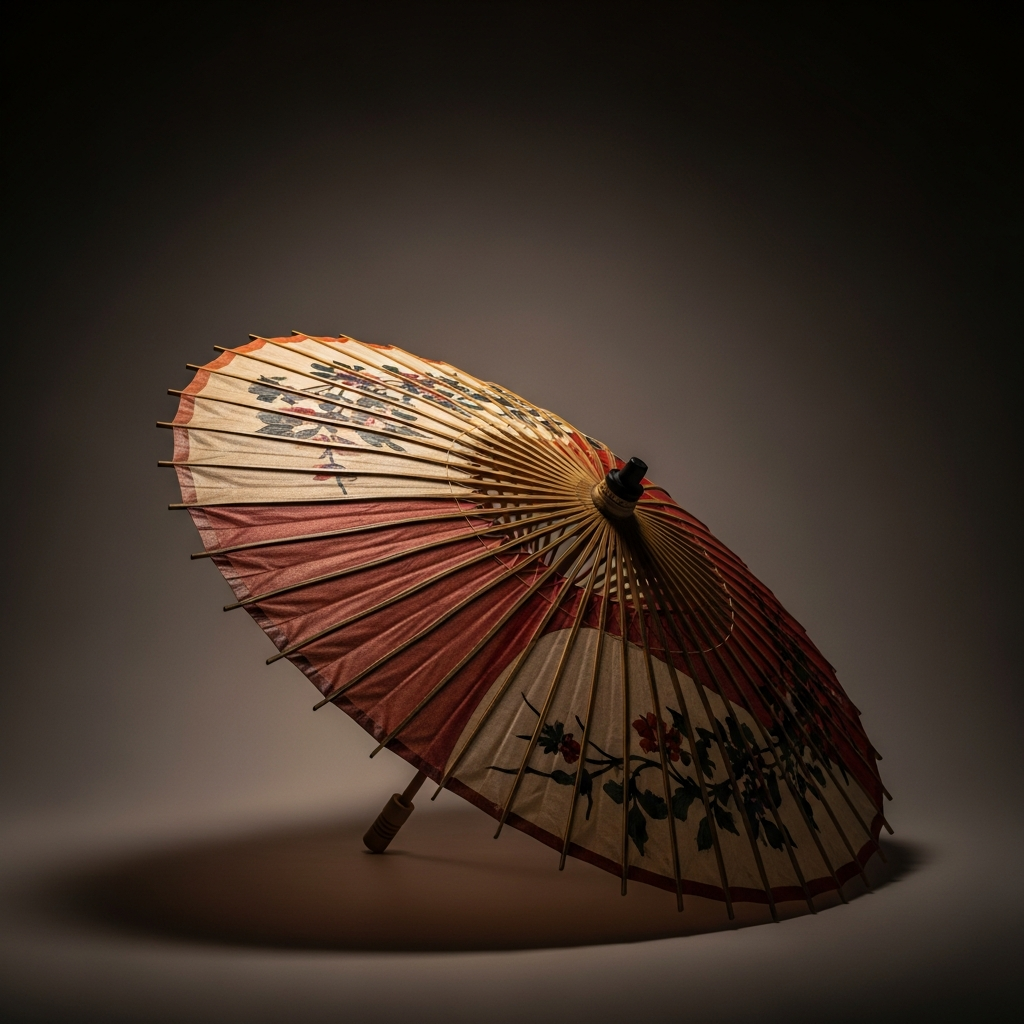
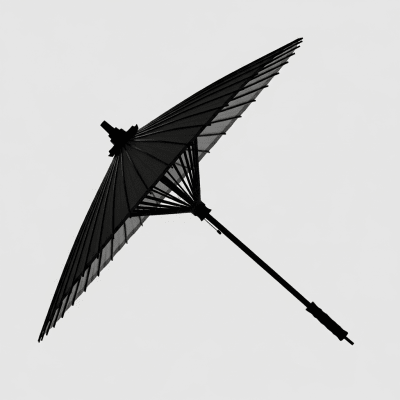
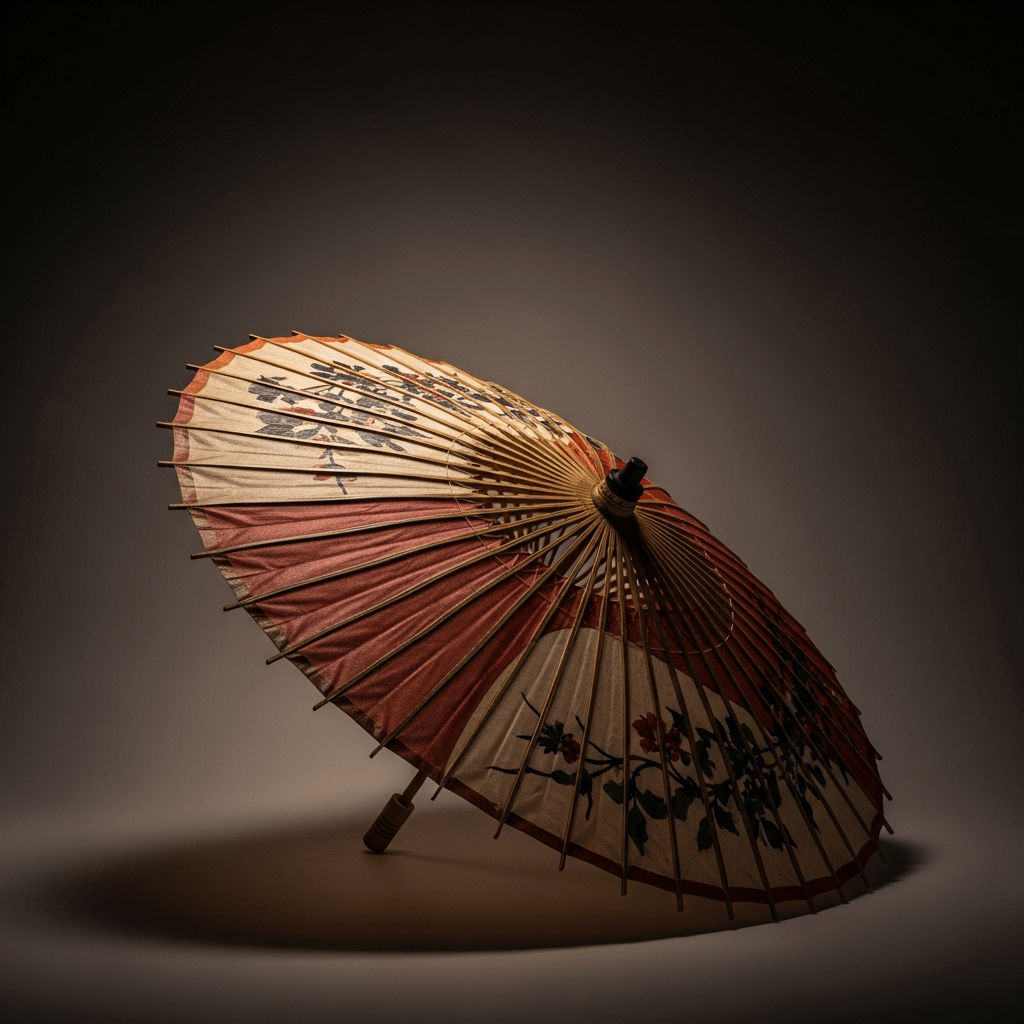
Typically featuring a round canopy measuring between 60 and 120 centimeters in diameter, the oil-paper umbrella is mounted on a slender, straight shaft. Its canopy is crafted from mulberry or rice paper treated with tung or rapeseed oil for waterproofing. Bamboo ribs provide a flexible yet sturdy frame, while the shaft is made of bamboo or wood. The umbrella often displays hand-painted motifs such as flowers, birds, and landscapes, combining utility with artistic elegance.

Behavior or Usage

Primarily used to protect against rain and sunlight, the oil-paper umbrella is also deeply embedded in ceremonial and cultural practices. It opens and closes manually via a sliding collar on its shaft. Beyond everyday use, it serves symbolic roles in weddings, traditional dances, tea ceremonies, and theatrical performances, blending functional protection with cultural expression.

Merchandise & Prints

Bring this kind into your world � illustrated posters, mugs, and shirts.

Oil-paper Umbrella Oil-paper Umbrella Poster

Oil-paper Umbrella Poster

Archival print, museum-grade paper

Oil-paper Umbrella Oil-paper Umbrella Mug

Oil-paper Umbrella Mug

Stoneware mug, dishwasher safe

Oil-paper Umbrella Oil-paper Umbrella Shirt

Oil-paper Umbrella Shirt

Soft cotton tee, unisex sizes

Attributes & Insights

Taxon-Specific Insights

🌍Cultural Significance

The oil-paper umbrella holds profound cultural importance across East and Southeast Asia. In China, it symbolizes good fortune and features prominently in weddings and folk dances. In Japan, the wagasa is essential to tea ceremonies, kabuki theater, and festivals. Southeast Asian communities incorporate these umbrellas into local celebrations. Recognized as intangible cultural heritage in some regions, the umbrella embodies centuries of artistic tradition and social meaning.

📌Notable Facts

  • Waterproofed naturally using tung or rapeseed oil applied to paper.
  • Frames and ribs are traditionally made from flexible bamboo.
  • Decorated with hand-painted motifs reflecting local artistic styles.
  • Exclusively manual mechanism with no automatic opening features.
  • Primarily produced for artisanal, ceremonial, and souvenir markets today.

⚙️Mechanism Details

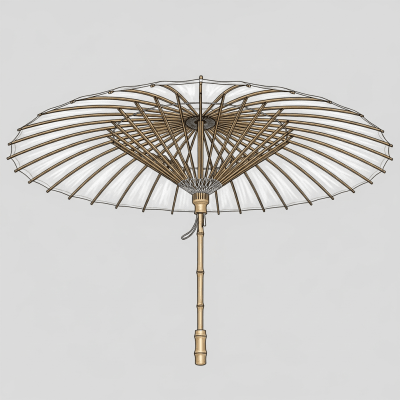
Featuring a traditional manual mechanism, the oil-paper umbrella opens and closes by sliding a collar along the shaft. This collar engages the bamboo ribs, expanding them outward to open the canopy or collapsing them inward to close it. The simplicity of this mechanism ensures durability and ease of repair, aligning with the umbrella’s handcrafted nature.

Visual Variations

High quality studio photograph of a Oil-paper Umbrella
A realistic image of a Oil-paper Umbrella (umbrellas) being used outdoors during a light rain, with droplets visible on the umbrella surface
Detailed cross-sectional illustration of a Oil-paper Umbrella, showing the internal structure such as ribs, shaft, and canopy fabric
Image of a Oil-paper Umbrella displayed alongside typical items it is paired with (e
A close-up macro photograph focusing on the texture and pattern of the canopy fabric of a Oil-paper Umbrella (umbrellas)
A minimalist side profile silhouette of a closed Oil-paper Umbrella, set against a light grey background

Composition & Context

Taxon-Specific Insights

🧵Materials And Construction

The canopy is made from mulberry or rice paper, carefully coated with tung or rapeseed oil to achieve waterproofing and longevity. Bamboo ribs form the flexible framework supporting the canopy, prized for their strength and lightness. The shaft, typically bamboo or wood, provides a slender and sturdy support. The entire construction emphasizes natural, renewable materials and artisanal techniques, allowing for both durability and intricate decoration.

🎨Styles And Variants

Regional variants of the oil-paper umbrella reflect local traditions and aesthetics. In China, the "youzhi san" (油纸伞) often features vivid red or yellow hues and floral patterns. Japan’s "wagasa" (和傘) is renowned for its refined craftsmanship and use in tea ceremonies and kabuki theater, with styles varying by occasion. Vietnam’s "dù giấy dầu" showcases distinct motifs and construction methods unique to local artisan communities. Despite stylistic differences, all variants share the hallmark oil-treated paper canopy and bamboo framework.

🧼Care And Maintenance

To preserve an oil-paper umbrella, it should be kept dry and stored in a well-ventilated area away from direct sunlight when not in use. Avoid prolonged exposure to heavy rain or moisture to prevent weakening of the paper canopy. Gentle cleaning with a soft cloth and occasional reapplication of natural oil coatings can help maintain waterproofing. Repairs to bamboo ribs or paper tears are typically handled by skilled artisans to retain the umbrella’s integrity and beauty.

🛒Buying Guide

When selecting an oil-paper umbrella, consider the authenticity of materials—look for genuine mulberry or rice paper and natural oil treatments. Examine the craftsmanship of bamboo ribs and shaft for sturdiness and smooth operation of the manual mechanism. Choose designs and motifs that resonate with your cultural appreciation or intended use, whether for ceremonial purposes or decorative display. Due to their artisanal nature, these umbrellas are best purchased from reputable artisans or specialty shops to ensure quality and heritage preservation.

Faq

Q: What materials make the oil-paper umbrella waterproof?
A: The canopy paper is treated with natural oils like tung or rapeseed oil to repel water.

Q: Is the oil-paper umbrella suitable for heavy rain?
A: While water-resistant, it is best suited for light rain and ceremonial use rather than heavy downpours.

Q: How is the oil-paper umbrella opened and closed?
A: It operates manually using a sliding collar that expands or collapses the bamboo ribs.