Artisan Umbrella
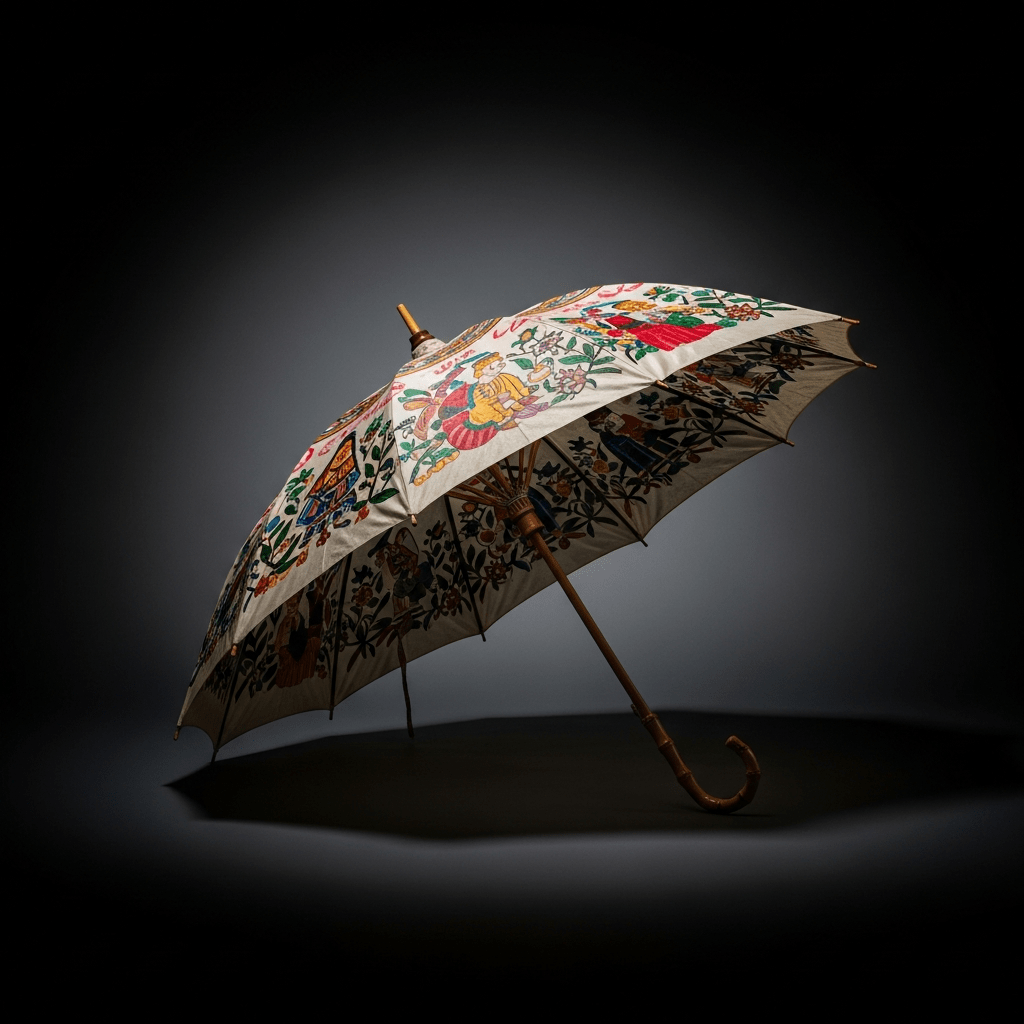
The artisan umbrella is a handcrafted, often bespoke umbrella distinguished by traditional techniques, premium materials, and regional or cultural motifs, valued both as a functional weather shield and an object of art.
The artisan umbrella is a handcrafted, often bespoke umbrella distinguished by traditional techniques, premium materials, and regional or cultural motifs, valued both as a functional weather shield and an object of art.
Artisan umbrellas trace their origins to skilled craftspeople and small workshops in regions such as Japan, Italy, France, and China. Their history spans centuries, with notable examples dating back to the 18th century Edo period in Japan and the 19th century in Europe. Today, these umbrellas often reflect local heritage and family workshop lineages, with renowned makers like Fox Umbrellas in the UK, Pasotti in Italy, and Tsujikura in Japan continuing the tradition.
Within the broader umbrella family, artisan umbrellas belong to the category of handcrafted, bespoke devices primarily designed for personal protection against rain or sun. They typically feature manual opening mechanisms and vary in form from full-size walking umbrellas to compact folding models, emphasizing craftsmanship over mass production.
Artisan umbrellas exhibit a range of forms, from elegant full-size walking styles to refined compact folding variants. Their canopies often showcase luxurious fabrics such as silk, cotton, linen, or high-grade polyester, sometimes hand-painted or embroidered with intricate regional motifs. The shafts are crafted from fine woods like maple, bamboo, or chestnut, complemented by custom handles made of horn, wood, or resin. Frames and ribs may incorporate wood, steel, or brass, contributing to both durability and aesthetic appeal.
Primarily, artisan umbrellas serve to protect users from rain and sun, combining practical function with artistic expression. Beyond everyday use, they play significant roles in ceremonial contexts and fashion, often chosen for their unique craftsmanship and cultural resonance. Users may carry them as luxury accessories or heirlooms, appreciating both their utility and symbolic value.
Bring this kind into your world illustrated posters, mugs, and shirts.
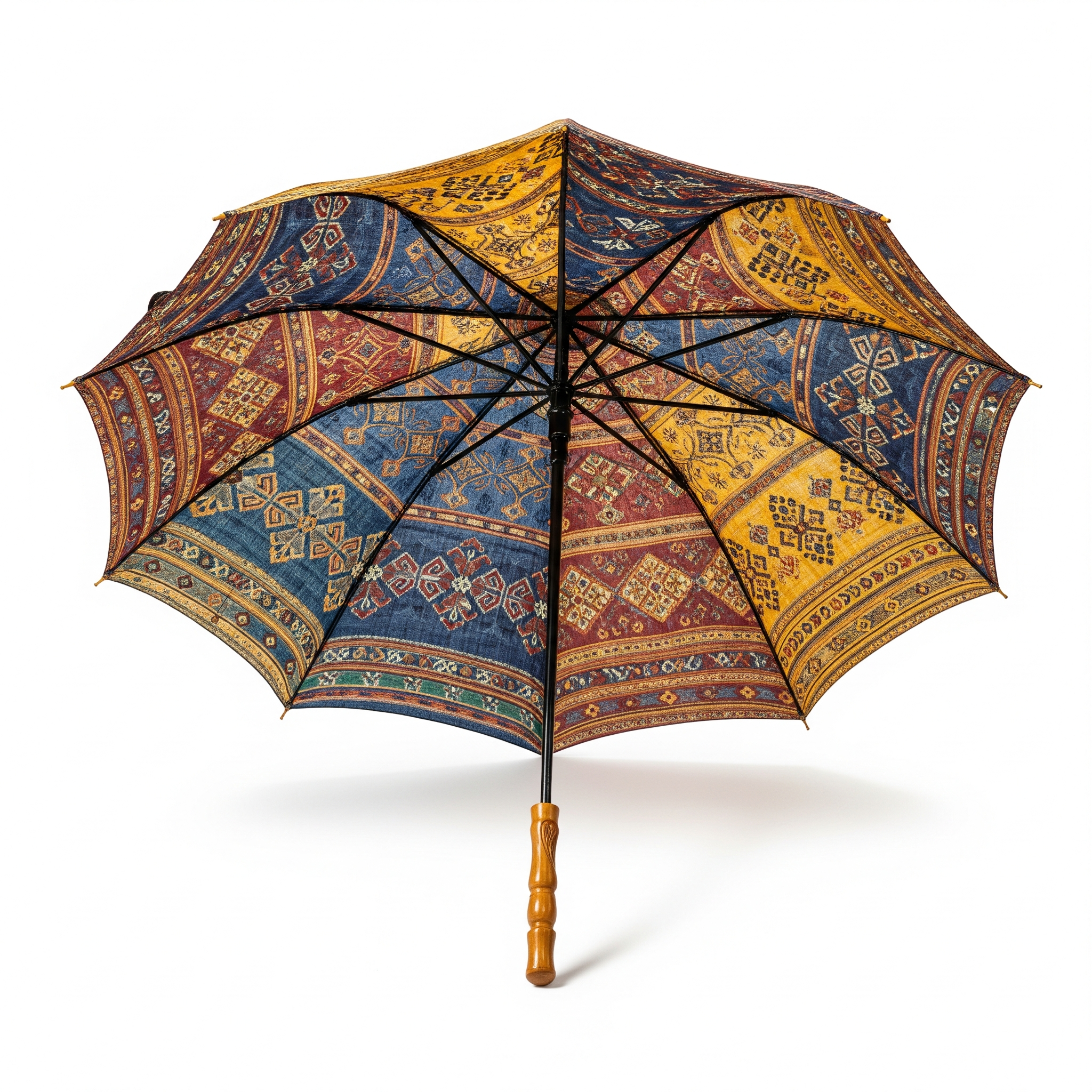
Archival print, museum-grade paper
Buy Poster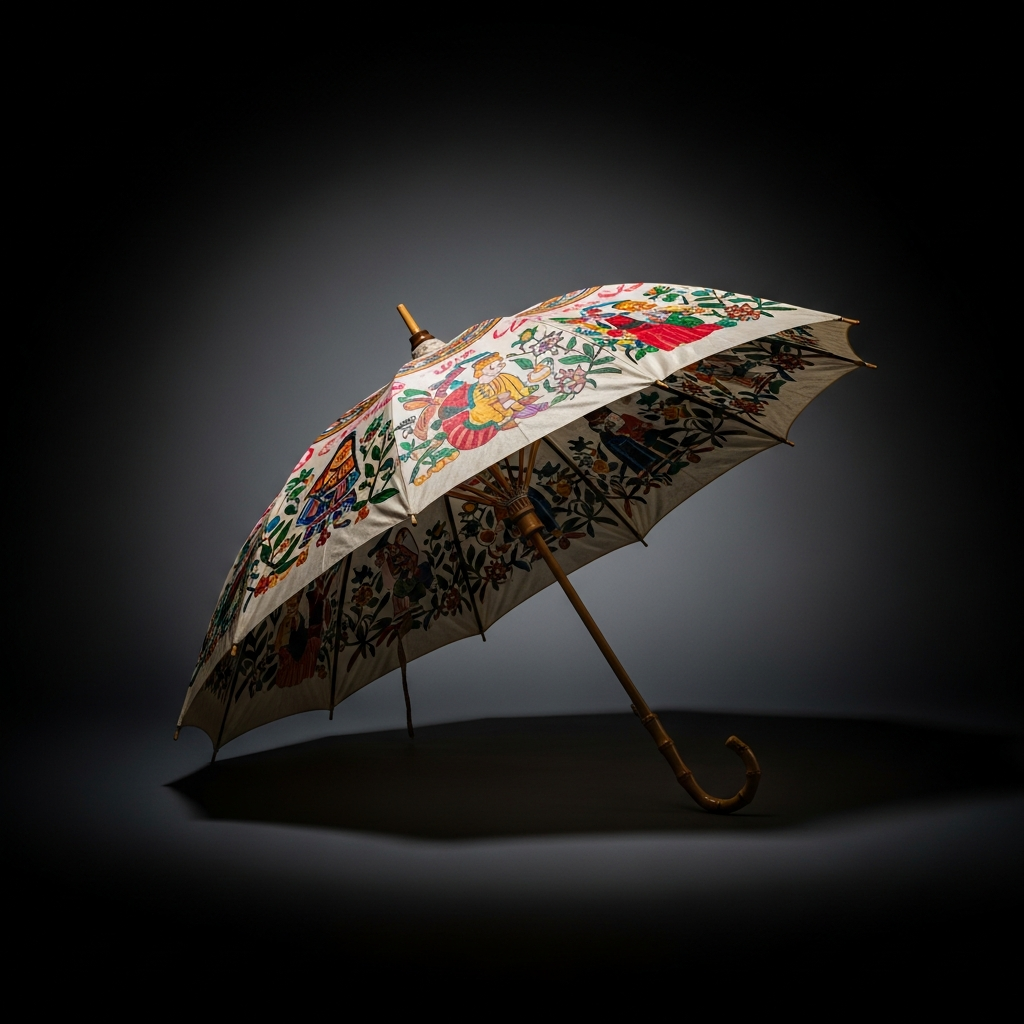
Stoneware mug, dishwasher safe
Buy Mug
Soft cotton tee, unisex sizes
Buy ShirtArtisan umbrellas hold deep cultural importance across various societies. In Japan, the wagasa is integral to traditional tea ceremonies and kabuki theater, symbolizing elegance and heritage. European artisan umbrellas are associated with luxury fashion and social status, often collected as art pieces. These umbrellas embody regional identity and craftsmanship, frequently displayed in museums and exhibitions, underscoring their enduring cultural and historical significance.
⚙️ Artisan umbrellas predominantly use manual opening and closing mechanisms, emphasizing reliability and traditional craftsmanship. The user slides a runner along the shaft to extend or retract the ribs supporting the canopy. While most are manual, some modern artisan umbrellas may feature hybrid or automatic systems, blending heritage with convenience. The mechanisms are carefully integrated to maintain the umbrella's aesthetic and structural integrity without compromising elegance.

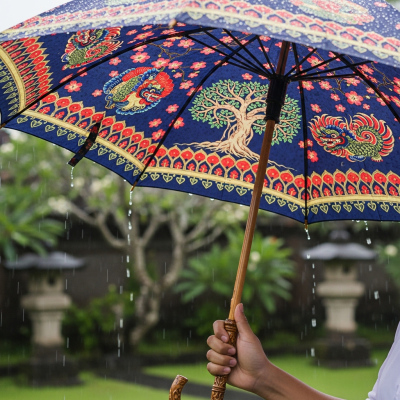
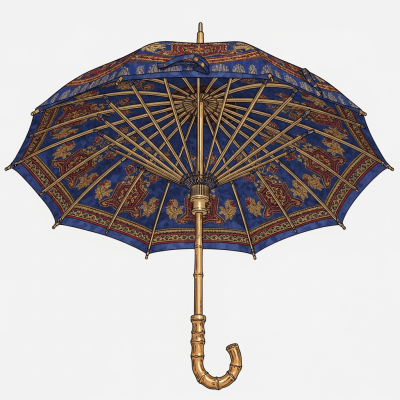
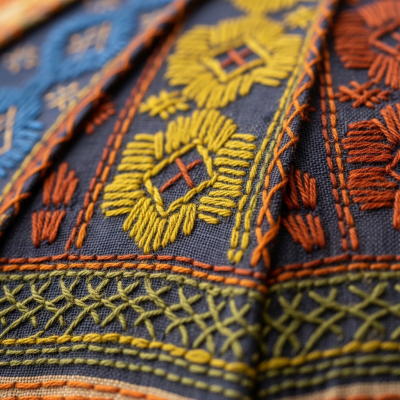

🥽 The construction of artisan umbrellas involves meticulous hand assembly using premium materials. Canopies are crafted from fine fabrics such as silk, cotton, linen, or high-grade polyester, often hand-stitched or decorated. Frames and ribs are made from wood, steel, or brass, chosen for strength and visual appeal. Shafts typically use hardwoods like maple, bamboo, or chestnut, sometimes hand-carved for unique handles made of horn, wood, or resin. These materials combine to create durable, elegant umbrellas that balance functionality with artistry.
🎸 Artisan umbrellas encompass a variety of styles and regional variants. Japanese wagasa umbrellas feature lacquered bamboo frames and often use oiled paper canopies with indigo dyes. European artisan umbrellas, such as those by Pasotti, are known for elaborate floral embroidery and custom handles. Variants range from full-size walking umbrellas designed for formal occasions to compact folding models for everyday elegance. Each style reflects local materials, cultural motifs, and traditional craftsmanship techniques.
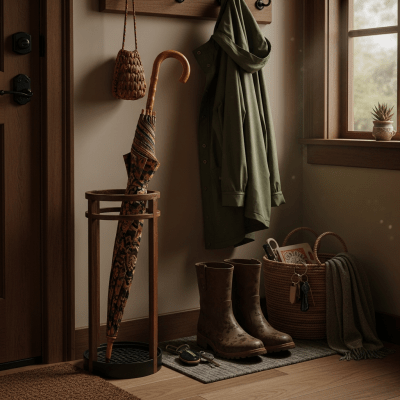
🛴 To preserve an artisan umbrella’s beauty and function, handle it gently and avoid forcing the opening mechanism. After use, dry the canopy thoroughly before storage to prevent fabric damage and mold. Clean delicate fabrics with mild soap and water, avoiding harsh chemicals. Periodically inspect wooden shafts and handles for cracks or wear, treating them with appropriate oils or waxes. Proper storage in a cool, dry place away from direct sunlight helps maintain colors and materials over time.
🛒 When selecting an artisan umbrella, consider craftsmanship quality, materials, and intended use. Look for hand-stitched canopies, durable frame materials, and comfortable, well-crafted handles. Choose a style that reflects your aesthetic preferences and cultural appreciation. Verify the reputation of manufacturers or workshops, such as Fox Umbrellas, Pasotti, or Tsujikura, to ensure authenticity. Keep in mind that artisan umbrellas often come at a premium price due to their bespoke nature and may require special care.