Crisphead Lettuce
Crisphead lettuce is a group of head-forming lettuces known for their tightly packed, crisp leaves and mild flavor, including popular varieties like Iceberg and Batavia.
Crisphead lettuce is a group of head-forming lettuces known for their tightly packed, crisp leaves and mild flavor, including popular varieties like Iceberg and Batavia.
Originating from selections and breeding efforts in Europe and North America during the late 19th and early 20th centuries, crisphead lettuce varieties such as Iceberg were developed by California breeders, while Batavia types trace their lineage to France and Spain. These lettuces evolved from crosses among head-forming landraces of Lactuca sativa.
Crisphead lettuce belongs to the species Lactuca sativa var. capitata within the daisy family (Asteraceae). It is classified horticulturally as the Crisphead group, distinguished by its dense, head-forming growth habit among other lettuce types like Butterhead and Romaine.
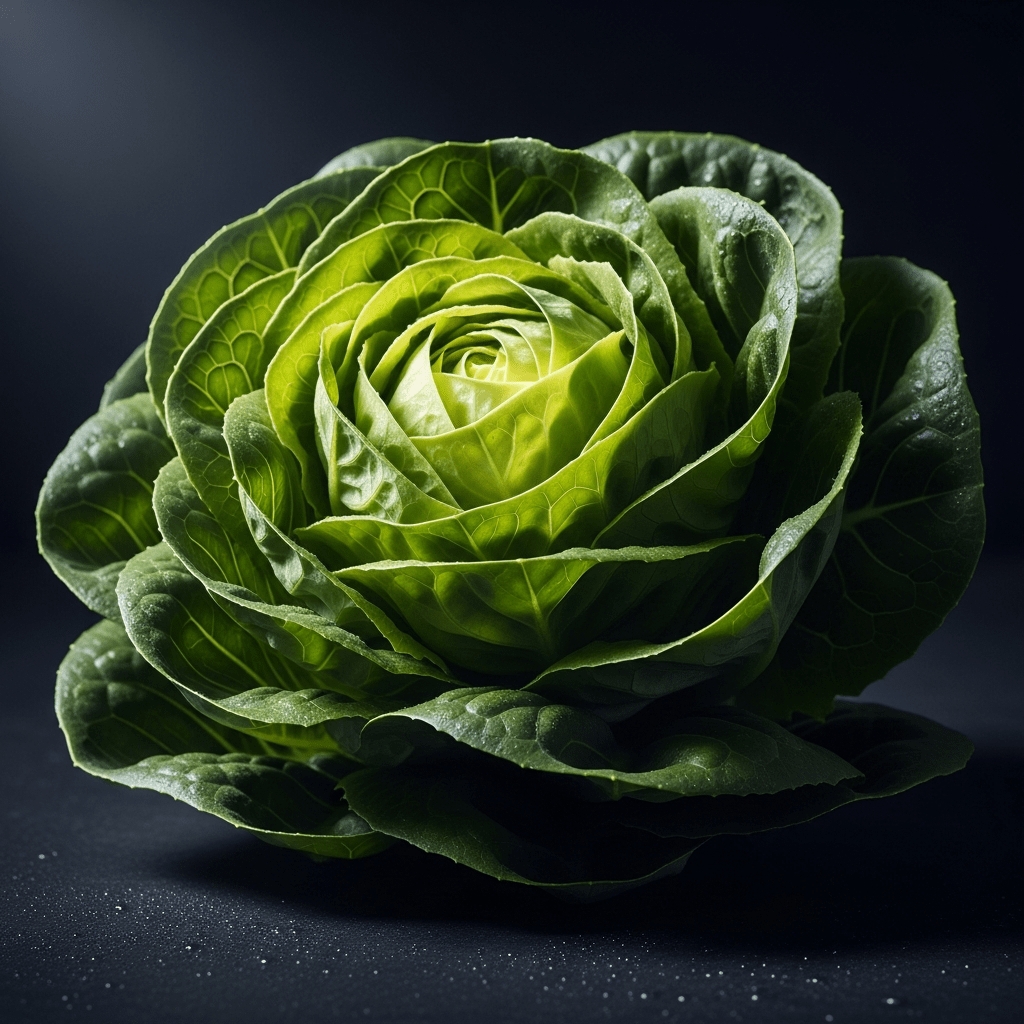
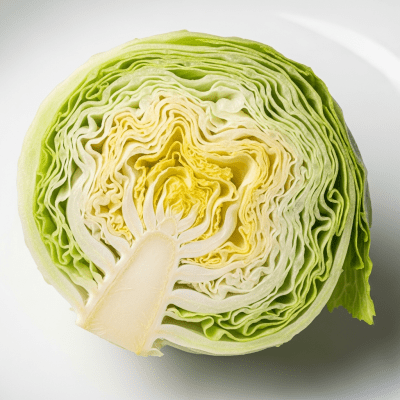
This lettuce forms dense, round to slightly flattened heads typically about 20 cm in diameter. Its leaves are crisp and brittle, overlapping tightly with a pale green color that fades to white near the core, creating a firm and crunchy texture prized in fresh consumption.
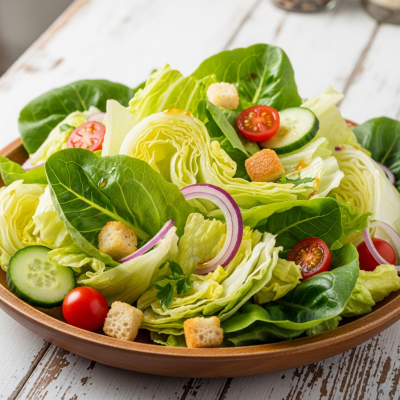
Crisphead lettuce thrives in cool growing conditions, optimally between 15 and 18°C, but is sensitive to heat which can cause bolting. It is widely cultivated for its high yield and excellent storage life, making it a staple in fresh salads, sandwiches, garnishes, and pre-cut salad mixes across North America, Europe, and Asia.
Bring this kind into your world illustrated posters, mugs, and shirts.
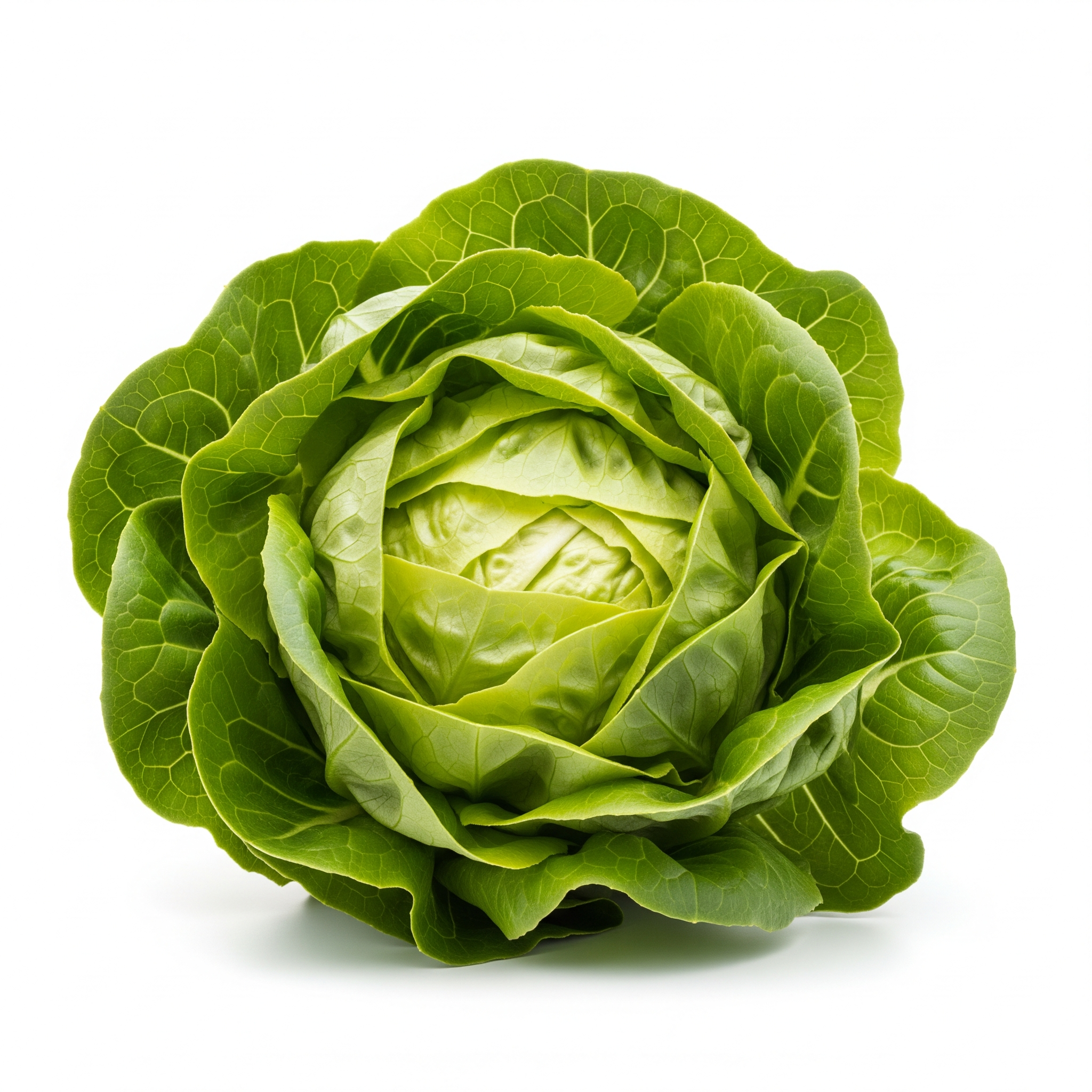
Archival print, museum-grade paper
Buy Poster
Stoneware mug, dishwasher safe
Buy Mug
Soft cotton tee, unisex sizes
Buy ShirtAs a dominant lettuce type in North American and European markets, crisphead lettuce—especially the Iceberg variety—has become emblematic of fresh, convenient salad greens in modern cuisine. Its crunchy texture and mild flavor have influenced culinary preferences and foodservice standards worldwide.
The crisphead group primarily includes Iceberg lettuce, known for its very tight, spherical heads and pale leaves, and Batavia lettuce, which has slightly looser heads and a more pronounced flavor. These varieties differ in head density, leaf texture, and regional popularity.
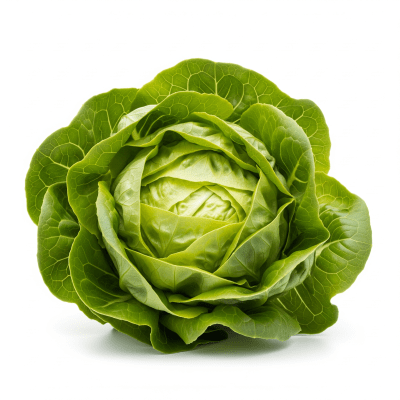
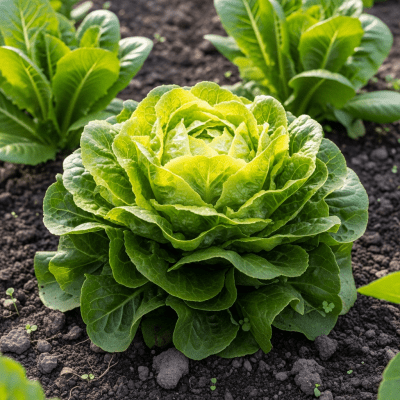

To successfully grow crisphead lettuce, maintain cool temperatures between 15 and 18°C and avoid heat stress to prevent bolting. Ensure consistent moisture and fertile soil to support dense head formation. Monitor for common diseases like tipburn and downy mildew, and harvest heads when firm and fully formed for best quality.
Crisphead lettuce is low in calories and provides hydration with its high water content. It offers modest amounts of vitamins A and K, along with dietary fiber, making it a healthy addition to salads and sandwiches that supports overall nutrition.
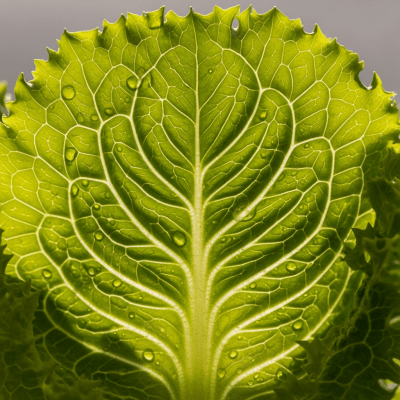
Crisphead lettuce is susceptible to tipburn, a physiological disorder caused by calcium deficiency, and downy mildew, a fungal disease that affects leaves. Moderate resistance exists against some fungal pathogens, but growers should implement good air circulation, proper watering, and disease monitoring to manage these threats.