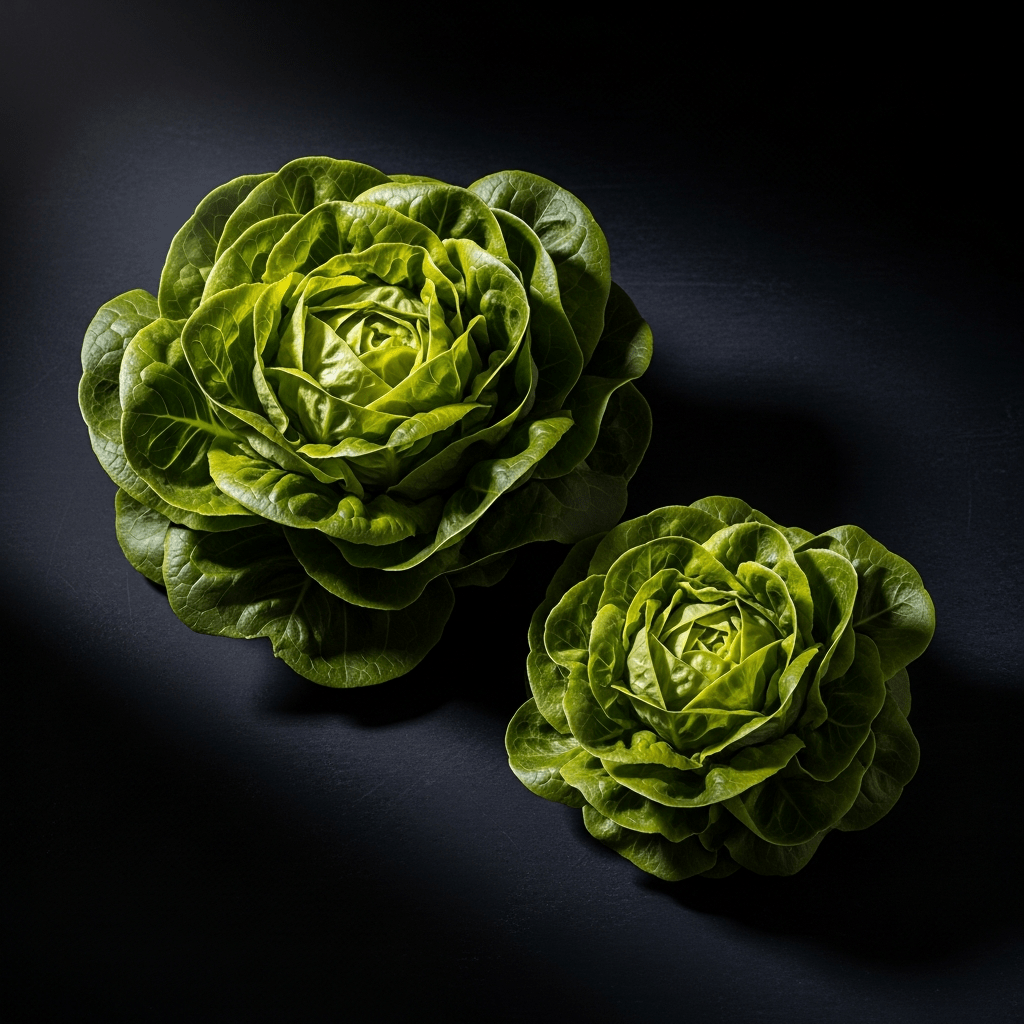
Butterhead Lettuce
Butterhead lettuce is a cultivated variety of Lactuca sativa known for its soft, tender leaves and loosely formed, rounded heads, prized for its mild flavor and delicate texture in fresh salads and sandwiches.
Butterhead lettuce is a cultivated variety of Lactuca sativa known for its soft, tender leaves and loosely formed, rounded heads, prized for its mild flavor and delicate texture in fresh salads and sandwiches.
Originating in Europe, Butterhead lettuce has been cultivated since at least the 17th century in countries such as France, England, and the Netherlands. The Boston and Bibb types emerged later in the United States during the late 19th and early 20th centuries, with Bibb lettuce credited to John Bibb of Kentucky, reflecting a lineage of selective breeding focused on soft, non-crisped leaf textures.
Butterhead lettuce belongs to the species Lactuca sativa and is classified botanically as Lactuca sativa var. capitata. It is one of the major horticultural groups within cultivated lettuce, distinguished from other types like Crisphead or Romaine by its tender leaf texture and loose head formation.
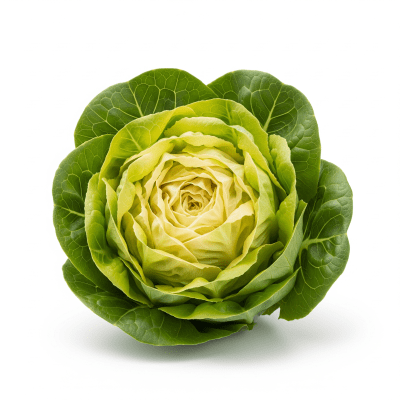
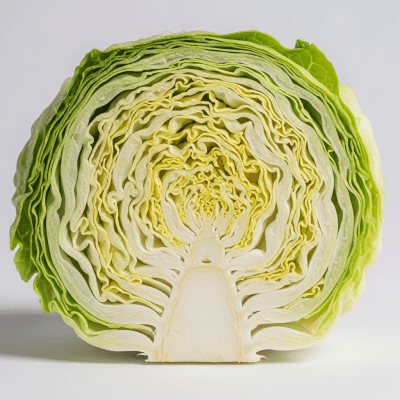
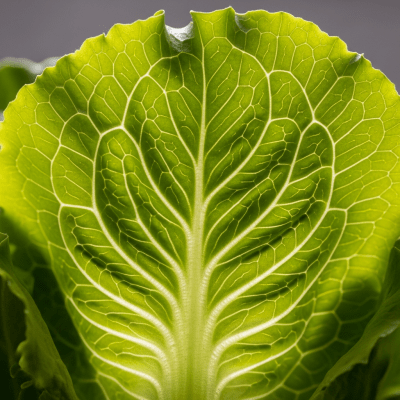
Butterhead lettuce forms loose, rounded heads typically about 15 cm tall. Its leaves are soft, tender, pliable, and often slightly glossy, ranging in color from pale to medium green with occasional reddish tinges. This gentle leaf texture and the loosely arranged head give Butterhead its characteristic delicate feel.
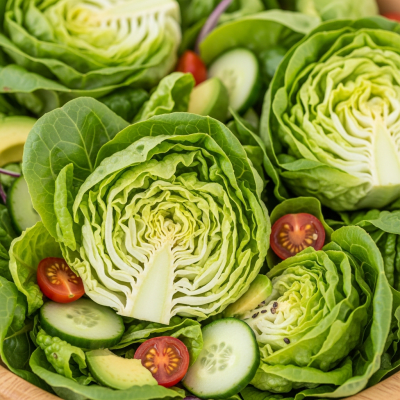
Primarily grown as a cool-season crop thriving between 10–20°C, Butterhead lettuce is moderately sensitive to heat, which can induce bolting or tipburn. It is widely used fresh in salads, sandwiches, and wraps, with leaves often employed as edible cups for fillings. Its tender texture makes it a favorite in gourmet and specialty markets, especially in Europe and North America.
Bring this kind into your world illustrated posters, mugs, and shirts.
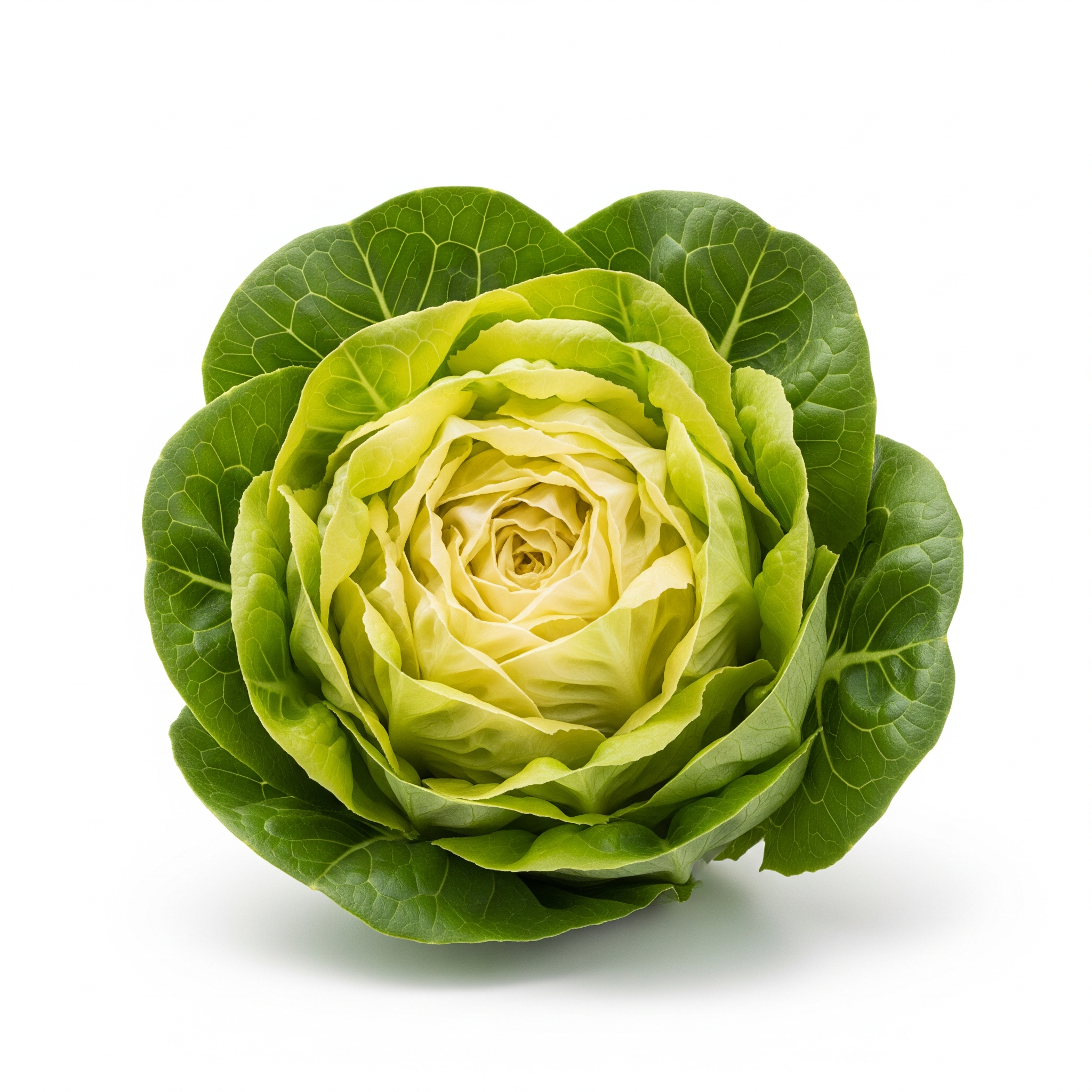
Archival print, museum-grade paper
Buy Poster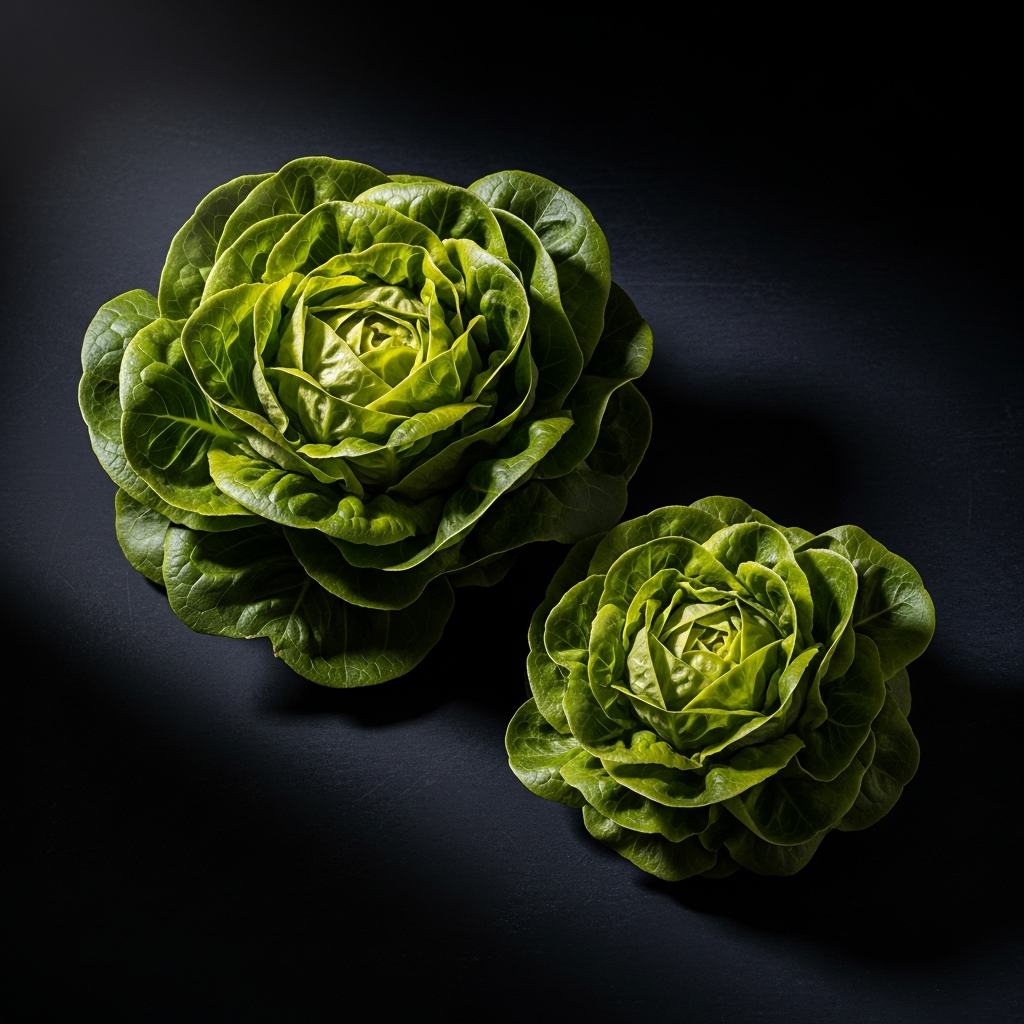
Stoneware mug, dishwasher safe
Buy Mug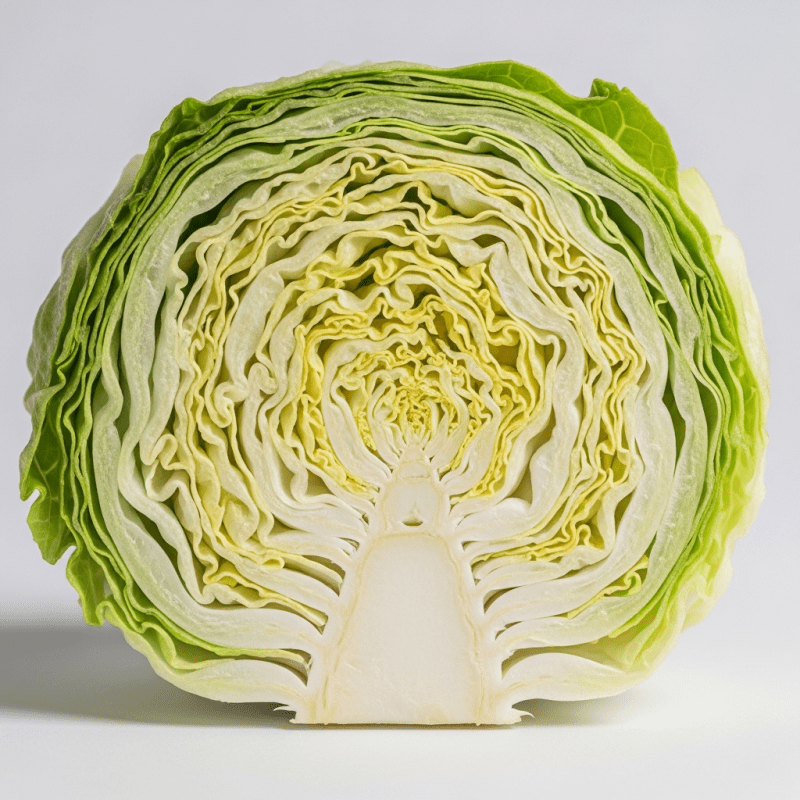
Soft cotton tee, unisex sizes
Buy ShirtButterhead lettuce holds a valued place in culinary traditions across Europe and North America, often associated with refined dining and fresh, healthy eating. Known by various regional names such as “laitue pommée” or “laitue beurre” in France and “Kopfsalat” in Germany, it appears frequently in gourmet recipes and market displays, symbolizing freshness and delicacy.
Within the Butterhead group, notable varieties include Boston and Bibb lettuce, both developed in the United States. Boston lettuce is known for its larger, loose heads, while Bibb lettuce features smaller, more compact heads with exceptionally tender leaves. Other cultivars like Buttercrunch and Tom Thumb are also prized for their flavor and texture, each offering subtle differences in leaf color and size.
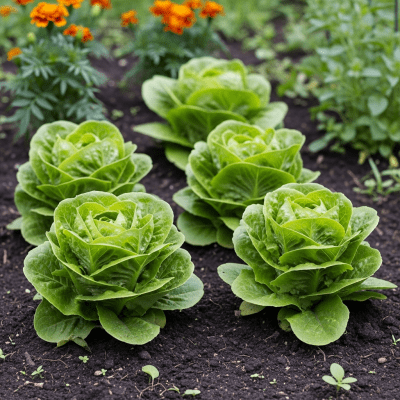

Butterhead lettuce thrives in cool-season climates with temperatures between 10 and 20°C. It prefers well-drained, fertile soils and consistent moisture to maintain leaf tenderness. Growers should monitor for heat stress, which can cause bolting or tipburn, and provide shade or irrigation as needed. Harvesting should occur before maturity declines to preserve delicate texture and flavor.
Butterhead lettuce is a low-calorie leafy green rich in vitamins A and K, along with folate and dietary fiber. Its mild flavor and high water content make it a hydrating and nutritious addition to fresh salads and meals, supporting eye health, blood clotting, and digestive wellness.
Butterhead lettuce is susceptible to tipburn, a physiological disorder caused by calcium deficiency often triggered by environmental stress. It is also vulnerable to fungal diseases such as downy mildew (Bremia lactucae), which can damage leaves and reduce yield. Effective management includes maintaining consistent moisture, proper spacing for air circulation, and using resistant cultivars when available.