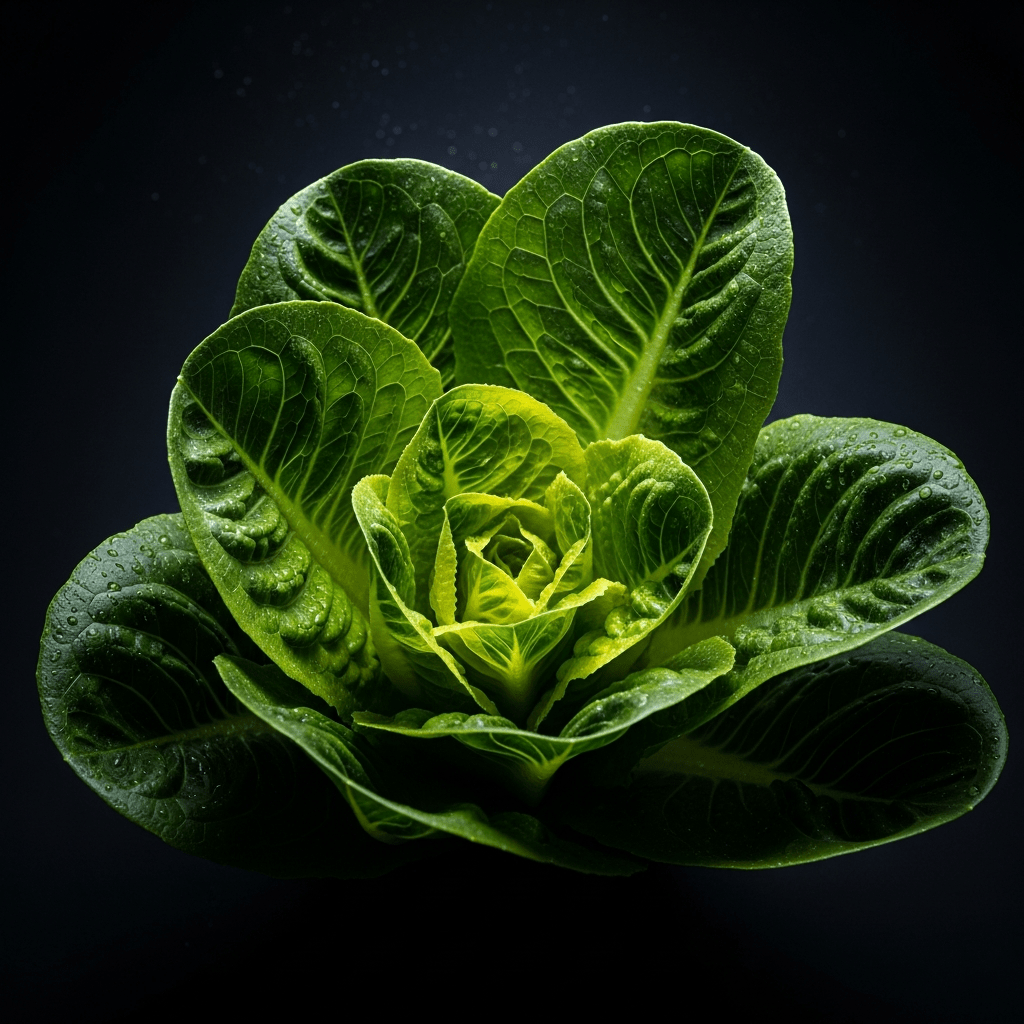
Romaine Lettuce
Romaine lettuce (Lactuca sativa var. longifolia) is a leafy vegetable known for its tall, elongated heads and crisp, sturdy leaves, widely prized in global cuisine for its texture and flavor.
Romaine lettuce (Lactuca sativa var. longifolia) is a leafy vegetable known for its tall, elongated heads and crisp, sturdy leaves, widely prized in global cuisine for its texture and flavor.
Romaine lettuce traces its origins to the ancient Mediterranean region, particularly Egypt and Rome, where it was cultivated as an upright leafy vegetable. It emerged as an ancient landrace selected from wild Lactuca species over centuries, with no single breeder credited for its development. Modern cultivars have since been refined by various seed companies and research institutions worldwide.
Belonging to the family Asteraceae and genus Lactuca, romaine lettuce is classified botanically as Lactuca sativa var. longifolia. It represents one of the major horticultural groups of cultivated lettuce, distinct for its upright growth habit and elongated heads, and is also known in markets as Cos lettuce.
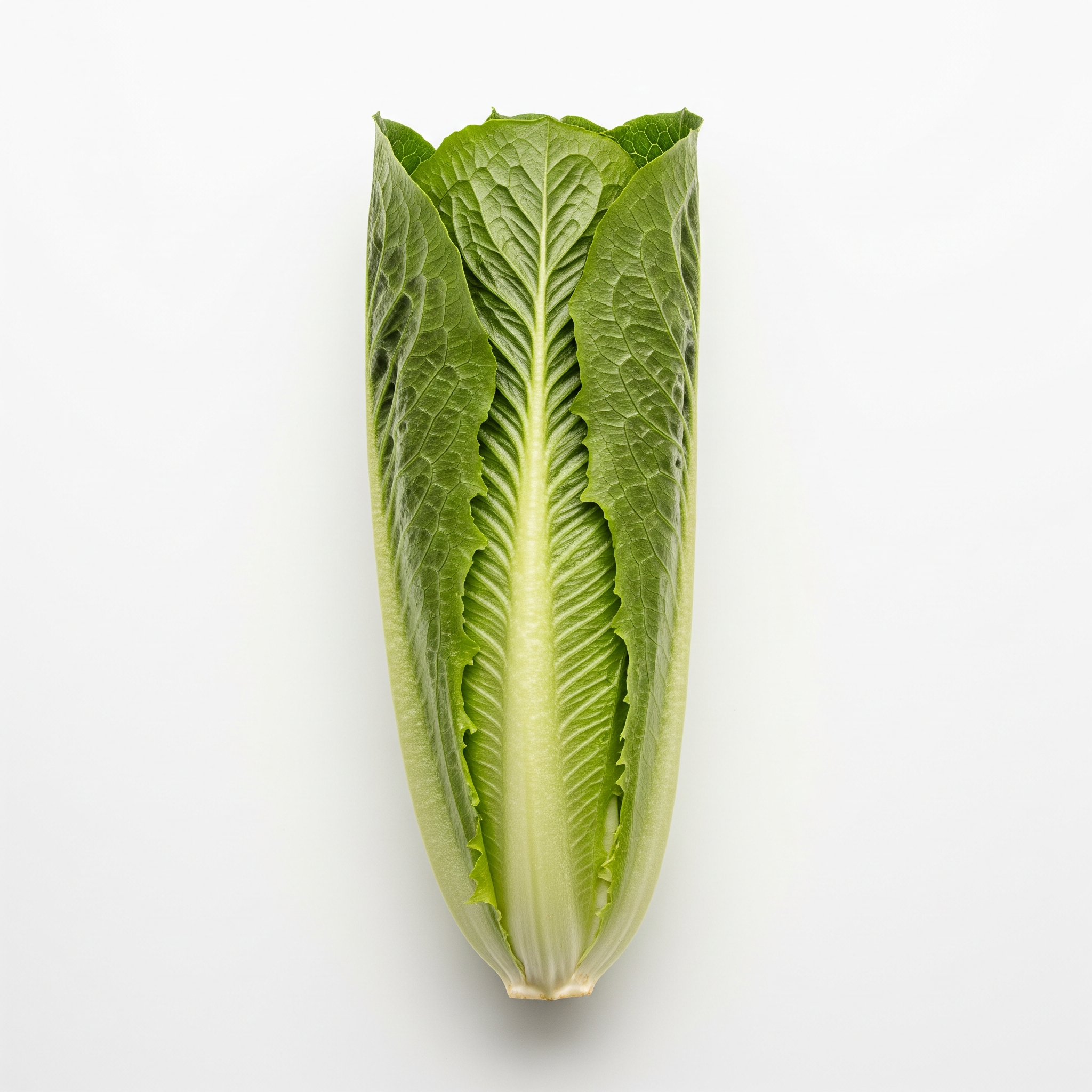
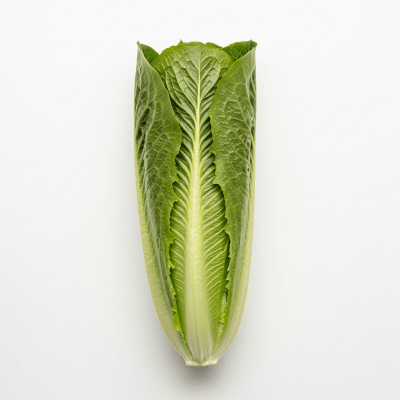
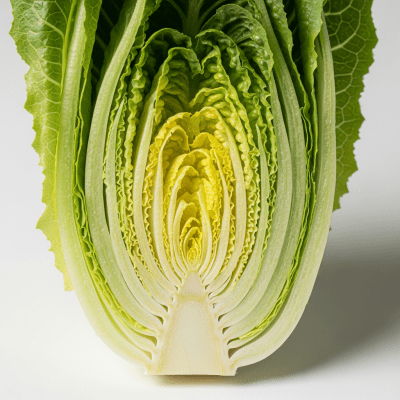
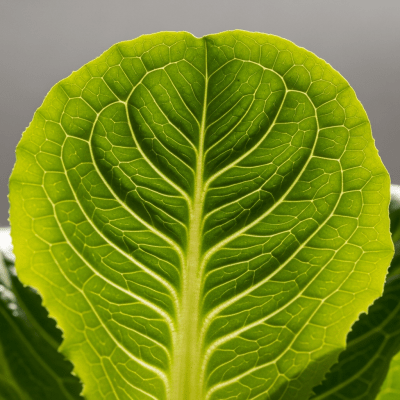
Romaine lettuce features tall, elongated, and upright heads typically around 20 centimeters in height. Its leaves are dark green, thick, and crisp with slightly serrated margins. The leaves grow in a loose, upright arrangement, and a prominent central rib adds to the characteristic crunch and sturdy texture.
Primarily consumed raw, romaine lettuce is favored for salads—most famously Caesar salad—as well as sandwiches, wraps, and garnishes. Its firm texture also lends itself to grilling and use as a base for lettuce wraps. The upright growth habit facilitates mechanical harvesting and packaging, making it a staple in both retail and foodservice markets worldwide.
Bring this kind into your world illustrated posters, mugs, and shirts.
Archival print, museum-grade paper
Buy Poster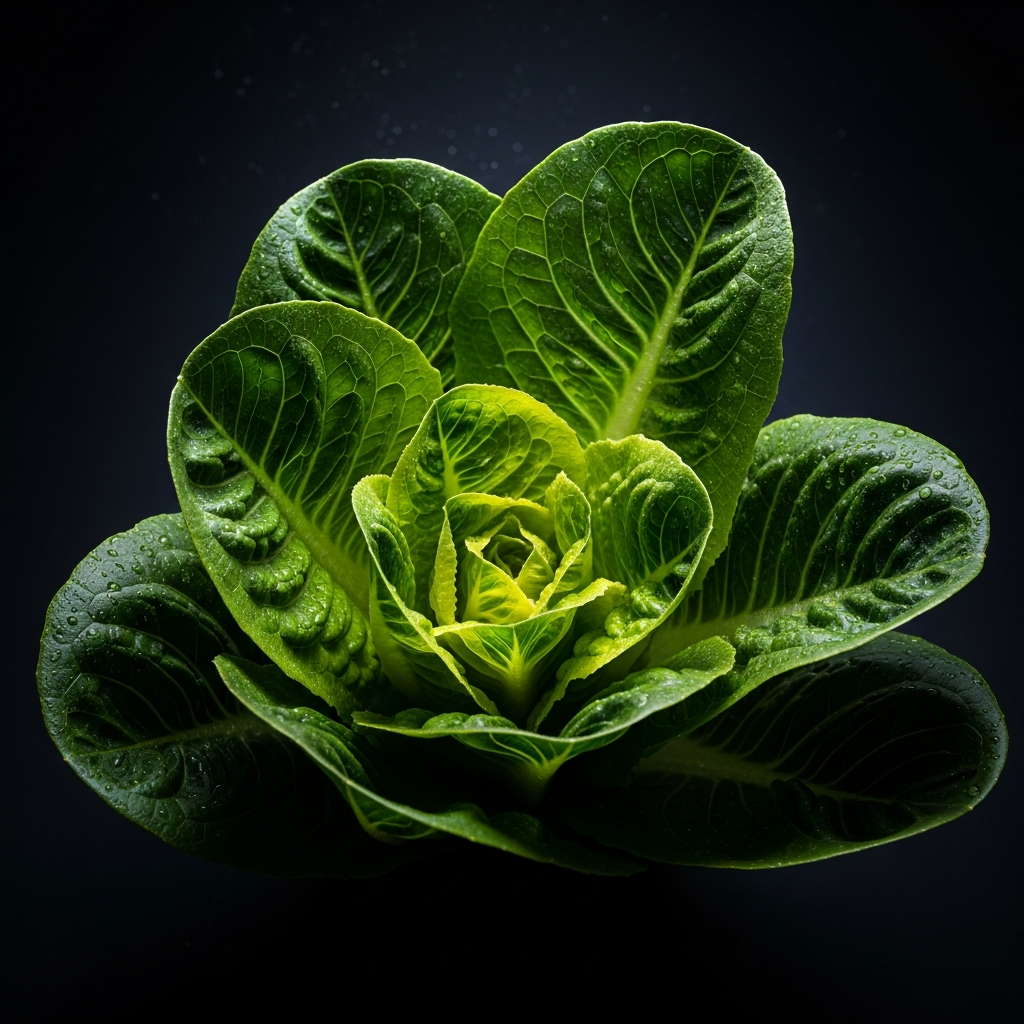
Stoneware mug, dishwasher safe
Buy Mug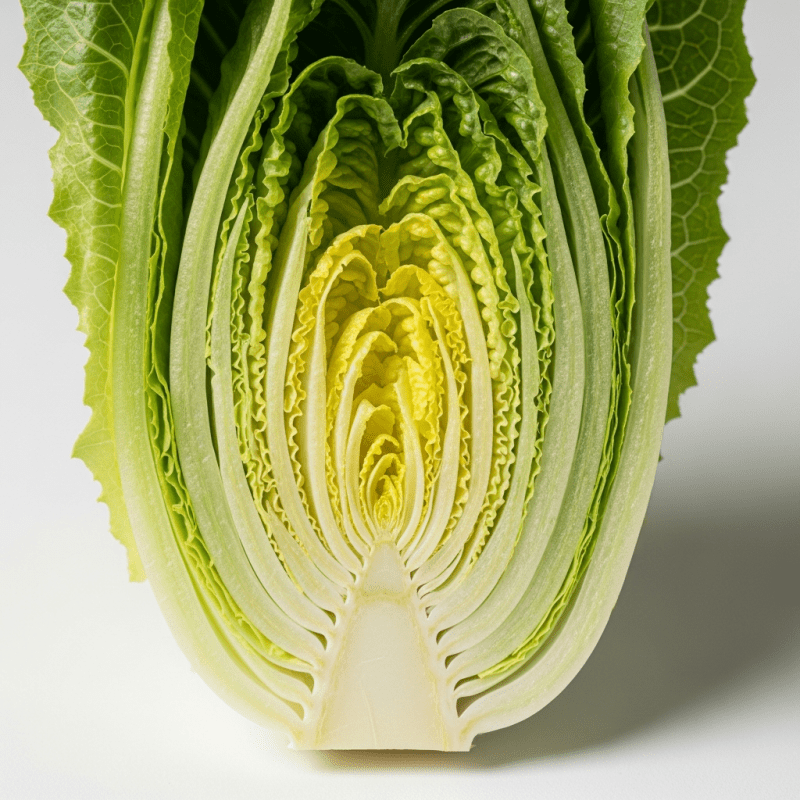
Soft cotton tee, unisex sizes
Buy ShirtKnown regionally as Cos lettuce, especially in the United Kingdom, Australia, and parts of Europe, romaine holds a place in culinary traditions tied to Mediterranean heritage. The name "Cos" derives from the Greek island of Kos, historically linked to early cultivation. Its enduring popularity reflects its integration into global cuisine and food culture.
Within the romaine group, numerous cultivars exist, bred for traits such as disease resistance, yield, and leaf quality. While all share the characteristic elongated, upright head and crisp leaves, specific varieties may vary in head size, leaf color intensity, and tolerance to heat or pests. These cultivars are widely grown globally to meet diverse market and climatic demands.
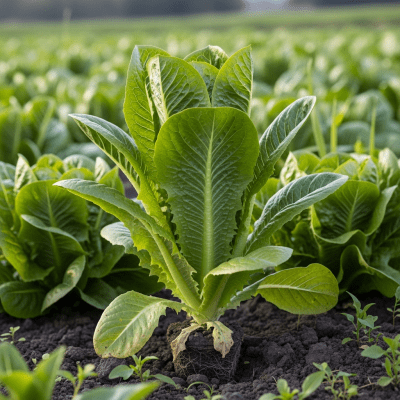


Romaine lettuce thrives in moderate climates and prefers well-drained, fertile soils with consistent moisture. It is moderately heat tolerant but can bolt if exposed to high temperatures, so planting in cooler seasons or providing shade during heat waves is beneficial. Regular watering and monitoring for pests help maintain healthy growth. Harvest typically occurs 60 to 75 days after sowing, when heads reach full height.
Romaine lettuce is a low-calorie leafy green rich in dietary fiber, vitamins A and K, and folate. Its crisp leaves provide hydration and antioxidants, supporting eye health, blood clotting, and overall wellness. It is a nutritious addition to salads and meals, valued for both flavor and health benefits.
Romaine lettuce is susceptible to pests such as aphids and diseases including downy mildew (Bremia lactucae) and lettuce mosaic virus. Tipburn, a physiological disorder related to calcium deficiency and environmental stress, can also affect leaf quality. Integrated pest management, crop rotation, and resistant cultivars help mitigate these challenges.