Salinas Lettuce
Salinas lettuce is a crisphead iceberg-type lettuce cultivar prized for its uniform spherical heads and strong disease resistance, widely cultivated in California's Salinas Valley and dominant in the U.S. fresh market.
Salinas lettuce is a crisphead iceberg-type lettuce cultivar prized for its uniform spherical heads and strong disease resistance, widely cultivated in California's Salinas Valley and dominant in the U.S. fresh market.
Developed by plant breeders at the University of California, Davis and released in 1975, Salinas lettuce was bred from earlier iceberg cultivars with a focus on improved head quality and resistance to lettuce mosaic virus. Its name honors the Salinas Valley, a key lettuce-producing region in California.
Botanically classified as Lactuca sativa var. capitata cv. ‘Salinas’, this lettuce belongs to the Crisphead group, a category known for dense, firm heads commonly referred to as iceberg lettuce.
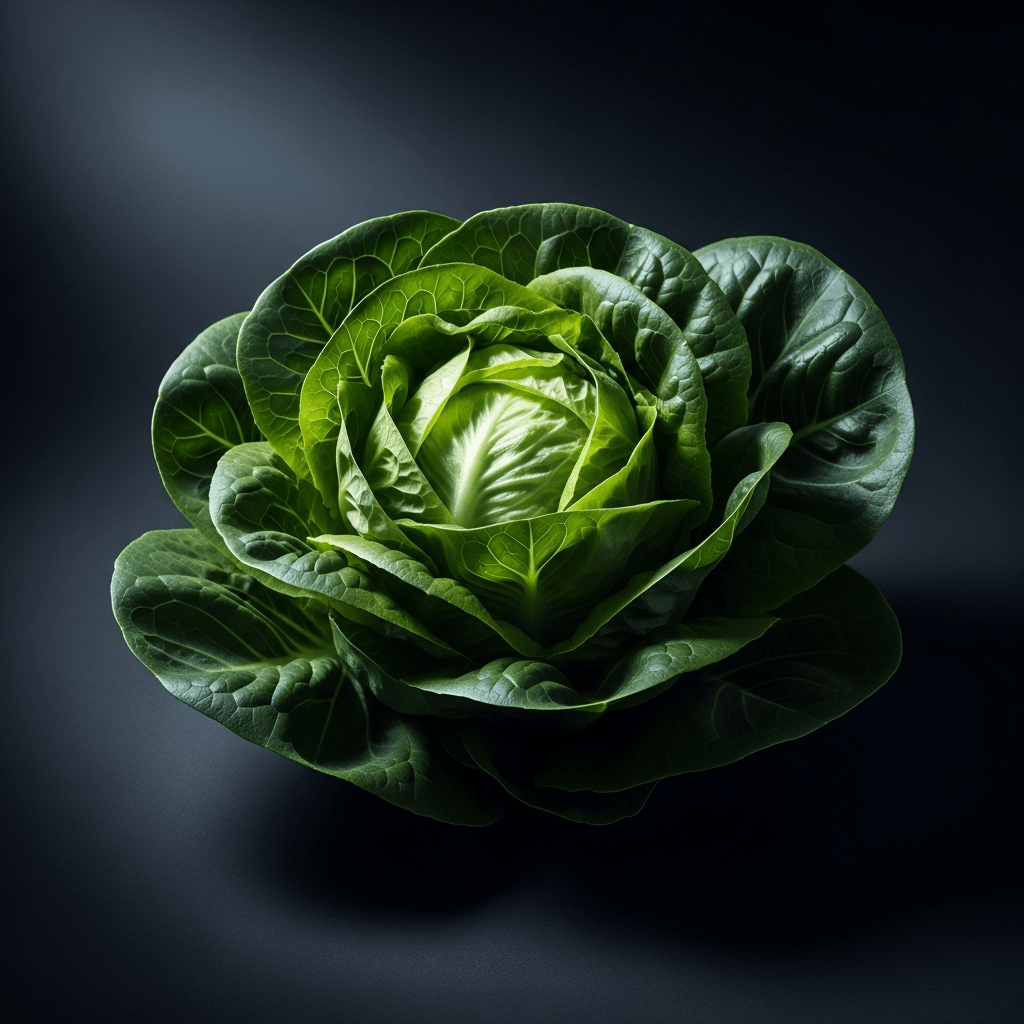
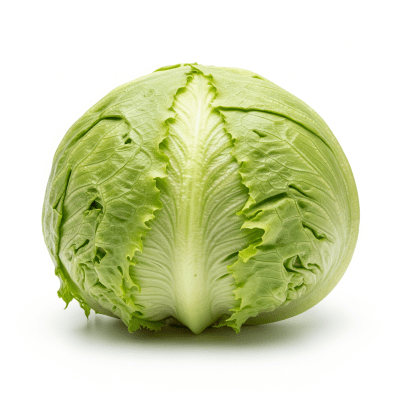
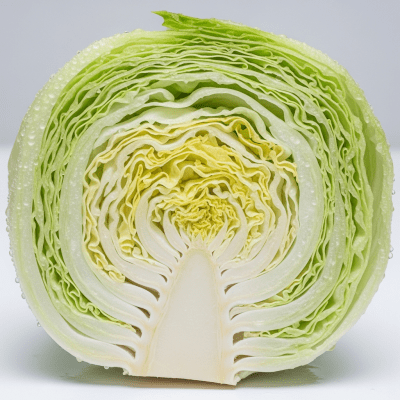
Salinas lettuce forms large, firm, spherical heads approximately 17.5 cm in diameter. Its leaves are tightly packed with a crisp texture and pale green color, creating the classic iceberg lettuce appearance prized for crunch and freshness.
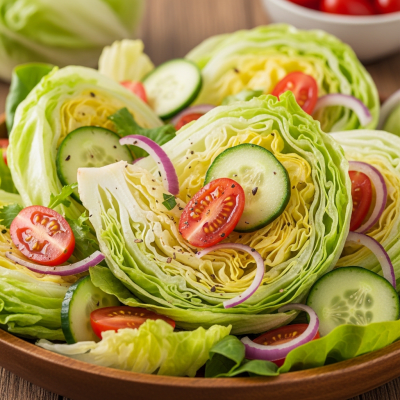
Primarily grown for the fresh market, Salinas lettuce is commonly used in salads, sandwiches, and foodservice dishes requiring a crunchy iceberg texture. It is sold as whole heads, pre-cut hearts, or shredded, making it versatile for retail and food preparation.
Bring this kind into your world illustrated posters, mugs, and shirts.

Archival print, museum-grade paper
Buy Poster
Stoneware mug, dishwasher safe
Buy Mug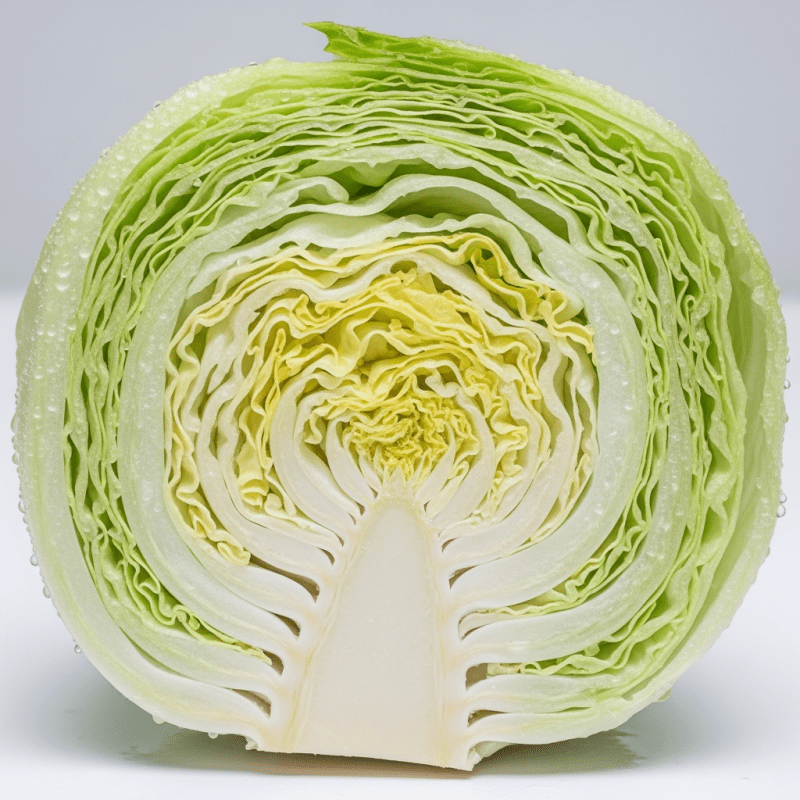
Soft cotton tee, unisex sizes
Buy ShirtSalinas lettuce symbolizes California’s leading role in U.S. lettuce production and has become a staple in American cuisine, especially in fast food and casual dining where its crisp texture enhances popular dishes like burgers and wraps.
Salinas lettuce is a cultivar within the Crisphead (iceberg) type of lettuce. Crisphead lettuces are characterized by their dense, spherical heads and crisp leaves, distinguishing them from other types like Romaine, Butterhead, or Leaf lettuces.
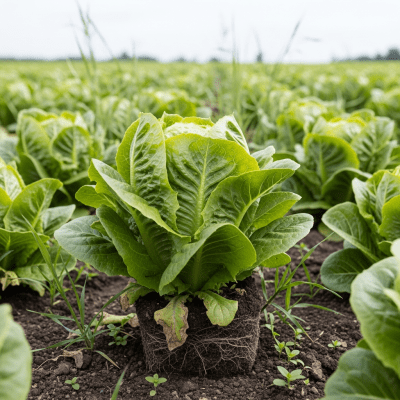

Salinas lettuce thrives in spring and summer climates typical of California’s Salinas Valley. It requires well-drained soil and consistent moisture to develop firm heads. Growers should monitor for heat stress to prevent bolting and tipburn, and leverage its disease resistance traits to manage lettuce mosaic virus.
Like other iceberg lettuces, Salinas lettuce offers a low-calorie, hydrating leafy green option rich in water and dietary fiber. It provides modest amounts of vitamins A and K, supporting eye health and blood clotting, while delivering a refreshing crunch with minimal calories.
Salinas lettuce is notably resistant to lettuce mosaic virus, a major threat to lettuce crops. However, growers should remain vigilant against tipburn, a physiological disorder caused by calcium deficiency and environmental stress. Common pests include aphids and leafminers, which require integrated pest management strategies.