
Leaf Lettuce
Leaf lettuce (Lactuca sativa var. crispa) is a widely cultivated variety of lettuce characterized by its loose, non-heading rosette of tender leaves that vary in color from pale green to deep red or bronze.
Leaf lettuce (Lactuca sativa var. crispa) is a widely cultivated variety of lettuce characterized by its loose, non-heading rosette of tender leaves that vary in color from pale green to deep red or bronze.
Originating in the Mediterranean and Near East, leaf lettuce evolved from early domesticated forms of Lactuca sativa through centuries of selection favoring its loose-leaf growth habit. Over time, global breeding efforts by institutions such as the USDA, FAO, and the Royal Horticultural Society have refined its color, texture, and adaptability.
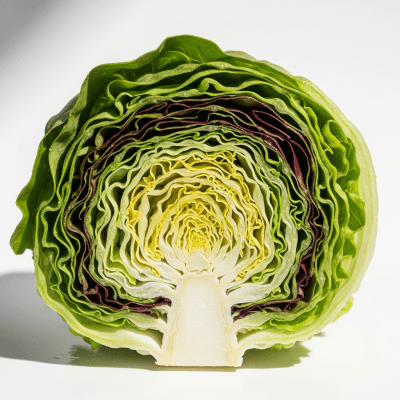
Leaf lettuce belongs to the species Lactuca sativa within the daisy family (Asteraceae) and is classified as the variety crispa. It is one of several horticultural types of cultivated lettuce, distinct from head-forming varieties like Iceberg or Romaine.
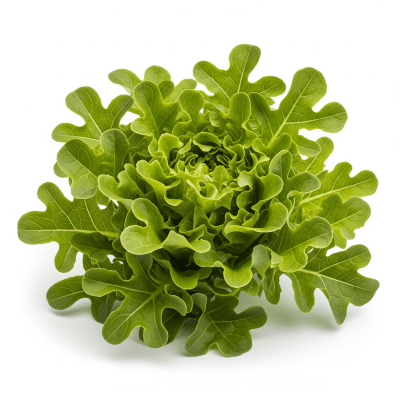
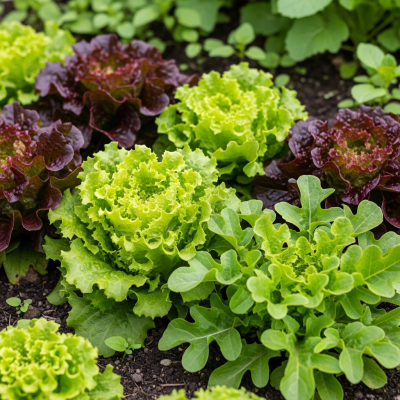
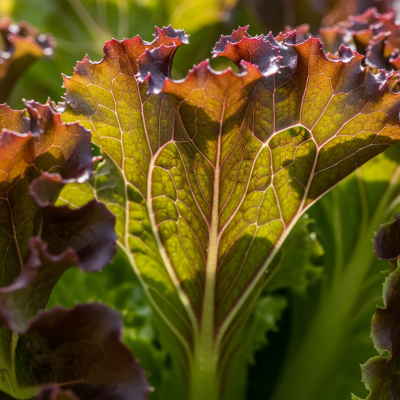
Leaf lettuce grows as a loose, open rosette without forming a compact head. Its leaves, which radiate from a central stem, can be broad or deeply lobed, with smooth, frilled, or curled edges. The texture is tender, and leaf colors range from pale green to rich reds and bronzes, creating a visually appealing diversity.
Primarily consumed raw, leaf lettuce is prized for salads, sandwiches, and garnishes due to its mild, slightly sweet flavor and tender texture. Its growth habit supports cut-and-come-again harvesting, allowing repeated leaf removal without damaging the plant, making it popular in both home gardens and commercial production.
Bring this kind into your world illustrated posters, mugs, and shirts.

Archival print, museum-grade paper
Buy Poster
Stoneware mug, dishwasher safe
Buy Mug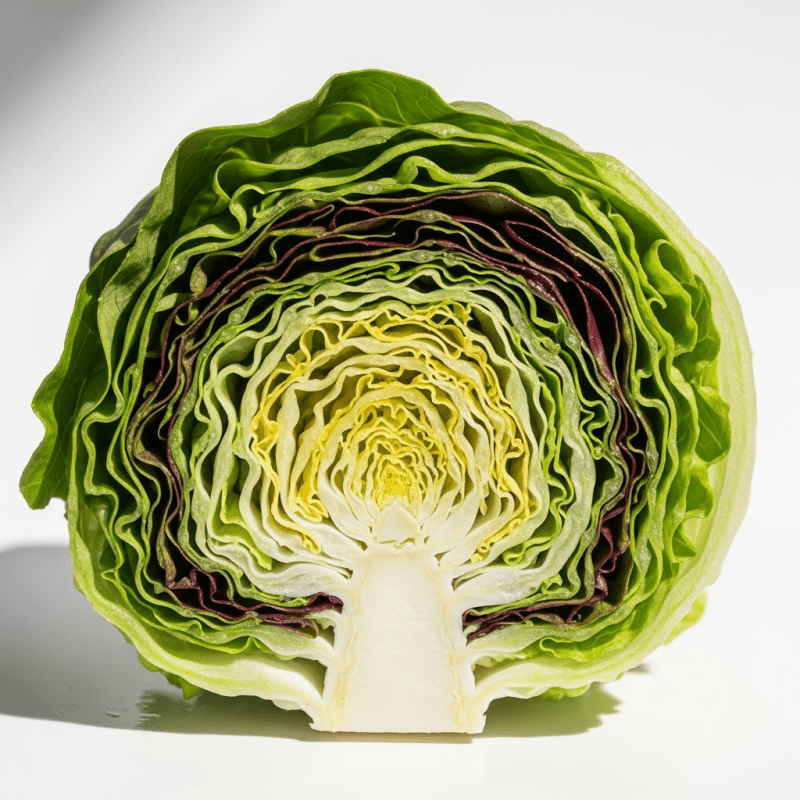
Soft cotton tee, unisex sizes
Buy ShirtLeaf lettuce holds a staple place in global cuisines across North America, Europe, and Asia, valued for its versatility and aesthetic appeal in dishes. Its diverse leaf shapes and colors have inspired culinary creativity and are reflected in regional names such as "laitue à couper" in French and "lattuga da taglio" in Italian.
Leaf lettuce encompasses a range of types distinguished by leaf shape and color, including:


Leaf lettuce thrives in cooler climates but is more heat tolerant than head lettuce. For best results, sow seeds in well-drained soil with consistent moisture and partial to full sun. It matures quickly, allowing for successive plantings and cut-and-come-again harvesting. Protect young plants from aphids and monitor for downy mildew to maintain healthy crops.
Leaf lettuce is low in calories and rich in vitamins A and K, providing antioxidants and hydration due to its high water content. Its tender leaves contribute dietary fiber and essential nutrients, making it a healthy addition to salads and fresh dishes.
Leaf lettuce is vulnerable to pests such as aphids, which can damage leaves and transmit diseases. It is also susceptible to downy mildew (Bremia lactucae), a fungal-like disease causing leaf discoloration and decay. Effective management includes crop rotation, proper spacing for air circulation, and timely application of appropriate treatments.