Iceberg Lettuce
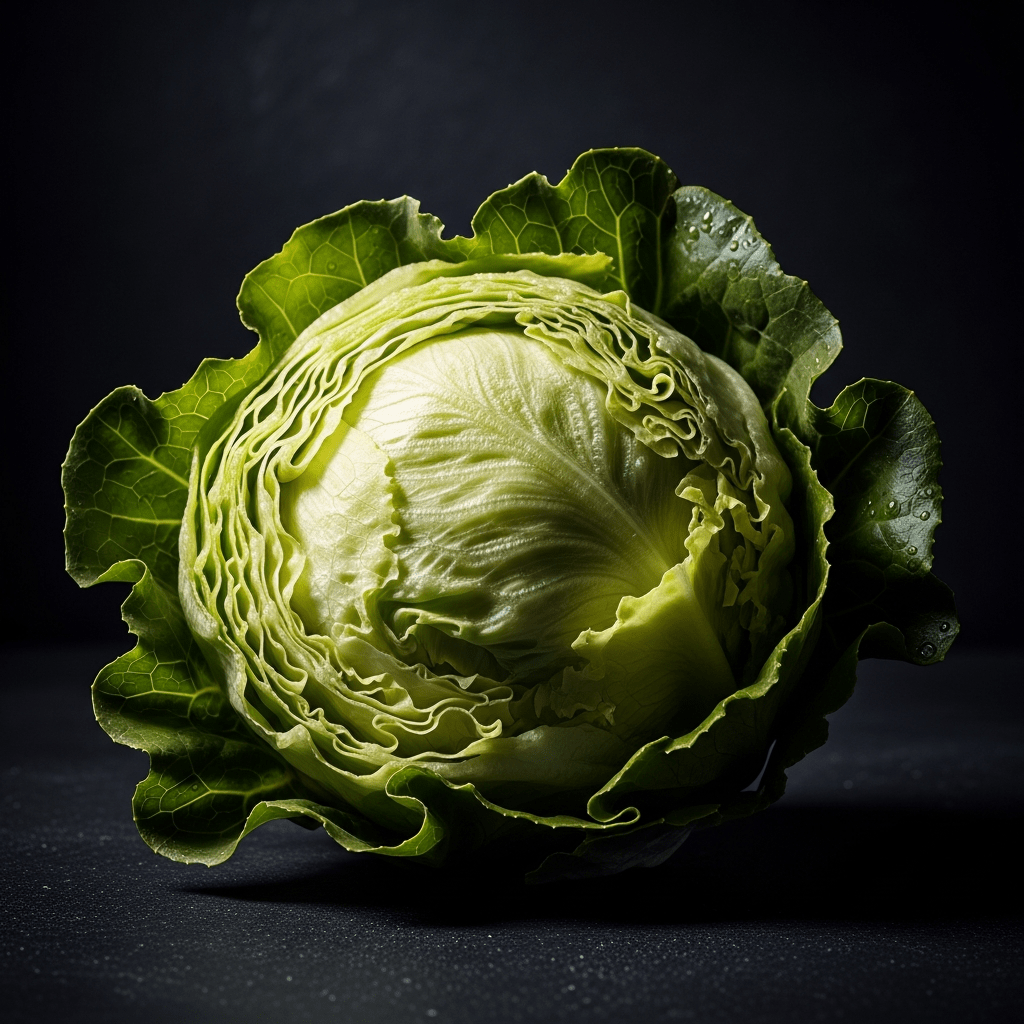
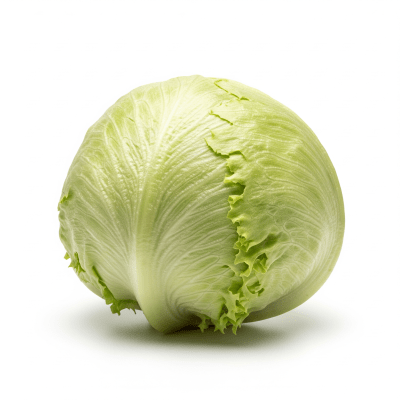
Iceberg lettuce is a crisphead variety of Lactuca sativa known for its tightly packed, round heads and pale green, crunchy leaves, making it one of the most widely grown and consumed lettuces worldwide.
Iceberg lettuce is a crisphead variety of Lactuca sativa known for its tightly packed, round heads and pale green, crunchy leaves, making it one of the most widely grown and consumed lettuces worldwide.
Originating in the United States during the late 19th and early 20th centuries, iceberg lettuce was first commercially introduced with the 'Imperial' variety by the Burpee Seed Company in 1894. It was developed through selective breeding from European butterhead and heading lettuces, aiming to enhance head firmness, transportability, and shelf life.
Iceberg lettuce belongs to the species Lactuca sativa and is classified within the Crisphead horticultural group. It is scientifically recognized as Lactuca sativa var. capitata, distinguishing it by its dense, spherical heads compared to other lettuce types like Romaine or Butterhead.
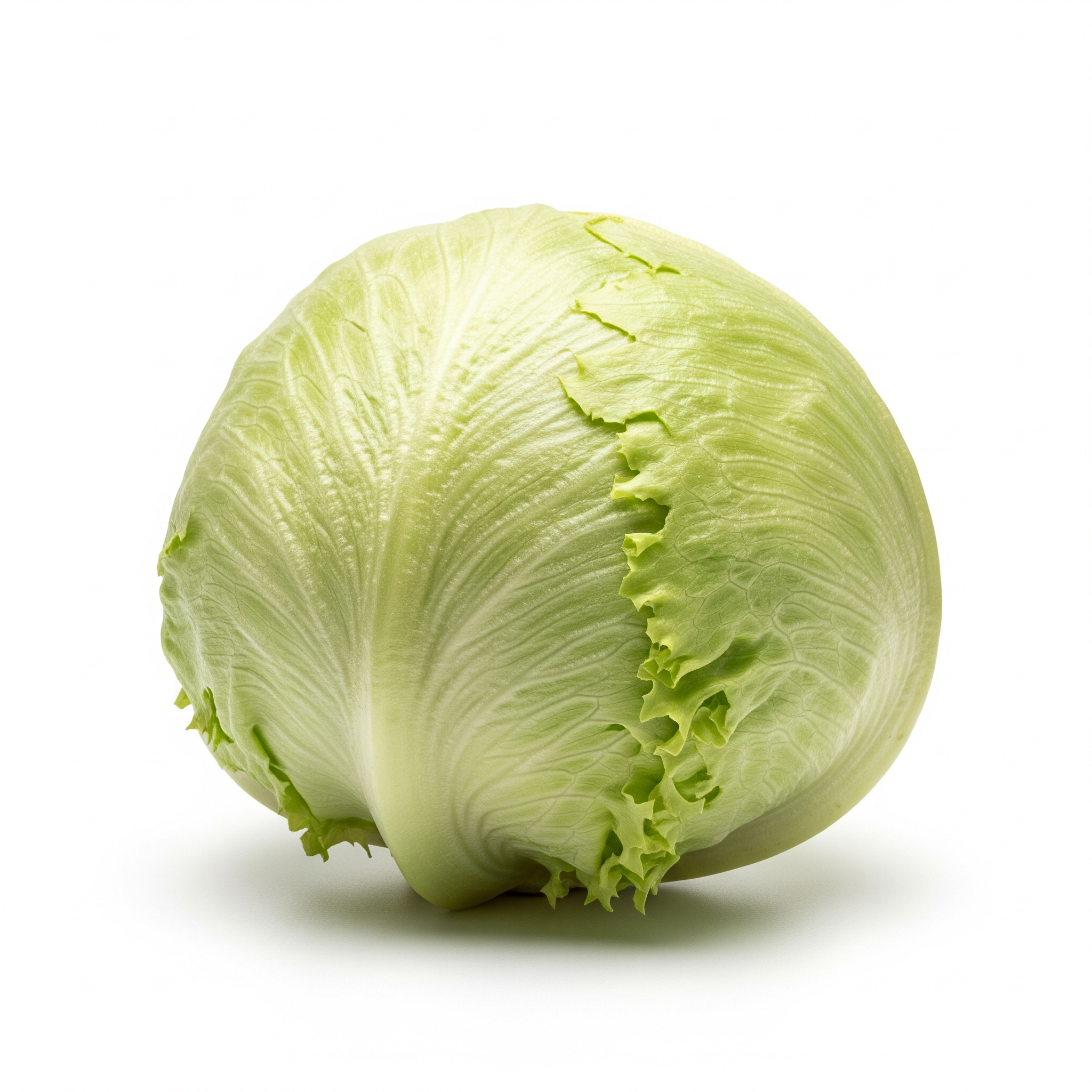
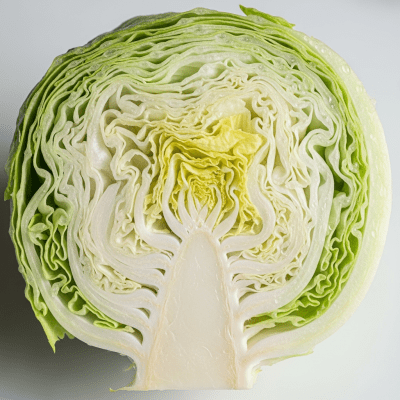
Characterized by a round head approximately 17.5 cm in diameter, iceberg lettuce features pale green leaves that are notably crisp and succulent. The leaves form a compact, tightly packed head, prized for its firm texture and high water content exceeding 95%.
Primarily consumed raw, iceberg lettuce is a staple in salads, sandwiches, and as a garnish due to its mild flavor and crunchy texture. Its dense head structure lends itself well to transport and storage, making it a preferred choice for whole heads, pre-cut portions, and packaged salad mixes in retail markets.
Bring this kind into your world illustrated posters, mugs, and shirts.
Archival print, museum-grade paper
Buy Poster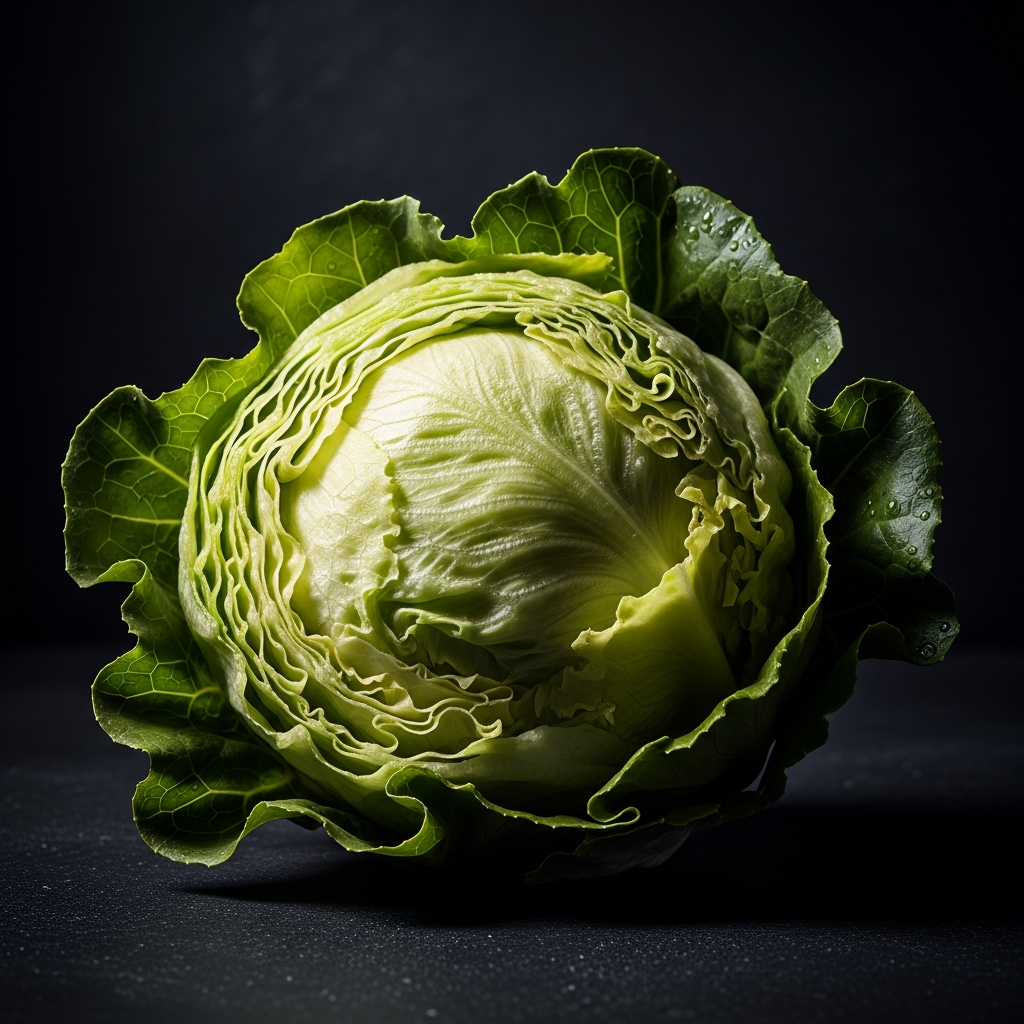
Stoneware mug, dishwasher safe
Buy Mug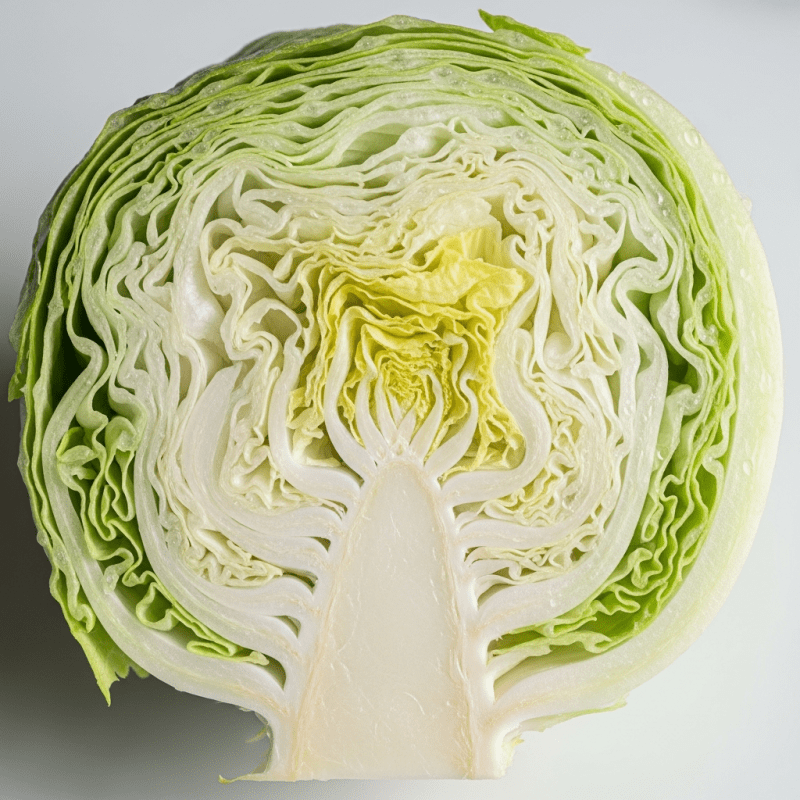
Soft cotton tee, unisex sizes
Buy ShirtIceberg lettuce holds a prominent place in global food culture, especially in North America, Europe, and parts of Asia, where it dominates commercial markets. While less favored in gourmet cuisine for its mild taste and lower nutrient density, it remains a symbol of freshness and convenience in everyday meals and fast food.
Within the Crisphead group, iceberg lettuce includes several notable cultivars such as 'Imperial', the first commercial variety, as well as 'Great Lakes' and 'Salinas'. These cultivars have been selectively bred for improved disease resistance, uniformity, and shelf life, maintaining the characteristic dense, round head and crisp texture.
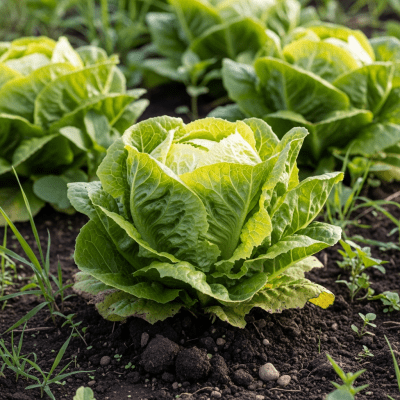


Iceberg lettuce thrives in cool climates with optimal temperatures between 15 and 18°C. It prefers well-drained soils and requires careful management to avoid heat stress, which can cause bolting or tipburn. Harvest typically occurs between 70 and 85 days after sowing. Maintaining high humidity and refrigeration post-harvest extends shelf life up to three weeks.
Iceberg lettuce is composed of over 95% water, offering a refreshing low-calorie option. While it contains fewer nutrients than darker leafy lettuces, it provides dietary fiber, small amounts of vitamins A and K, and hydration benefits, making it a popular choice for light, crisp salads.
Iceberg lettuce is susceptible to several common threats including tipburn, downy mildew, and lettuce mosaic virus. Modern cultivars have been bred for improved resistance to some pathogens, but growers must monitor crops closely and apply integrated pest management practices to maintain healthy plants.