
Wild Lettuce
Wild Lettuce (Lactuca virosa) is a robust, bitter wild species closely related to cultivated lettuce, known for its milky latex and historical use in herbal medicine.
Wild Lettuce (Lactuca virosa) is a robust, bitter wild species closely related to cultivated lettuce, known for its milky latex and historical use in herbal medicine.
Native to southern and central Europe, western Asia, and parts of North Africa, Wild Lettuce is a naturally occurring biennial plant first described scientifically in Europe. Unlike cultivated lettuce, it arose without formal breeding but has occasionally been crossed with cultivated varieties to enhance pest and disease resistance.
Wild Lettuce belongs to the genus Lactuca within the daisy family (Asteraceae). Its scientific name is Lactuca virosa, distinguishing it from the cultivated species Lactuca sativa. It is sometimes synonymized with Lactuca scariola var. virosa and is part of the broader wild lettuce group, which includes related species like Lactuca serriola.
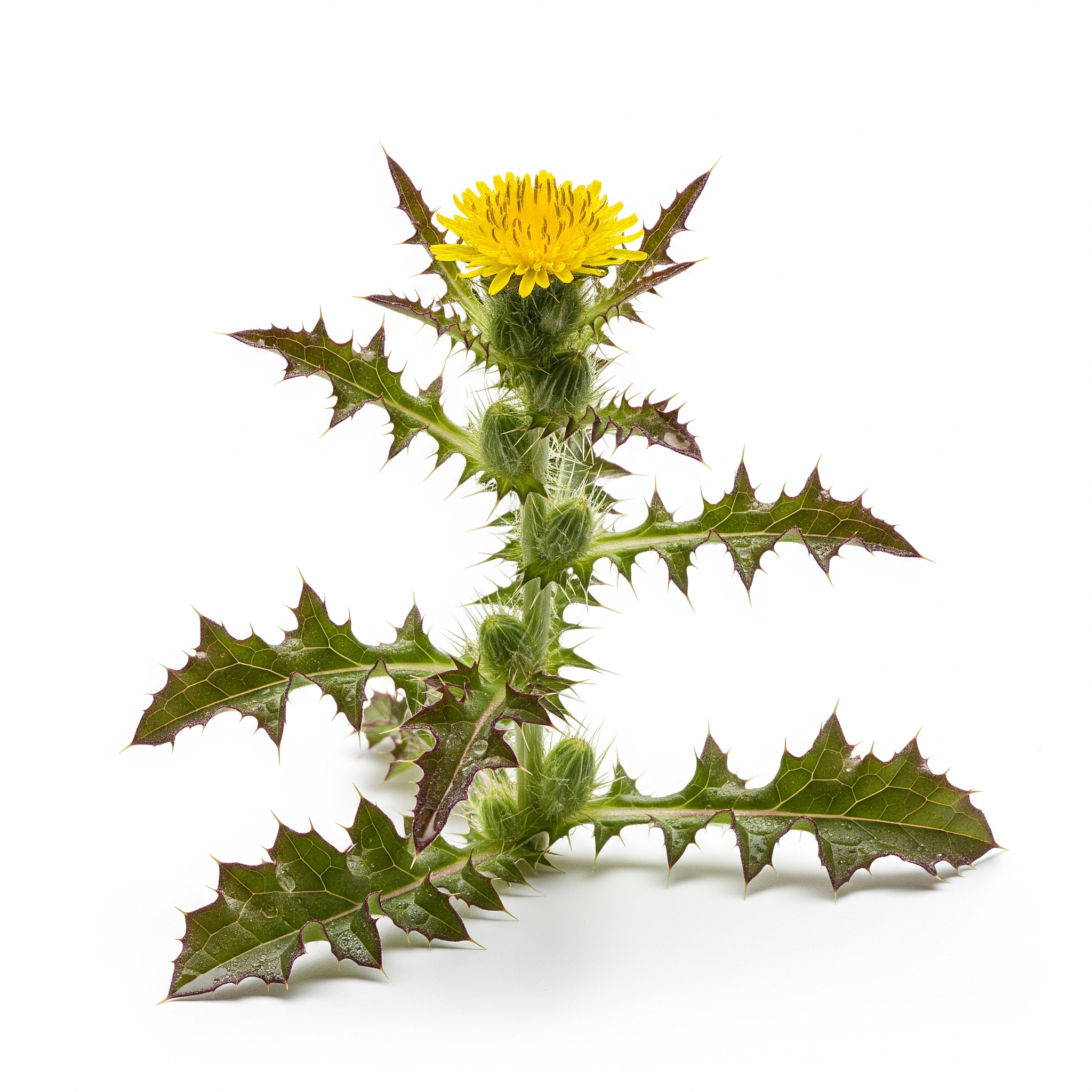
This biennial herbaceous plant grows tall, often reaching 60 to 200 cm in height. It features deeply lobed, tough leaves with spiny stems and leaf margins. Small yellow flowers bloom in branched clusters, while the plant exudes a distinctive milky latex when cut, which is bitter due to sesquiterpene lactones.
Wild Lettuce is not cultivated for food because of its bitterness and tough texture. Historically, its latex was used as a mild sedative and analgesic in herbal medicine, earning it the nickname "lettuce opium." Today, it serves primarily in breeding programs to introduce genetic diversity and improve disease resistance in cultivated lettuce.
Bring this kind into your world illustrated posters, mugs, and shirts.
Archival print, museum-grade paper
Buy Poster
Stoneware mug, dishwasher safe
Buy Mug
Soft cotton tee, unisex sizes
Buy ShirtThough not prominent in culinary traditions, Wild Lettuce holds a niche place in herbal medicine folklore as a natural sedative. Its bitter latex and medicinal reputation have inspired names like "Opium Lettuce," reflecting its cultural association with natural remedies rather than food.
Wild Lettuce primarily refers to Lactuca virosa itself and does not have recognized horticultural varieties like cultivated lettuce. However, it is part of a group of wild Lactuca species, some of which share overlapping common names and traits.
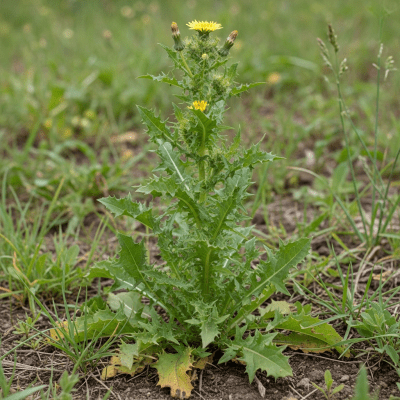



Wild Lettuce grows naturally in temperate regions of Europe, Asia, and North Africa without human cultivation. It thrives as a biennial herb in the wild and is not typically grown in agricultural settings. Its robust nature and pest resistance make it a useful genetic resource rather than a crop to cultivate.
Wild Lettuce is not consumed as food and thus lacks established nutritional profiles. Its bitter latex contains sesquiterpene lactones, compounds with pharmacological properties rather than nutritional value.
Wild Lettuce exhibits noted resistance to certain pests and diseases, which is one reason it is valuable in breeding programs. Specific pest or disease threats are less documented due to its wild status and limited agricultural use.