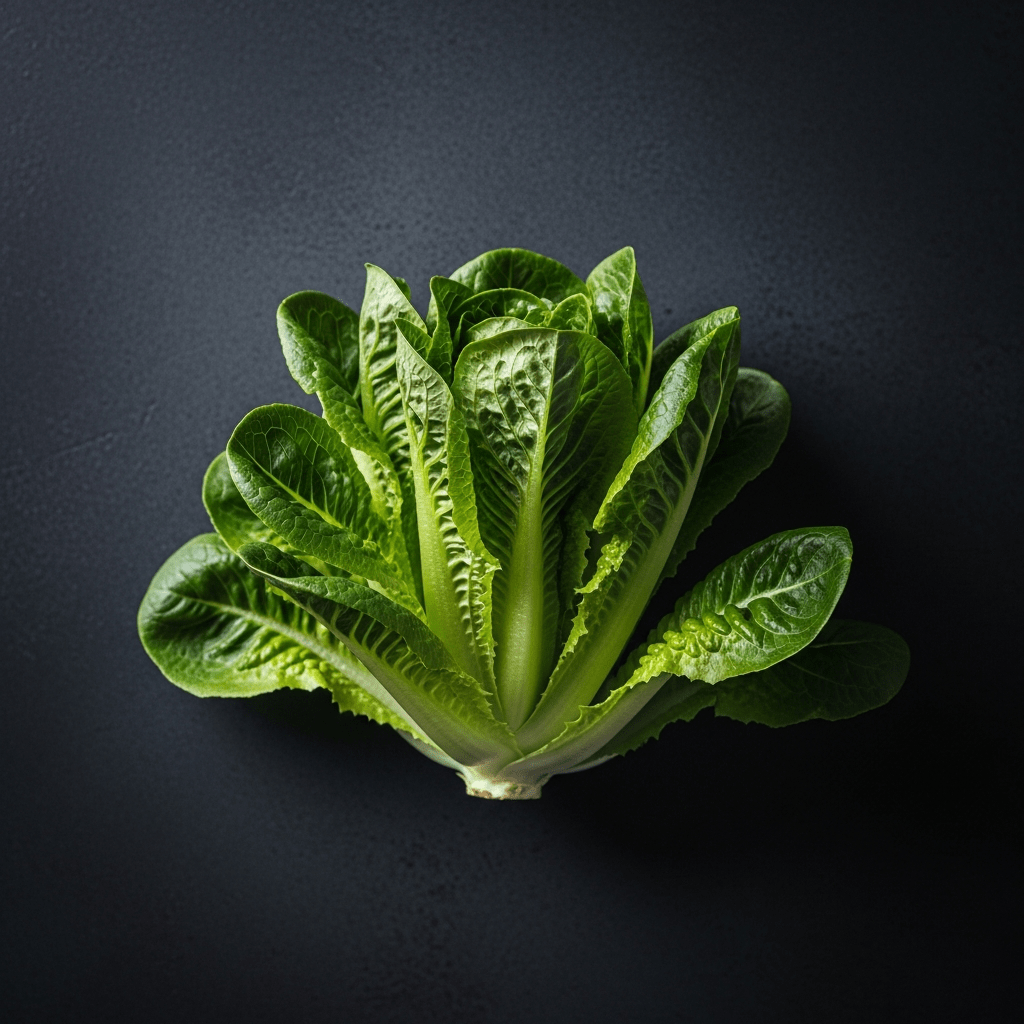
Bibb Lettuce
Bibb lettuce is a tender, buttery-textured variety of Butterhead lettuce known for its small, loose heads and mild, sweet flavor, prized as a premium salad green.
Bibb lettuce is a tender, buttery-textured variety of Butterhead lettuce known for its small, loose heads and mild, sweet flavor, prized as a premium salad green.
Originating in Kentucky, USA, around 1865, Bibb lettuce was developed by John Bibb, an amateur horticulturist who selected this variety from existing Butterhead lettuces for its compact size and delicate leaves. It emerged outside formal breeding programs, rooted in traditional cultivation.
Bibb lettuce belongs to the species Lactuca sativa and is classified within the Butterhead group, a horticultural type characterized by soft, loosely formed heads and tender leaves. It is closely related to other Butterhead varieties such as Boston lettuce.
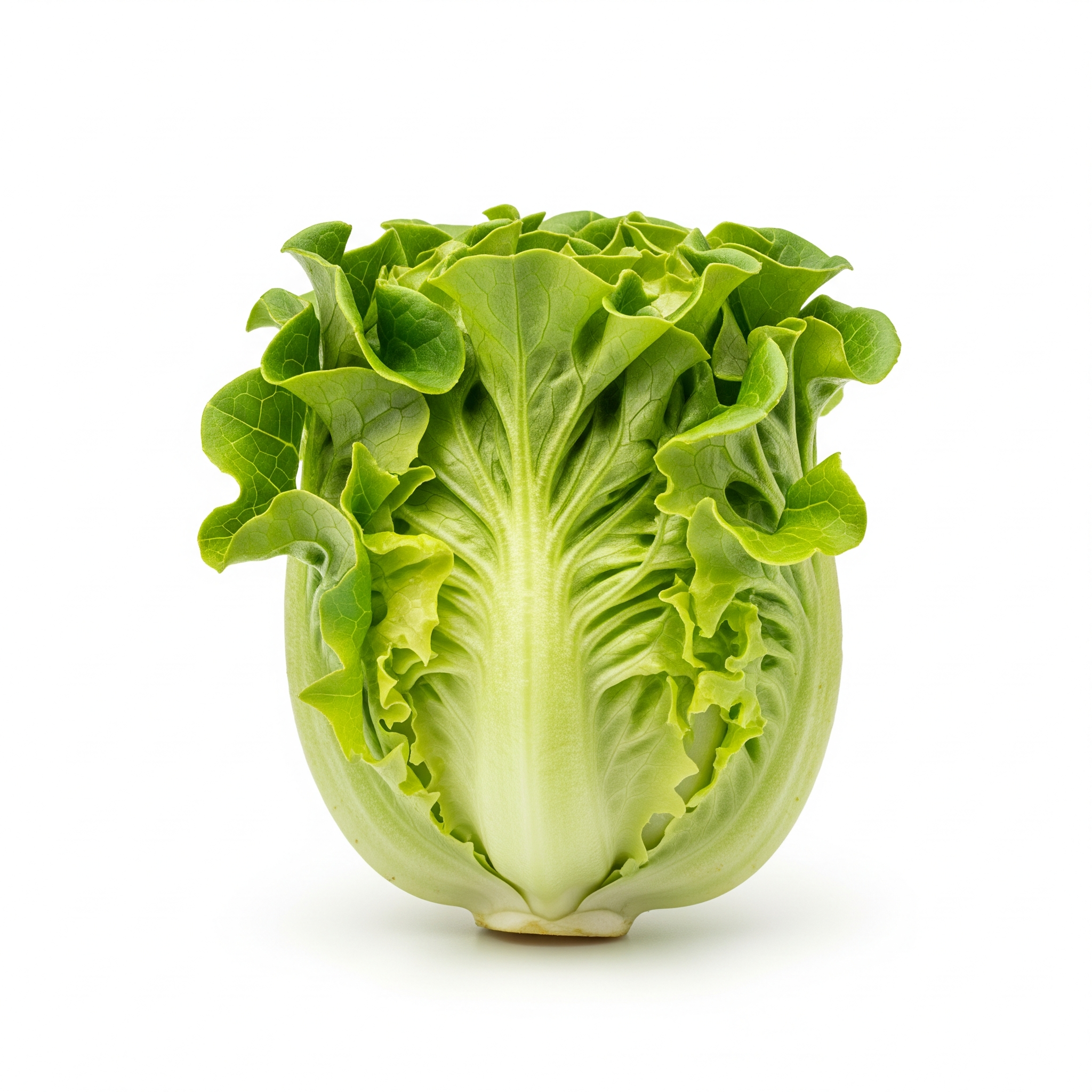
Bibb lettuce forms small, loose heads weighing between 150 and 300 grams. Its leaves are soft, tender, and buttery in texture, exhibiting a light to medium green color. Compared to other Butterhead types, Bibb heads are more compact, with a delicate and inviting appearance.
Valued for its mild, sweet flavor and tender texture, Bibb lettuce is commonly used in gourmet salads, lettuce wraps, and as a base for delicate dishes. It is typically sold as whole heads, favored in farmers’ markets and upscale grocery stores for its premium quality and presentation.
Bring this kind into your world illustrated posters, mugs, and shirts.
Archival print, museum-grade paper
Buy Poster
Stoneware mug, dishwasher safe
Buy Mug
Soft cotton tee, unisex sizes
Buy ShirtBibb lettuce holds a special place in American horticultural history as a homegrown variety developed by an amateur breeder. Its association with Kentucky and occasional use of the name "limestone lettuce" reflect regional pride and soil influences. It is also sometimes conflated with Boston lettuce, underscoring its role in culinary traditions emphasizing fresh, tender greens.
Bibb lettuce is a distinct variety within the Butterhead group of Lactuca sativa. Butterhead lettuces are characterized by soft, loosely formed heads and tender leaves. While Bibb is known for its compact, small heads, other Butterhead types like Boston lettuce tend to have larger, looser heads. Bibb stands out for its buttery texture and premium market positioning.
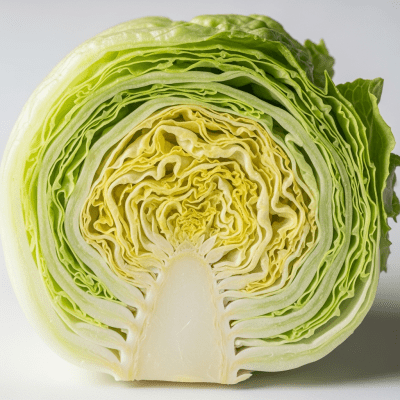
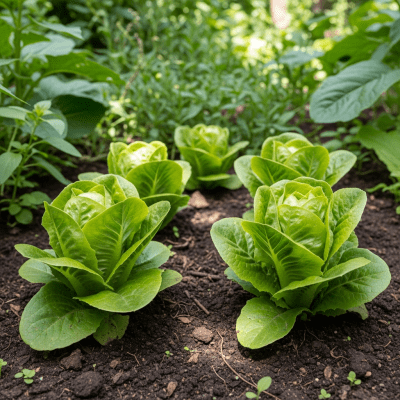

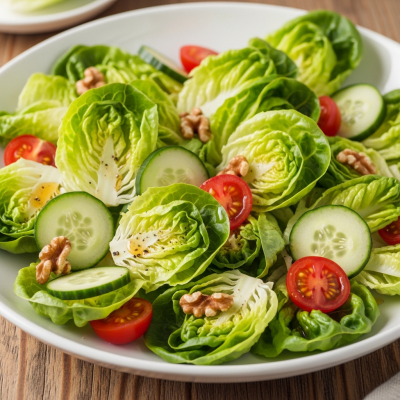
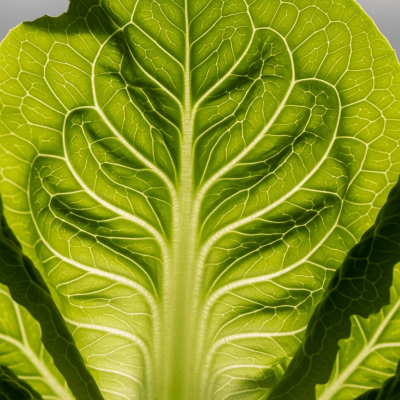
To successfully grow Bibb lettuce, plant in cool climates to avoid heat stress, which can lead to bolting and bitterness. Maintain consistent moisture and avoid excessive humidity to reduce susceptibility to tip burn and downy mildew. Harvest heads between 45 and 55 days after sowing for optimal tenderness and flavor. Due to its delicate nature, handle carefully during harvest and transport.
Bibb lettuce offers a mild, sweet flavor alongside a tender texture, providing a low-calorie source of hydration and dietary fiber. Like other leafy greens, it contains vitamins A and K, as well as folate and small amounts of minerals, contributing to a balanced diet and supporting overall health.
Bibb lettuce is moderately resistant to some foliar diseases but is vulnerable to tip burn and downy mildew, especially under humid conditions. To manage these threats, growers should ensure proper spacing for air circulation, avoid overhead watering, and monitor for early signs of disease. Integrated pest management practices help maintain healthy crops.