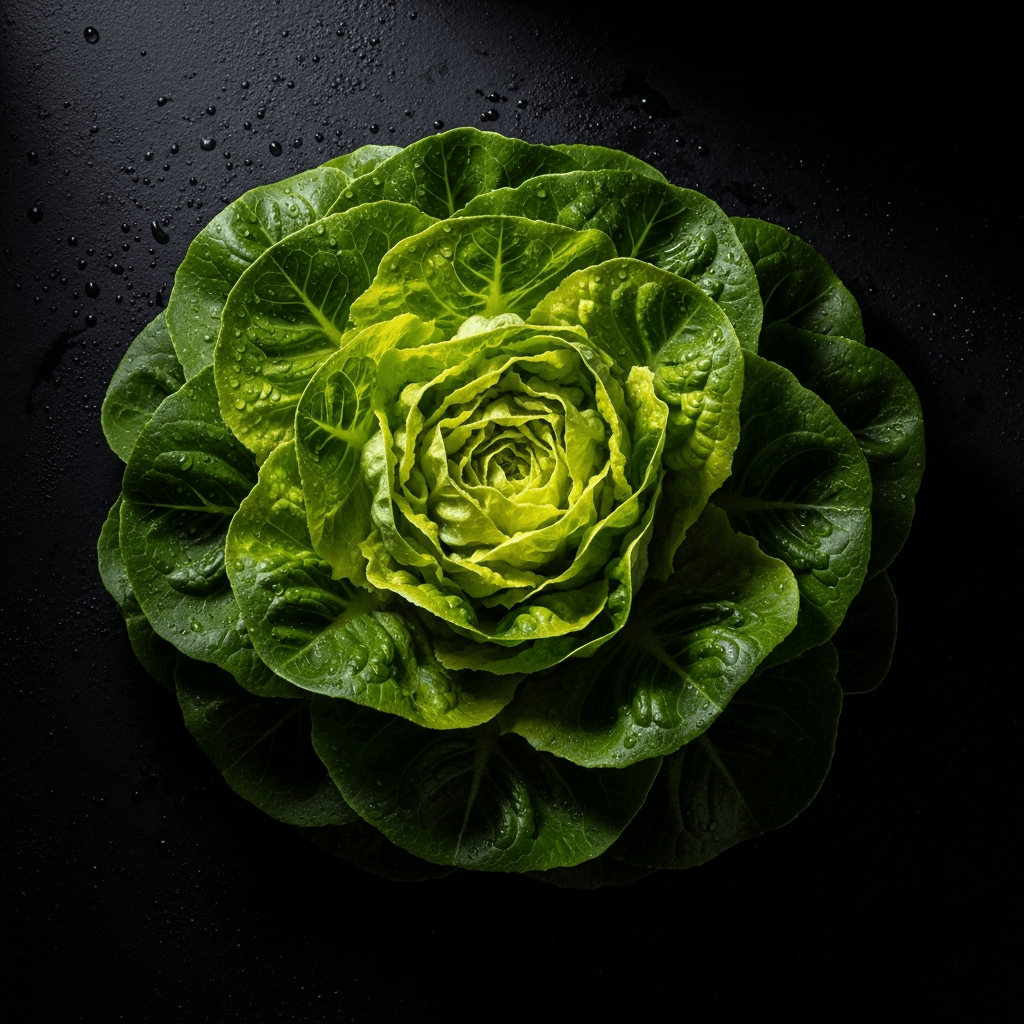
Batavia Lettuce
Batavia lettuce is a crisp, semi-compact variety of Lactuca sativa known for its leaf form that bridges traditional leaf and iceberg lettuces, prized for its texture and heat tolerance.
Batavia lettuce is a crisp, semi-compact variety of Lactuca sativa known for its leaf form that bridges traditional leaf and iceberg lettuces, prized for its texture and heat tolerance.
Originating from breeding selections in France and Western Europe, Batavia lettuce—also called French crisphead—was developed to combine crispness with leaf characteristics intermediate between leaf and iceberg types. While the exact breeder and release date remain undocumented, its heritage reflects careful regional selection for performance in warmer climates.
Batavia lettuce belongs to the species Lactuca sativa var. capitata, placing it within the crisphead group of lettuces. It is recognized as a distinct horticultural type within the broader lettuce taxonomy, positioned between leaf and iceberg lettuces in both form and texture.
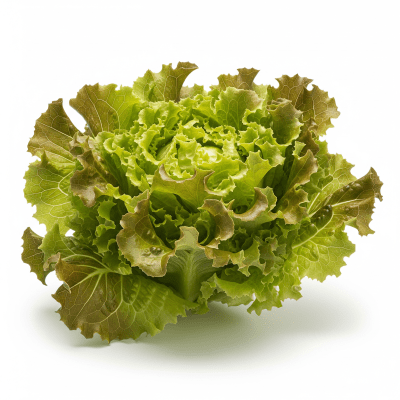
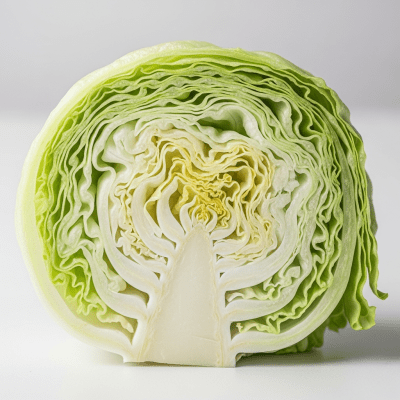
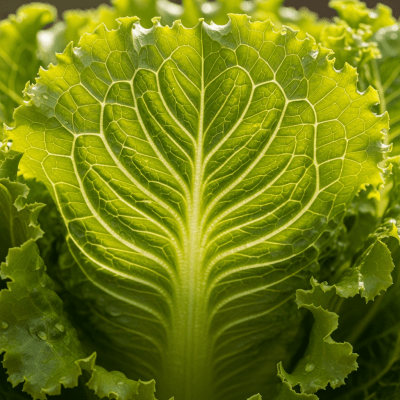
This lettuce forms loose to semi-compact heads with broad, slightly ruffled leaves that range in color from bright green to red-tinged. Its leaves are notably crisp, offering a satisfying crunch that distinguishes it from softer leaf lettuces and denser iceberg types.
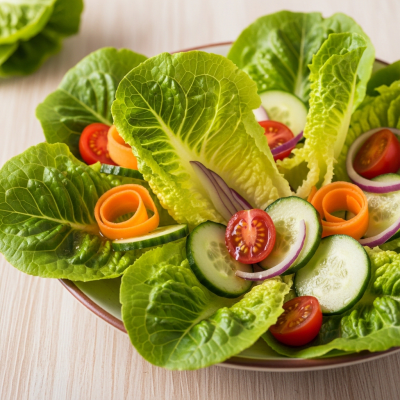
Batavia lettuce is primarily consumed fresh, favored for its crunchy texture and mild flavor. It is commonly used in salads, sandwiches, and as a garnish. Its superior heat tolerance compared to iceberg lettuce makes it especially popular for summer production in European and North American markets.
Bring this kind into your world illustrated posters, mugs, and shirts.
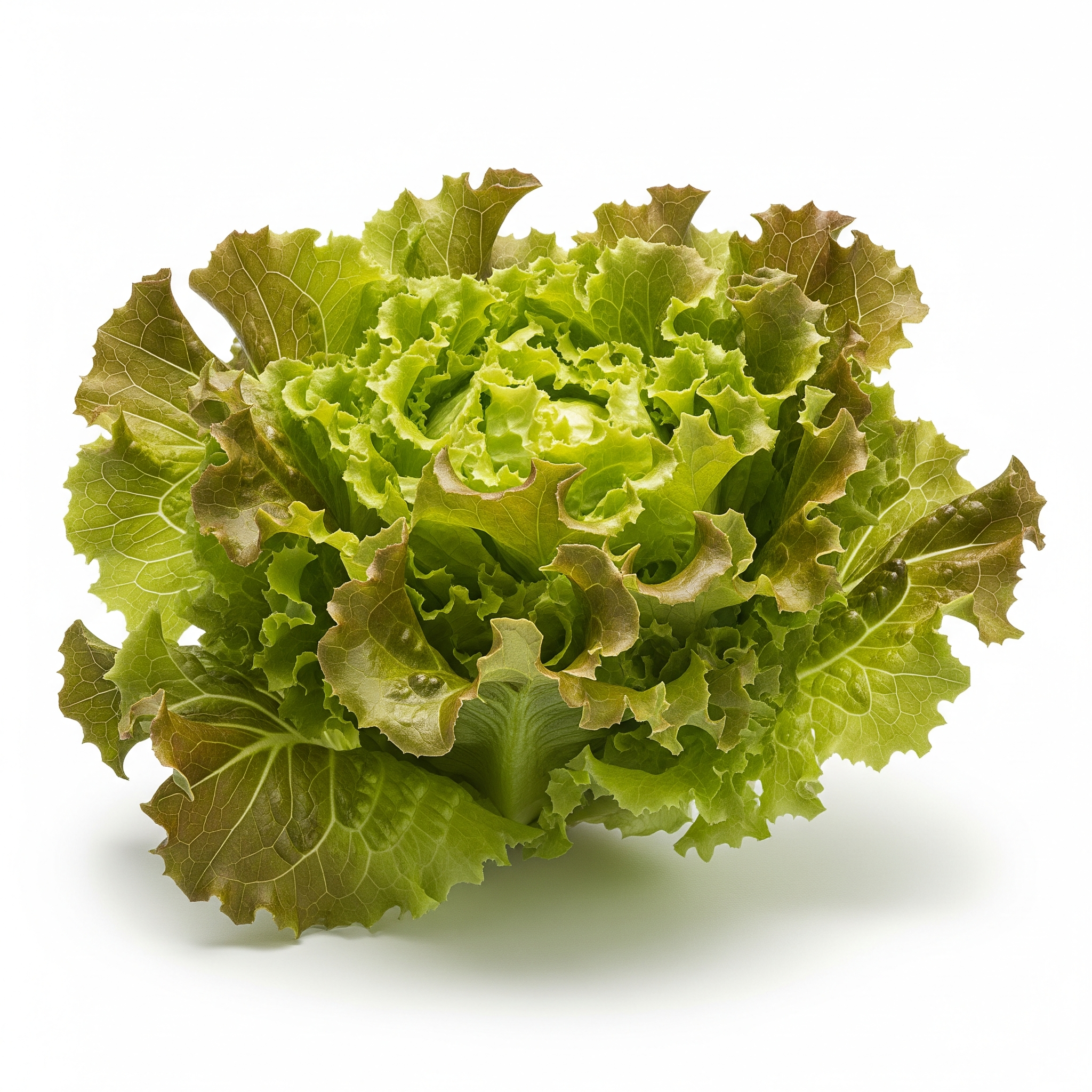
Archival print, museum-grade paper
Buy Poster
Stoneware mug, dishwasher safe
Buy Mug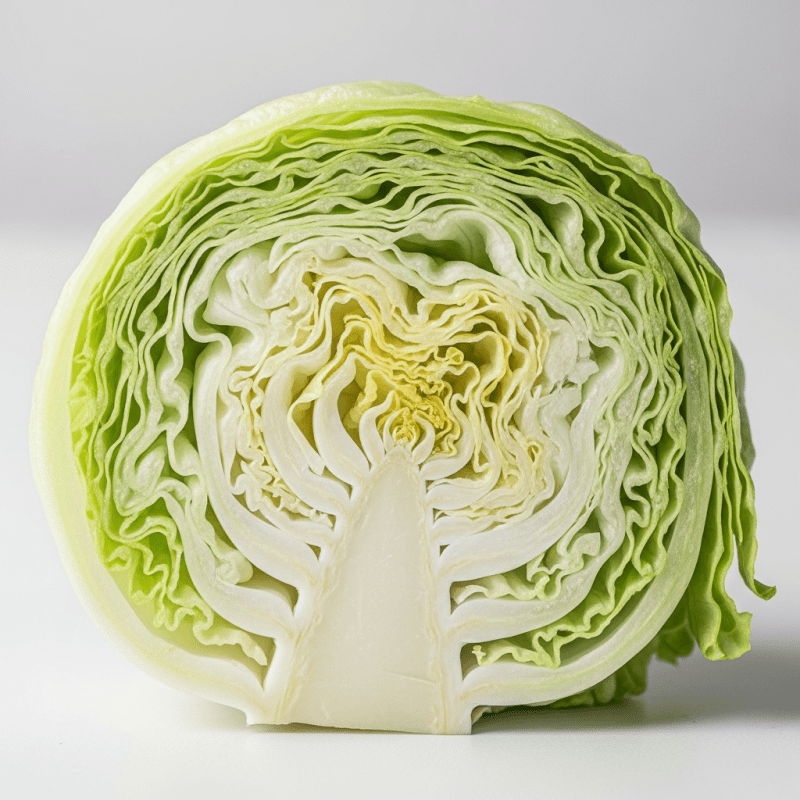
Soft cotton tee, unisex sizes
Buy ShirtKnown regionally as French crisphead or Laitue Batavia, this lettuce type holds a valued place in European culinary traditions, often regarded as a premium alternative to iceberg and leaf lettuces. Its adaptability to warmer climates has cemented its role in seasonal markets and home gardening culture.
Batavia lettuce encompasses a group of cultivars with leaf colors ranging from bright green to red-tinged forms. These variants adapt to local climates and market preferences, often marketed as French crisphead or Summercrisp. Though specific named cultivars are less documented, the group is recognized for its intermediate head form and crispness.
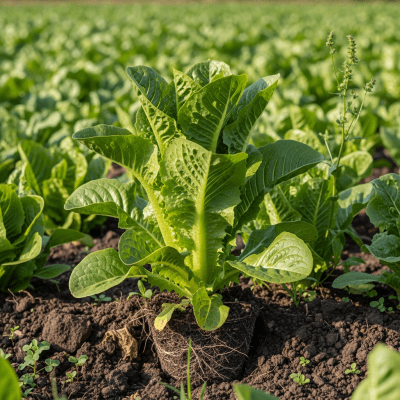

Batavia lettuce thrives in warmer climates where its heat tolerance reduces bolting risk. It prefers well-drained soil and consistent moisture to maintain leaf crispness. Moderate resistance to tipburn and fungal diseases makes it suitable for summer cultivation, but growers should monitor for local pests and maintain good airflow to minimize disease pressure.
Like other lettuces, Batavia provides low-calorie nutrition rich in water and dietary fiber. It offers vitamins A and C, along with minerals such as potassium. Its crisp leaves make it a refreshing and healthy addition to fresh salads and sandwiches.
Batavia lettuce can be affected by common lettuce pests such as aphids and leaf miners. It shows moderate resistance to tipburn and some fungal pathogens, but growers should remain vigilant against downy mildew and powdery mildew. Proper spacing and crop rotation help reduce disease incidence.