
Green Leaf Lettuce
Green Leaf Lettuce is a loose-leaf variety of Lactuca sativa known for its bright green, ruffled leaves and tender texture, widely enjoyed fresh in salads and garnishes.
Green Leaf Lettuce is a loose-leaf variety of Lactuca sativa known for its bright green, ruffled leaves and tender texture, widely enjoyed fresh in salads and garnishes.
Originating from the Mediterranean and Near East, Green Leaf Lettuce developed through centuries of open-pollinated selection. Modern forms were standardized during the 19th and 20th centuries via seed trade and agricultural extension, reflecting a long history of cultivation rather than a single breeder or institution.
Green Leaf Lettuce belongs to the species Lactuca sativa var. crispa within the Leaf lettuce group. It is part of the broader lettuce family (Asteraceae) and is categorized horticulturally as a loose-leaf type distinct from head-forming varieties like Iceberg or Butterhead.
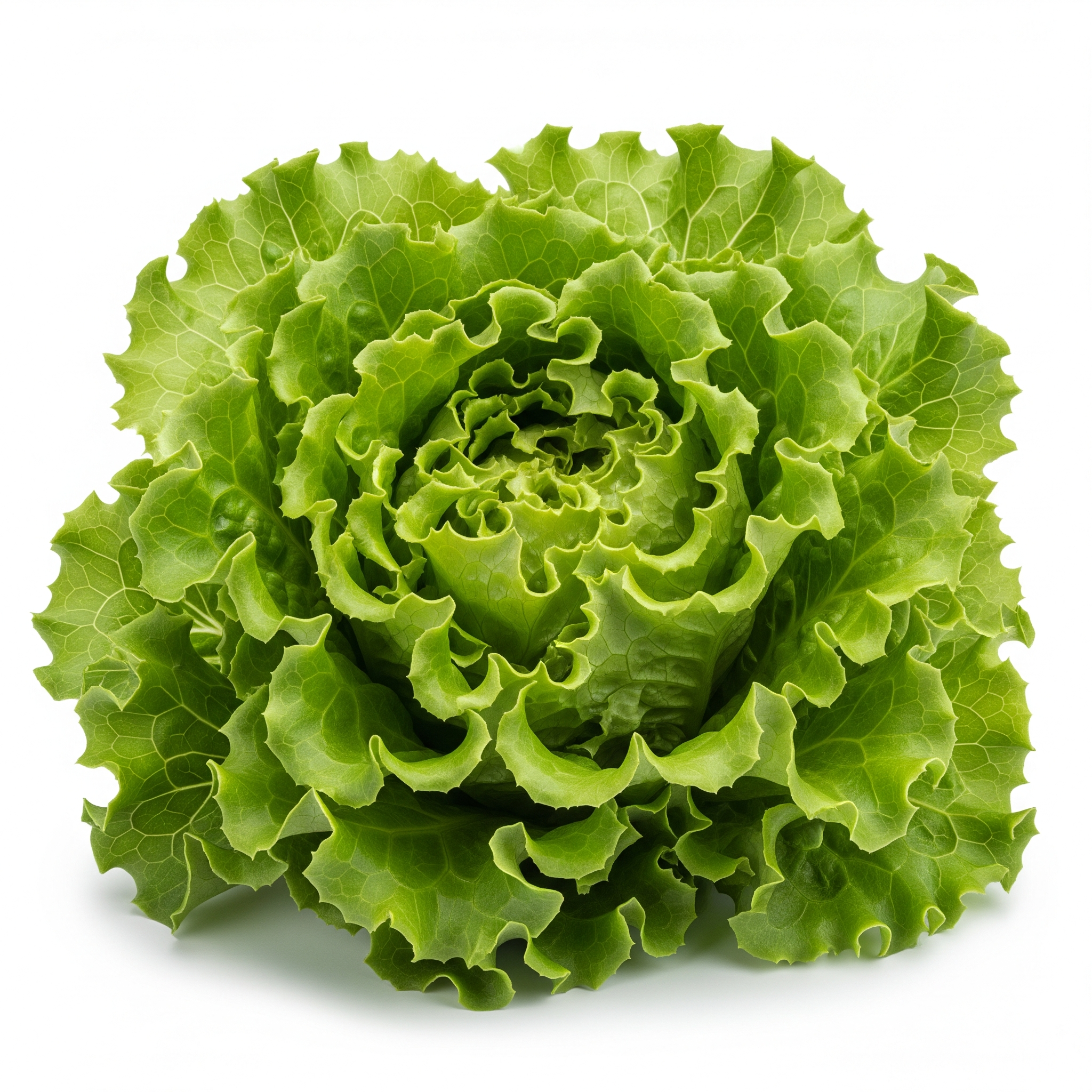
This variety forms loose, open rosettes of elongated, deeply lobed, and frilled leaves that display a vivid bright green color. The leaves have a crisp yet tender texture, and plants typically reach about 20 cm in height at maturity, offering an inviting visual appeal.
Primarily consumed raw, Green Leaf Lettuce is a staple in fresh salads, sandwiches, and as a garnish. Its mild flavor and tender leaves make it versatile for mixed greens, wraps, tacos, and as a bed for proteins. It is marketed as whole heads, loose leaves, or pre-cut salad mixes, favored for both commercial and home use.
Bring this kind into your world illustrated posters, mugs, and shirts.
Archival print, museum-grade paper
Buy Poster
Stoneware mug, dishwasher safe
Buy Mug
Soft cotton tee, unisex sizes
Buy ShirtGreen Leaf Lettuce holds a valued place in Western and Asian culinary traditions, often featured in fresh dishes that emphasize natural, crisp textures. While not prominent in art or myth, its widespread use in everyday cuisine underscores its cultural importance as a symbol of freshness and health.
Within the Leaf lettuce group, Green Leaf Lettuce encompasses numerous open-pollinated selections and regional cultivars rather than distinct named varieties. These types share common traits of loose, frilled leaves and bright green coloration but may vary slightly in leaf shape, size, and disease resistance depending on local adaptation and breeding efforts.
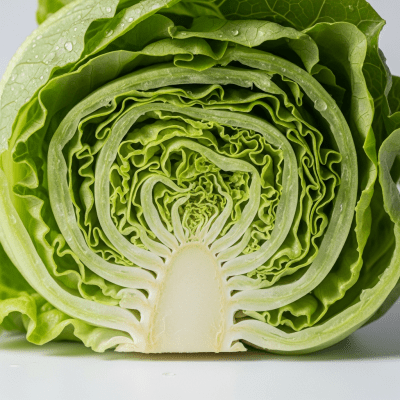
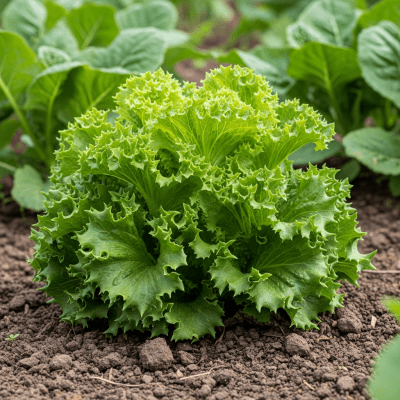



Green Leaf Lettuce thrives in cool, temperate climates with optimal germination temperatures between 15 and 20°C. It prefers well-drained, fertile soil and consistent moisture to maintain leaf tenderness. Growers should monitor for heat stress to prevent premature bolting and tipburn. Harvesting should occur promptly as leaves are delicate and storage life is limited.
Green Leaf Lettuce is low in calories but rich in water content, providing dietary fiber, vitamins A and K, and essential minerals. Its tender leaves contribute to hydration and offer antioxidants, making it a nutritious addition to fresh salads and light meals.
Common threats to Green Leaf Lettuce include susceptibility to tipburn and downy mildew (Bremia lactucae). Some commercial cultivars have been bred for improved disease resistance, but growers should implement good crop rotation, adequate spacing, and moisture management to reduce pest and disease pressure.