Little Gem Lettuce
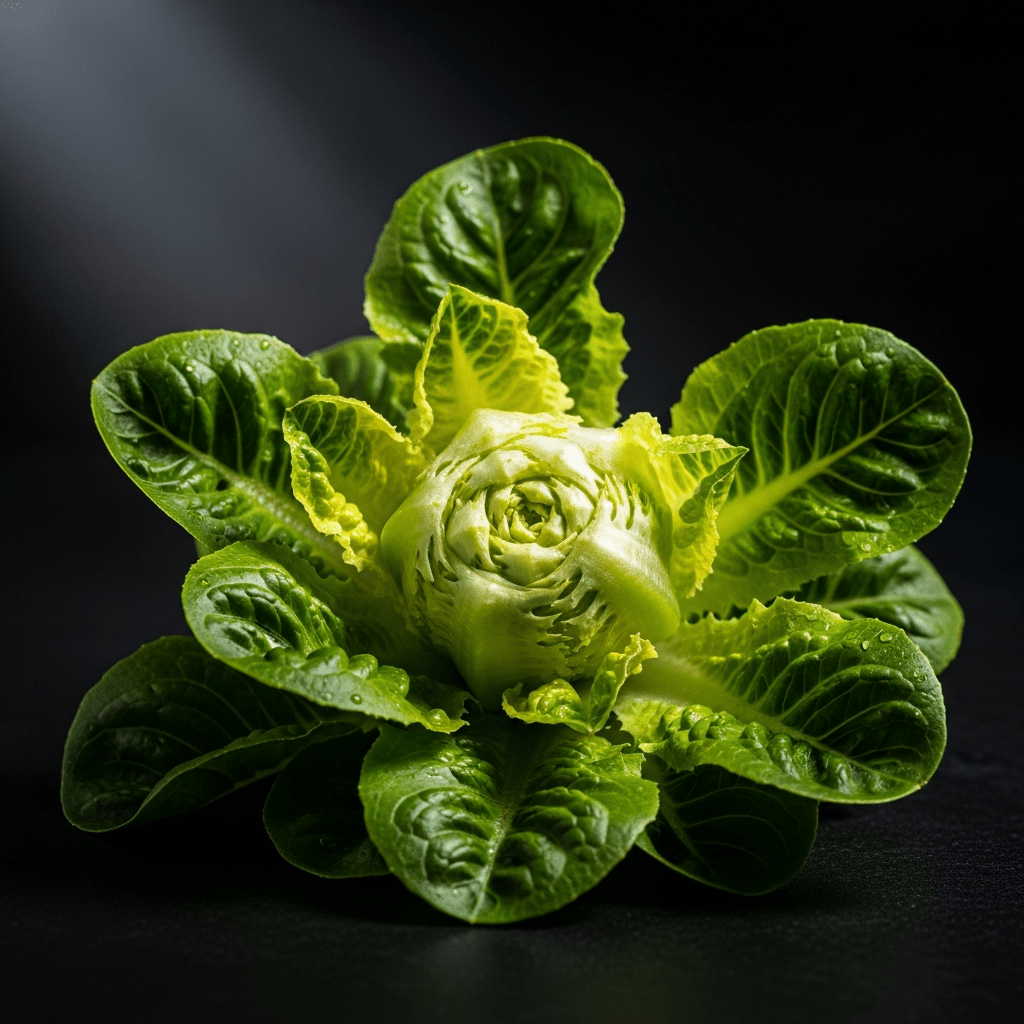
Little Gem Lettuce is a miniature Romaine (Cos) cultivar of Lactuca sativa, prized for its compact size, crisp texture, and sweet, nutty flavor.
Little Gem Lettuce is a miniature Romaine (Cos) cultivar of Lactuca sativa, prized for its compact size, crisp texture, and sweet, nutty flavor.
Originating in the United Kingdom and Europe, Little Gem Lettuce has been cultivated since at least the early 20th century as a traditional selection within the Romaine group. Its precise breeder and exact lineage remain undocumented, though it is recognized as a refined cultivar developed from Lactuca sativa var. longifolia.
Classified botanically as Lactuca sativa var. longifolia, Little Gem belongs to the Romaine (Cos) horticultural group, a subset of the species Lactuca sativa within the Asteraceae family. It is distinguished as a compact cultivar within this group, valued for its unique morphology and flavor.
Little Gem forms small, dense, elongated heads measuring approximately 10 cm in height and 15 cm in diameter. Its leaves are tightly packed, pale green, and have a crisp yet tender texture, offering a pleasing mouthfeel that sets it apart from larger Romaine types.
Primarily consumed raw, Little Gem Lettuce is favored in salads, sandwiches, and as a base for appetizers. Its small head size suits single-serving portions and gourmet presentations, making it a popular choice in retail and foodservice markets across the UK and Western Europe. It is typically sold whole or halved.
Bring this kind into your world illustrated posters, mugs, and shirts.
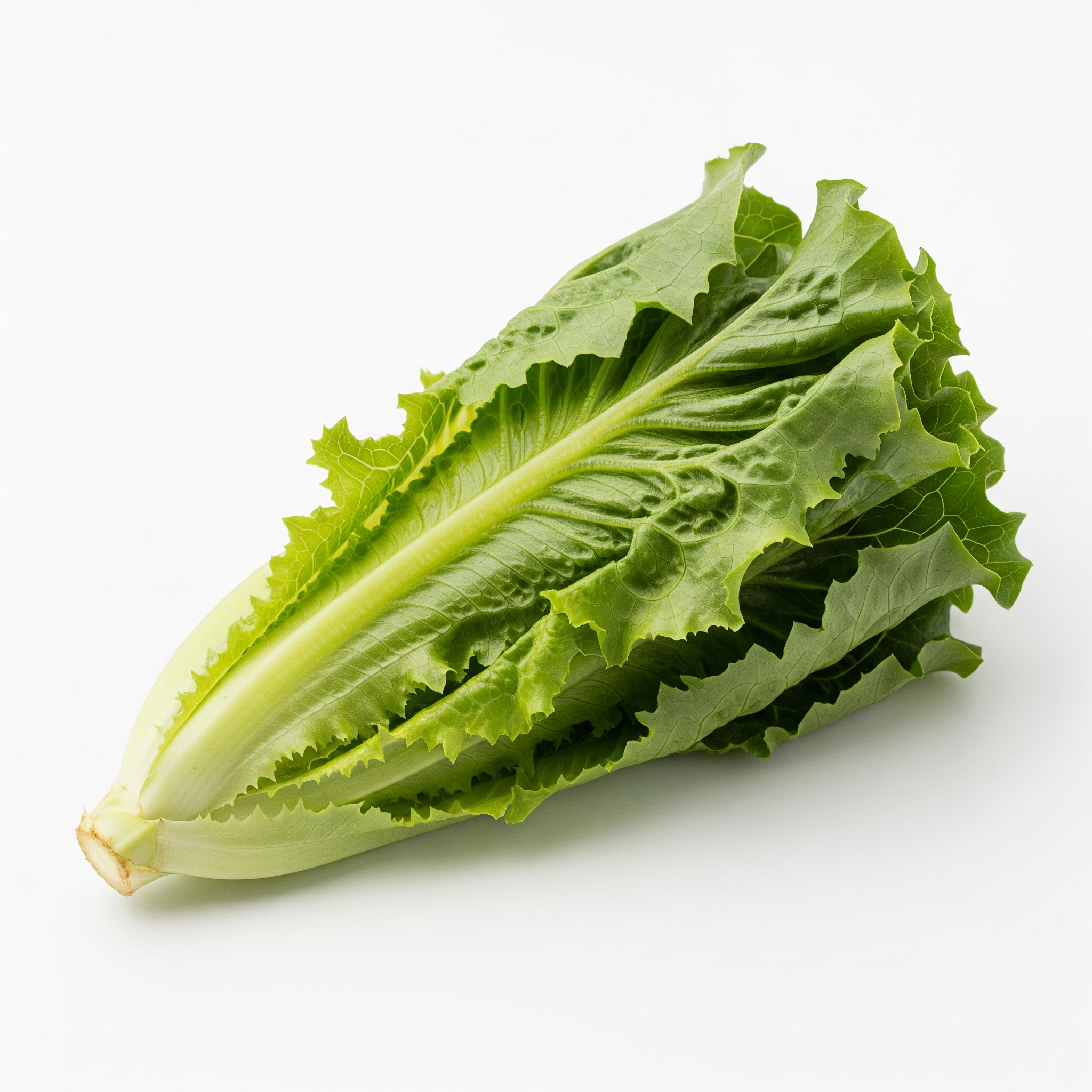
Archival print, museum-grade paper
Buy Poster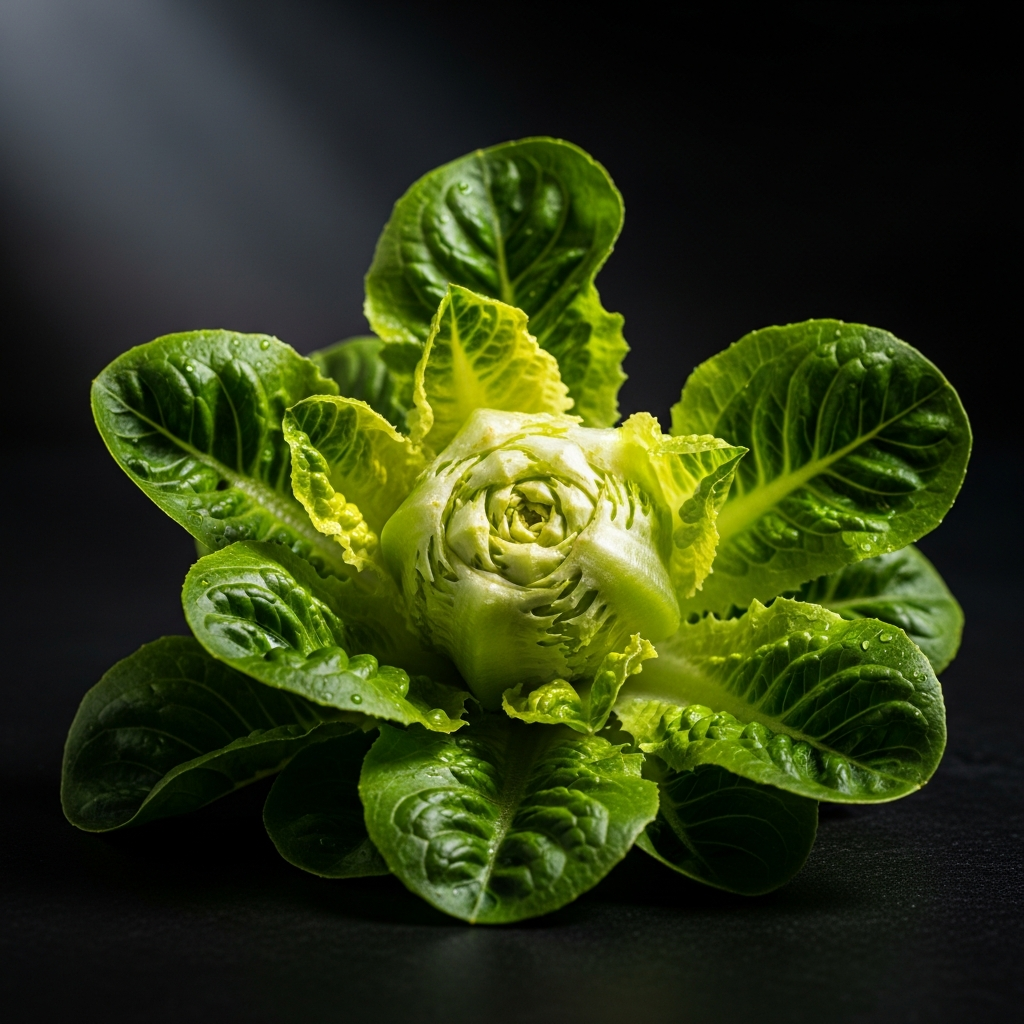
Stoneware mug, dishwasher safe
Buy Mug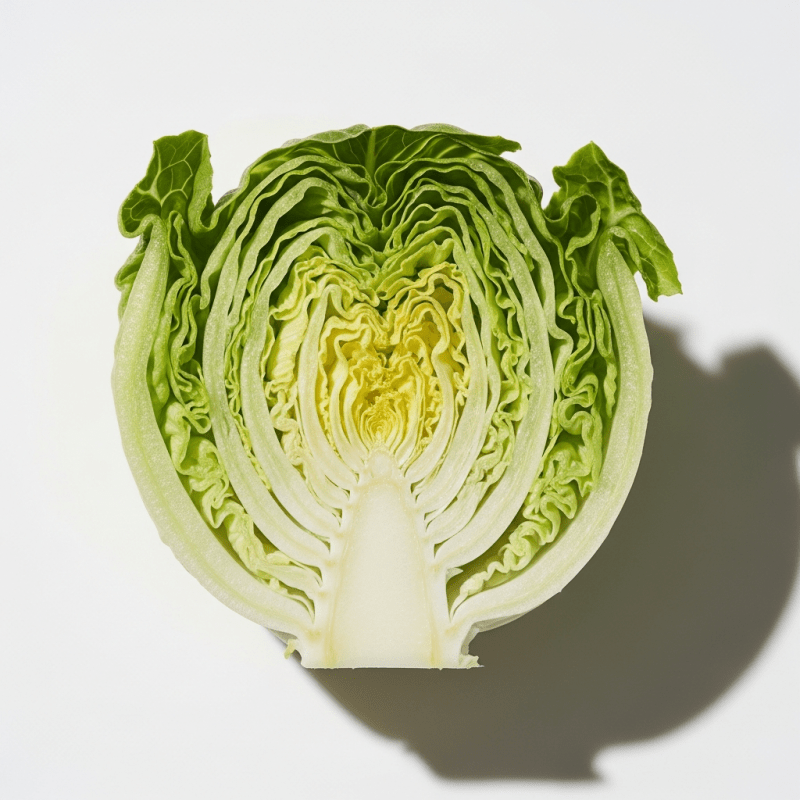
Soft cotton tee, unisex sizes
Buy ShirtWhile not widely featured in art or mythology, Little Gem holds a notable place in British and European culinary culture as a gourmet lettuce variety. Its reputation for quality and convenience has made it a staple in upscale dining and everyday markets alike.
Little Gem is a distinct cultivar within the Romaine (Cos) group, which also includes larger types such as traditional Romaine and Cos lettuces. While Little Gem emphasizes compactness and tenderness, other Romaine varieties vary in head size and leaf texture, ranging from loose-leaf forms to large, upright heads.
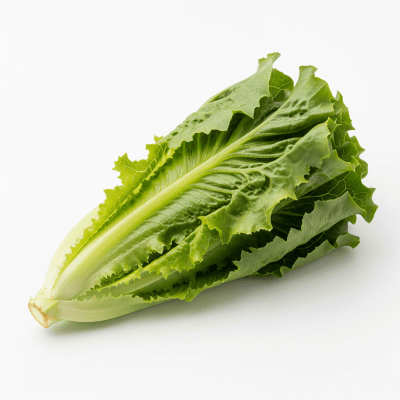
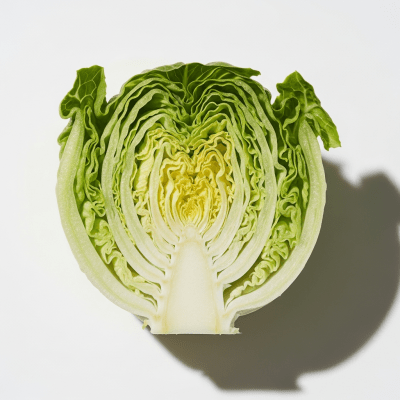




For successful cultivation, Little Gem Lettuce thrives in temperate climates and reaches maturity in 50 to 60 days. It benefits from high-density planting due to its compact form. Growers should monitor for bolting, especially in warmer conditions, and manage humidity to reduce downy mildew risk. Regular watering and well-drained soil support crisp leaf development.
Like other lettuces, Little Gem is low in calories and rich in water content, providing dietary fiber, vitamins A and K, and folate. Its tender leaves offer a nutritious addition to salads, contributing to hydration and essential micronutrients without added fats or sugars.
Common threats to Little Gem Lettuce include downy mildew, to which it shows some tolerance, and bolting caused by heat stress. Aphids and slugs may also affect crops. Integrated pest management, including crop rotation, adequate spacing, and monitoring, helps maintain healthy plants and reduce disease incidence.