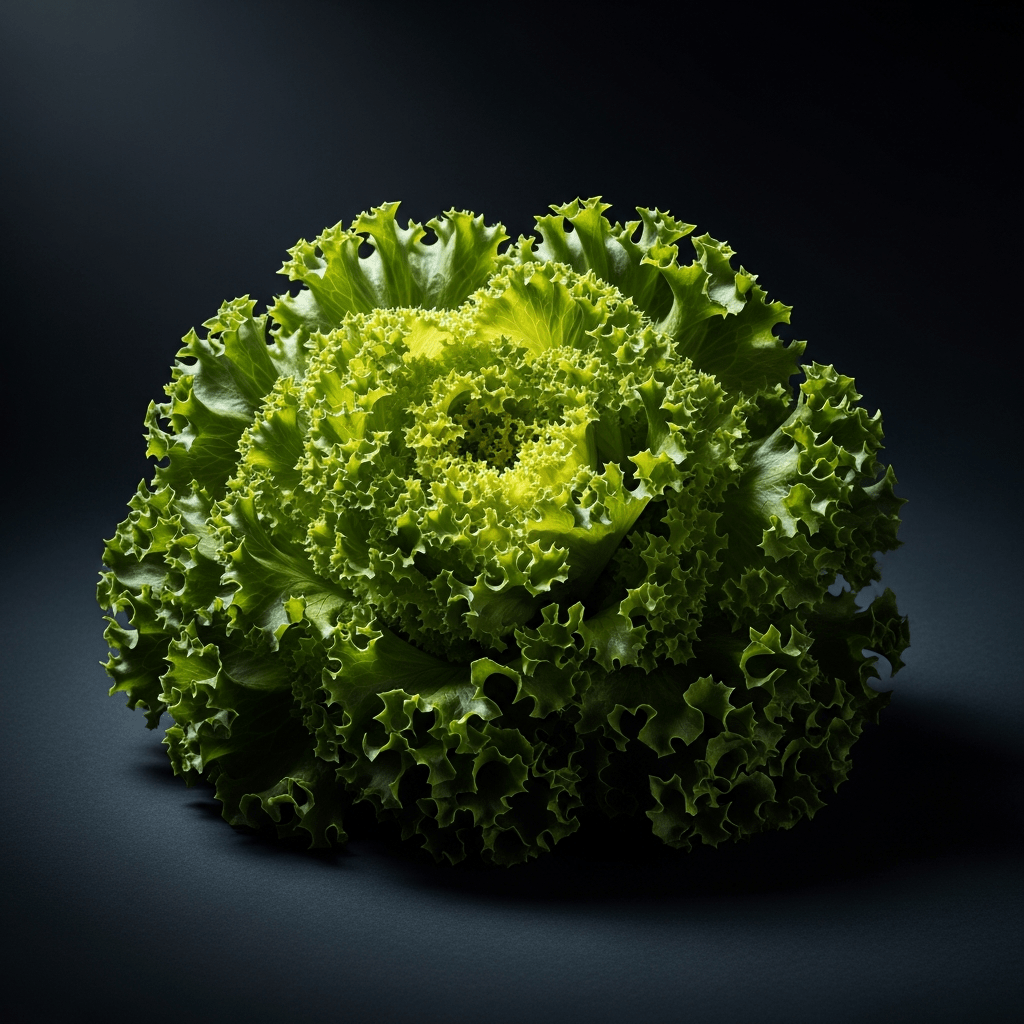
Lollo Bionda Lettuce
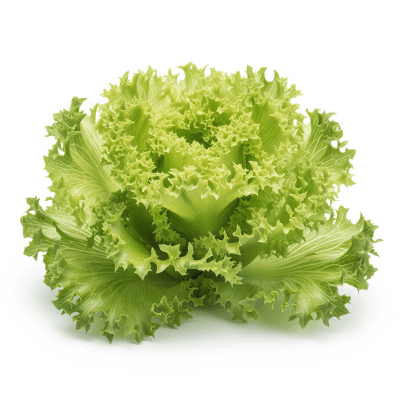
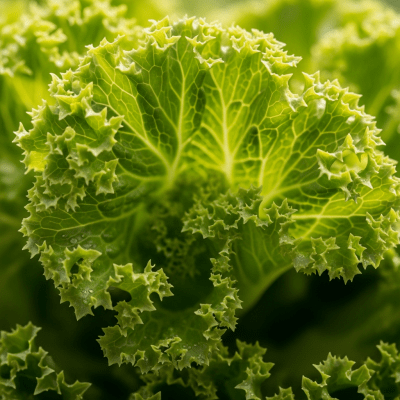
Lollo Bionda Lettuce is a vibrant leaf lettuce cultivar known for its frilly, deeply incised bright green leaves, prized for adding crisp texture and decorative appeal to fresh salads.
Lollo Bionda Lettuce is a vibrant leaf lettuce cultivar known for its frilly, deeply incised bright green leaves, prized for adding crisp texture and decorative appeal to fresh salads.
Originating in Italy, Lollo Bionda derives its name from the Italian word for "blonde," reflecting its distinctive light green leaf color. It is a traditional cultivar group selected from the crispa leaf type of Lactuca sativa, though its exact breeder and release date remain undocumented.
Classified botanically as Lactuca sativa var. crispa, Lollo Bionda belongs to the leaf lettuce group within the species. It is closely related to Lollo Rosso, sharing similar frilled leaf morphology but differing primarily in leaf coloration.
This lettuce forms a loose, open rosette typically about 25 centimeters in diameter. Its leaves are crisp, bright light to medium green, and densely arranged with deeply curled, frilly margins that create an attractive, textured head.
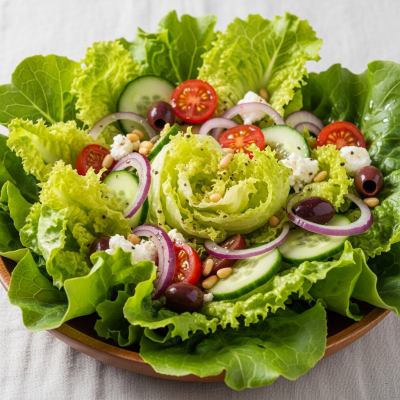
Lollo Bionda is cultivated mainly for fresh consumption, where its tender, crisp leaves enhance salads and garnishes. It is harvested either as whole heads or by picking loose leaves, making it suitable for cut-and-come-again harvesting. The variety prefers cool growing conditions and is moderately sensitive to heat, which can induce bolting.
Bring this kind into your world illustrated posters, mugs, and shirts.
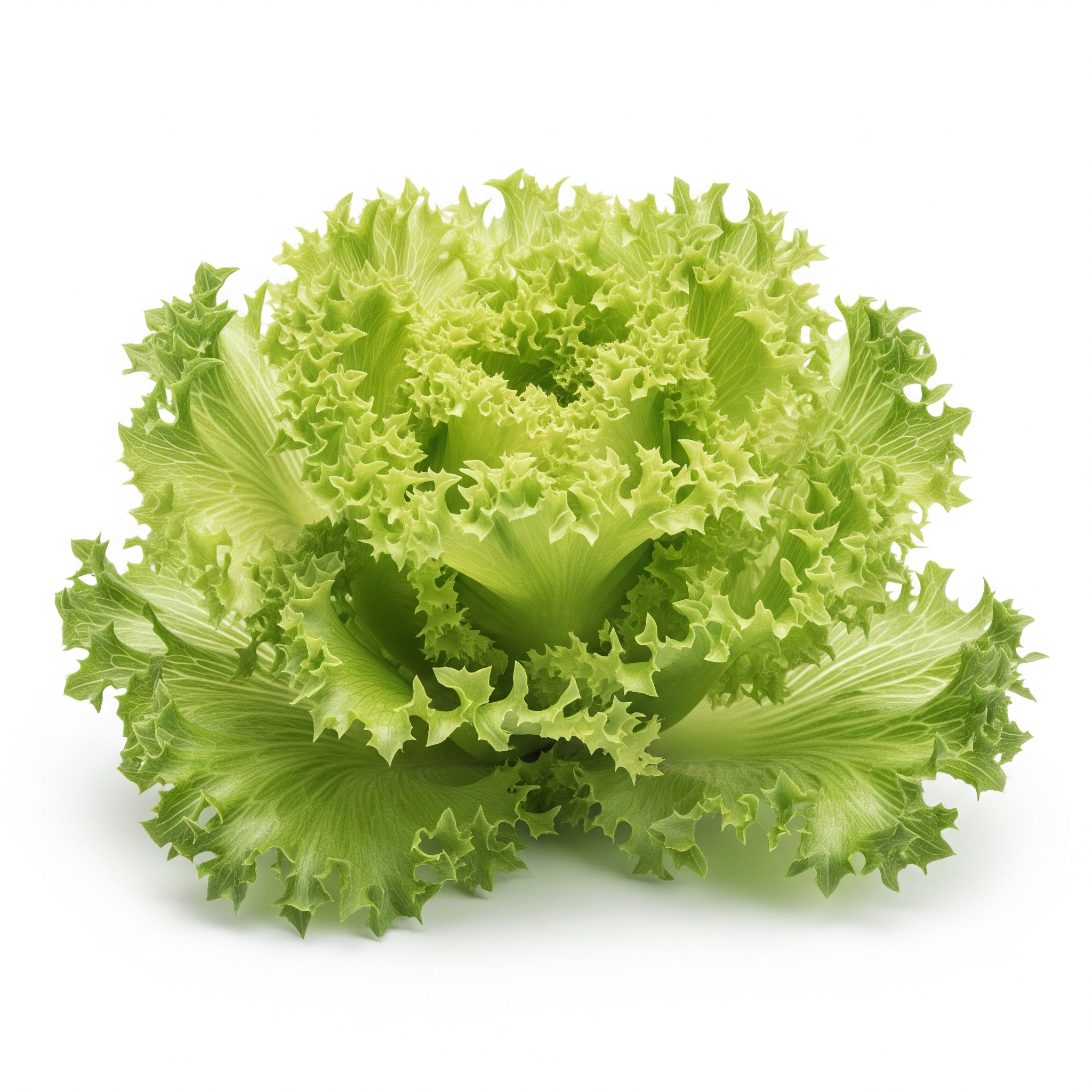
Archival print, museum-grade paper
Buy Poster
Stoneware mug, dishwasher safe
Buy Mug
Soft cotton tee, unisex sizes
Buy ShirtWidely appreciated in European culinary traditions, especially in Italy and Germany, Lollo Bionda is valued for its ornamental leaf form and mild flavor. Its distinctive frilly leaves often feature in gourmet and decorative salad presentations, reflecting a cultural preference for visually appealing fresh produce.
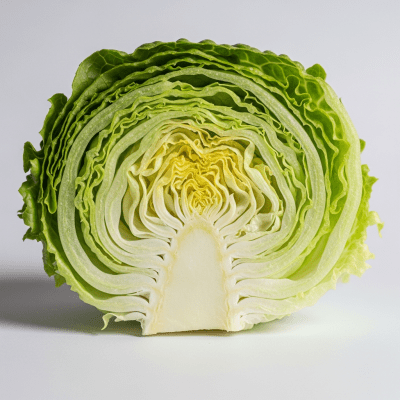
Lollo Bionda belongs to the leaf lettuce group, characterized by loose, frilly leaves. It is often paired with Lollo Rosso, its red-leafed counterpart, both deriving from the crispa leaf type of Lactuca sativa. These varieties are distinct from head lettuces like Iceberg or Butterhead due to their open form and textured leaves.
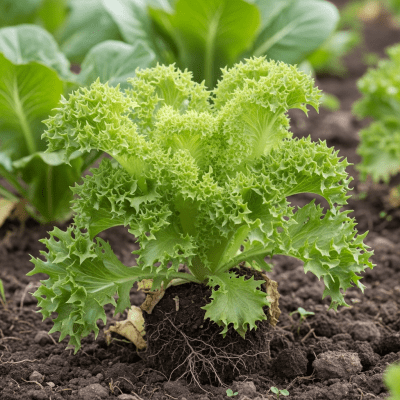

For best growth, plant Lollo Bionda in cool conditions during spring or early summer. It prefers well-drained soil and consistent moisture to maintain leaf crispness. Because it is heat sensitive, avoid high temperatures that may cause premature bolting. Harvest can be done by cutting whole heads or selectively picking outer leaves to encourage regrowth.
Lollo Bionda lettuce offers a crisp, low-calorie addition to salads, providing hydration and dietary fiber. Like other leaf lettuces, it contains vitamins A and C, along with antioxidants that support overall health, making it a nutritious choice for fresh consumption.
Lollo Bionda is susceptible to common lettuce pests such as aphids, slugs, and leaf miners. It may also be vulnerable to fungal diseases like downy mildew and powdery mildew, especially in humid conditions. Managing these threats involves good air circulation, crop rotation, and timely pest control measures.