
Oakleaf Lettuce
Oakleaf lettuce is a distinctive leaf lettuce cultivar group known for its deeply lobed leaves that resemble those of an oak tree, prized for its tender texture and mild flavor.
Oakleaf lettuce is a distinctive leaf lettuce cultivar group known for its deeply lobed leaves that resemble those of an oak tree, prized for its tender texture and mild flavor.
Originating from European and North American horticultural traditions, Oakleaf lettuce was developed through selective breeding within leaf lettuce types. Though no specific breeder or exact year is recorded, it has been present in seed catalogs since the early 20th century, representing a unique morphological subgroup of Lactuca sativa var. crispa.
Oakleaf lettuce belongs to the leaf lettuce group within the species Lactuca sativa, classified botanically as Lactuca sativa var. crispa (Oakleaf group). It is recognized as a distinct cultivar group by authorities such as the Royal Horticultural Society and USDA, fitting within the broader family Asteraceae.
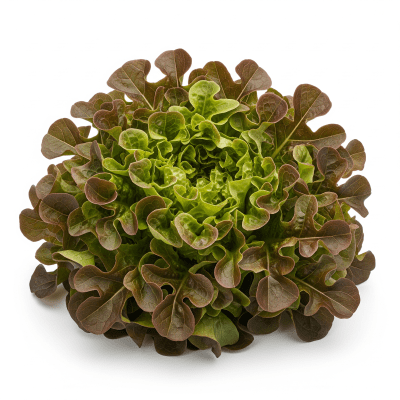
This lettuce features a loose, non-heading growth habit with leaves that are deeply lobed, narrow, and often elongated, closely mimicking oak tree leaves. Leaf colors vary from bright green to deep red, and the texture is tender rather than crisp. Plants typically reach about 20 cm in height, offering an ornamental and visually appealing form.
Primarily consumed fresh, Oakleaf lettuce is favored in salads, mixed greens, and as a garnish. Its mild, slightly nutty flavor and attractive leaf shape make it popular in gourmet and specialty markets. It is commonly included in mesclun mixes and is prized for farm-to-table and local produce markets, though its delicate leaves limit its use in processing or long-term storage.
Bring this kind into your world illustrated posters, mugs, and shirts.

Archival print, museum-grade paper
Buy Poster
Stoneware mug, dishwasher safe
Buy Mug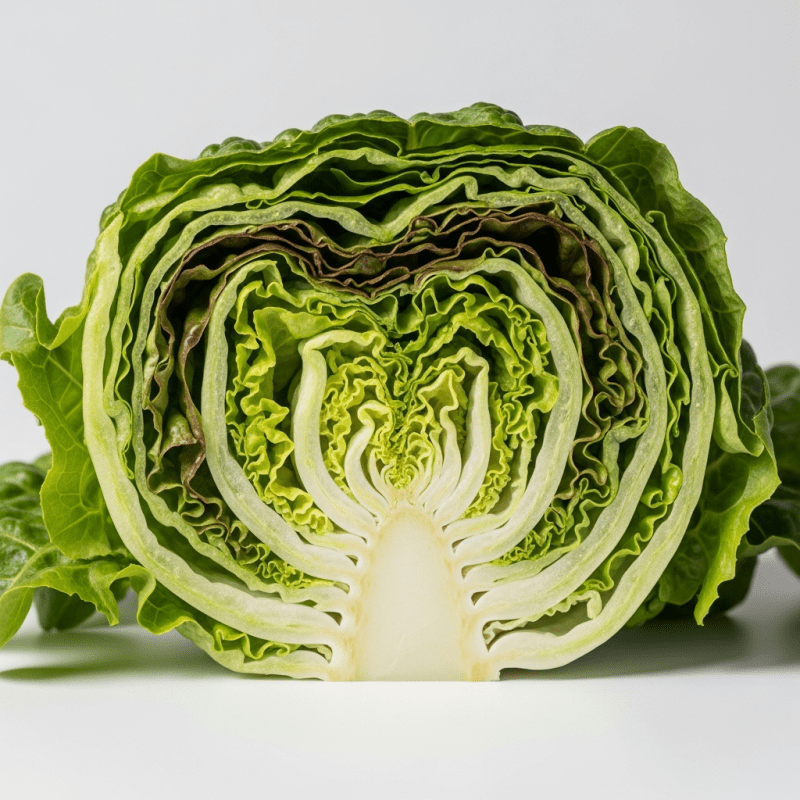
Soft cotton tee, unisex sizes
Buy ShirtOakleaf lettuce holds a valued place in European and North American culinary culture, especially within gourmet and specialty food circles. Known in French markets as "Laitue feuille de chêne," it is appreciated not only for its flavor but also for its ornamental qualities, often symbolizing freshness and artisanal produce in modern farm-to-table movements.
Within the Oakleaf group, varieties are primarily distinguished by leaf color, ranging from bright green to deep red. These color variants provide both aesthetic appeal and subtle flavor differences, allowing growers and consumers to select types suited to visual preference and culinary use.





Oakleaf lettuce thrives in moderate climates and tolerates some heat better than many leaf lettuces, making it suitable for extended growing seasons. It matures in 45 to 55 days and prefers well-drained soil with consistent moisture. To minimize susceptibility to downy mildew and aphids, growers should ensure good air circulation and monitor regularly for pests, employing integrated pest management when necessary.
Like other lettuces, Oakleaf lettuce is low in calories and rich in water content, providing a refreshing base for salads. It offers essential nutrients such as vitamins A and K, along with dietary fiber and antioxidants, contributing to overall health and hydration.
Oakleaf lettuce is generally resistant to minor leaf diseases but can be vulnerable to downy mildew and aphid infestations. Effective management includes maintaining good field hygiene, ensuring proper spacing for airflow, and monitoring crops regularly to apply organic or chemical controls as needed.