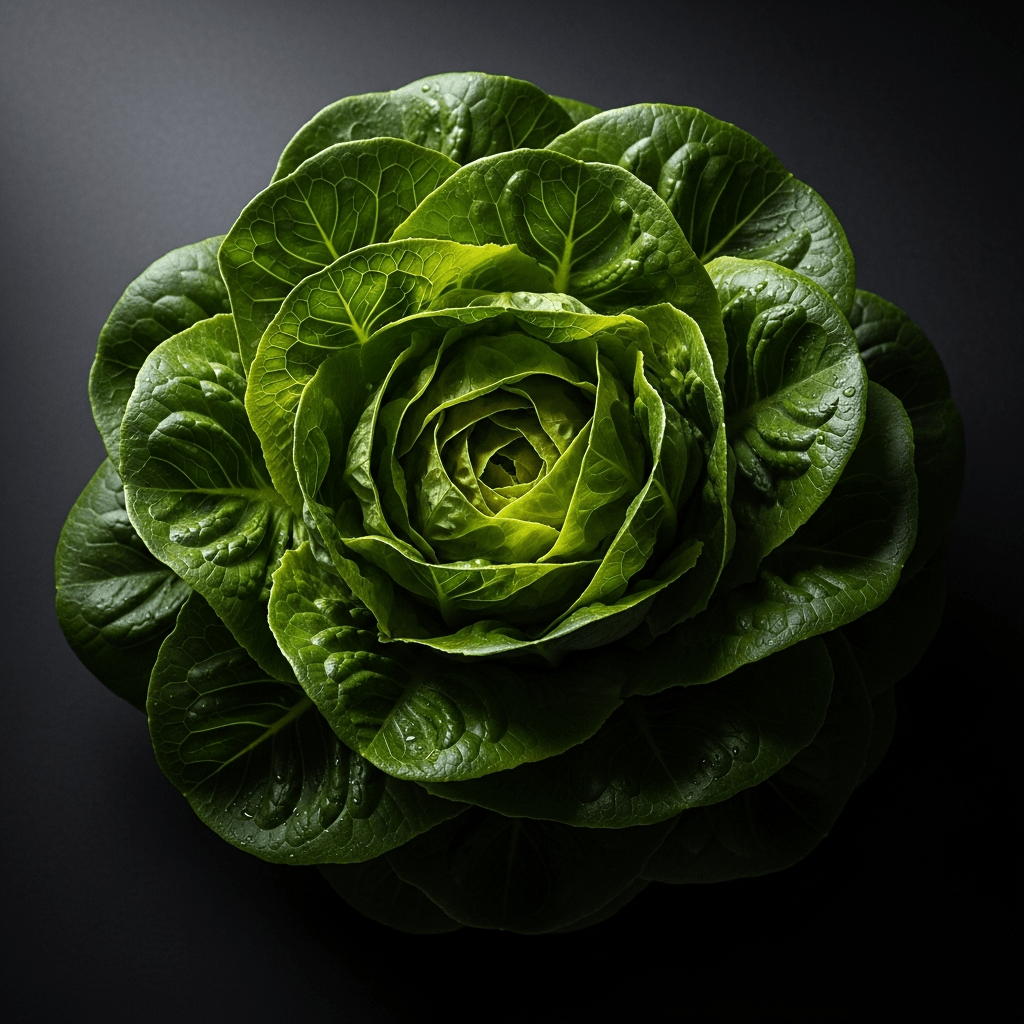
Summercrisp Lettuce
Summercrisp lettuce is a distinctive type of Lactuca sativa known for its crisp texture, intermediate leaf-head form, and remarkable tolerance to heat, making it ideal for summer cultivation.
Summercrisp lettuce is a distinctive type of Lactuca sativa known for its crisp texture, intermediate leaf-head form, and remarkable tolerance to heat, making it ideal for summer cultivation.
Originating in Europe, particularly France, Summercrisp lettuce—also called Batavian or French crisp lettuce—emerged through selective breeding over the 19th century. It represents a horticultural group rather than a single cultivar, reflecting centuries of regional cultivation and refinement.
Summercrisp belongs to the Batavian group within the species Lactuca sativa. It is classified as a horticultural type distinct from other market groups like Iceberg or Romaine, recognized for its intermediate leaf-head morphology and crispness.
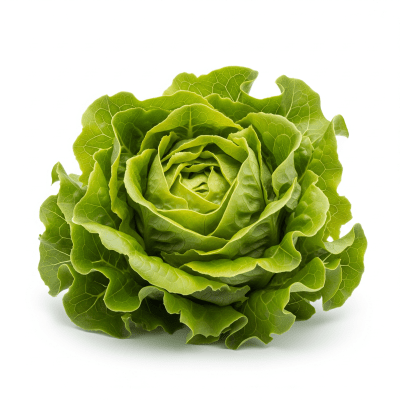
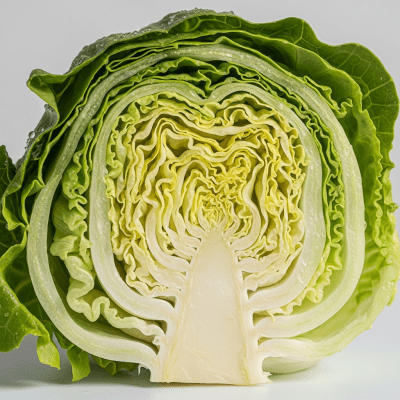
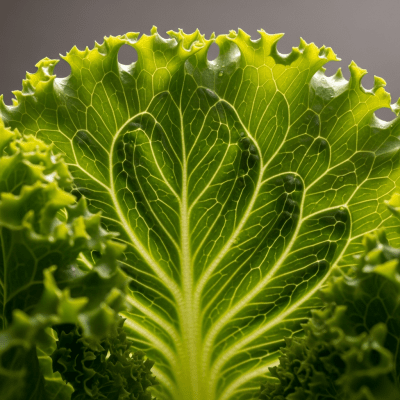
This lettuce forms loose to semi-tight heads about 25 cm in diameter, with broad, thick leaves that range from medium to dark green and sometimes display reddish tinges. Its leaves have a crisp texture and an arrangement that blends traits of both leaf and head lettuces.
Summercrisp lettuce is prized for fresh consumption, offering a crunchy texture and mild flavor. It is commonly used in salads, sandwiches, and as a base for mixed greens. Sold as whole heads or loose leaves, it thrives in hot climates and resists bolting, making it popular in both commercial and home gardens.
Bring this kind into your world illustrated posters, mugs, and shirts.
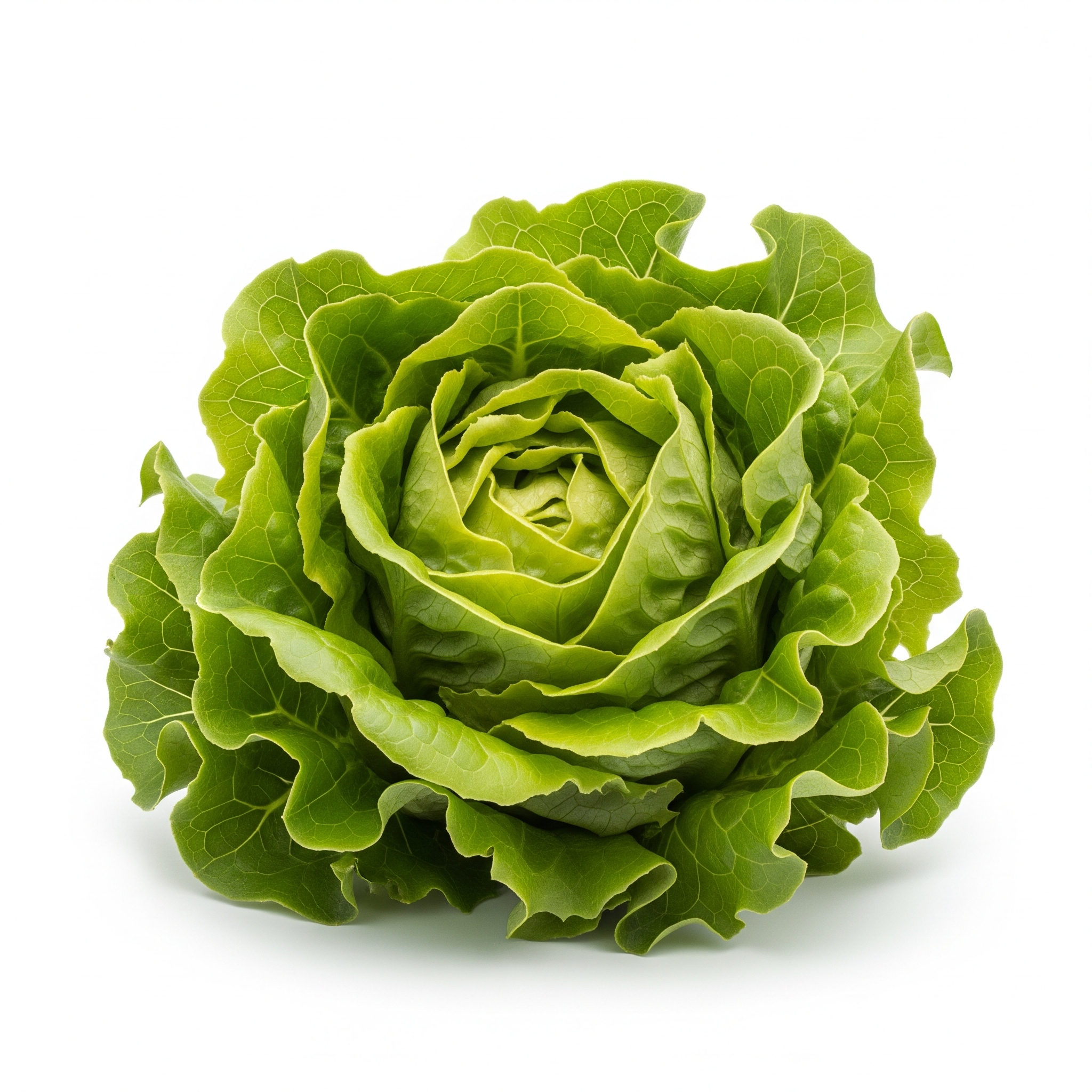
Archival print, museum-grade paper
Buy Poster
Stoneware mug, dishwasher safe
Buy Mug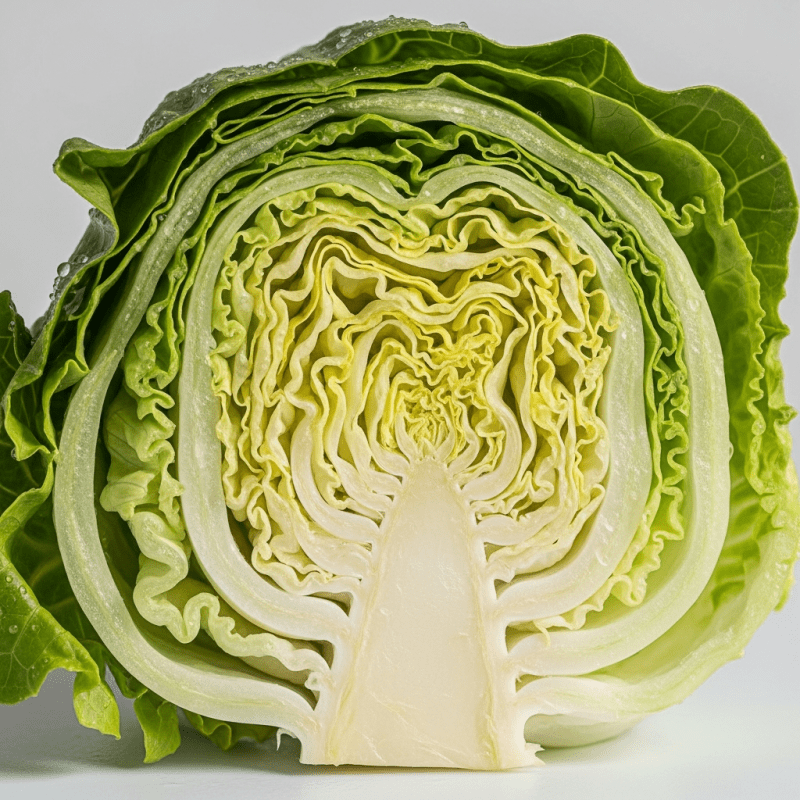
Soft cotton tee, unisex sizes
Buy ShirtKnown regionally as Batavian or French crisp lettuce, Summercrisp holds a valued place in European horticulture, especially in France where it has been cultivated for centuries. Its heat tolerance and texture have made it a preferred choice in summer diets and local markets, reflecting regional agricultural traditions.
Summercrisp lettuce encompasses a range of cultivars within the Batavian group, each varying slightly in leaf color, head tightness, and disease resistance. While not a single named cultivar, it includes types marketed as Batavian or French crisp lettuce, distinguished from Iceberg and Romaine by their intermediate morphology and crisp texture.
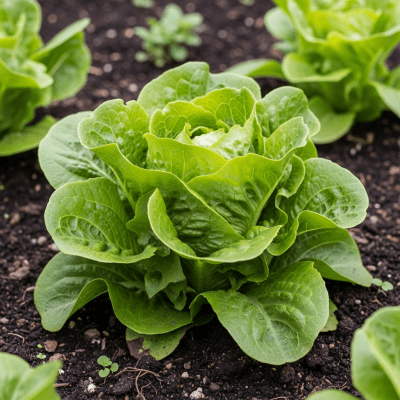


To successfully grow Summercrisp lettuce, plant in well-drained soil with consistent moisture during warm seasons. Its heat tolerance allows summer planting where other lettuces might bolt early. Monitor for common diseases and provide moderate shade if temperatures become extreme to maintain leaf quality.
Summercrisp lettuce offers a crisp, refreshing source of hydration and essential nutrients common to leafy greens. It provides vitamins A and K, dietary fiber, and antioxidants, supporting digestion and overall health while adding low-calorie crunch to meals.
Summercrisp lettuce faces typical threats such as downy mildew and tipburn, though it shows intermediate resistance to these diseases. Growers should monitor for fungal infections and nutrient imbalances, employing crop rotation and proper irrigation to mitigate risks.