
Red Leaf Lettuce
Red Leaf Lettuce is a loose-leaf variety of Lactuca sativa known for its vibrant red to burgundy-tinted leaves and tender texture, prized for fresh culinary uses worldwide.
Red Leaf Lettuce is a loose-leaf variety of Lactuca sativa known for its vibrant red to burgundy-tinted leaves and tender texture, prized for fresh culinary uses worldwide.
Red Leaf Lettuce emerged through traditional selection and breeding of loose-leaf cultivars, with commercial varieties featuring red pigmentation appearing globally since the mid-20th century. It does not trace to a single breeder but represents a group of cultivars developed over time.
Belonging to the species Lactuca sativa var. crispa, Red Leaf Lettuce falls within the leaf lettuce horticultural group, distinguished from head types like Iceberg or Butterhead by its loose, open rosette form.
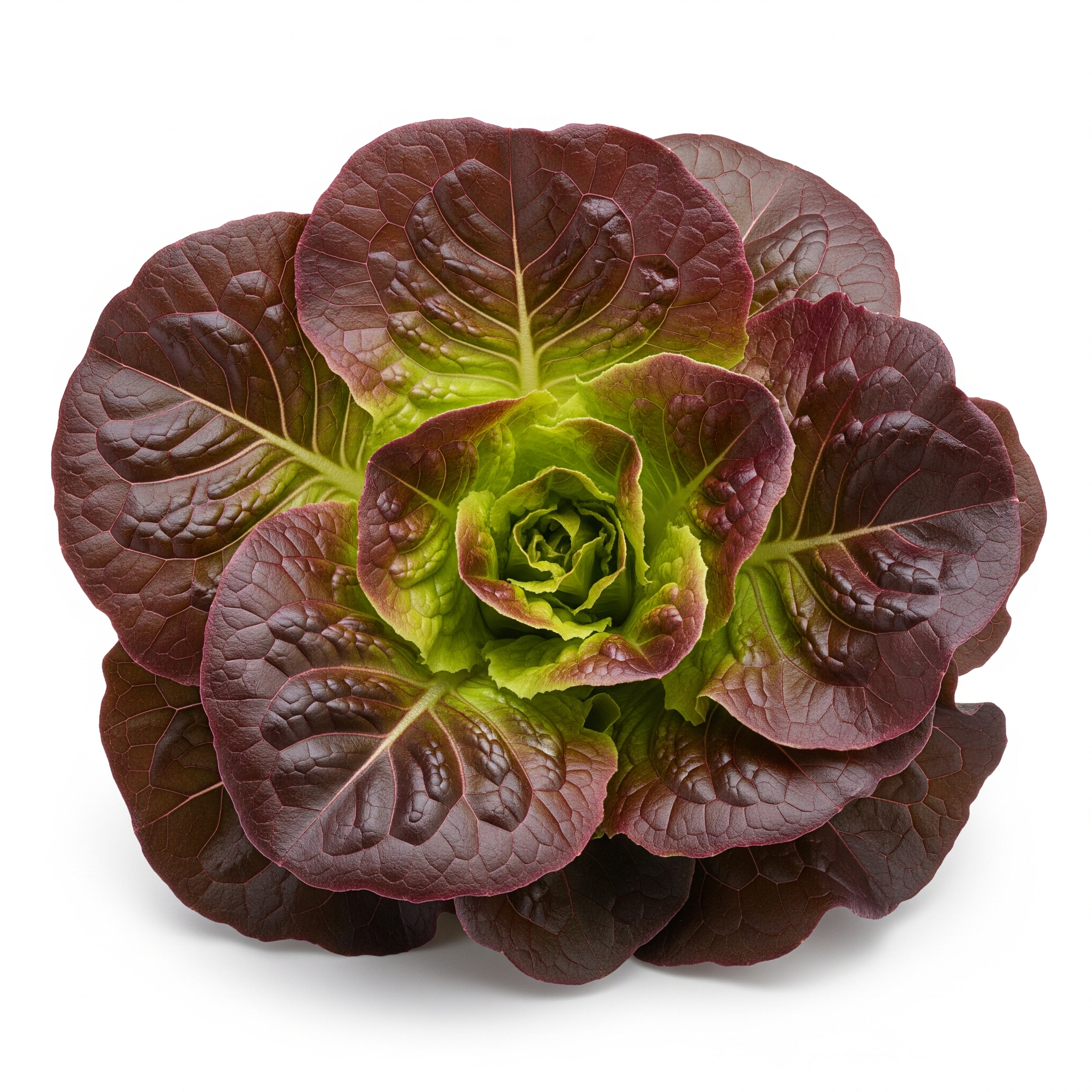
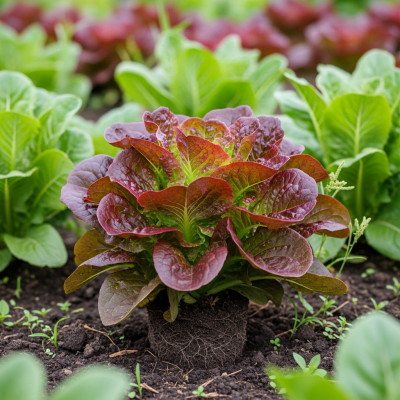
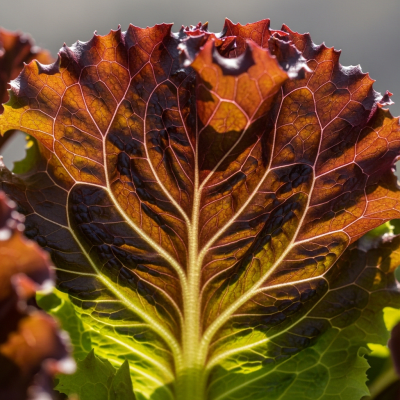
This lettuce forms loose rosettes approximately 25 cm in diameter, with leaves that transition from green at the base to red, burgundy, or purple at the tips due to anthocyanin pigments. The leaves are tender with ruffled or frilled margins, creating an attractive, colorful appearance.
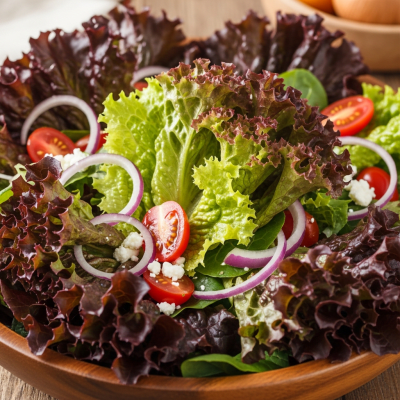
Primarily consumed fresh, Red Leaf Lettuce is favored for salads, sandwiches, and garnishes where its mild, slightly sweet flavor and striking color add visual and taste appeal. It is marketed as whole heads, loose leaves, or as part of mixed salad blends, but is rarely cooked to preserve its texture and color.
Bring this kind into your world illustrated posters, mugs, and shirts.
Archival print, museum-grade paper
Buy Poster
Stoneware mug, dishwasher safe
Buy Mug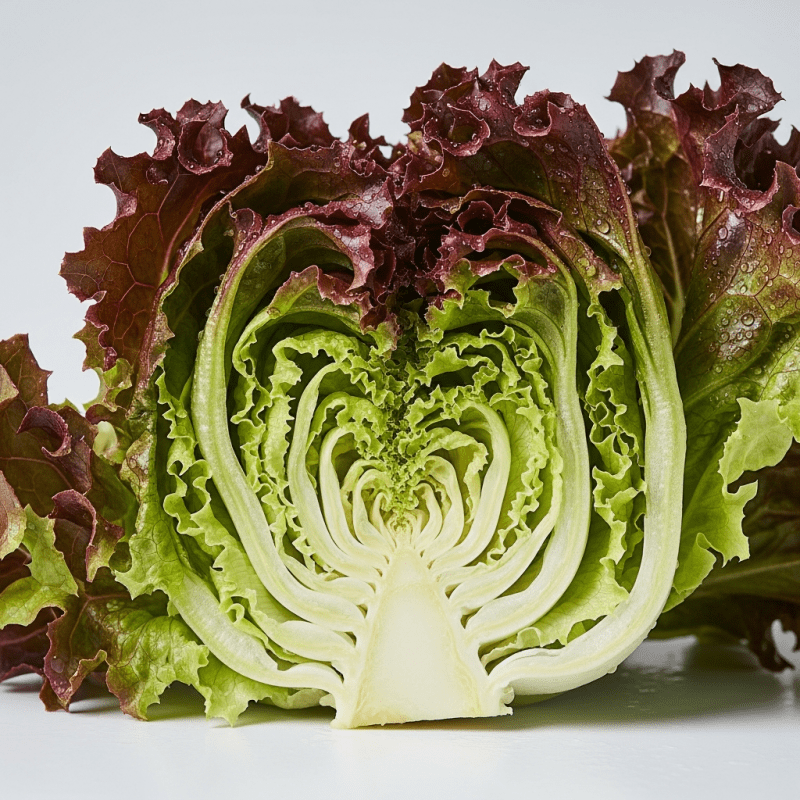
Soft cotton tee, unisex sizes
Buy ShirtWhile not deeply embedded in historical art or myth, Red Leaf Lettuce holds cultural value in modern cuisine and retail, celebrated for its aesthetic appeal and versatility. Its colorful leaves often symbolize freshness and health in food presentation worldwide.
Red Leaf Lettuce encompasses several cultivars selected for their red pigmentation and leaf shape. Notable types include ‘Red Sails’, ‘Lollo Rossa’, and ‘Ruby’. Regional names vary, with European markets sometimes grouping these under “Batavia” or “Lollo” lettuce depending on leaf texture and form.

For best results, grow Red Leaf Lettuce in cool, temperate climates to avoid premature bolting caused by heat sensitivity. Sow seeds in well-drained, fertile soil with consistent moisture. Harvest leaves or whole plants between 30 and 60 days, and refrigerate promptly to maintain freshness within a 7 to 10-day window.
Red Leaf Lettuce is low in calories but rich in vitamins A and K, as well as antioxidants from anthocyanins that contribute to its red coloration. It supports hydration and provides dietary fiber, making it a nutritious addition to fresh salads and meals.
Common threats include downy mildew and tipburn, to which Red Leaf Lettuce shows moderate resistance. Heat stress can increase vulnerability to bolting and disease. Managing moisture levels and providing shade during hot periods helps reduce pest and disease incidence.